Disney VIP tours promise shorter waits, customized itineraries, and a day that feels almost frictionless. Yet many families walk away feeling exhausted, rushed, or like they did not get the value they expected simply because of a few avoidable planning mistakes.
This guide walks through the most common missteps guests make when booking and using a Disney VIP tour and offers practical, family-tested strategies to help you enjoy a smoother, more magical day. While it draws inspiration from real-world experiences, the advice here is organized in a fresh way so you can plan a tour that matches your budget, energy, and priorities.
What a Disney VIP Tour Actually Is (and Is Not)
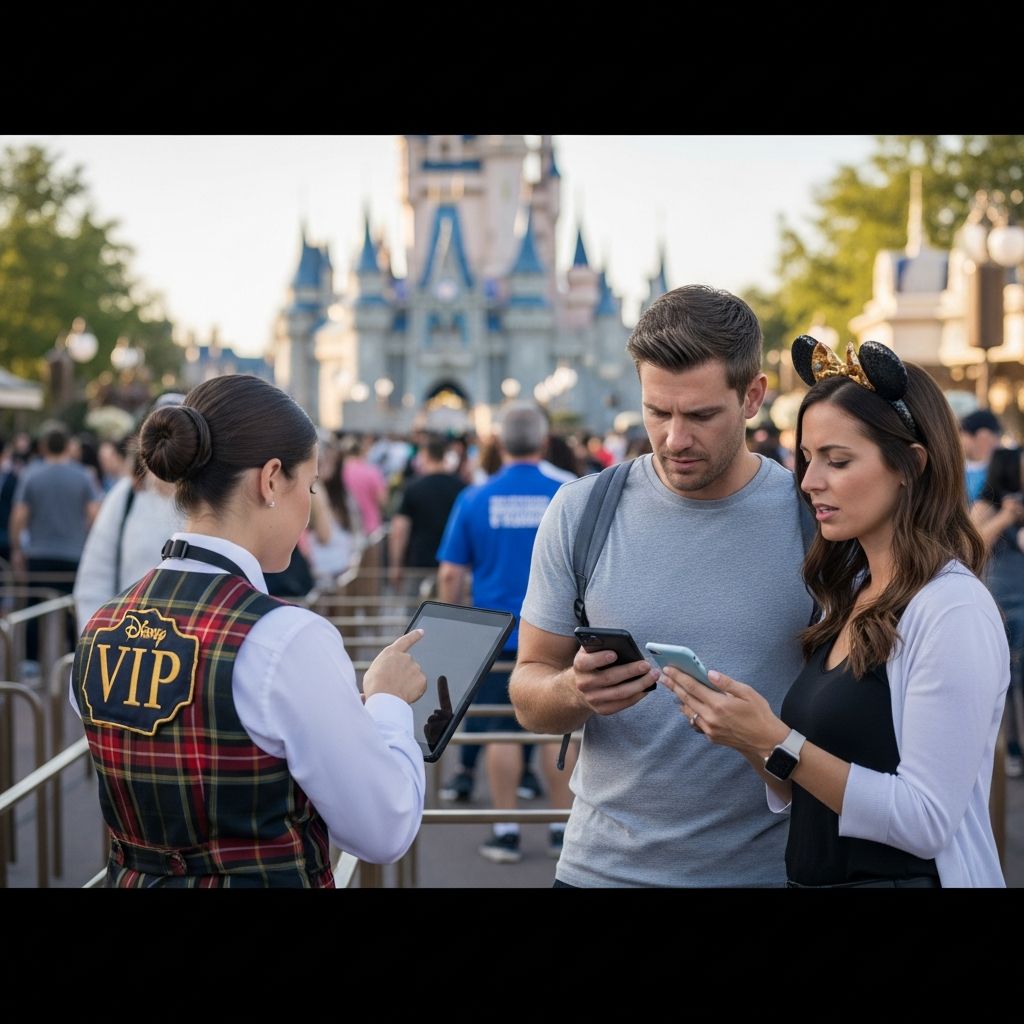
Before digging into mistakes to avoid, it helps to understand what you are really buying. A Disney VIP tour is a private, guided experience that gives your group priority access to attractions, curated routing between parks, and logistical help from an expert guide. You pay by the hour for a block of time, typically for up to 10 guests.
What it is not: a magic wand that eliminates all waiting, replaces park tickets, or guarantees every ride and show you imagine. There are still park rules, technical ride downtime, and limitations on what even the best guide can do. Aligning your expectations with reality is the foundation of a successful tour.
Big-Picture Mistakes That Undermine Your Tour
Many frustrating VIP experiences trace back to big-picture decisions made weeks or months before the tour date. These include choosing the wrong tour length, mismatching park choices with your group, and assuming you can conquer everything in one day.
- Overestimating how much you can do: Families often assume they can cover every park and every headliner because they have a guide, only to end up exhausted and disappointed.
- Confusing premium price with unlimited power: The per-hour cost is high, but that does not mean your guide can bypass every ride restriction, food line, or safety rule.
- Ignoring your group’s real stamina: Younger kids, grandparents, and anyone with mobility challenges may struggle with a hyper-ambitious schedule, even if the walking is streamlined.
How Many Parks in One Day Is Actually Realistic?
One of the most common planning errors is trying to string together too many parks in a single block of VIP hours. On paper, the backstage transportation and prioritized access make four-park days look possible. In reality, each park hop costs both time and energy.
| Approach | Park Count | Best For | Common Outcome |
|---|---|---|---|
| Focused day | 1–2 parks | Families with kids, first-timers, anyone who values slower pace | Deeper experiences, less rushing, more time for repeats and snacks |
| Sampler day | 3 parks | Veteran visitors chasing favorites, groups of adults | Exciting but tiring; some rides or lands feel rushed |
| “Do it all” sprint | 4 parks | Checklist-driven travelers with high energy | High stress, park time lost to movement, little space to absorb the atmosphere |
For most families, planning one or two parks during a standard-length VIP tour strikes the best balance between getting value from your guide and still feeling present in the moment. Extra parks should be a bonus, not the core goal of the day.
Money Mistakes: Wasting Paid Minutes on the Wrong Things
Because VIP tours are billed hourly, every choice you make can either amplify or dilute the value you receive. Many guests unintentionally spend their most expensive minutes standing in lines or doing tasks they could have handled before or after the tour window.
- Starting from the hotel: Having the guide pick you up at your resort sounds luxurious, but it typically burns 30–45 minutes in transit that you are paying premium prices for. Meeting at a park gate is almost always more efficient.
- Chasing food during tour time: Dropping into a table-service restaurant or wandering around to find snacks in the middle of your hours eats into ride time and special experiences.
- Standing in long lines for edge-case rides: Rare virtual-queue or super-hyped attractions can still involve long waits even for VIP guests, and spending an hour of paid time on one queue can be a poor trade-off.
Planning Your Route Without Burning Out
A good route balances “must-do” rides with downtime pockets, park hops with natural breaks, and thrill rides with gentler attractions. When the route is too aggressive, the day becomes a blur and smaller magical moments are lost.
Instead of scripting every step, aim to define priorities and rhythms. Let your guide decide exact paths and sequence, but give them clear direction on what matters most so they can optimize around your goals rather than guessing.
Sample Balanced VIP Tour Flow
- Start at a headliner-heavy park to take advantage of morning energy while skipping the longest lines.
- Follow intense rides with one or two calmer attractions or character meets to keep younger kids regulated.
- Move to a second park only when you have wrapped up your top-tier priorities in the first, not just because you “planned” to hop at a certain time.
- Build in at least one 20–30 minute low-stimulation window (snack, shade, or show) depending on your group’s needs.
Food and Fuel: The Overlooked Key to a Great Day
Undereating before a VIP tour is a subtle but expensive mistake. Excitement, early alarms, and logistics can push breakfast down the priority list, only for hunger to crash in right when your paid hours start.
Since your guide can help you locate snacks quickly, you do not need to be overstuffed, but you do want everyone to begin the tour comfortably fed and hydrated. A well-timed pre-tour meal can prevent meltdowns, headaches, and unnecessary food stops during your premium hours.
Pre-Tour Food Strategy
- Eat a full meal 60–90 minutes before your tour start time so no one is starving as you begin.
- Bring portable, non-messy snacks like granola bars or crackers for quick energy boosts between rides.
- Encourage everyone to hydrate in the morning; dehydration often masquerades as fatigue or irritability.
Using a Disney-Savvy Travel Advisor (Even When You Think You Do Not Need One)
Many of the most painful VIP tour mistakes—choosing the wrong date, misjudging park combinations, skipping key experiences, or misunderstanding what VIP access includes—could be avoided with help from a travel professional who specializes in Disney vacations.
These advisors typically do not add to your trip cost and often know small, high-impact tricks, such as how to layer fireworks viewing, parades, and character encounters into a single tour window. They also help you avoid schedule conflicts and ticket issues that could cost you time or force last-minute changes.
What a Good Advisor Can Help With
- Choosing the right park mix and optimal tour length for your family’s age range and interests.
- Advising on ticket types and add-ons so you meet tour requirements without overbuying.
- Coordinating VIP timing with shows, nighttime spectaculars, and dining reservations.
Timing Your Tour Around Nighttime Shows
One of the standout perks of VIP tours is the ability to enjoy premium viewing areas for parades and nighttime spectaculars such as fireworks. Guests who do not structure their tour windows around these shows miss out on a major value advantage.
A smart strategy is to schedule the final portion of your tour to overlap with or lead directly into a major nighttime show. This lets your guide secure a prime location while you relax, ending the day on a high note instead of just quietly walking out of a park when the hours are up.
Nighttime Show Timing Tips
- Check the entertainment schedule for your chosen park well in advance and confirm it again close to your date in case of changes.
- Plan for your tour to end around 30 minutes before a flagship nighttime show so your guide can position your group comfortably.
- Avoid scheduling long, sit-down dinners during the last 90 minutes of your tour when show prep and final rides are most valuable.
Expectation Setting with Your Guide and Your Group
Another invisible mistake is failing to communicate expectations clearly—to both your Disney guide and your own travel party. When nobody knows what the non-negotiables are, last-minute decisions can lead to tension and regret.
Before the tour day, talk with your family about what each person cares about most. Then, share a concise version of those priorities with your guide at the start of your time together. Guides know the parks intimately, but they are not mind readers; they shine when you give them clear direction.
Setting Priorities: A Simple Framework
- Tier 1 (must-do): 3–5 attractions or experiences that would make the day feel complete if you accomplish them.
- Tier 2 (nice-to-have): A handful of rides or shows that are flexible and can fill gaps or be swapped if crowds or weather interfere.
- Tier 3 (bonus): Experiences you would enjoy if time and energy allow but will not miss if they do not happen.
Common Overplanning and Underplanning Traps
Striking the right balance between structure and spontaneity is tricky. Some guests show up with minute-by-minute spreadsheets; others arrive with no plan at all and spend their premium hours debating what to do next. Both extremes cost you value.
The sweet spot is a short, clear list of goals and guardrails. Think in terms of “anchors” (key rides, one meal, one show) rather than trying to script every moment. Then lean on your guide’s knowledge of current conditions to shape the rest in real time.
Physical and Emotional Burnout: The Hidden Cost of Doing Too Much
Because VIP tours reduce friction, it is easy to forget that your body still feels every step, every thrill ride, and every late night. Children, in particular, may melt down faster on VIP days because they have fewer natural pauses between intense experiences.
As you plan rides and shows, intentionally build in small decompression windows, especially after high-adrenaline attractions or big sensory moments. A quick stop for water or a quiet corner while your guide handles logistics can preserve everyone’s mood for hours.
Energy Management Checklist
- Alternate intense rides with calmer experiences like shows, boat rides, or character greetings.
- Watch for early signs of fatigue—short tempers, zoning out, or complaints about small things—and pause before they snowball.
- Consider ending your tour on a “high” rather than squeezing in one more ride; sometimes leaving when everyone is still happy is the best use of your last paid minutes.
Ticketing, Policies, and Fine Print Pitfalls
Another frustrating category of mistakes happens before you ever arrive at the parks: buying the wrong type of ticket, misunderstanding cancellation windows, or assuming certain perks are included in the tour price when they are separate.
For example, some tours require park-hopping ability on your tickets, and there are specific cancellation deadlines after which you may owe a fee or the full tour cost. Checking the fine print and asking clarifying questions when booking can protect your budget and prevent day-of surprises.
Quick Reference: Smart VIP Tour Habits
To bring everything together, here is a concise checklist you can use when planning and during your VIP tour day.
- Decide on a realistic park count based on your group’s stamina (one or two for most families).
- Eat a full meal before the tour and pack simple snacks to reduce in-tour food hunts.
- Meet your guide at a park entrance instead of the hotel to avoid burning paid transit time.
- Define 3–5 “must-do” experiences and share them with your guide at the start.
- Plan your tour window to flow into a nighttime show when possible for maximum wow factor.
- Use a Disney-focused travel advisor to help with ticket types, dates, and strategy if you are unsure.
- Allow your guide flexibility to adapt as crowds, weather, and ride status change.
FAQs About Disney VIP Tours and Common Mistakes
Is a Disney VIP tour worth the price for a first visit?
It can be, especially if you have a limited number of park days and want to see key attractions with minimal waiting, but it is not essential for enjoying Disney. The value is highest when you have a clear plan, realistic expectations, and a group that can comfortably handle a full day of activity.
How long should a first-time VIP tour be?
Many families find that a 7–8 hour block is a sweet spot: long enough to accomplish major priorities in one or two parks without pushing kids to the point of meltdown. Extending beyond that can work for older groups, but only if you build in substantial rest time.
Can a VIP tour guarantee specific rides?
No tour can absolutely guarantee access to every individual attraction because ride closures, weather, and operational changes are always possible. What you are really buying is dramatically increased efficiency and a guide who can pivot quickly if plans change.
Should I plan table-service meals during my VIP hours?
In most cases, it is better to schedule long, sit-down meals before or after your tour window, or keep in-tour eating limited to quick-service and snacks that do not consume large blocks of paid time. This helps you make the most of your guide’s ability to move you swiftly through attractions.
Do I still need a plan if the guide is handling everything?
Yes. The guide is the logistics expert, but you are the expert on your family’s preferences and tolerance for intensity. A light but focused plan gives your guide the direction they need to design a day that feels magical and personal instead of generic.