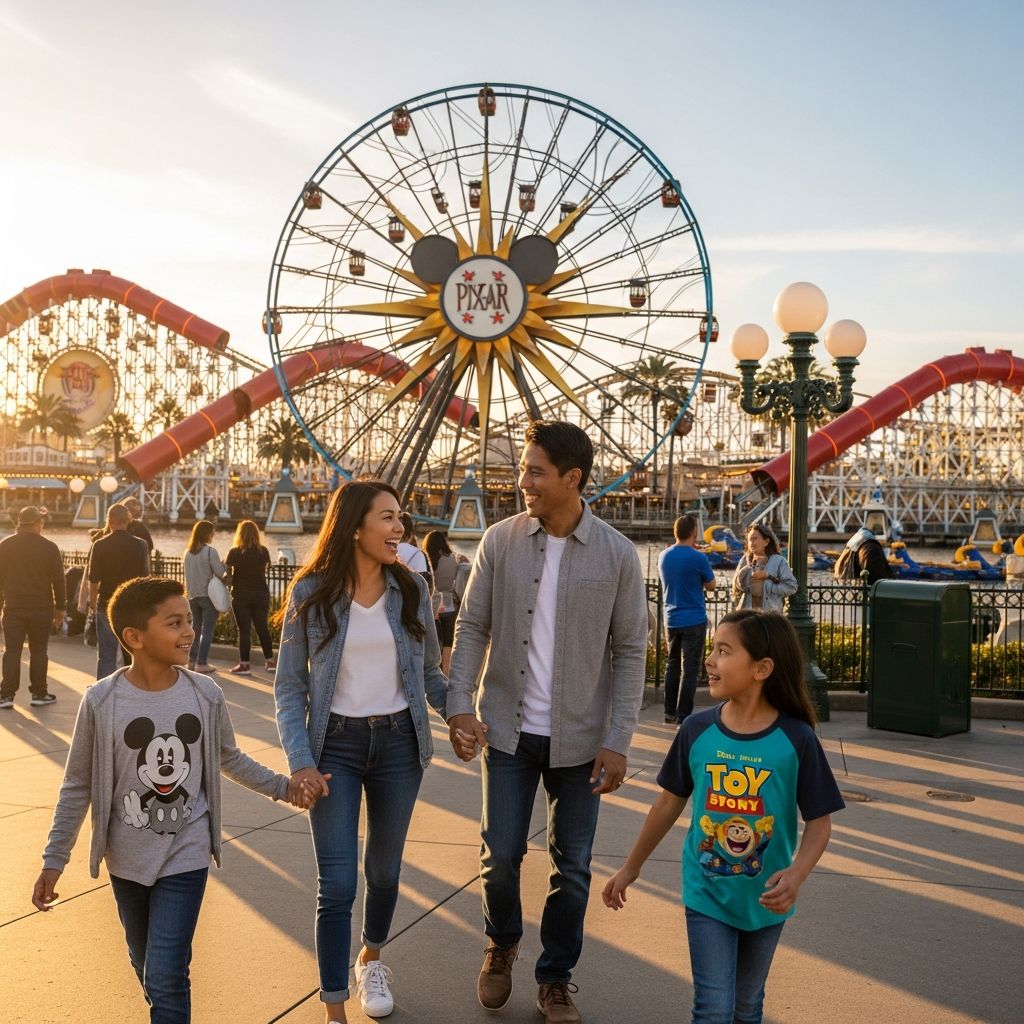
Disney California Adventure Park can be a dream playground for kids, but only if the day is paced, planned, and tailored to their ages and personalities. This guide presents an entirely original approach, with new headings, organization, and explanations to help families enjoy the park without stress.
Instead of listing every attraction, this article focuses on how real families move through the park: what to ride first, where to pause and recharge, and how to turn a busy theme park into a memorable, kid-sized adventure.
Understanding the Park Through a Kid’s Eyes
Adults often think in terms of maps, ride lists, and dining reservations, while children experience Disney California Adventure as a series of intense moments: bright colors, loud music, exciting characters, and sudden crowds. Structuring the day around how children process stimulation can make the entire visit smoother and happier.
- Young children tire quickly from noise and lines; they need frequent breaks and chances to run or play freely.
- Older kids and tweens care more about thrills and independence, but still benefit from a clear plan and expectations.
- Teens may be most excited about big coasters and immersive lands, yet they also appreciate photo spots, snacks, and time to explore on their own.
Thinking about the park in kid-centric “moments” instead of a rigid checklist will make it easier to pivot when someone melts down or falls in love with a surprise attraction.
Morning Strategy: Your Golden Hours
The first two or three hours after opening are the most valuable of the day for families. Lines are shorter, the sun is usually kinder, and kids are more patient. A smart morning strategy lets you experience several headliner attractions before the crowds swell.
Step-by-Step Morning Flow
- Arrive early: Aim to be at the security checkpoint 45–60 minutes before the posted park opening. Being among the first inside dramatically reduces wait times for popular rides.
- Pick one “anchor” area: Decide ahead of time whether your family will start in a thrill-heavy area or a gentler land. Avoid bouncing from one side of the park to the other; walking takes more time than most first-timers expect.
- Ride, then snack: Complete two or three rides while lines are shortest, then pause for a snack and bathroom break before kids crash.
Think of your morning as the main opportunity to secure must-do rides. Afternoons can be more relaxed, focusing on shows, play areas, and repeat favorites.
Best Attractions by Age Group
Every child is different, but grouping attractions by general age and temperament can help avoid scary surprises or boredom. Use the suggestions below as a loose guide, not a strict rulebook.
For Babies and Toddlers
Babies may not remember the trip, but they respond strongly to motion, color, and music. Toddlers are often happiest on slower rides with simple stories and recognizable characters.
- Choose gentle, slow-moving attractions with bright visuals and simple narratives.
- Seek out indoor shows or theaters during the hottest hours for built-in naptime or quiet time.
- Use stroller-friendly routes and avoid long, unshaded queues whenever possible.
For Preschoolers and Early Elementary Kids
Kids in this range often want to “do it all” but may become overwhelmed quickly. Prioritize a mix of rides, character sightings, and chances to move their bodies between waits.
- Alternate between rides and non-ride activities like play areas or character greeting spots.
- Talk through ride intensity beforehand, using simple descriptions rather than playing down fears.
- Use height requirement charts ahead of time so kids aren’t surprised or disappointed at the entrance.
For Tweens and Teens
Older kids usually want more thrills, more say in the schedule, and more time with their favorite franchises, whether that means superheroes, Pixar stories, or unique coaster experiences.
- Let them help build the ride priority list, then agree on a few non-negotiable family activities together.
- Consider using single-rider lines if everyone is comfortable splitting up temporarily to save time.
- Balance thrill rides with at least a few slower attractions or shows to avoid burnout from constant adrenaline.
Sample Half-Day Schedules for Families
These example itineraries are designed for flexibility, not perfection. Adjust based on actual wait times, your park entry time, and your kids’ moods and energy levels.
Morning-Focused Family Plan (Approx. 8:00 a.m.–1:00 p.m.)
- Opening hour: Go directly to your top priority ride in your chosen starting land. Complete one or two major attractions while lines are shortest.
- Late morning: Shift to slightly less popular rides nearby, plus a snack stop and bathroom break.
- Midday: Transition to an indoor show, theater, or sit-down meal around lunchtime to rest feet and escape midday heat.
Afternoon and Evening Plan (Approx. 2:00 p.m.–8:00 p.m.)
- Early afternoon: Focus on interactive areas and playground-style attractions. Let kids run, climb, or explore freely after the more structured morning.
- Late afternoon: Re-ride any favorites with manageable waits and enjoy a snack or early dinner.
- Evening: Choose between a nighttime show, one last big ride, or a relaxed lap around the park to soak in the lights and atmosphere.
Break Spots, Play Spaces, and Quiet Corners
One of the most underrated skills in theme-park parenting is knowing where to pause. Strategic breaks not only prevent meltdowns but also create spontaneous moments of joy, such as finding a shaded bench with a great view or a tucked-away corner where a toddler can toddle safely.
- Seek out interactive trails, themed walk-throughs, or playground-style areas where kids can climb or crawl while adults sit nearby.
- Use air-conditioned restaurants or indoor attractions as “cool-down zones” rather than treating them simply as meals or shows.
- Look for quieter side paths and less busy walkways to navigate when everyone needs a breather from crowds.
Food, Snacks, and Hydration Strategies
Hungry kids unravel quickly in a theme park environment, and adults aren’t much better. A thoughtful food plan can prevent crankiness and give everyone something to look forward to throughout the day.
Smart Snack Tactics
- Offer a small snack while waiting in line for a headliner ride. This turns waiting into something positive instead of boring.
- Pack simple, non-messy items like crackers or dried fruit if permitted, then supplement with fun in-park treats.
- Carry refillable water bottles and encourage small, frequent sips instead of occasional chugging to avoid dehydration.
Meals Without Meltdowns
- Eat slightly earlier or later than the typical lunch and dinner rush to minimize time spent in line for food.
- Check menus in advance so kids know what to expect and picky eaters can spot familiar options.
- When possible, choose locations with outdoor seating or views of interesting areas to keep kids engaged while they eat.
Planning for Different Temperaments
No two kids handle theme parks the same way. Some want to race toward the tallest roller coaster, while others are unnerved by anything dark, loud, or fast. Planning with temperament in mind will make the experience more enjoyable for everyone.
| Temperament Type | Good First Ride Choices | Avoid Early In The Day | Helpful Tips |
|---|---|---|---|
| Cautious or Shy | Bright, gentle rides with clear outdoor views and simple motion. | Dark, loud attractions and anything with major drops. | Watch ride vehicles arrive and depart before boarding; describe what will happen step by step. |
| Sensory-Seeking | Moderate thrill rides and interactive attractions where they can move and play. | Back-to-back high-intensity rides without breaks. | Alternate intense experiences with calmer ones to avoid overstimulation or fatigue. |
| Easily Overwhelmed | Short, predictable rides and gentle shows with clear exits. | Long indoor queues with heavy sound effects or flashing lights. | Carry noise-reducing headphones or familiar comfort items, and identify exit paths in advance. |
| Adventurous | Thrill rides within their height and comfort level. | Overly repetitive slow rides that can lead to boredom. | Let them help choose the ride order but set limits on how many intense attractions you’ll do in a row. |
Character Encounters and Photo Opportunities
For many kids, meeting a favorite character or snapping the perfect family photo becomes the emotional highlight of the trip. These moments can be just as important as any ride—and often much easier to enjoy if you know how to approach them calmly.
- Explain ahead of time that characters may rotate or take breaks, so children are prepared for the possibility of waiting or missing a specific hero or princess.
- Keep autograph books, pens, or photo props where adults can reach them quickly without digging through bags at the last second.
- Encourage shy kids to wave from a distance first, then build up to standing next to a character as they gain confidence.
Nighttime Shows With Young Kids
Nighttime entertainment at Disney California Adventure can be spectacular, but it also demands late-day stamina and patience. Families with small children need to weigh the magic of water, light, and projections against the realities of bedtimes and long days.
- Decide early in the day whether you will stay for a nighttime show and pace your activities accordingly, including an afternoon nap or hotel break if possible.
- Arrive early enough to secure a comfortable spot with a clear view, but bring quiet activities or snacks to keep kids occupied while waiting.
- Have an exit plan in mind to navigate post-show crowds, especially if you are pushing a stroller or supervising multiple children.
What to Pack for a Kid-Friendly Park Day
Packing light is important, but packing smart is essential. The goal is to prepare for the most common family hiccups—spills, scrapes, sun, and sudden temperature shifts—without hauling a suitcase around the park.
- Lightweight layers for everyone, including a thin jacket or hoodie for cooler evenings.
- A compact first-aid kit with bandages, pain reliever appropriate to your children’s ages, and basic blister care.
- Sun protection: hats, sunscreen, and sunglasses sized for small faces.
- Small entertainment items like stickers or mini coloring pads for long waits.
- Portable charger for phones so you can access tickets, photos, and park apps all day.
Frequently Asked Questions
How long should families spend at Disney California Adventure?
Most families with younger children can experience a satisfying mix of attractions, shows, and playtime in a single full day, especially with an organized morning plan. Families with thrill-seeking teens or those who like to move slowly may prefer a day and a half or two partial days to repeat favorite rides and relax between activities.
Is Disney California Adventure better than Disneyland for kids?
Neither park is universally “better”; each offers a different flavor of Disney magic. Disneyland tends to emphasize classic characters and nostalgia, while Disney California Adventure feels more contemporary and cinematic, with an emphasis on movies, superheroes, and Pixar stories.
Can small children enjoy the park if they cannot ride big attractions?
Yes. Even without large thrill rides, young kids can enjoy gentle attractions, character meet-and-greets, interactive play spaces, parades, and nighttime shows. The key is to shift expectations away from counting how many rides you do and toward celebrating individual moments of joy.
Do we really need to arrive before opening?
Arriving early is not strictly required, but it dramatically improves the experience for most families. Early arrivals mean shorter lines, cooler temperatures, and a calmer atmosphere, which helps children stay patient and positive throughout the day.
Is a mid-day hotel break worth the extra walking?
For families staying close to the park, a mid-day break can transform the rest of the day, especially in hot weather or with toddlers and preschoolers. A nap, swim, or quiet hour away from crowds often leads to a second wind that carries kids happily through the evening.
Making Your Own Disney California Adventure Story
No article, guide, or checklist can predict exactly how your children will react to every ride, character, or show. The true success of a Disney California Adventure day lies not in hitting every attraction, but in creating a story your family will tell for years: the first brave ride, the unexpected favorite snack, the funny photo, or the quiet moment resting together under twinkling lights.
By planning around your kids’ ages and temperaments, pacing your day thoughtfully, and leaving space for spontaneity, you can turn this energetic park into a place where children feel both excited and safe—and where the adults get to have some fun, too.