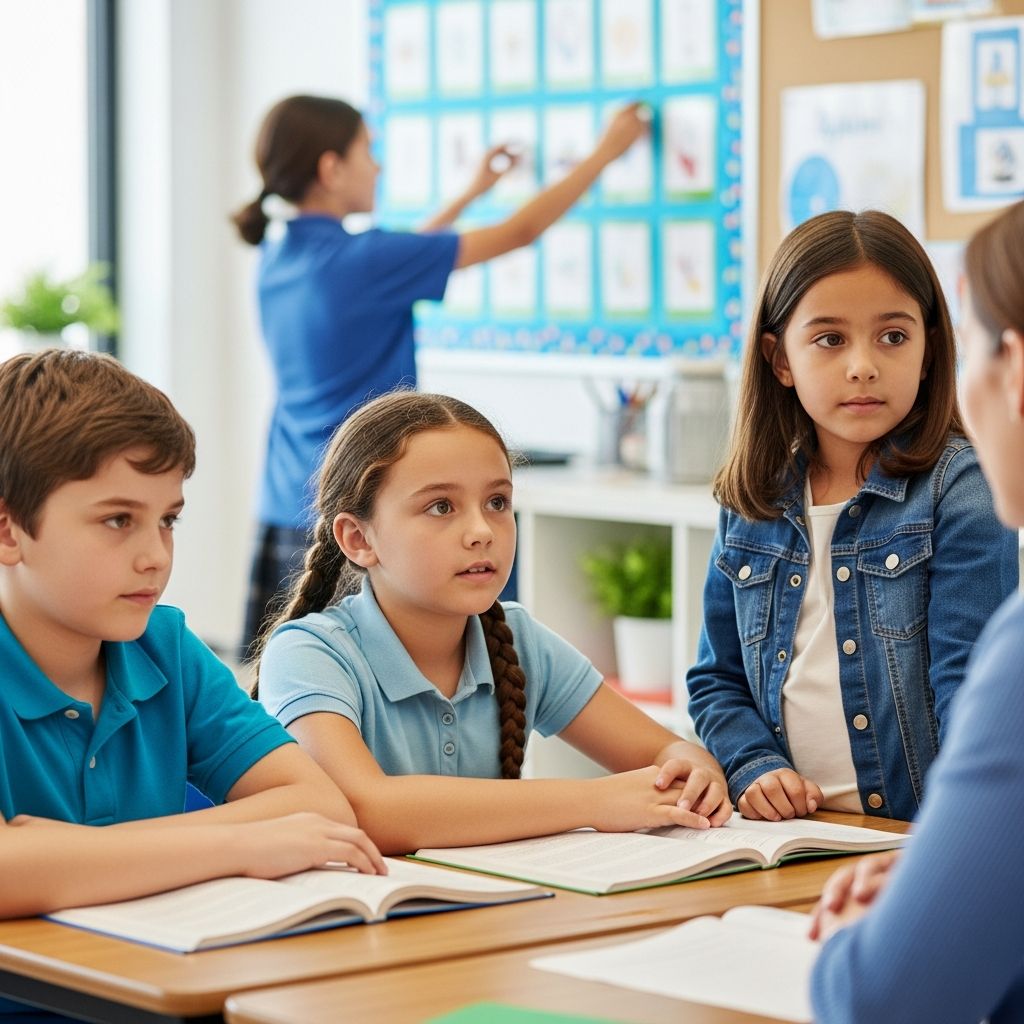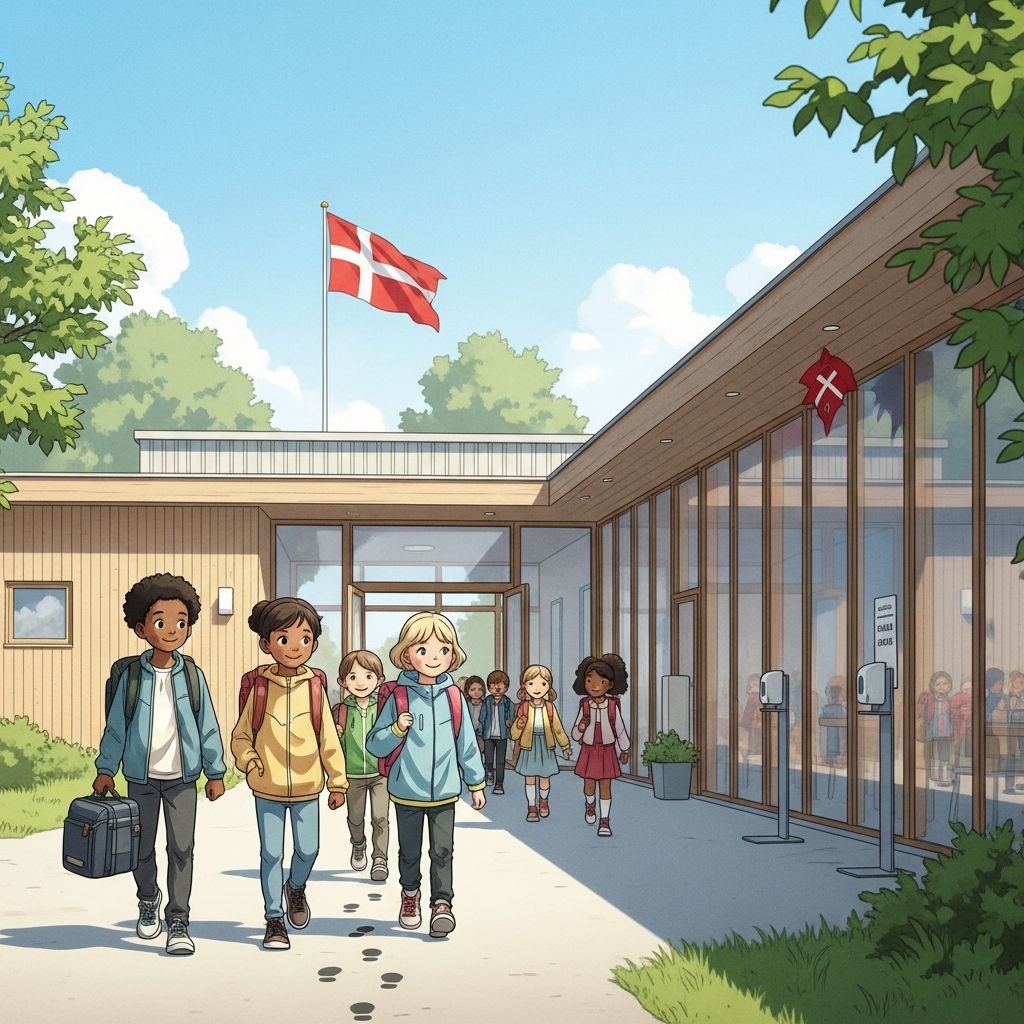
Denmark stands out as a global leader in resuming in-person schooling during the COVID-19 pandemic, earning high praise from experts for its balanced, evidence-based approach. By prioritizing low community transmission rates and implementing practical safeguards, the country minimized health risks while upholding children’s right to education.
Why Denmark’s Model Excels in Pandemic Recovery
Denmark’s success stems from a nationwide strategy that integrated public health data with educational equity. Schools closed briefly in March 2020 but reopened gradually starting April 15 for younger students, reflecting emerging evidence that children transmit the virus less than adults. This decision contrasted with prolonged closures elsewhere, allowing Danish students to regain learning momentum early.
Key to this triumph was central government coordination with local municipalities, enabling tailored implementations. Unlike decentralized systems prone to inconsistency, Denmark’s unified guidelines from the National Board of Health ensured uniformity in hygiene protocols and cohort groupings. Positivity rates remained low—under 2% at reopening—far below thresholds in high-risk nations.
Step-by-Step Blueprint: Denmark’s Phased Reopening
- Phase 1 (April 15): Preschools and primary grades (0-5) returned with shortened days (4-5 hours) and strict distancing. Class sizes halved, and outdoor activities maximized.
- Phase 2 (May 10): Secondary schools (grades 6-10) followed, maintaining similar restrictions. No masks required for students, emphasizing ventilation and hygiene.
- Full Operations (June): Expanded hours and group sizes as cases stabilized, with monitoring for outbreaks.
Parents appreciated the structure, though some protested initially over safety. Post-reopening surveys showed high satisfaction among students and teachers, with minimal disruptions.
Comparative Analysis: Denmark vs. Other Nations
Denmark outperformed peers by reopening first in Europe amid controlled infections. Here’s a breakdown:
| Country | Reopening Date | Key Measures | Outcomes |
|---|---|---|---|
| Denmark | April 15, 2020 | Staggered by age, halved classes, no masks for kids | No major outbreaks; steady case decline |
| Sweden | Never fully closed | Voluntary attendance, trusted local judgment | Low school transmission; higher community cases |
| Finland | May 1, 2020 | Early childhood first; rights-based decision | Smooth transition; minimal infections |
| Netherlands | May 11, 2020 | Halved classes post-case drop | No linked surges |
| Israel | May 2020 | Full classes with masks; school closures on cases | Some localized outbreaks |
Denmark’s low positivity rate (under 1% at start) enabled bolder steps than Israel’s, where higher rates led to temporary shutdowns. Sweden’s non-closure relied on herd dynamics but faced criticism for broader mortality impacts.
Safety Protocols That Made the Difference
Denmark avoided universal masking for children under 12, citing discomfort and limited efficacy evidence, instead focusing on high-impact measures:
- Hygiene stations at entrances with hand sanitizer and temperature checks.
- Cohort “bubbles” limiting mixing to 12 students per group.
- Enhanced cleaning and ventilation, prioritizing outdoor learning.
- Quarantine for exposed classes only, not entire schools.
These steps contained transmission effectively; seroprevalence studies found negligible school-based spread. Teachers over 65 remained remote initially, protecting vulnerable staff.
Learning Loss Mitigation and Equity Focus
Beyond safety, Denmark addressed educational gaps proactively. Remote learning during closures used digital platforms, but in-person return targeted vulnerable groups like low-income or special needs students first. Government subsidies covered devices for 20% of families lacking access, preventing digital divides.
By fall 2020, national assessments showed minimal learning regression compared to pre-pandemic baselines, unlike countries with extended closures. This underscores reopening’s role in recovery; UNESCO estimates prolonged shutdowns cost 1.5 billion students critical progress.
Challenges Overcome and Early Hurdles
Not without friction: Unions voiced concerns, prompting parental opt-outs (10-20% initially). Protests in Copenhagen highlighted teacher fears, but data transparency—daily case dashboards—built trust. Adjustments like flexible scheduling resolved most issues within weeks.
Compared to U.S. debates, where funding threats complicated decisions, Denmark’s apolitical process emphasized constitutional education rights. This fostered buy-in across stakeholders.
Global Lessons for Future Pandemics
Denmark’s playbook offers timeless strategies:
- Wait for Low Transmission: Reopen only below 1-2% positivity.
- Age-Based Prioritization: Youngest first, as they suffer most from closures.
- Local Flexibility: National guidelines with municipal adaptation.
- Data-Driven Monitoring: Real-time tracking to pause if needed.
- Equity Interventions: Support for at-risk students.
Over 140 countries eventually reopened similarly by 2021, validating these tactics amid variants. U.S. districts adopting hybrid models echoed Danish phasing successfully.
Long-Term Impacts on Child Development
Studies post-reopening affirm benefits: Mental health improved with peer interactions, physical activity rose 30%, and academic engagement rebounded. Conversely, prolonged remote learning elsewhere linked to anxiety spikes (25% increase) and skill gaps.
Denmark’s model protected not just physical health but holistic development, proving schools as essential infrastructure.
Frequently Asked Questions
Why did Denmark reopen schools so early?
Low infection rates and evidence of low child transmission allowed a gradual return, prioritizing education rights over indefinite closures.
Were masks mandatory in Danish schools?
No, for students; focus was on distancing and hygiene, as masks proved less effective for young children.
Did outbreaks occur after reopening?
Minimal; isolated class quarantines sufficed, with no school-wide surges.
How does Denmark compare to the U.S.?
Denmark’s unified, low-case context enabled fuller reopenings; U.S. variability required more hybrids.
What about learning recovery?
Quick resumption minimized losses; targeted supports aided vulnerable groups.
Expert Endorsements and Ongoing Research
Organizations like Brookings and UNESCO laud Denmark’s outcomes, with surveys from 72 countries citing it as a benchmark. World Bank data shows reopened nations recovered faster, reinforcing proactive policies.
References
- More Than 20 Countries Are Reopening Schools. The U.S. Should Take Note — The Heritage Foundation. 2020-07-15. https://www.heritage.org/education/commentary/more-20-countries-are-reopening-schools-the-us-should-take-note
- Reopening the World: Reopening schools—Insights from Denmark and Finland — Brookings Institution. 2020-05-01. https://www.brookings.edu/articles/reopening-the-world-reopening-schools-insights-from-denmark-and-finland/
- The Conversation: How other countries reopened schools during the pandemic — University of Richmond. 2020-08-01. https://news.richmond.edu/features/article/-/18717/the-conversation-how-other-countries-reopened-schools-during-the-pandemic—and-what-the-us-can-learn-from-them.html
- Reopening Schools During COVID-19: Lessons Learned From Around the World — Education Week. 2020-08-01. https://www.edweek.org/leadership/reopening-schools-during-covid-19-lessons-learned-from-around-the-world/2020/08
- Reopening Schools: Lessons from Abroad — Commonwealth Fund. 2020-07-01. https://www.commonwealthfund.org/blog/2020/reopening-schools-lessons-abroad
- Schools Are Opening Worldwide, Providing a Model for the U.S. — Edutopia. 2020-07-01. https://www.edutopia.org/article/schools-are-opening-worldwide-providing-model-us/
- Current research on school reopening — UNESCO Chair GHE. 2021-10-01. https://unescochair-ghe.org/resources/covid-19-and-schools/current-research-on-school-reopening/
- Notes on School Reopening and Learning Recovery — World Bank. 2021-04-30. https://www.worldbank.org/en/news/factsheet/2021/04/30/notes-on-school-reopening-and-learning-recovery