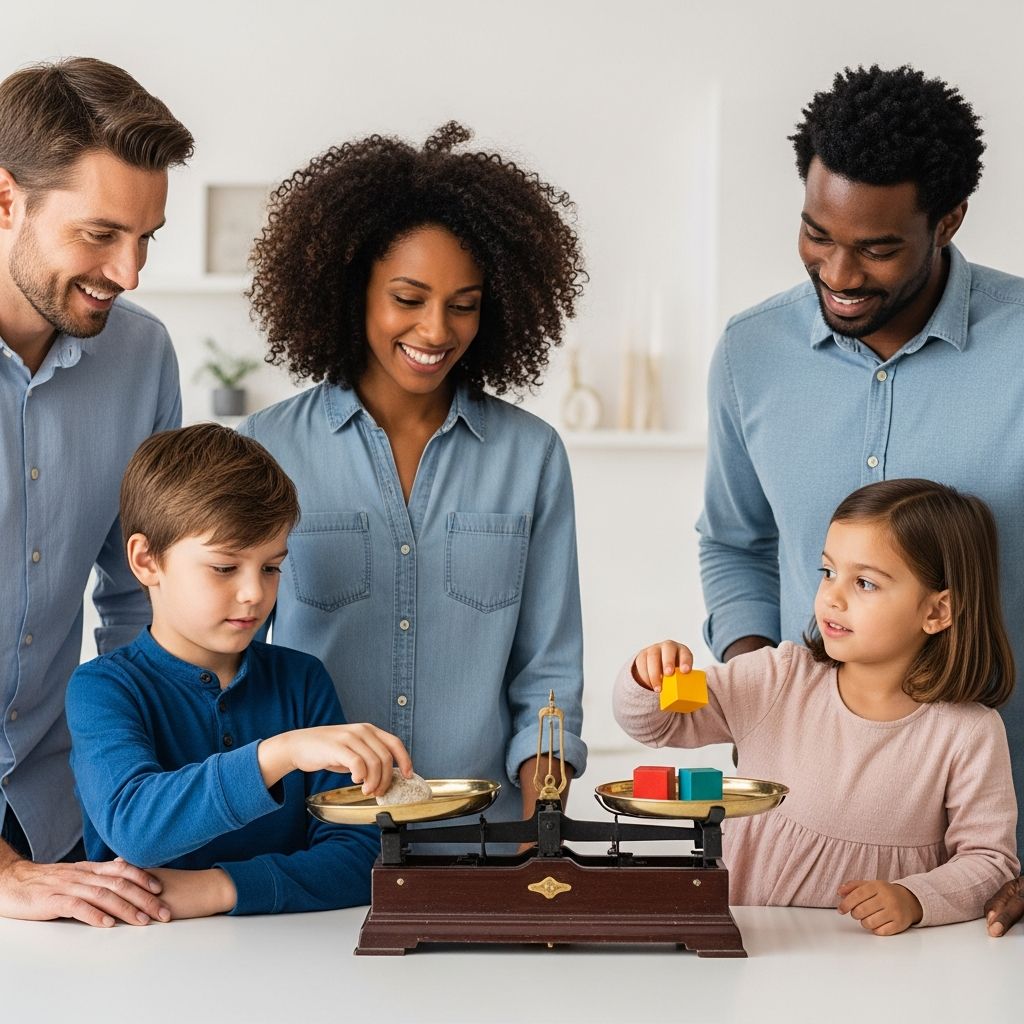
Democratic parenting stands out as a nurturing yet structured method that treats children as valued family members with voices worth hearing. Parents establish firm expectations while inviting input, creating homes filled with respect and collaboration. This approach, often synonymous with authoritative parenting in psychological terms, equips kids with the tools for lifelong success.
Core Principles of Democratic Parenting
At its heart, democratic parenting relies on a foundation of mutual respect and consistent communication. Parents provide emotional support alongside clear rules, explaining the reasoning behind decisions to help children understand and internalize values. This balance encourages kids to develop autonomy without chaos, as they learn boundaries are for everyone’s benefit.
Key elements include active listening, where parents validate feelings before guiding behavior, and age-appropriate involvement in choices. For instance, toddlers might pick between two outfits, while teens negotiate curfews. This method models democratic processes in miniature, teaching negotiation and accountability early on.
- Mutual Respect: Every family member, regardless of age, deserves consideration in discussions.
- Clear Boundaries: Rules are non-negotiable but explained transparently.
- Open Dialogue: Conversations focus on understanding emotions and perspectives.
- Shared Responsibility: Children contribute to household decisions and chores.
How Democratic Parenting Differs from Other Styles
Understanding democratic parenting requires comparing it to alternatives identified in developmental psychology. Diana Baumrind’s framework outlines four main styles, each with distinct traits and outcomes.
| Style | Warmth Level | Control Level | Typical Child Outcomes |
|---|---|---|---|
| Democratic (Authoritative) | High | High | Strong self-esteem, social skills, independence |
| Authoritarian | Low | High | Obedience but potential anxiety, low self-confidence |
| Permissive | High | Low | Poor self-regulation, impulsivity |
| Neglectful | Low | Low | Emotional issues, low achievement |
Unlike authoritarian styles that demand compliance without explanation, democratic parenting explains ‘why,’ reducing rebellion. It avoids permissive leniency by upholding standards, preventing entitlement.
Implementing Democratic Parenting Across Childhood Stages
Adapting this style to developmental phases ensures relevance and effectiveness. Tailoring strategies builds progressively stronger skills.
Early Childhood: Building Foundations
For toddlers and preschoolers, focus on simple choices to foster decision-making. During outbursts, acknowledge emotions—”I see you’re upset about sharing”—then enforce limits kindly. Involve them in routines like setting the table to instill responsibility.
- Offer two options: “Apple or banana for snack?”
- Use natural consequences: “If we don’t clean up, playtime ends.”
- Praise efforts: “Great job helping with dishes!”
Middle Childhood: Encouraging Collaboration
School-aged kids thrive with family meetings to discuss rules and chores. Negotiate screen time based on completed tasks, promoting fairness. Encourage problem-solving, like resolving sibling disputes through mediated talks.
This stage hones communicative skills, as children justify preferences and listen to others, mirroring real-world interactions.
Adolescence: Fostering Autonomy
Teens benefit from negotiated privileges, such as later bedtimes for proven reliability. Maintain availability for honest talks on peer pressure or academics, offering guidance without dictating. This respects growing independence while providing a safety net.
Proven Benefits Backed by Research
Extensive studies affirm democratic parenting’s superiority for child outcomes. Children exhibit higher self-esteem, better academic performance, and stronger social competence. They develop emotional intelligence, managing feelings effectively due to modeled regulation.
Long-term advantages include resilience and reduced behavioral issues. A study on parental sensitivity linked democratic beliefs to responsive behaviors, curbing externalizing problems. Kids feel the “Crucial C’s”: connection, capability, courage, and counting—essential for well-adjusted adults.
- Academic Success: Higher motivation and grades from internalized discipline.
- Social Skills: Empathy and conflict resolution through practice.
- Mental Health: Lower anxiety, greater life satisfaction.
Practical Strategies for Everyday Democratic Parenting
Transitioning requires intentional habits. Start family councils weekly to air grievances and plan. Use “I” statements: “I feel worried when homework lingers,” inviting solutions.
Handle missteps as learning: Discuss what went wrong and brainstorm fixes, avoiding shame. Consistency matters—rules apply equally, with flexibility for circumstances.
- Hold regular check-ins for input.
- Model calm communication.
- Assign age-suited chores.
- Celebrate contributions.
Challenges like pushback are normal; view them as growth opportunities. Persistence yields cooperative, confident kids.
Real-Life Examples of Democratic Parenting in Action
Consider a preschooler refusing bedtime. A democratic parent might say, “Bedtime is 8 PM for rest. Choose: story or song first?” This honors preference within limits.
For a tween eyeing extra screen time: “Earn 30 minutes by finishing chores first—fair?” Teens debating outings: Jointly set terms, like check-ins, building trust.
These vignettes show how the style transforms conflicts into connections, emphasizing understanding over authority.
Frequently Asked Questions About Democratic Parenting
Is democratic parenting the same as permissive parenting?
No. Democratic maintains firm rules with explanations, while permissive lacks structure, leading to fewer boundaries.
Can this style work for strong-willed children?
Yes, it channels energy positively through involvement, reducing defiance via respect and clear expectations.
How do I start family meetings?
Keep them short, 15-30 minutes weekly. Use a talking stick for turns, covering positives, issues, and plans.
What if my child ignores rules despite discussions?
Apply consistent, logical consequences and revisit reasoning calmly. Rebuild through positive reinforcement.
Does democratic parenting reduce discipline needs?
It minimizes issues by teaching self-control, though boundaries remain essential.
Overcoming Common Hurdles in Democratic Homes
Parents may struggle with consistency amid busy lives or co-parenting differences. Align on core rules and communicate unitedly. If fatigue sets in, prioritize high-impact routines like meals for dialogue.
Siblings competing for voice? Rotate speaking order. Over time, this cultivates harmony and equity.
Ultimately, democratic parenting invests in relational wealth, yielding independent thinkers who value community.
References
- Democratic parenting style definition — Scot Hampton. 2023. https://scothampton.com/t/democratic-parenting-style-definition/307
- Democratic Parenting: Raising Confident, Independent Kids — Kidslox. 2024. https://kidslox.com/guide-to/democratic-parenting/
- Democratic Parenting — Sustainability Directory. 2023. https://lifestyle.sustainability-directory.com/term/democratic-parenting/
- Democratic parenting style: freedom of choice for your child — Greator. 2024. https://greator.com/en/democratic-style-of-education/
- Democratic Parenting Style: What It Is and How to Practice It — PEP Parent. 2023. https://pepparent.org/democratic-parenting-style-what-it-is-and-how-to-practice-it/
- Understanding the Four Parenting Styles — Brighter Futures Indiana. 2024. https://brighterfuturesindiana.org/blog/understanding-the-four-parenting-styles-and-how-they-affect-your-childs-development
- Democratic Parenting Beliefs and Observed Parental Sensitivity — PMC. 2016-10-13. https://pmc.ncbi.nlm.nih.gov/articles/PMC5064950/