Why Babbling Matters in Early Childhood
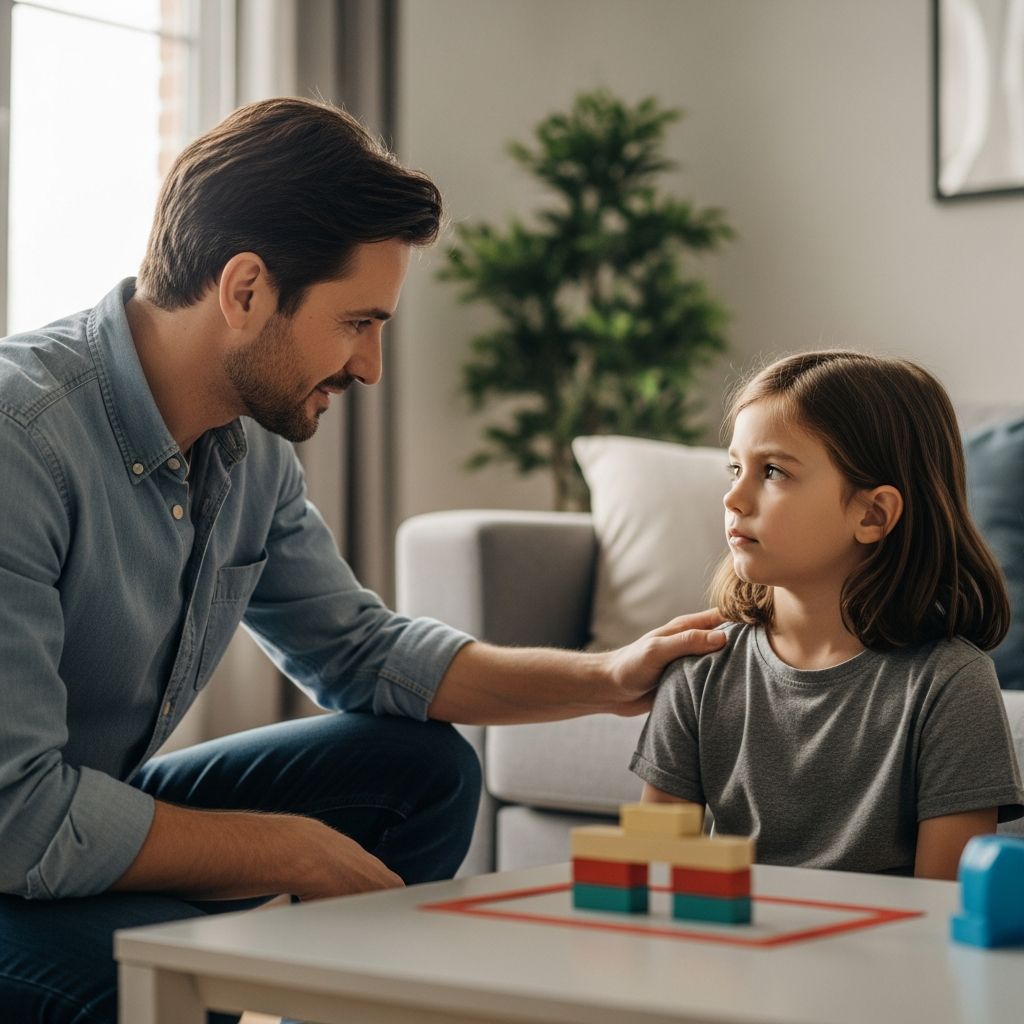
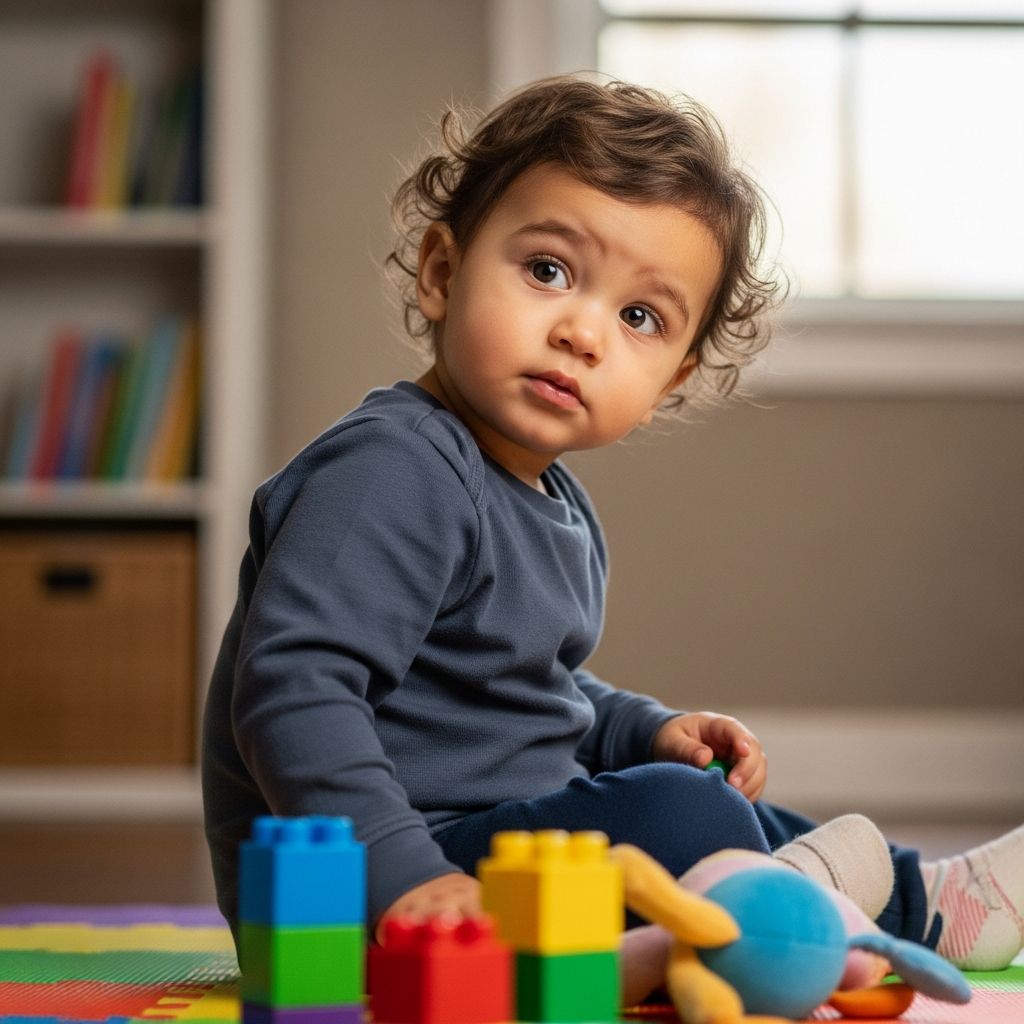
Babbling is a critical milestone in a child’s early language development. It marks the beginning of vocal experimentation and lays the foundation for future speech and communication skills. When a toddler does not babble as expected, it can be a sign that further evaluation is needed to ensure healthy development.
Typical Language Milestones by Age
Understanding what is typical at each stage helps parents recognize when a child might be falling behind. Here are key milestones for toddlers:
- 4–6 months: Responds to sounds, laughs, squeaks, and babbles a series of syllables.
- 7–12 months: Recognizes family members, responds to their name, and may say one or more words.
- 12–18 months: Uses about 15 meaningful words, points to pictures, and begins to imitate gestures.
- 18–24 months: Uses short sentences, names common objects, and understands 200–300 words.
- 2–3 years: Combines words into short sentences, uses pronouns, and is understood by most people.
Signs of Delayed Babbling
Delayed babbling can be identified by several signs, including:
- Not responding to sounds or their name by 6–12 months.
- Not attempting to communicate with babbling, gestures, or words by 12 months.
- Not using any single words by 18 months.
- Not combining two words together by 2 years.
- Not following simple instructions or pointing to body parts when asked.
Common Causes of Delayed Babbling
There are several reasons why a toddler may not babble as expected:
- Hearing issues: Undetected hearing loss can prevent a child from responding to sounds and developing speech.
- Developmental delays: Conditions such as autism spectrum disorder or global developmental delay may affect language acquisition.
- Environmental factors: Limited exposure to language, lack of interaction, or insufficient stimulation can slow progress.
- Medical conditions: Certain neurological or genetic disorders may impact speech development.
When to Seek Professional Help
Parents should consult a pediatrician or speech-language pathologist if their child shows any of the following:
- No babbling by 9 months.
- No single words by 18 months.
- No two-word phrases by 2 years.
- Difficulty understanding simple instructions.
- Concerns about hearing or social interaction.
Early intervention is key to supporting healthy language development and addressing any underlying issues.
Supporting Language Development at Home
Parents can help foster language skills through everyday activities:
- Engage in frequent conversation and respond to your child’s attempts to communicate.
- Read books together and point to pictures, naming objects and actions.
- Encourage imitation by repeating sounds and words.
- Play games that involve naming, pointing, and following simple instructions.
- Limit screen time and prioritize interactive play.
What to Expect from a Professional Evaluation
A speech-language pathologist will assess your child’s:
- Understanding of language and ability to follow instructions.
- Speech production and clarity.
- Use of gestures and nonverbal communication.
- Hearing abilities.
Based on the evaluation, they may recommend therapy, further testing, or strategies for home support.
FAQs About Toddler Babbling and Language Development
What is considered normal babbling?
Normal babbling includes repeating syllables like “ba-ba” or “ma-ma,” varying pitch and volume, and responding to sounds and voices.
Can delayed babbling be a sign of autism?
Delayed babbling can be one of several early signs of autism, but it is not definitive. Other signs include limited eye contact, lack of interest in social interaction, and repetitive behaviors.
How can I encourage my toddler to babble more?
Engage in face-to-face interaction, repeat sounds, read books, and play games that involve naming and pointing.
When should I worry about my toddler’s speech?
Consult a professional if your child is not babbling by 9 months, not using words by 18 months, or not combining words by 2 years.
Is delayed babbling always a sign of a problem?
Not always. Some children develop at their own pace, but persistent delays should be evaluated to rule out underlying issues.
Conclusion
Delayed babbling in toddlers can be a cause for concern, but understanding typical milestones and seeking timely help can make a significant difference in a child’s language development. Parents play a vital role in supporting their child’s communication skills through interaction, play, and professional guidance when needed.