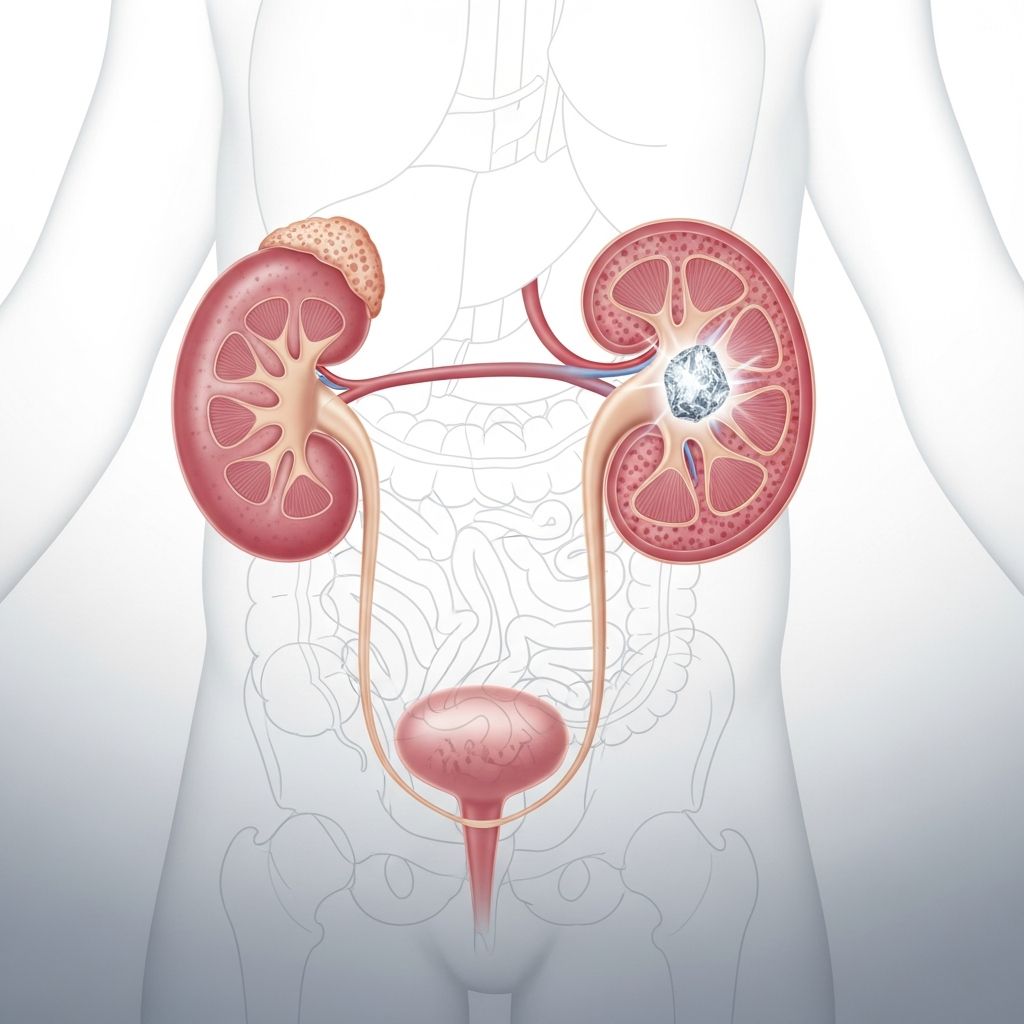
Dehydration happens when a child’s body loses more fluids than it takes in, disrupting normal functions and potentially leading to serious health issues. Young children, especially infants, are at higher risk due to their smaller fluid reserves and higher metabolic needs. This guide equips parents with knowledge to identify, manage, and prevent dehydration effectively.
Why Children Face Higher Dehydration Risks
Infants and toddlers have a greater body surface area relative to their size, leading to increased fluid loss through skin and breathing. Their faster metabolism also accelerates water needs. Unlike adults, children may not recognize or express thirst promptly, exacerbating the problem during illnesses.
- Higher percentage of body water that depletes quickly.
- Inability to self-hydrate during play or sickness.
- Common illnesses like gastroenteritis cause rapid fluid shifts.
Globally, dehydration from diarrheal diseases remains a top cause of mortality in children under 5, particularly in areas with limited healthcare access.
Common Triggers of Fluid Loss in Kids
Several factors can tip children into dehydration, often combining to worsen outcomes. Gastrointestinal issues top the list, but environmental and activity-related causes also play roles.
| Cause Category | Examples | Impact on Children |
|---|---|---|
| Gastrointestinal | Diarrhea, vomiting | Rapid, large-volume fluid loss; doubles risk if both occur |
| Illness-Related | Fever, infections | Increased insensible losses via sweat and breathing |
| Environmental | Heat, excessive sweating | Common during outdoor play without adequate fluids |
| Other | Diabetes, burns, poor intake | Metabolic disorders or inadequate drinking habits |
Even mild events like a single vomit episode or hot weather play can accumulate losses if not addressed.
Spotting the Warning Signs by Age Group
Dehydration manifests differently across ages. Parents should monitor infants closely, as subtle changes signal trouble faster.
Infants (Birth to 1 Year)
- No wet diapers for 3+ hours or fewer than 6 per day
- Sunken fontanelle (soft spot on head), eyes, or cheeks
- No tears when crying; dry mouth and lips
- Irritability or unusual drowsiness
Toddlers (1-3 Years)
- Dark, strong-smelling urine; reduced output
- Dry tongue, lips; cool extremities
- Fewer tears; fatigue or crankiness
- Sunken eyes; rapid heartbeat
Older Children (3+ Years)
- Extreme thirst; dizziness or lightheadedness
- Confusion, fainting, low energy
- Very dry mouth; urinating less often
- Low blood pressure; mottled skin
Track urine color and frequency daily—pale yellow indicates good hydration; dark signals concern.
Understanding Severity Levels
Dehydration progresses from mild to severe, with escalating risks. Early intervention prevents hospitalization.
| Severity | Key Symptoms | Actions Needed |
|---|---|---|
| Mild | Thirst, dry lips/mouth, slightly less urine, fatigue | Oral fluids, monitor closely |
| Moderate | Decreased skin turgor, tachycardia, sunken eyes, irritability | Oral rehydration solution (ORS), frequent small sips |
| Severe | Lethargy, no urine 8+ hours, sunken fontanelle, rapid breathing, hypotension | Emergency care; IV fluids likely |
Severe cases demand immediate attention, as they can lead to shock or organ failure.
Effective Home Management Strategies
For mild to moderate cases, oral rehydration is first-line. Avoid plain water alone, as it lacks electrolytes.
- ORS Priority: Use pediatric formulas like Pedialyte; give 5-10 mL every 5 minutes for infants, scaling up for older kids.
- Small, Frequent Doses: Prevents vomiting; aim for 50-100 mL/kg over 4 hours initially.
- Food Choices: Water-rich options like watermelon, cucumber, broths, popsicles.
- Monitor Progress: Improved urine output and energy within hours signal success.
Continue breastfeeding or formula for infants. If vomiting persists, pause 10-15 minutes then resume slowly.
Prevention: Building Hydration Habits
Proactive steps reduce risks significantly, especially during high-risk periods.
- Offer fluids routinely: Water between meals, milk/formula as usual.
- Illness Prep: Start ORS at fever or diarrhea onset; extra 10% body weight in fluids daily.
- Activity Rules: Hydrate before, during, after play; 1-2 cups/hour in heat.
- Daily Checks: Ensure 6+ wet diapers (infants), regular pale urine (older kids).
Educate picky eaters on fun hydration—infuse water with fruit, use colorful cups.
When to Escalate to Professional Care
Not all cases resolve at home. Seek urgent help for:
- No urine 6-8 hours; unable to keep fluids down.
- Severe symptoms: Lethargy, rapid breathing, bluish skin.
- Persistent vomiting/diarrhea >24 hours; blood in stool.
- Signs of underlying issues like high fever or metabolic concerns.
ER visits may involve IV fluids, labs for sodium levels (isotonic, hypotonic, hypertonic classifications guide therapy). Trust pediatricians for tailored plans.
Frequently Asked Questions (FAQs)
Q: How much fluid does my child need daily?
A: Infants: 1-1.5 oz per pound; toddlers: 4-5 cups; school-age: 6-8 cups. Adjust up 10-20% during illness or heat.
Q: Is sports drink okay for dehydrated kids?
A: Dilute 1:1 with water for mild cases; prefer ORS for accuracy. Avoid sugary sodas.
Q: Can dehydration mimic other illnesses?
A: Yes, overlaps with fever, ear infections. Always check hydration status during sickness.
Q: What’s the fontanelle and why monitor it?
A: Soft skull spot in infants; sinking indicates 10%+ fluid loss—urgent sign.
Q: How to rehydrate after sports?
A: 16-24 oz per pound lost (weigh pre/post); include electrolytes if sweaty.
This guide empowers parents to safeguard their children’s hydration. Stay vigilant, act early, and consult professionals as needed.
References
- Pediatric Dehydration – StatPearls — NCBI Bookshelf / NIH. 2023-10-01. https://www.ncbi.nlm.nih.gov/books/NBK436022/
- Recognizing Dehydration Stages in Kids: A Parent’s Guide — Kidsville Pediatrics. 2023-08-15. https://www.kidsvillepeds.com/blog/1308801-from-mild-to-severe-recognizing-the-stages-of-dehydration-in-kids/
- Dehydration in children – Children’s Health Urgent Care — Children’s Health. 2024-02-20. https://www.childrens.com/specialties-services/conditions/dehydration
- Dehydration – Symptoms & causes — Mayo Clinic. 2024-05-15. https://www.mayoclinic.org/diseases-conditions/dehydration/symptoms-causes/syc-20354086
- Dehydration in Kids: Signs & Treatment — Lurie Children’s Hospital. 2023-11-10. https://www.luriechildrens.org/en/blog/dehydration-in-children/
- Dehydration — NHS. 2024-01-05. https://www.nhs.uk/conditions/dehydration/
- Signs of Dehydration in Children: When to Seek Pediatric Urgent Care — Just4Kids Health. 2023-09-22. https://just4kidshealth.com/signs-of-dehydration-in-children-when-to-seek-pediatric-urgent-care/