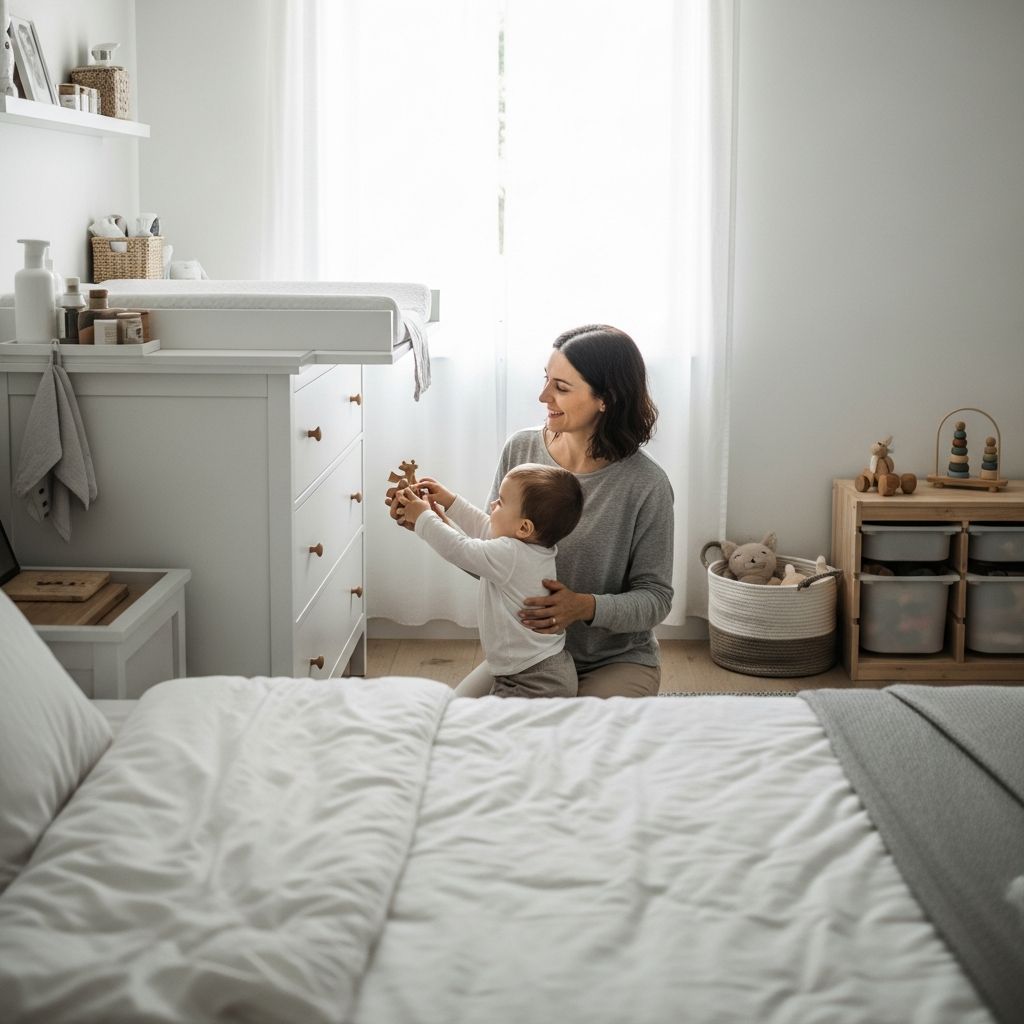
Simplifying your living space through decluttering fundamentally enhances parenting by creating a serene environment that supports emotional well-being, encourages child development, and streamlines daily family life. Parents who embrace minimalism report lower stress levels, more meaningful interactions with their children, and a household that runs more efficiently.
Understanding the Mental Health Boost from a Tidy Home
A cluttered home often elevates cortisol, the body’s primary stress hormone, leading to heightened anxiety for both parents and children. Research demonstrates that tidying spaces directly lowers these stress levels, promoting a sense of calm that permeates family interactions. For instance, engaging in short decluttering sessions can serve as a self-regulation tool, helping children manage frustration during homework or playtime by restoring emotional balance quickly.
This physiological response extends to parents, who find decision-making easier in organized surroundings. A study from Princeton University researchers found that visual clutter competes for attention, reducing focus and increasing irritability—common triggers for parental overwhelm. By prioritizing decluttering, families cultivate resilience against daily pressures, fostering a mental clarity that translates to patient, present parenting.
Building Essential Life Skills in Children Through Sorting
Involving kids in decluttering teaches them invaluable lessons in discernment and gratitude. As they sort toys and clothes, children learn to evaluate what truly brings joy, distinguishing between fleeting wants and lasting needs. This process instills the powerful skill of letting go, approached with appreciation for past use rather than regret, shaping healthier attitudes toward possessions into adulthood.
- Gratitude Practice: Prompt children to articulate reasons for releasing items, reinforcing positive memories and lessons learned.
- Decision-Making: Guides them to define ‘enough,’ curbing impulsive buying and promoting intentional choices.
- Responsibility: Assigns ownership over belongings, encouraging care and maintenance habits.
These skills extend beyond material items, aiding emotional regulation and adaptability in various life contexts.
Strengthening Family Bonds During Declutter Sessions
Decluttering together transforms a chore into a bonding ritual, free from screens and filled with open dialogue. As families reminisce over cherished items, children feel safe sharing deeper thoughts, building trust and emotional intimacy. Parents model non-judgmental support by focusing on the child’s perspective rather than cost or sentimentality tied to gifts.
This shared activity deepens relationships, creating narratives of generosity and growth. Regular sessions reinforce family unity, shifting dynamics from nagging about mess to collaborative maintenance of a harmonious home.
Practical Strategies for Decluttering with Young Ones
Success lies in age-appropriate involvement and realistic goals. Ditch perfectionism; aim for functional spaces tailored to your family’s current stage. Designate specific zones to contain chaos: a play nook for toys, a craft station for art supplies, and a quiet homework area.
| Zone | Purpose | Benefits |
|---|---|---|
| Play Area | Toys and games | Confines mess, eases cleanup |
| Homework Station | Books, supplies | Boosts focus, reduces distractions |
| Family Time Corner | Books, puzzles | Encourages bonding, relaxation |
Implement the ‘one in, two out’ rule to prevent accumulation: for every new item, two old ones depart via donation or discard. This keeps inventory lean as kids outgrow phases rapidly.
Establishing Routines That Sustain Simplicity
Consistency is crucial; schedule brief, 15-minute declutters quarterly, targeting one category like toys or wardrobe. Introduce a visible donation bin, framing contributions as acts of kindness to other families, which motivates participation.
Integrate daily habits: a 10-minute evening tidy-up resets the space for mornings, while streamlined routines ensure items return home promptly. These practices minimize buildup, freeing mental energy for joyful parenting moments.
Financial and Time Savings from Intentional Living
Clutter breeds redundant purchases; decluttering reveals duplicates, curbing overspending. Families gain hours weekly by skipping searches for misplaced items and reducing cleaning time. This efficiency allows more investment in experiences over stuff, aligning with minimalism’s emphasis on quality over quantity.
Children internalize these lessons, making savvy consumer decisions and appreciating abundance, which bolsters their sense of security and contentment.
Fostering Creativity and Focus in Clutter-Free Spaces
Limited toys spark deeper imagination; fewer options mean prolonged engagement with favorites, enhancing play quality. Clutter-free rooms reduce overstimulation, allowing sustained attention crucial for learning and development. Parents observe improved responsibility as kids maintain organized spaces, correlating with better academic performance and emotional stability.
The Science Behind a Peaceful Household
Environmental psychology links tidy surroundings to elevated mood, better sleep, and heightened productivity. A clutter-free home acts as self-care, amplifying self-worth through accomplishment and healthy habit formation. For parents, this translates to more energy for nurturing roles, breaking cycles of exhaustion.
Neuroscientific insights reveal that physical order mirrors mental order, reducing cognitive load and enabling presence with family. Long-term, these environments support holistic well-being, from immune boosts via gratitude practices to resilient family dynamics.
Frequently Asked Questions (FAQs)
Q: How do I start decluttering with resistant kids?
A: Begin small with their favorite category, like toys, using fun timers and rewards. Frame it as a game where they choose keepers, emphasizing joy and helping others.
Q: What’s the best frequency for decluttering sessions?
A: Aim for 15-minute bursts monthly, plus quarterly deep dives, adjusting for seasons like back-to-school or holidays.
Q: Does decluttering really save money?
A: Yes, by revealing what you own, it prevents duplicate buys and impulsive shopping, often leading to noticeable budget relief.
Q: How can zones help in a small home?
A: Use baskets, shelves, or wall organizers to create visual boundaries, keeping activities contained without needing extra space.
Q: What if perfectionism hinders progress?
A: Redefine success as ‘functional for now’; progress over perfection builds momentum and sustainable habits.
References
- The Many Mental Benefits of Decluttering — Psychology Today. 2023-02-15. https://www.psychologytoday.com/us/blog/the-resilient-brain/202302/the-many-mental-benefits-of-decluttering
- Effects of Clutter on Children’s Creativity — Princeton University Neuroscience Institute (via study reference). 2011-08-01. https://www.princeton.edu/news/2011/08/01/does-clutter-make-us-less-productive
- Cortisol and Environmental Stress — American Psychological Association. 2022-05-10. https://www.apa.org/monitor/2022/05/environmental-stress
- Minimalism and Family Dynamics — Neuroscience News. 2023-01-20. https://neurosciencenews.com/minimalism-stress-22345/
- Child Development Through Organized Play — Stanford University Center on Early Childhood. 2024-03-12. https://cepa.stanford.edu/content/clutter-free-environments-child-development