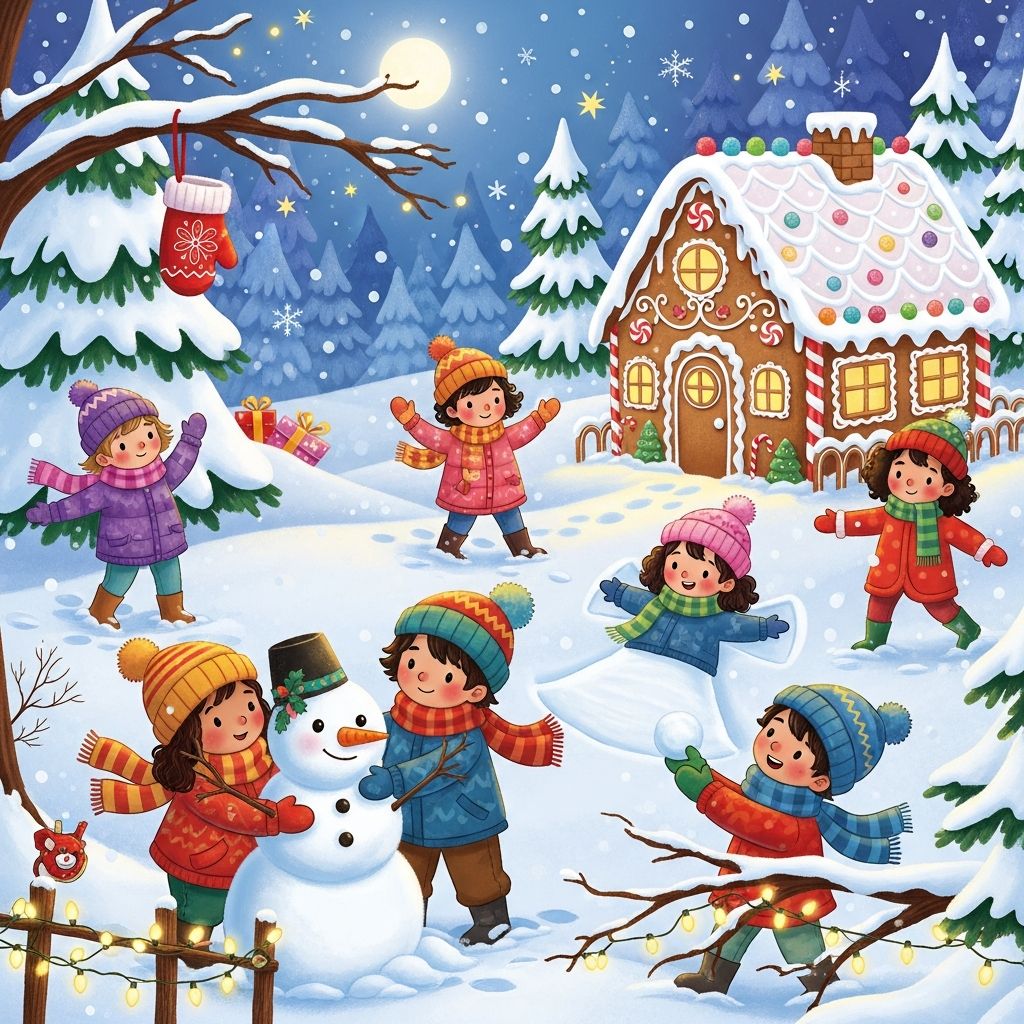
December is a magical month for sharing picture books. Chilly weather, cozy blankets, and festive traditions make it the perfect time to curl up with stories about snow, mittens, gingerbread, and winter celebrations from many cultures. Instead of focusing on one holiday, this guide highlights broad winter themes and inclusive books you can mix and match for home or classroom storytime.
Why December Picture Books Matter
Well-chosen winter picture books help young children explore big ideas like generosity, belonging, and seasonal change in a gentle, age-appropriate way. Read-alouds also build vocabulary, spark questions, and give kids a chance to see both their own traditions and new ones reflected on the page.
For teachers and caregivers, December books are a simple way to create daily rituals: one story before bed, a book basket by the couch, or a weekly themed storytime at school or the library. These small routines can anchor an otherwise busy month and help children feel calm and connected.
How This Guide Is Organized
This article organizes December picture books into three broad seasonal themes so you can easily group read-alouds and related activities:
- Children’s books about snow – stories of snowfall, snowmen, winter animals, and snowy adventures.
- Mittens and cozy clothing – tales about cold-weather gear, losing and finding mittens, and staying warm together.
- Gingerbread, baking, and winter treats – sweet stories about cookies, gingerbread houses, and kitchen traditions.
Within each section, you will find suggested book types, read-aloud tips, and extension ideas rather than a strict, must-use list. You can adapt these suggestions to your children’s ages, interests, and family or classroom traditions.
Children’s Books About Snow
Snow-themed picture books capture the wonder of the first flakes and the quiet beauty of a winter landscape. They also invite conversations about science, weather, animals, and how people live in different climates. Even if you live in a warm region, snow stories can help children imagine new settings and experiences.
Essential Types of Snow Stories
- First-snow stories that show the excitement of waking up to a transformed world and rushing outside to play.
- Snowman and snow-creature tales where children turn snow into characters and sometimes wonder what happens when those characters come to life.
- Quiet, lyrical winter books that focus on footprints, animal tracks, and peaceful walks through the snow.
- Science-focused titles that explain how snowflakes form, what they look like up close, and why snow can melt or turn icy.
Discussion Prompts for Snow Read-Alouds
While you read snow books, pause to invite children into the story with questions and reflections. Simple, open-ended prompts can deepen comprehension without interrupting the mood of the story.
- “How do you think the air feels in this picture?”
- “What would you do first if you woke up and saw this much snow?”
- “What animals might be hiding under the snow or leaving tracks?”
- “Have you ever seen snow? If not, what do you imagine it feels like?”
Snow-Themed Activity Ideas
Extend snow stories into hands-on exploration and playful learning with simple activities that connect to the books’ images and themes.
- Paper snowflake workshop: Fold and cut paper snowflakes, then compare shapes, count sides, and talk about how no two snowflakes are exactly alike.
- Footprint science: Draw or stamp different animal footprints on paper and have children match them to the animals in your snow books.
- Snow sensory bins: Use cotton balls, shredded paper, or safe sensory materials to create a “snow” bin with toy animals, mittens, and small sleds for pretend play.
- Weather chart: Start a simple daily chart where children record sunny, rainy, or snowy days and compare the illustrations in their books to their local weather.
Mittens, Scarves, and Cozy Clothing
Mittens are a classic December motif because children constantly put them on, take them off, and occasionally lose them. Picture books that feature mittens, hats, and scarves can feel instantly familiar and open the door to discussions about responsibility, sharing, and staying safe in cold weather.
Common Mittens Story Themes
- Lost-and-found adventures: A mitten slips off and becomes the center of a small adventure before it is discovered again.
- Sharing and kindness: Characters share mittens, hats, or scarves, or help friends without proper winter clothing.
- Animal encounters: Animals discover abandoned winter gear, treat it as a hiding place, or argue about who gets to use it.
- Cultural or family traditions: Elders knit mittens, pass down special pairs, or use patterns that connect to a particular heritage.
Learning Opportunities in Mittens Books
Mittens stories can support early literacy, math, and social-emotional learning when used intentionally. As you read, point to pictures and invite children to notice colors, patterns, and feelings.
- Matching and counting: Ask children to count mittens on a page, match pairs, or sort them by color, pattern, or size.
- Sequencing events: Retell a mitten story with simple picture cards that show what happens to the mitten from beginning to end.
- Talking about responsibility: Use characters’ lost items to talk gently about real-world routines like hanging up coats and placing mittens in a backpack.
- Describing textures: Invite children to describe how wool, fleece, or knitted yarn might feel based on the illustrations.
Simple Mittens Craft Ideas
After reading, children can design their own mittens and imagine what stories those mittens might tell. Crafts can be as simple or elaborate as time and materials allow.
- Paper mittens garland: Trace mitten shapes, decorate with markers or collage, punch holes, and string them together to hang near your reading area.
- Texture mittens: Glue scraps of fabric, felt, or yarn to paper mittens to explore different textures with little fingers.
- Storytelling mittens: Invite children to draw a tiny scene or character on each mitten, then use the pair to act out a short story of their own.
Gingerbread, Baking, and Winter Treats
Gingerbread and baking stories blend comforting illustrations of kitchens, spices, and ovens with themes of creativity, patience, and cooperation. These books are especially appealing in December when many families cook special recipes or decorate cookies together.
Popular Gingerbread Story Motifs
- The runaway cookie: A gingerbread character leaps from the oven and dashes through fields, streets, or classrooms, meeting a series of pursuers.
- Gingerbread houses: Stories focus on planning and constructing elaborate gingerbread houses, exploring ideas like persistence and teamwork.
- Kitchen mishaps and problem-solving: Characters attempt a new recipe, encounter a mistake, and must figure out how to fix or adapt it.
- Family and cultural recipes: A grown-up shares a recipe that carries personal or cultural meaning, connecting food with memory and identity.
Integrating Gingerbread Books Into Learning
Because gingerbread and baking stories include measurement, counting, and sequences, they naturally blend with early math and science concepts. They also encourage children to think about safety and cooperation in the kitchen.
- Sequencing recipes: Use picture cards for mixing, rolling, baking, and decorating. Have children place them in order after hearing a story.
- Shape hunt: Invite children to find circles, rectangles, and triangles in illustrated kitchens, then draw their own gingerbread houses using basic shapes.
- Five senses exploration: Talk about how the characters in baking stories might experience smell, taste, sound, touch, and sight in the kitchen.
- Safety rules list: After reading, create a simple poster of kid-friendly kitchen safety rules inspired by the characters’ experiences.
Winter Holiday Stories From Many Traditions
December picture books do not need to focus on only one holiday. Many excellent titles touch on Christmas, Hanukkah, Kwanzaa, New Year festivals, the winter solstice, or other celebrations from around the world. Choosing a mix of books reflects the reality that children and families celebrate in different ways, or sometimes not at all.
Approaches to Inclusive Holiday Reading
- Multi-holiday anthologies: Some picture books present several winter celebrations side by side, highlighting both differences and shared values like light, family, and hope.
- Single-holiday stories with context: Other books dive into one holiday but offer enough explanation that readers from any background can understand the customs.
- Secular winter themes: Snow, lights, and cozy gatherings can be celebrated without centering on a specific religious tradition.
Talking With Children About Different Holidays
As you read about various celebrations, keep the conversation open and non-judgmental. Encourage curiosity rather than comparison or ranking one tradition above another.
- Ask, “What is happening in this picture? What do you notice about how this family celebrates?”
- Invite children to share what looks similar or different from their own home or community.
- Emphasize common themes such as giving, gratitude, togetherness, and light during long winter nights.
- Reassure children that it is okay to celebrate different holidays from friends or to have different traditions within the same holiday.
Sample December Picture Book Planning Table
The table below shows one way to organize a month of December read-alouds using the themes from this guide. You can swap titles in and out while keeping the structure of the month consistent.
| Week | Main Theme | Example Book Types | Simple Extension Idea |
|---|---|---|---|
| Week 1 | First Snow | Stories about the first snowfall, snow play, and winter landscapes. | Make paper snowflakes and start a weather chart. |
| Week 2 | Mittens & Warm Clothes | Lost-and-found mitten stories, sharing coats, animal encounters with mittens. | Create a paper mittens garland and practice matching pairs. |
| Week 3 | Gingerbread & Treats | Runaway gingerbread tales, baking stories, family recipes. | Sequence picture cards showing a simple baking process. |
| Week 4 | Winter Holidays & Light | Books about Christmas, Hanukkah, Kwanzaa, New Year, or solstice. | Draw favorite traditions or create a class or family traditions chart. |
Tips for Successful December Storytime
Whether you are reading in a classroom, a library, or at home, a few simple practices can make December picture book sessions feel special and memorable. You do not need elaborate props; consistent rituals and a warm tone go a long way.
- Create a cozy space: Dim the lights slightly, add a blanket or rug, and invite children to bring a favorite stuffed animal to listen along.
- Use a seasonal bin: Place winter and holiday books in a clearly labeled basket that comes out just for December so the titles feel fresh.
- Rotate themes: Read at least one snow book, one mittens story, and one baking or holiday book each week for variety.
- Keep expectations clear: Use a simple cue like a chime, song, or phrase to signal that storytime is beginning and that listening rules apply.
- Invite participation: Encourage children to repeat refrains, act out simple motions, or predict what will happen on the next page.
Frequently Asked Questions
How many December picture books should I read each day?
Most young children do well with one or two focused read-alouds at a time. If you have a large selection of winter books available, you can also set out a small number for independent browsing so children can return to favorites throughout the day or week.
What if my family or classroom does not celebrate any winter holidays?
You can still enjoy December picture books by emphasizing snow, animals, lights, and cozy gatherings rather than specific religious observances. Many winter titles focus on the natural world or family togetherness, making them an excellent fit for secular settings or mixed-belief groups.
How do I choose age-appropriate winter and holiday books?
For toddlers and preschoolers, look for short texts, clear illustrations, and repetitive language. Early elementary children can handle slightly longer narratives, more complex plots, and stories that introduce basic information about traditions or science concepts like weather and seasons.
Can I read the same December stories year after year?
Revisiting favorite winter and holiday books annually can become a cherished ritual. Children often notice new details or understand deeper layers of the story as they grow, and the repeated reading can make these books a comforting part of your seasonal routine.
How can I include diverse voices and cultures in my December book choices?
When building your collection, intentionally seek out authors and illustrators from different cultural and religious backgrounds, and choose titles that portray a wide range of families, traditions, and winter experiences. Over time, this attention to representation helps children understand that there are many ways to celebrate, gather, and find light in the darker months.
By centering snow, mittens, gingerbread, and inclusive winter celebrations, your December picture book collection can offer warmth, wonder, and connection all month long. Mix familiar favorites with new discoveries, listen to children’s questions, and let stories become a gentle anchor during a busy season.