Running or preparing for a daycare requires thoughtful planning around supplies that support child safety, health, development, and enjoyment. This guide outlines critical categories of items, drawing from best practices in early childhood care to create a functional, engaging space. Whether you’re a provider stocking a new center or a parent packing daily bags, these recommendations ensure preparedness.
Building a Safe Foundation: Core Safety Equipment
Prioritizing child protection forms the bedrock of any daycare operation. Essential safety gear prevents accidents and complies with regulatory standards set by health departments.
- Emergency Response Kits: Stock comprehensive first-aid kits with bandages, antiseptics, thermometers, ice packs, and disposable gloves for minor injuries and illnesses.
- Fire and Air Quality Monitors: Install smoke detectors, carbon monoxide alarms, and accessible fire extinguishers in every room to mitigate environmental hazards.
- Childproofing Hardware: Use safety gates for stairs, cabinet locks, electrical outlet covers, door knob guards, and corner bumpers on furniture edges.
- Secure Storage: Medicine lockboxes and emergency signage ensure quick access for staff while keeping hazards out of reach.
Regular maintenance of these items, including monthly checks, is vital for ongoing compliance and peace of mind.
Maintaining Hygiene: Cleaning and Sanitation Must-Haves
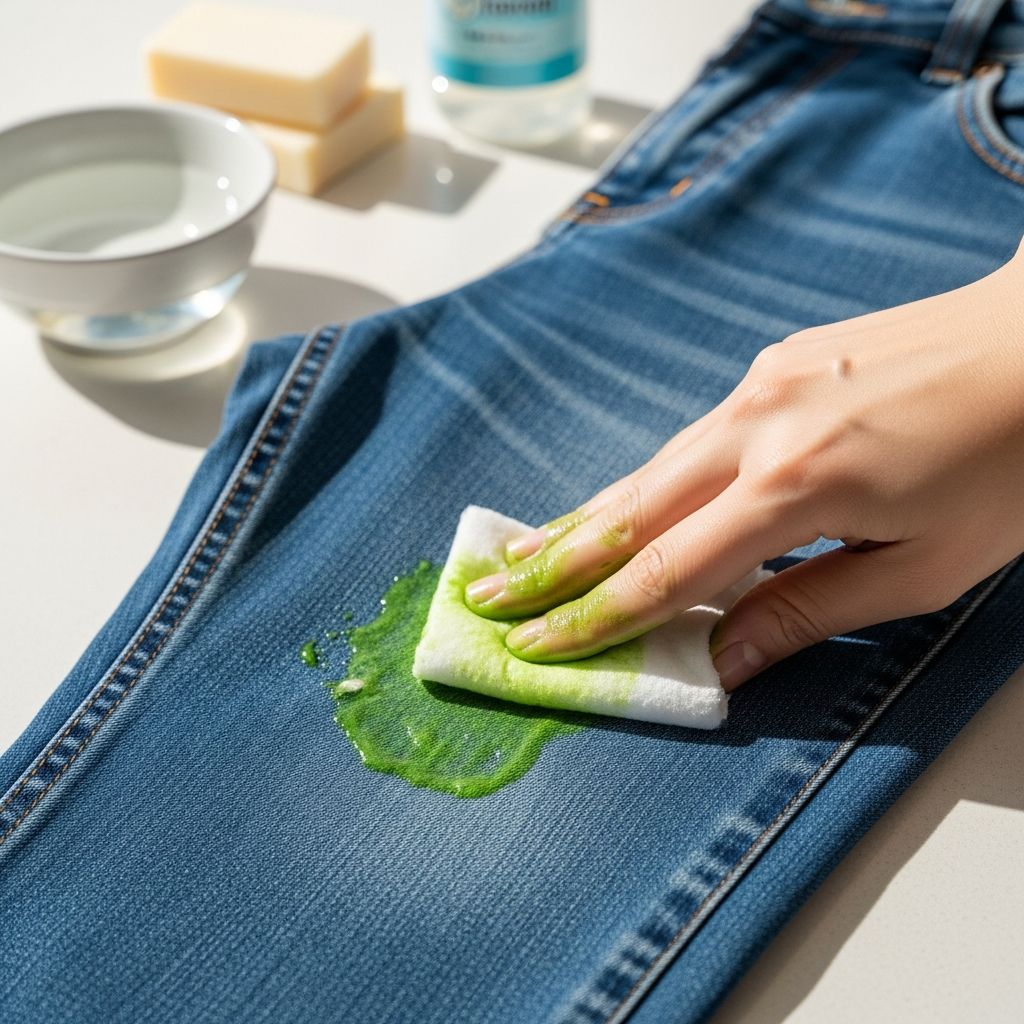
A spotless environment curbs germ spread in high-contact settings like daycares. Focus on non-toxic, child-safe products for frequent use.
| Category | Key Items | Purpose |
|---|---|---|
| Hand Hygiene | Liquid soap, hand sanitizer, disposable wipes | Daily handwashing and quick cleanups |
| Surface Cleaning | Disinfectant sprays, multi-surface cleaners, sponges, cloths | Sanitizing toys, tables, and floors |
| Floor Care | Mops, buckets, brooms, vacuums, scrubbing pads | Deep cleaning high-traffic areas |
| Trash Management | Trash cans, liners, paper towels | Efficient waste disposal |
Incorporate a daily sanitation schedule, emphasizing high-touch surfaces. For infants, opt for bleach solutions diluted per health guidelines.
Furniture and Layout: Functional Spaces for Growth
Age-appropriate furniture promotes comfort, independence, and safe movement. Select durable, easy-to-clean pieces scaled for toddlers and preschoolers.
- Sleeping Areas: Cribs, cots, nap mats, portable cribs, blankets, and pillows for restful naps.
- Feeding Zones: High chairs, booster seats, feeding tables, plates, cups, bowls, and step stools.
- Seating and Activity: Child-sized tables, chairs, rocking chairs, and playpens.
- Storage Solutions: Cubbies, shelves, and bins to organize toys and personal items.
- Mobility Aids: Strollers and changing tables with pads for smooth transitions.
Outdoor setups should include playsets, sandboxes, and weather-resistant gear like aprons for water play.
Daily Care Items: Supporting Basic Needs
Providers often request parents supply personal consumables, but backups are essential for seamless operations.
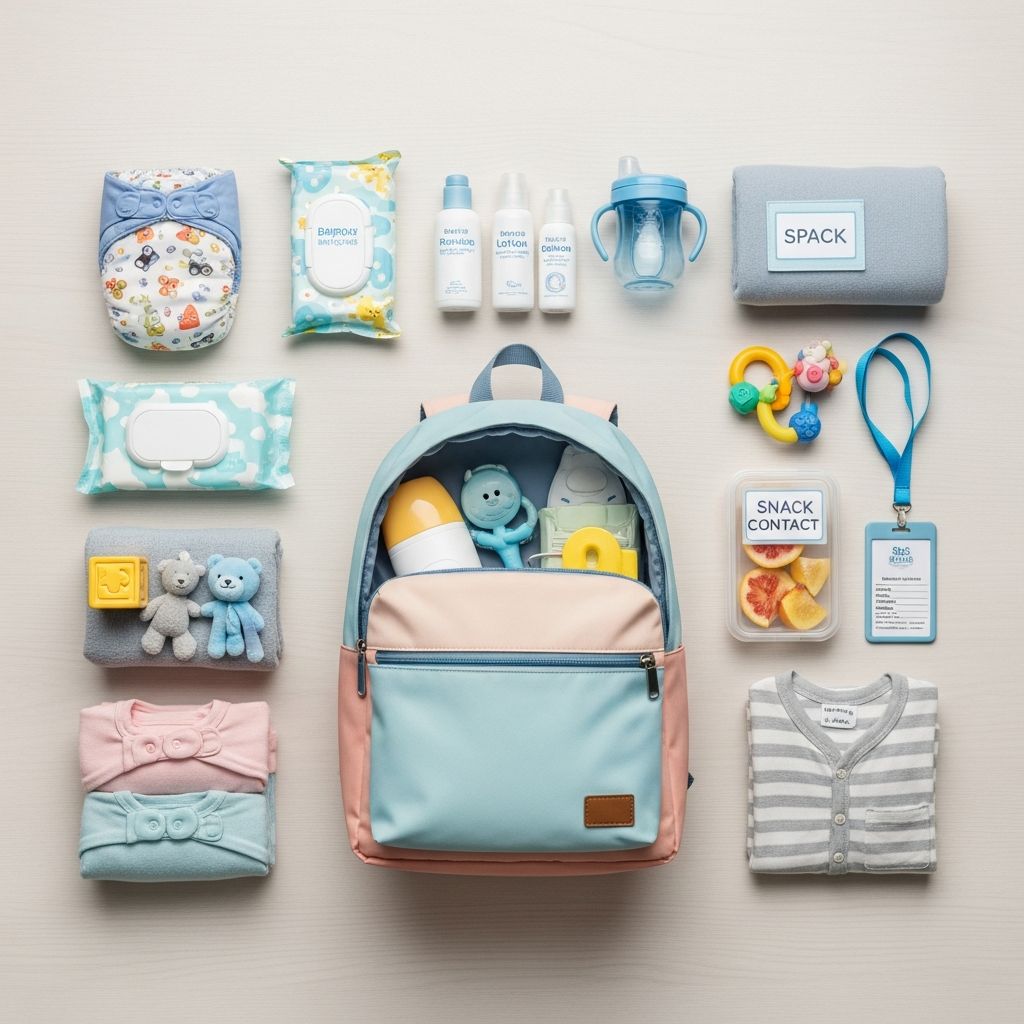
- Diapers in multiple sizes, baby wipes, diaper creams.
- Baby bottles, formula or breast milk storage, pacifiers, sippy cups, water bottles.
- Weather-appropriate spare clothes (2 sets), burp cloths, disposable bags.
- Lunch boxes, backpacks, sleeping bags or yoga mats.
These items prevent disruptions from messes or forgotten essentials.
Sparking Creativity: Toys and Play Materials
Play drives early learning. Diversify toys to foster motor skills, imagination, and social interaction.
Indoor Play Essentials
- Blocks, puzzles, board games, stuffed animals, dolls, dollhouses.
- Play kitchens, dress-up costumes, play food, utensils.
- Putty, playdough with tools like rolling pins and cutters.
Outdoor Adventures
- Balls, bikes, scooters, hula hoops, jump ropes, helmets.
- Sandbox tools (shovels, scoops, molds), sidewalk chalk.
- Water play items: sprinklers, hoses, spray bottles, wheels.
Rotate toys weekly to maintain engagement and teach new concepts.
Art and Sensory Exploration Supplies
Creative outlets build fine motor skills and self-expression. Use washable, non-toxic materials.
- Paints, brushes, easels, smocks, variety of papers.
- Crayons, markers, colored pencils, glue sticks, child-safe scissors.
- Craft add-ons: glitter, feathers, pom-poms, pipe cleaners, fabric scraps.
- Sensory tools: playdough, natural items like shells, pinecones, magnifying glasses.
Set up dedicated art stations with protective coverings for mess-free fun.
Educational Tools: Fostering Early Learning
Integrate STEM and literacy through hands-on resources.
- Counting tools: abacus, number rods, dice, dominoes.
- Measuring devices: rulers, cups, scales.
- Shape sorters, magnets, prisms, binoculars.
- Books, class pets, timers, clocks for routine awareness.
These promote cognitive growth in structured play.
Parent Preparation: What to Pack Daily
Parents play a key role by sending complete kits.
| Item | Quantity | Notes |
|---|---|---|
| Diapers/Wipes | Full day supply | Plus cream |
| Clothes | 2 extra sets | Seasonal layers |
| Bottle/Formula | Labeled | With cooler bag |
| Nap Gear | Mat/Bag | Personal blanket |
| Weather Items | Hat, sunscreen, rain gear | As needed |
Label everything clearly to avoid mix-ups.
Administrative and Outdoor Additions
Streamline operations with signage, food storage, and yard gear like sand tables, vehicles for dramatic play.
Budget wisely: start with basics, then expand.
Frequently Asked Questions
How often should I restock cleaning supplies?
Aim for weekly checks; high-use items like wipes may need daily replenishment to maintain hygiene standards.
What are must-haves for infant areas?
Cribs, changing stations, bottles, diapers, and soft toys ensure comfort and care.
Can parents provide art supplies?
Yes, items like crayons and glue are often requested to personalize creativity sessions.
How to organize toy rotation?
Store in labeled bins and swap bi-weekly to refresh interest and teach new skills.
What safety checks are daily?
Inspect gates, outlets, and floors; test alarms monthly.
References
- Printable childcare supply list for parents – Lillio — Lillio. 2023. https://www.lillio.com/blog/daycare-supplies-list
- 100 Must-Have Daycare Supplies & Equipment – Procare Solutions — Procare Solutions. 2023. https://www.procaresoftware.com/blog/100-must-have-child-care-center-materials-and-supplies/
- The Ultimate Daycare Supplies Checklist for New Programs — Brightwheel. 2023. https://mybrightwheel.com/blog/daycare-supplies-checklist
- Daycare Supplies List – Checklist For Daycare Owners – Tot Mate — Totmate. 2023. https://totmate.com/blogs/learn/daycare-supplies-list
- Ultimate Daycare Supplies and Equipment List – Illumine — Illumine. 2023. https://illumine.app/blog/the-ultimate-list-of-daycare-supplies-equipment