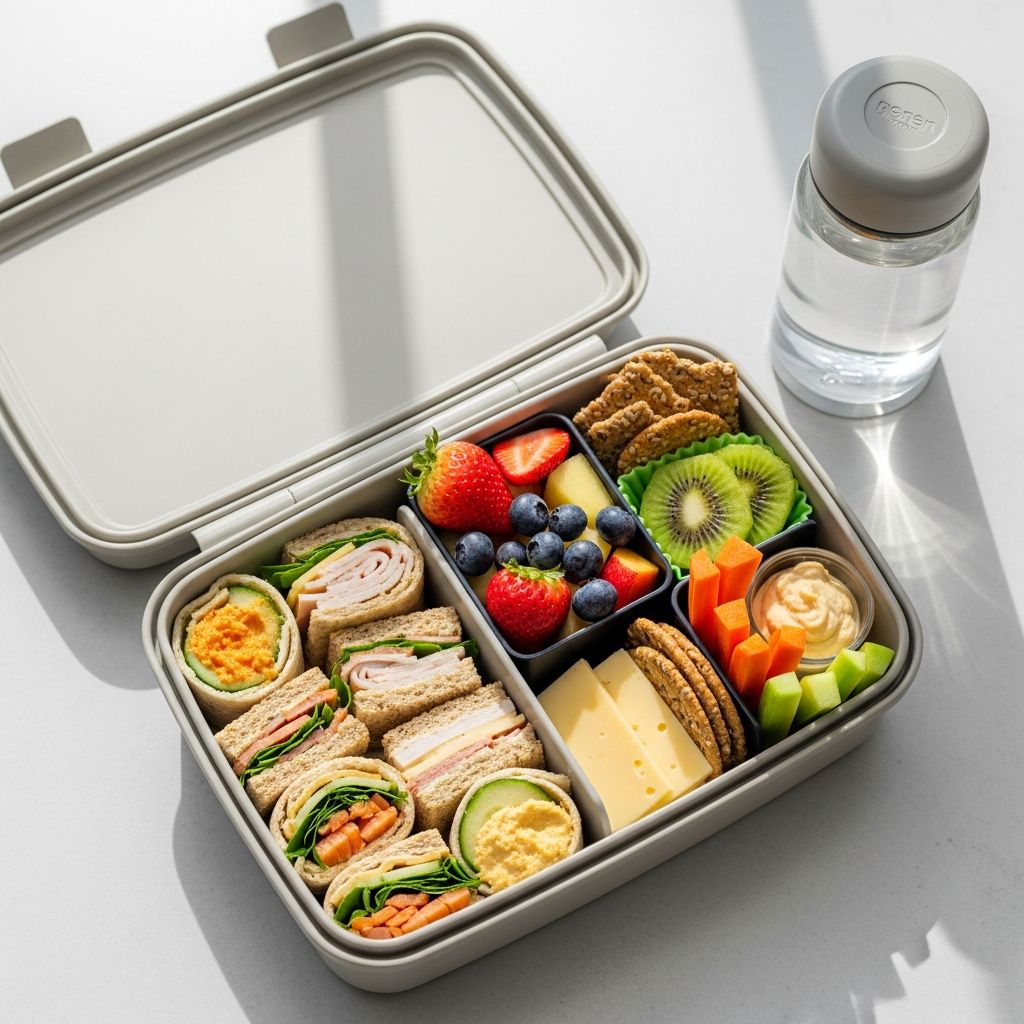
Sending a small child to daycare often means making big decisions about what they eat, who prepares it, and how safe it will be. Many parents feel torn between convenience, nutrition, food rules, and their child’s very real preferences. This article offers an original, practical framework for navigating daycare food policies, safety expectations, and daily lunchbox decisions, written in fresh language and structure while respecting intellectual property and copyright.
Why Daycare Food Feels So Complicated
Food at daycare is not just about calories; it represents health, culture, comfort, and parental values. When daycare rules collide with family routines, it can feel like a criticism of your parenting rather than a simple policy difference.
- Daycares must consider many children at once, including allergies, choking risks, and licensing requirements.
- Families come in with unique traditions, schedules, budgets, and beliefs about what constitutes a “good” meal.
- Children may eat differently in group settings than they do at home, which can surprise or frustrate parents.
Common Daycare Food Models
Every program structures meals differently, and understanding their model is the first step to making peace with the daily food routine. Below is a high-level look at the main approaches you may encounter.
| Model | Who Provides Food | Pros | Potential Challenges |
|---|---|---|---|
| Center-Provided Meals | Daycare provides all meals and snacks. | Less packing, predictable schedule, can be cost-effective. | Limited flexibility, menu may not match family preferences or dietary needs. |
| Parent-Packed Lunches | Families send meals and often snacks from home. | High control over ingredients, easier to respect cultural or religious diets. | Time pressure on parents, need to follow facility rules on allergens and temperature. |
| Hybrid Approach | Center offers some food; parents supplement or opt out for certain meals. | Flexibility and backup options if a child refuses certain foods. | More coordination and communication needed so the child gets enough to eat. |
Key Questions to Ask Before Enrollment
Instead of waiting until the first lunchbox note comes home, gather details about food expectations before you sign any papers. Proactive questions can prevent misunderstandings later.
- What meals are included? Ask specifically about breakfast, lunch, and snacks, and how they are spaced throughout the day.
- Who plans the menu? Find out if meals are planned by a nutrition professional or follow any particular guidelines.
- Can parents see the menu in advance? Weekly or monthly menus help parents plan complementary meals at home.
- What is your policy on outside food? Some centers restrict all outside food; others allow specific items or require individual labeling.
- How are allergies handled? Clarify procedures for known allergies, accidental exposures, and emergency responses.
Balancing Safety, Nutrition, and Real Life
Many parents feel squeezed between official recommendations and what their child will actually eat. It helps to think of daycare food through three overlapping goals: safety, nutrition, and practicality.
- Safety: Avoid choking hazards, allergen exposures, and improper food storage.
- Nutrition: Offer varied foods with protein, healthy fats, fruits, vegetables, and whole grains.
- Practicality: Choose items that can be packed quickly, survive transport, and be eaten independently.
Safety First: What Daycares Worry About
Many daycare rules that seem picky are grounded in safety concerns. Understanding the thinking behind them can make those rules easier to respect and work with.
- Allergy management: Bans on peanuts, tree nuts, or other top allergens are designed to protect highly sensitive children from severe reactions.
- Choking prevention: Rules about cutting grapes, avoiding whole nuts, or limiting hard candies are based on developmental swallowing abilities.
- Food handling: Policies around refrigeration, reheating, or not sharing utensils help reduce foodborne illness and germ spread.
Designing a Daycare-Friendly Lunchbox
When your daycare allows or requires packed food, a little planning can make mornings easier and meals more successful. Think beyond a single main dish and create a small collection of components.
- Include a familiar favorite at almost every meal so your child has something comforting and predictable.
- Add one small “learning food” (a new or less loved item) without pressure to finish it.
- Balance colors and textures: soft and crunchy, mild and flavorful, wet and dry.
- Choose containers your child can open with minimal help to support independence.
Sample Lunchbox Component Ideas
Every family’s food culture and budget are different, so treat these as categories rather than prescriptions. Adjust portion sizes to your provider’s guidance and your child’s appetite.
- Proteins: Beans, lentil patties, shredded chicken, tofu cubes, hummus, sunflower seed spread (if allowed), yogurt, cheese sticks.
- Grains: Whole grain crackers, small pasta shapes, brown rice, mini pita, tortilla roll-ups, homemade muffins low in added sugar.
- Fruits: Thinly sliced apples, soft berries, peeled orange segments, melon cubes, banana pieces.
- Vegetables: Steamed carrot coins, cucumber sticks, roasted sweet potato cubes, peas, halved cherry tomatoes for older toddlers.
- Fats: Avocado slices, olive oil in dressings, cheese, full-fat yogurt, seed butters (if the center permits).
Understanding and Respecting Allergy Policies
Even if your child has no allergies, you share the classroom space with children who may react to trace amounts of certain foods. Daycare food rules often reflect this reality.
- Expect clear restrictions on top allergens such as peanuts or tree nuts, and sometimes eggs, dairy, or sesame.
- Be precise about labels; “may contain” or “processed in a facility with” statements may be relevant depending on the center’s policy.
- Teach older toddlers simple rules like not sharing food with friends and telling an adult if they feel “funny” after eating.
When Your Child Eats Differently at Daycare
Many parents report that their child is an adventurous eater in a group setting and extremely picky at home—or the reverse. Both patterns are normal and shaped by context.
- Group meals can encourage some children to try new foods by modeling others’ behavior and reducing pressure from adults.
- Other children may eat less in a noisy classroom and make up for it at home, especially in the evening.
- Ask caregivers for observational details: Does your child seem distracted, overwhelmed, enthusiastic, or rushed at mealtimes?
Talking with Caregivers About Food Concerns
Disagreements about food are common, but they do not have to turn into conflicts. Aim for collaboration rather than confrontation.
- Start with curiosity: Ask how meals are structured, who sits with the children, and what they notice about your child’s behavior.
- Explain your priorities: Whether you care most about cultural foods, reduced sugar, vegetarian meals, or flexible appetites, be direct but respectful.
- Seek win–win solutions: Look for small adjustments that satisfy both safety rules and your family values, such as substituting certain brands or adding one special item.
Handling Treats, Birthdays, and Special Events
Even health-conscious programs often make exceptions for holidays or celebrations. Decide in advance how you want to approach these occasions so you are not making rushed decisions at pickup time.
- Ask what the typical birthday celebration looks like and whether non-food treats (stickers, bubbles, small books) are encouraged.
- If you prefer your child to have limited sweets, work with staff on a plan that feels respectful and not isolating.
- Consider sending an alternative treat for your child if there are frequent sugary celebrations, such as fruit cups or a favorite snack that fits your guidelines.
Supporting Independence at Mealtimes
Daycare meals are not only about nutrition; they are practice sessions for life skills. Even toddlers can participate in eating with growing autonomy if meals are set up thoughtfully.
- Label containers clearly and select lunch gear that your child can learn to open independently.
- Offer bite-sized, easy-to-grasp pieces whenever possible so children can focus on eating instead of constant adult intervention.
- Ask caregivers what your child can already do and build on those skills at home, such as using a spoon or drinking from open cups.
Emotion and Guilt Around Food Choices
Many caregivers feel judged when a lunchbox is half-finished or when a teacher gently suggests changes. Remember that food at daycare exists within a larger caregiving ecosystem.
- Incomplete lunches do not mean you failed; children’s appetites vary daily and are influenced by sleep, illness, and activity level.
- Communication from the daycare is usually about problem-solving, not blame. Ask for specific examples and collaborative ideas.
- Give yourself permission to rely on convenience foods when needed, as long as they fit within safety rules and your overall values.
Frequently Asked Questions
What if my child refuses the daycare food?
First, gather concrete information from staff: Is your child refusing all food or just specific items? Many children eat less in group settings and compensate later at home. If refusal persists, discuss options such as allowing a small number of familiar from-home items, adjusting meal timing, or seating your child near a trusted peer.
How can I manage a strict no-nut or other allergen-free policy?
Begin by identifying your usual go-to foods that rely on the restricted ingredient and then brainstorm alternatives in the same category. For example, if your family often uses peanut butter, consider seed-based spreads (if allowed), hummus, or cheese as protein sources. Share any concerns with the provider so they can suggest brands or products commonly used by other families.
Is it okay if my child eats different foods than classmates?
Yes. Variety in lunches reflects the diversity of families, cultures, and dietary needs. If your child seems self-conscious, talk with staff about how they present food differences in neutral, respectful ways, and consider packing at least one item that looks somewhat similar in format to peers’ meals (like a wrap, pasta, or fruit).
What should I do if I disagree with the daycare’s nutrition standards?
First, request a copy of the written policy so you are reacting to actual rules rather than assumptions. Then schedule a calm conversation focusing on your child’s needs rather than abstract debates, and ask whether there is any flexibility within their framework. If your values and the program’s approach are fundamentally misaligned, it may be a sign to look for a different setting that is a better fit.
How do I keep packed food safe without a fridge?
Use insulated lunch bags, reusable ice packs, and foods that tolerate moderate temperature changes better, such as whole fruits, hard cheeses, and cooked grains. When in doubt, ask the daycare how long lunches sit out and whether there is any shared refrigeration or cooler space you can use, then plan your menu around those constraints.
A Flexible, Child-Centered Approach
The daycare food dilemma does not have a single perfect solution. Instead, aim for a flexible approach that honors safety rules, respects your child’s individuality, and acknowledges your real-life time and energy limits. When families and caregivers treat food conversations as ongoing collaboration rather than a one-time negotiation, daycare meals can become a source of connection instead of conflict.