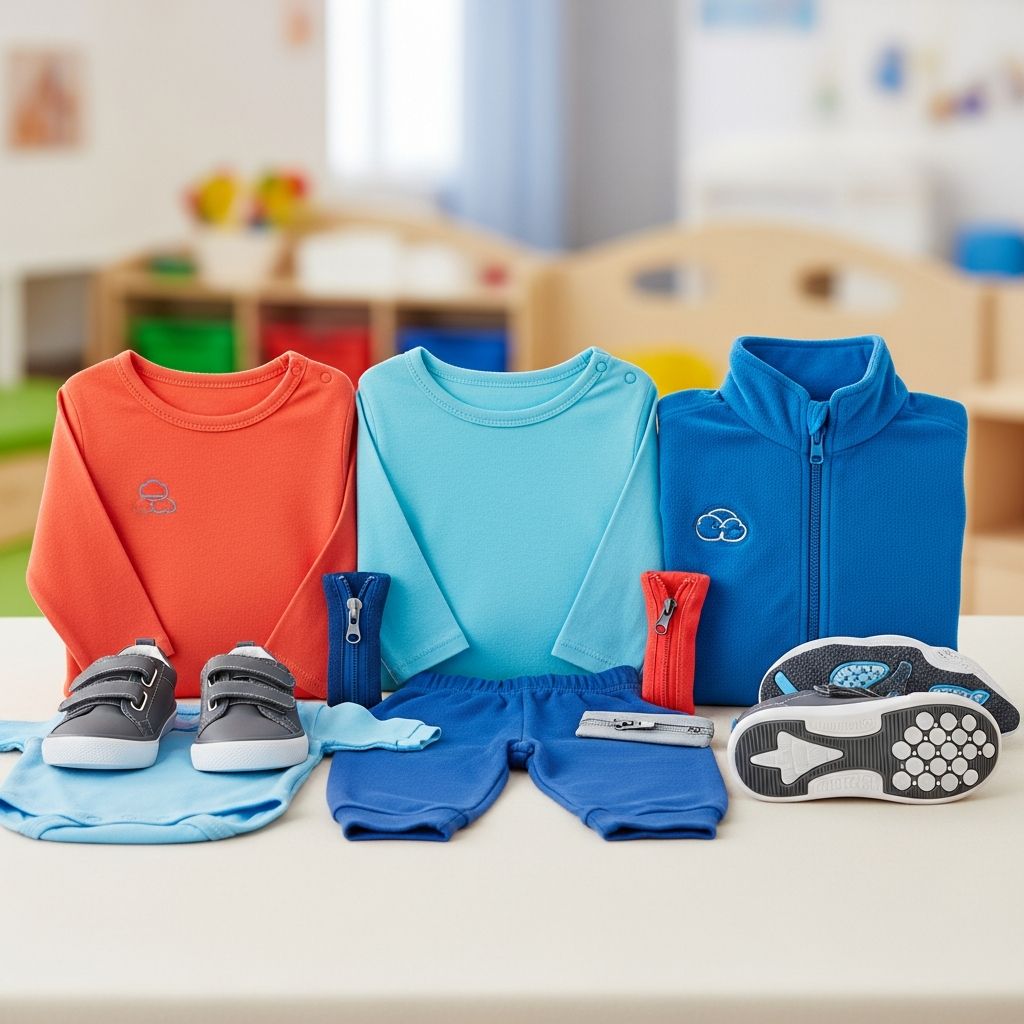
In the world of early childhood education, the way childcare providers present themselves goes beyond mere appearance. It directly impacts the well-being of the little ones in their care. A recent online discussion highlighted a mother’s unease when she spotted a daycare worker wearing a lengthy necklace, prompting widespread conversations about appropriate attire in childcare settings. This incident underscores a critical aspect of daycare operations: the necessity for stringent dress codes designed to prioritize child safety, hygiene, and professionalism.
Why Dress Codes Matter in Childcare Environments
Childcare facilities are dynamic spaces filled with curious toddlers who explore the world through touch, grab, and pull. Staff members serve as constant companions in this adventure, making their clothing and accessories potential hazards or safeguards. Comprehensive dress policies help mitigate risks such as choking, injury from sharp objects, or hygiene breaches that could lead to infections.
According to various childcare policy documents, the primary goal of these guidelines is to create a safe environment where children can thrive without unnecessary dangers from staff attire. For instance, restrictions on dangling items prevent accidents during playtime or cuddles.
- Safety from physical hazards: Long chains or hoops can be yanked, causing strangulation or scratches.
- Hygiene maintenance: Loose fabrics or chipped polish might contaminate play areas or food.
- Professional image: Uniforms foster trust among parents and model appropriate behavior for children.
The Risks Posed by Inappropriate Accessories
Nothing captures a child’s attention quite like something shiny or swinging within reach. Necklaces, in particular, have become a focal point in dress code debates because of their accessibility. A simple pendant can turn into a toy that snaps, scattering small parts that pose choking risks—especially for infants under three, who are prone to mouthing objects.
Policies explicitly warn against such items. Dangling necklaces are prohibited because children may pull them, leading to breakage and potential injury to both the child and the caregiver. Similarly, large earrings or bracelets can snag on clothing or equipment during active play, escalating minor tugs into serious incidents.
| Accessory Type | Potential Risk | Recommended Alternative |
|---|---|---|
| Long Necklaces | Choking, pulling injury | None or very short chains |
| Hoop Earrings | Snagging, tearing | Small stud earrings |
| Bracelets/Bangles | Trapping fingers, scratches | Watches only if secure |
| Rings | Pinching skin | Max 1-2 plain bands per hand |
This table summarizes common concerns drawn from multiple childcare handbooks, illustrating how simple swaps can prevent mishaps.
Comprehensive Uniform Guidelines for Childcare Staff
Beyond jewelry, full attire policies encompass clothing, footwear, and grooming to ensure all-day comfort and safety. Early years educators often wear branded polo shirts in practical colors like navy or red, paired with trousers or tracksuit bottoms that allow free movement without restricting supervision.
Footwear is another cornerstone, with closed-toe, non-slip shoes mandated to avoid slips on wet floors or during outdoor activities. Flip-flops and heels are universally banned due to tripping hazards.
Core Elements of a Standard Childcare Dress Code
- Closed-in, comfortable shoes for indoor/outdoor transitions.
- No leggings, shorts above knee, or revealing tops to maintain professionalism.
- Clean, short nails without polish or artificial extensions to prevent scratches or contamination.
- No visible offensive graphics, tattoos, or piercings (except small ear studs).
- Uniforms changed daily for hygiene, especially in diaper-changing roles.
These rules are not arbitrary; they stem from real-world needs in high-energy environments where staff kneel, lift, and chase after active children.
Implementing and Enforcing Dress Code Policies
Creating a policy is one thing; ensuring compliance is another. Successful childcare centers communicate expectations clearly during onboarding, using handbooks, visual examples, and regular training sessions. New hires review these alongside background checks, understanding that violations could sideline them from child-facing duties.
Enforcement involves progressive discipline: a verbal reminder for first offenses, sent home to change for repeats, and potential termination for persistent non-compliance. Yet, flexibility exists for cultural attire, medical needs, or weather-related adjustments, balancing strictness with empathy.
Parent Perspectives and Communication Strategies
Parents like the one who questioned the necklace often voice concerns out of love and vigilance. Open dialogues bridge gaps—centers can host Q&A sessions or share policy summaries at drop-off. Transparency builds trust, showing that a worker’s stylish accessory isn’t worth the risk.
Surveys and forums reveal parents prioritize safety over aesthetics, with many appreciating proactive policies that mirror home vigilance against small hazards.
Health and Hygiene Standards in Depth
Hygiene intersects with dress in vital ways. Nail policies, for example, mandate short, clean nails sans polish to avoid flakes in meals or on toys. Artificial nails are outright forbidden due to detachment risks around food prep areas.
Clothing must be laundered frequently, avoiding sheer or ripped fabrics that harbor bacteria. Personal hygiene—fresh hair ties, no strong scents—complements attire rules, creating a wholesome space.
Legal and Regulatory Frameworks
In many regions, state licensing bodies like Child Care Licensing (CCL) indirectly enforce dress via health and safety standards. Providers must maintain environments free of foreseeable risks, making robust policies a compliance must. National associations like NAFCC outline ratios and safety protocols that bolster attire guidelines.
Frequently Asked Questions About Childcare Dress Codes
What should parents do if they see unsafe accessories on staff?
Politely raise the concern with the director, referencing the center’s policy. Most appreciate vigilant feedback.
Are all centers required to have uniform policies?
While not always mandatory, accreditation bodies and licensing strongly recommend them for safety.
Can staff wear cultural or religious jewelry?
Yes, if secured and non-dangling; centers often accommodate with prior approval.
How do dress codes affect staff morale?
Clear, fair policies boost professionalism; overly rigid ones may frustrate—balance is key.
What footwear is best for daycare workers?
Supportive sneakers or flats with grip for all-day activity indoors and out.
Building Safer Tomorrows Through Attire Awareness
Dress codes in daycare aren’t about stifling personal style; they’re proactive shields for children’s safety. By limiting jewelry, choosing practical clothes, and enforcing hygiene, providers honor their duty of care. Parents’ watchful eyes, like the necklace-spotting mom, reinforce these standards, fostering collaborative vigilance. As childcare evolves, these policies remain timeless guardians in pint-sized playgrounds.
(Word count: 1678)
References
- Employee Uniform Policy — Park Academy Childcare. 2023-02. https://www.parkchildcare.ie/wp-content/uploads/2023/02/Employee-Uniform-Policy-2023.pdf
- Staff Dress Code — Playvolution HQ. N/A. https://playvolutionhq.com/policies-staff-dress-code/
- Health & Safety Standards — National Association for Family Child Care (NAFCC). 2023-01. https://nafcc.org/wp-content/uploads/2023/01/Standards_4-Health-and-Safety.pdf
- Employee Handbook — Little Wonders Learning Centers. N/A. https://littlewonderslearningcenter.net/employee-handbook
- Preschool Teacher Dress Code: 7 Rules Every Center Needs — No Joke Childcare. N/A. https://nojokechildcare.com/dress-code-for-preschool-teachers/