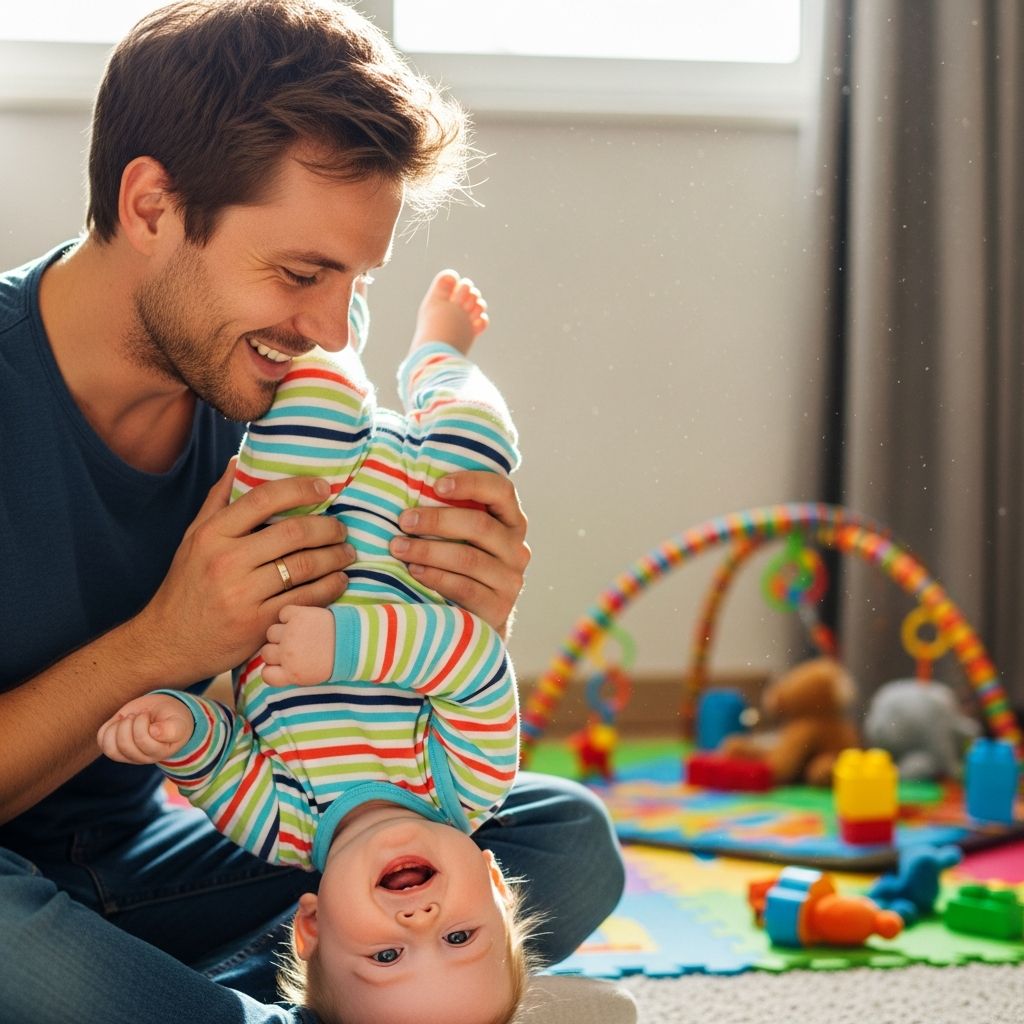
In a now-viral clip, a determined dad turns language practice into a kind of playful “torture” as he tries everything he can to get his toddler to say “Dada” instead of “Mama.” The result is a hilarious, heart-melting tug-of-war that perfectly captures how competitive (and funny) parenting can be when those first words finally start to appear.
The Viral Video: A Dad on a Mission
The video centers on a father who clearly loves his child and also really, really wants to hear the word “Dada” come out of that tiny mouth. He knows his son already favors “Mama,” and he decides to make a game out of trying to flip that allegiance, at least verbally.
From the first seconds, you can tell this is all in good fun: the dad is smiling, the toddler is relaxed, and the whole setting feels like a casual, everyday family moment that just happens to be very, very funny.
What Happens in the Clip
- The dad repeats “Dada” slowly and clearly, encouraging the toddler to copy him.
- The child confidently answers with “Mama,” as if there is no other correct answer in the world.
- Each time the dad tries again, the toddler doubles down on “Mama,” almost like a running joke between them.
- The more the dad insists, the funnier it gets, because the little one seems amused rather than pressured.
This simple back-and-forth is what makes the video so shareable: parents recognize the blend of pride, competitiveness, and humor that comes with waiting for your child to say your name first.
Why the Dad Calls It ‘Torture’ (and Why It’s Actually Just Play)
The word “torture” here is clearly used jokingly. The father is not actually hurting or scaring his child; he’s teasing himself as much as he’s teasing the situation. The “torture” is really that he has to sit there while his adored toddler refuses to say the one word he wants to hear most.
Viewers understand that the child is enjoying the interaction. The laughter, relaxed posture, and repeated engagement all signal that this is playful, not harmful.
Signals That It’s Harmless Fun
- The toddler smiles and looks engaged throughout the video.
- There is no sign of fear, crying, or withdrawal from the interaction.
- The dad’s tone stays light, amused, and affectionate.
- The “torture” is more about the dad’s ego than the child’s comfort.
That’s why so many parents feel free to laugh at the clip: they can relate deeply to the emotional sting of hearing “Mama” over and over when you want “Dada,” while also seeing that the bond between father and child is clearly strong and secure.
The ‘Mama’ vs. ‘Dada’ Rivalry in Real Life
Underneath the humor, the video taps into something very real for many families: the tiny, good-natured rivalry between parents over which name their baby will say first. Some parents pretend not to care, others fully embrace the competition, and most end up laughing about how little control they actually have over the outcome.
For many dads, hearing “Dada” for the first time feels like visible proof of a bond they have been investing in since day one, especially if they worry that the baby naturally spends more time with or calls out for “Mama.”
Common Parent Reactions to First Words
- Joy: The first time a baby says “Mama” or “Dada,” parents often cry, laugh, or immediately reach for the camera.
- Jealousy (the funny kind): The parent whose name didn’t come first may jokingly sulk or escalate the language practice like the dad in the video.
- Competition: Some parents become more intentional about saying their name often, hoping for a quick turnaround.
- Pride in the child: Beyond the labels, everyone celebrates that the toddler is learning to connect sounds with special people.
The dad in the clip embodies this light-hearted rivalry: his playful insistence on “Dada” is really a sign of how much he wants to be heard, recognized, and chosen by his child.
What the Video Shows About Toddler Language Development
Beyond the laughs, the clip is a mini-demonstration of early language development. The toddler clearly understands that “Mama” and “Dada” are meaningful words tied to real people. The fact that he uses “Mama” consistently tells us he has already attached that sound to a significant figure in his life.
At this stage, toddlers often latch onto one label they are confident with and repeat it often. Even if they understand more words than they say, they sometimes prefer the one that feels easiest or most emotionally satisfying.
Key Language Skills on Display
- Sound imitation: The child recognizes verbal prompts and responds with a familiar word.
- Social turn-taking: He waits for the dad, responds, and then expects an answer or reaction back.
- Emotional play: He senses that saying “Mama” triggers a strong (and funny) response, so he keeps doing it.
- Selective word use: Rather than repeating what he hears, he chooses his own well-loved word each time.
In other words, he is not just blindly copying; he is actively participating in a small social game, which is a big developmental step.
How the Dad Tries to ‘Win’
The dad’s entire strategy is to keep the environment playful while clearly and repeatedly offering the word “Dada” as an option. He exaggerates the sound, uses a hopeful tone, and clearly shows his excitement whenever the toddler seems close to repeating it.
Even though the child doesn’t give in during the clip, the ongoing attempts and laughter help cement “Dada” in the toddler’s memory, which may pay off later when the camera is off.
Dad’s Go-To Tactics
- Pronouncing “Dada” slowly and slightly louder, so it stands out.
- Making eye contact to connect the sound with his presence.
- Responding dramatically (but happily) when the toddler answers with “Mama,” turning it into a running gag.
- Staying patient and engaged, even when the outcome is not what he wants.
This kind of persistence—without pressure—can actually support language learning, because it keeps the interaction warm, interesting, and emotionally safe.
The Humor Factor: Why People Love This Kind of ‘Torture’
Part of what makes the video so funny is the look of mock resignation on the dad’s face every time his child responds with “Mama” instead of “Dada.” Parents everywhere recognize that stunned, exaggerated defeat when a toddler chooses the “wrong” team.
The toddler’s calm, almost casual repetition of “Mama” acts like the punchline to a joke that keeps landing. Every time the dad resets, the child delivers the same answer, and the gag gets stronger.
Why Viewers Keep Sharing
- Relatability: Almost every parent has a similar story about first words or a child clearly favoring one name.
- Non-harmful teasing: The situation is silly, not cruel, and the child appears delighted, not distressed.
- Short and punchy: The clip captures a whole emotional arc—hope, suspense, defeat—within a brief, rewatchable format.
- Feel-good ending: Even with no “Dada” victory, viewers are left with a warm, affectionate image of fatherhood.
This is the kind of everyday parenting moment that feels private and ordinary at home but becomes instantly iconic once captured on video.
Healthy Teasing vs. Real Discomfort
Because the dad jokingly calls his efforts “torture,” it’s important to tease apart playful teasing from anything that could actually upset a child. In this case, all the body language and context suggest that both dad and toddler are having fun and that the child feels safe.
Even so, videos like this open useful conversations for parents about balancing humor with sensitivity, especially as children grow older and more aware.
Signs Teasing Is Still Playful
- The child laughs, smiles, and willingly stays in the interaction.
- There is no crying, stiffening, or attempts to escape the situation.
- The parent is ready to stop or change course at the first sign of distress.
- The joke is about the situation, not about shaming or criticizing the child.
Families can use these cues to guide their own playful moments: if everyone is laughing together and the child feels empowered to respond or say “no,” the teasing likely remains harmless fun.
Quick Snapshot: Why This Clip Works So Well
| Element | What Happens | Why It Resonates |
|---|---|---|
| Dad’s goal | He wants his toddler to say “Dada” instead of “Mama.” | Reflects the common parental wish to be named and noticed by their child. |
| Toddler’s response | The toddler happily repeats “Mama” every time. | Shows kids’ independence and sense of humor, even at a young age. |
| Emotional tone | Light, funny, affectionate, with lots of smiling and engagement. | Signals that the relationship is strong and the “torture” is just a joke. |
| Viewer reaction | People laugh, share the clip, and tell their own first-words stories. | Creates a shared sense of community around everyday parenting struggles. |
This simple structure—goal, resistance, repetition, and warmth—explains a lot about why short, family-centered videos like this spread so quickly online.
Tips for Parents Inspired by the Video
Many parents who watch the clip feel tempted to try something similar at home, whether to coax out “Mama,” “Dada,” or even a sibling’s name. When done gently, this can become a powerful bonding moment and a fun way to practice language.
The key is to keep the spirit of the original video: light-hearted, loving, and focused on connection more than results.
Simple Ways to Encourage First Words
- Repeat your chosen word clearly while pointing to yourself or the person it belongs to.
- Celebrate any attempt at speech, even if it is just a babble that sounds close.
- Turn it into a game: take turns “saying” the word, then wait for the baby to answer.
- Stop if the child looks tired or frustrated, and pick it up again another time.
Remember that every child develops at a different pace, so the goal is to make talking feel fun and rewarding, not to win a race between “Mama” and “Dada.”
Frequently Asked Questions
Is it okay to jokingly “pressure” my toddler to say a word?
Gentle, playful encouragement—like repeating a word with a smile and celebrating attempts—is generally fine when your child seems relaxed and engaged. If your toddler looks upset, turns away, or starts to cry, it is better to ease off and try again later so that language practice always feels safe.
Why does my baby only say “Mama” or only say “Dada”?
Many toddlers latch onto one label at first because it feels familiar and rewarding. Over time, as their vocabulary grows and their control over sounds improves, they usually add the other parent’s name and many more words, especially if they hear those words used often in a warm, positive context.
Could my child be confused if both parents keep repeating different names?
Most children are very good at mapping sounds to different people, especially when each parent clearly points to themselves or uses consistent cues. As long as you are not overwhelming or scolding them, the friendly back-and-forth over “Mama” and “Dada” can actually help them recognize that words connect to specific people.
What if my child still isn’t saying either word?
Some kids take longer than others to speak, even if they understand everything around them and communicate in other ways like pointing or gestures. If you are concerned about delays, talking with a pediatrician or speech-language professional can help you understand what is typical for your child’s age and when an evaluation might be helpful.
Can videos like this encourage unhealthy competition between parents?
They can, if parents lose sight of the bigger picture and focus only on who “wins” the first word. Used as a reminder to laugh at yourselves and enjoy your child’s growth, though, these clips can reinforce the idea that the real victory is a strong, loving bond—no matter which name comes first.
In the end, the dad’s so-called “torture” session is less about forcing a specific sound and more about savoring a goofy, shared moment with his toddler. The world laughs along because it recognizes the heart behind the joke: every parent just wants to hear that precious little voice call them by name, and every child will get there in their own time, on their own hilarious terms.