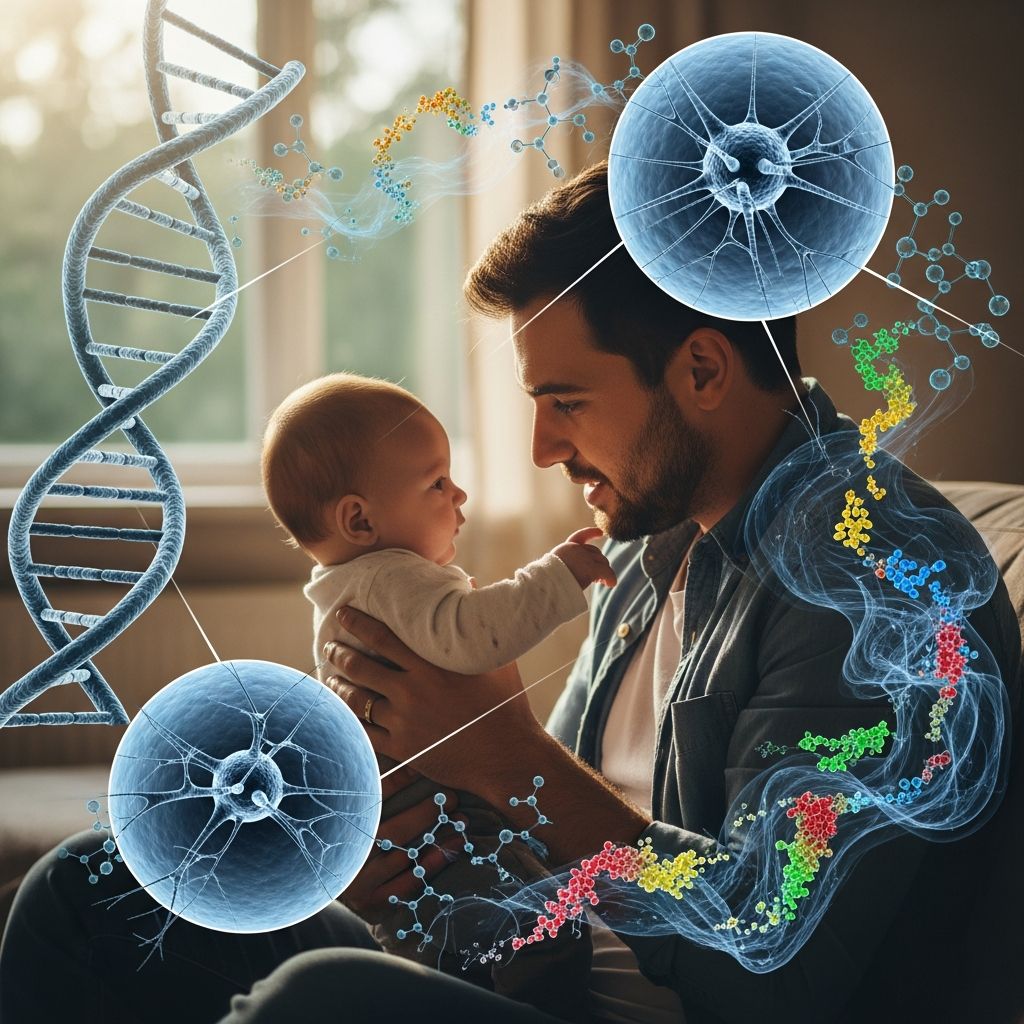
Fathers often exhibit remarkable speed and precision in protecting their children from danger, a phenomenon popularly known as “dad reflexes.” These instinctive actions stem from a combination of neurological adaptations, hormonal surges, and evolutionary programming that prime men for rapid response during parenthood.
Evolutionary Foundations of Paternal Protection
From an evolutionary standpoint, the drive to protect offspring ensures species survival. In mammals, including humans, parental instincts activate to shield young from predators or accidents. Research indicates that these reflexes are not exclusive to mothers but are robust in fathers, triggered by specific cues like infant cries.
Studies show that fathers respond to their baby’s distress signals with equal speed to mothers. When exposed to recordings of infant whimpers escalating to screams, both parents exhibit millisecond-level reactions via the orbitofrontal cortex, a brain region linked to emotional processing. This suggests that paternal vigilance is hardwired, countering assumptions of maternal superiority in responsiveness.
Neurological Rewiring in New Fathers
Becoming a father triggers profound brain changes. Functional MRI scans reveal that fathers process images of toddlers in reward centers more intensely than non-fathers, who prioritize sexual stimuli. This shift redirects energy toward family caregiving, enhancing motivation to monitor and protect children.
The frontal cortex, responsible for decision-making, amplifies pain tolerance and accelerates reactions when viewing children’s faces. Imprinting—bonding through a child’s unique scent, touch, and appearance—intensifies this response, creating a hyper-alert state tailored to one’s own offspring.
- Reward processing activation: Fathers show heightened activity in brain areas like the nucleus accumbens when seeing their kids.
- Decision-making enhancement: Frontal cortex boosts ignore-pain mechanisms during threats.
- Emotional bonding: Orbitofrontal cortex triggers rapid responses to cries.
Hormonal Drivers: Adrenaline and Norepinephrine
Dad reflexes are powered by the sympathetic nervous system’s fight-or-flight response. Adrenaline surges prepare the body for action, increasing heart rate and motor readiness. Men uniquely release high levels of norepinephrine under stress, linked to the SRY gene on the Y chromosome, heightening blood pressure and physical agility.
This hormonal cocktail enables feats like catching a falling child mid-air. Unlike sustained maternal intuition for prevention, paternal responses excel in acute, high-stakes interventions. Surgeons like Christopher Hollingsworth note that while mothers anticipate dangers, fathers dominate in split-second rescues.
| Hormone/Neurotransmitter | Role in Dad Reflexes | Sex-Specific Trait |
|---|---|---|
| Adrenaline | Initiates fight-or-flight | Universal, intensified by imprinting |
| Norepinephrine | Boosts motor activity and BP | Higher release in males (SRY gene) |
| Orbitofrontal signals | Triggers emotional urgency | Equal in parents |
Psychological and Emotional Dimensions
The journey to fatherhood involves grappling with immense responsibility, fostering a protective mindset. Qualitative studies reveal men’s initial uncertainties evolve into confident paternal identity through positive interactions, like soothing a child. Successes in caregiving affirm competence, reinforcing instincts.
These reflexes alleviate paternal fears of inadequacy. Viral videos of dads saving kids from mishaps provide reassurance, portraying fathers as reliable guardians. This cultural archetype taps into primal biology, offering dopamine rewards from successful interventions.
Factors That Can Impair Reflexes
Not all fathers experience unimpeded dad reflexes. Mental health issues like depression, addiction, or OCD can dull responses. Postpartum depression in fathers disrupts the sympathetic nervous system, underscoring the need for mental health support.
Substance abuse overrides protective instincts, while chronic stress may desensitize reactions. Maintaining physical and psychological wellness is crucial for optimal paternal responsiveness.
Benefits of Engaged Fatherhood
Beyond reflexes, active father involvement yields lasting child benefits. Children with involved dads exhibit fewer risky behaviors, delayed sexual debut, and better academic outcomes. The “father effect” promotes emotional resilience and social skills.
- Reduced high-risk behaviors in teens.
- Improved school performance.
- Enhanced emotional regulation.
Real-World Examples and Cultural Impact
Social media amplifies dad reflexes through hashtags like #DadReflexes, with subreddits garnering hundreds of thousands of followers. Clips of fathers catching foul balls or diverting falls go viral, blending adrenaline with relief.
These moments humanize masculinity, presenting it as protective rather than aggressive. They appeal universally, evoking nostalgia for ideal fatherhood and consoling current dads that instincts will prevail in crises.
Frequently Asked Questions
Do only fathers have these protective reflexes?
No, both parents possess them, but fathers’ responses are characterized by intense norepinephrine-driven action, while mothers often excel in proactive prevention.
Can mental health issues affect dad reflexes?
Yes, conditions like depression or addiction can impair the fight-or-flight system, reducing responsiveness.
Are dad reflexes learned or innate?
They are innate, rooted in evolutionary biology and amplified by hormonal and brain changes during fatherhood.
How do dad reflexes benefit children long-term?
Involved fathers contribute to better emotional health, academic success, and reduced risky behaviors in kids.
Why do dad reflex videos resonate culturally?
They portray fathers as heroic protectors, providing reassurance amid evolving gender roles and alleviating parenting anxieties.
Practical Tips for Enhancing Paternal Instincts
To sharpen reflexes, fathers should prioritize sleep, exercise, and stress management. Bonding activities like skin-to-skin contact strengthen imprinting. Mindfulness practices can heighten situational awareness without inducing anxiety.
Regular family routines build confidence, turning abstract instincts into reliable actions. Consulting healthcare providers for mental health ensures reflexes remain unhindered.
References
- The Heart-warming Brilliance of “Dad Reflexes” & Why They Show Man at His Best — The Father Hood. 2023-05-15. https://www.the-father-hood.com/article/the-wondrous-reassurance-of-dad-reflexes-why-they-show-man-at-his-best/
- How ‘Dad Reflexes’ Prime Fathers To Keep Their Kids Safe — Fatherly. 2023-08-20. https://www.fatherly.com/health/the-science-of-dad-reflexes
- Paternal Instinct: Why Men Go Gaga Over Babies, Too — Literary Hub. 2022-11-10. https://lithub.com/paternal-instinct-why-men-go-gaga-over-babies-too/
- Dad Bods And Dad Brains: The New Science Of Fatherhood — Fatherly. 2024-01-12. https://www.fatherly.com/health/dad-psychology-science-fatherhood
- Becoming a father: a qualitative study on the journey to fatherhood — PMC (PubMed Central). 2024-03-05. https://pmc.ncbi.nlm.nih.gov/articles/PMC11016947/