When a mom discovered that her ex and his new girlfriend had given their newborn baby the exact same name as their 10-year-old daughter, the internet lit up with shock, anger, and confusion.
The Viral Situation: What Happened?
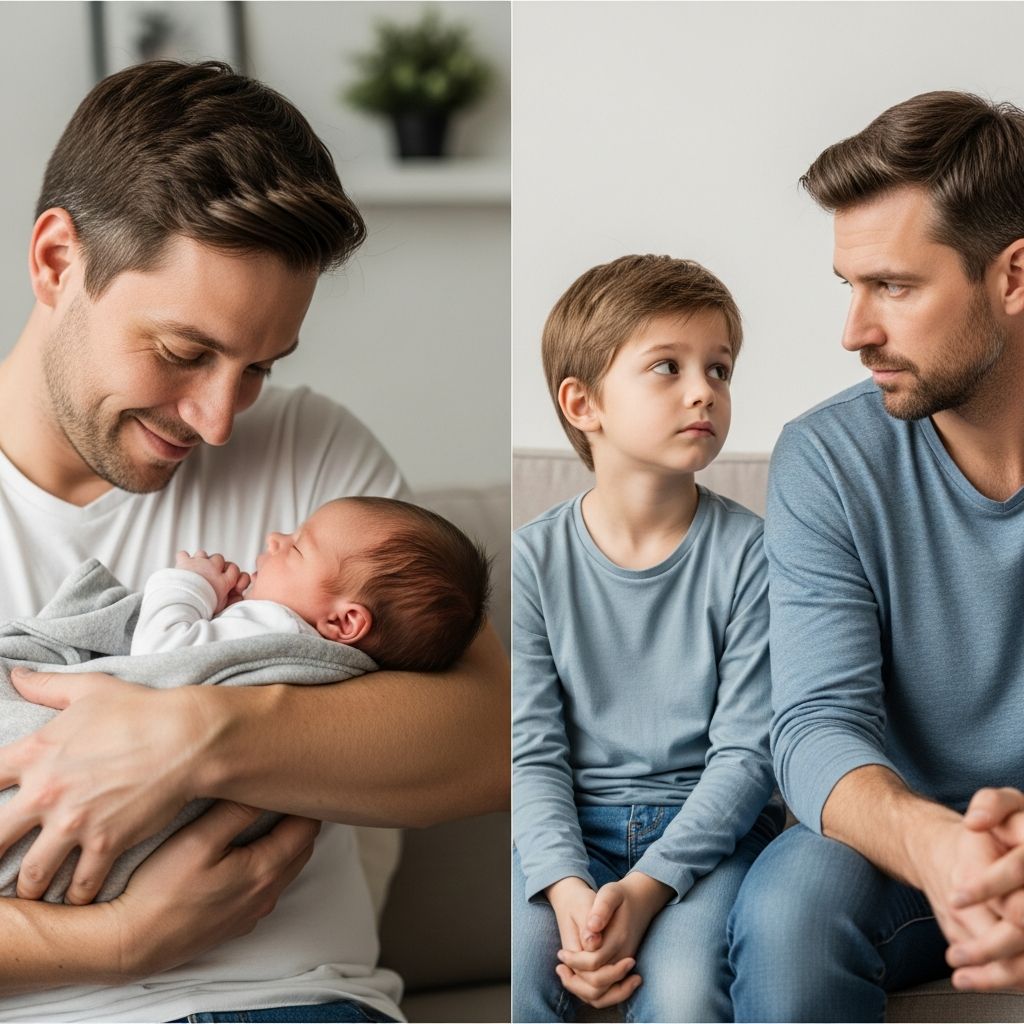
The story centers on a mom who shares that her former partner and his current girlfriend recently welcomed a new baby and chose the same first and middle name that their 10-year-old daughter already has.
Commenters reacted strongly, describing the decision as insensitive and disrespectful to the older child, and many questioned what it might say about the father’s attitude toward both of his daughters.
- The older child is around 10 years old and already strongly identifies with her name.
- The dad and his new partner used the exact same first and middle name for their newborn.
- The mom learned about the name choice after the baby’s birth, which intensified feelings of hurt and betrayal.
Why the Story Struck Such a Nerve
Baby name debates are always emotional, but this situation triggered an especially intense response because it touches on identity, favoritism, replacement fears, and the complexities of blended families.
Many readers felt that giving two daughters the same name sends a confusing message about individuality and may make the older child feel less special or even replaced.
- Names carry meaning, history, and emotional weight inside families, especially when parents have separated.
- Online commenters described the name choice as “cruel,” “lazy,” or “deeply thoughtless,” pointing to a lack of empathy for the older child.
- People also worried about long-term confusion in school, medical records, and family events.
The Emotional Impact on the 10-Year-Old
At around 10 years old, most kids have a strong sense of personal identity, and their name is a big part of that.
Learning that a parent gave a new baby sibling the exact same name risks making an older child feel interchangeable, less valued, or as if her role in the family can be copied and pasted.
Possible Feelings the Child May Experience
- Confusion: Wondering why her dad would choose to give another child “her” name and what that means about her place in his life.
- Jealousy or hurt: Feeling pushed aside or replaced by the novelty of the new baby.
- Anger or resentment: Directing frustration toward her dad, the baby, or the new partner.
- Shame or embarrassment: Worrying about explaining the situation to friends or teachers when it inevitably comes up.
These feelings can be complicated by the realities of co-parenting, where children may already be navigating divided time, different rules in two households, and loyalty conflicts between adults.
Online Reactions: Outrage, Confusion, and a Few Defenses
In the comments and reactions surrounding the story, most people sided with the mom and older daughter, calling the dad’s choice “unbelievable” and “disrespectful.”
A smaller number of voices tried to defend the decision, speculating that the dad might see it as honoring his first child or trying to “keep the name in the family,” though even those commenters often admitted the execution was clumsy at best.
| Reaction Type | Core Message | Primary Concern |
|---|---|---|
| Outrage | The choice is disrespectful to the 10-year-old. | Child feeling replaced or devalued. |
| Confusion | Why would anyone give siblings the exact same name? | Practical confusion and emotional mixed messages. |
| Defense | Maybe he meant to honor his eldest daughter. | Intent versus impact on the child. |
| Humor | Jokes about roll call and holidays with “two of the same.” | Highlighting how absurd the situation looks from the outside. |
Intent vs. Impact in Parenting Decisions
Even if the dad believed that reusing his daughter’s name was a sweet tribute, intent does not erase the emotional impact choices like this can have on children.
Parents in blended or co-parenting situations often underestimate how symbolic decisions—names, traditions, and roles—can either reinforce or undermine a child’s sense of security and uniqueness.
- Good intentions can coexist with harmful outcomes if a parent fails to consider a child’s point of view.
- Talking through big symbolic decisions in advance can help surface blind spots and avoid long-lasting hurt.
Co-Parenting and Basic Respect
This story also highlights how much co-parenting depends on respect between adults, even when they are no longer together romantically.
Using a shared child’s exact name for a new baby suggests a breakdown in communication and a lack of consideration for how the decision might land with both the child and the other parent.
Healthy Co-Parenting Principles
- Communicate about major symbolic choices: Names, big moves, and new partners play a major role in a child’s emotional world.
- Prioritize the child’s viewpoint: Ask how a child might interpret a decision, not just how adults rationalize it.
- Avoid avoidable hurt: Even if something is technically allowed, responsible parents avoid choices that predictably confuse or wound a child.
How This Affects Blended Families
Blended families already ask children to adapt to new siblings, new routines, and sometimes new homes, which can feel destabilizing.
Giving siblings the same name can intensify rivalry and insecurity, particularly if one child fears being replaced by the baby who shares her name.
- Children in blended families often worry about where they “fit” and whether there is enough love and attention to go around.
- Clear differentiation—separate names, roles, and special traditions—helps each child feel recognized and secure.
Practical Ways to Protect a Child’s Identity
When a child’s sense of self feels threatened, parents and caregivers can take specific steps to reinforce that child’s uniqueness and value.
Even if a naming decision cannot be undone, adults can work together to cushion the emotional impact and validate the child’s feelings.
Steps the Mom (or Any Caregiver) Can Take
- Validate feelings: Tell the child that it makes sense to feel upset, confused, or angry and that her name still belongs fully to her.
- Reinforce her story: Share the history behind her name, what it means, and why it was chosen just for her.
- Create special rituals: For example, a yearly “name day” tradition or a keepsake that celebrates her identity.
- Advocate calmly: When possible, the other parent can be approached to discuss practical ways to reduce confusion and emotional harm, such as using distinct nicknames in different households.
Naming New Siblings: What Parents Should Consider
Most parents doing a second (or third) round of baby naming focus on how names sound together and whether anyone else in the family already has the same or a very similar name.
In co-parenting situations, there is an added responsibility to think through how each choice will land with existing children and whether it supports or harms their emotional security.
| Question | Why It Matters |
|---|---|
| Does any current child already have this name or something extremely close? | Avoids confusion and protects each child’s unique identity. |
| Could this name feel like a replacement, comparison, or competition? | Reduces rivalry and feelings of being “second best.” |
| Have we talked about this name with the co-parent (if appropriate)? | Signals respect and keeps the focus on the child’s emotional needs. |
| What story will we tell the older child about this choice? | Builds a consistent, thoughtful narrative that supports security and trust. |
Communication Strategies for Difficult Co-Parenting Moments
When a co-parent makes a controversial decision—like naming a new baby the same as an older child—the other parent often has to balance advocating for the child with maintaining a workable relationship.
Clear, boundary-focused communication can reduce escalation while still centering the child’s needs.
Tips for Talking to a Co-Parent
- Use “child-first” language, such as “I’m worried about how this will make her feel” instead of “You were wrong to do this.”
- Describe specific scenarios (like school roll call or holidays) where confusion or hurt may arise.
- Suggest concrete compromises, such as distinct nicknames, different middle-name use, or clear ways to differentiate the siblings in daily life.
What This Story Teaches About Respecting Children
Underneath the drama of this viral story is a simple truth: children pay close attention to what adults do, especially in fractured family landscapes.
When parents treat a child’s identity—including her name—as precious and non-interchangeable, it reinforces the belief that she is valued as an individual, not as a role that can be duplicated.
FAQs About Naming Conflicts in Blended Families
Is it ever okay to give siblings the same name?
Most experts and parents would say no, especially when the children are close in age or share a parent, because it creates confusion and can send the message that one child is not fully unique.
What if the parent says the name choice was meant as an honor?
Honoring a child is a lovely idea, but it should never come at the cost of that child’s emotional safety; the child’s interpretation and feelings matter more than the adult’s intended symbolism.
How can a parent support a child who feels replaced by a new sibling?
Support often looks like validating the child’s emotions, making intentional one-on-one time, and re-affirming the child’s unique place in the family through stories, rituals, and consistent affection.
Should kids be involved in naming new siblings?
Older children do not need full decision power, but being respectfully consulted can help them feel included and less anxious about their changing family structure.
What can co-parents do to prevent similar conflicts?
Co-parents can agree in advance that names, big moves, schooling, and other symbolic decisions will be discussed ahead of time with a shared focus on what best supports the child’s emotional health.