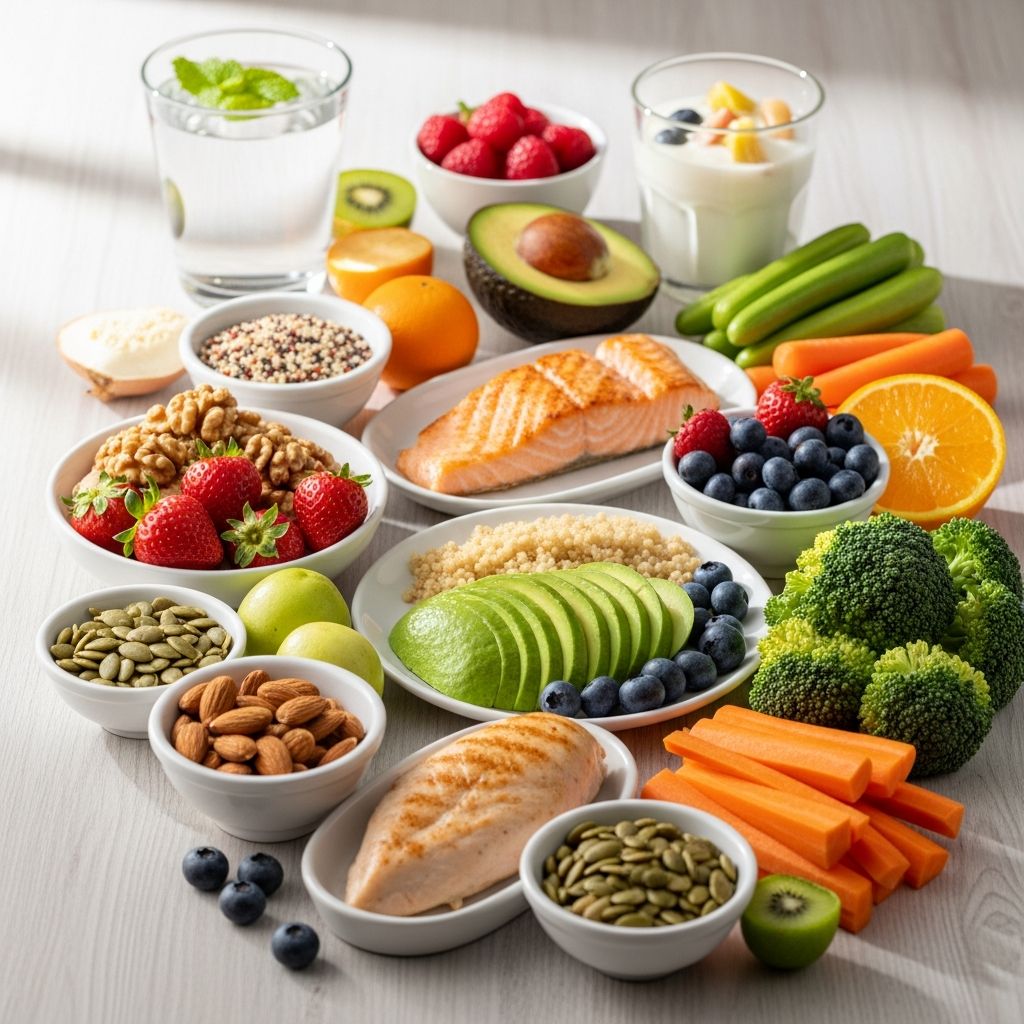
Food is more than fuel when you have cystic fibrosis (CF) – it is a key part of your treatment plan and affects your growth, strength, lung health, and energy. Eating well can help your body fight infections, keep your weight stable, and make it easier to stay active.
This guide is written for teens with CF who want clear, real-world advice on how to eat in a way that supports their health while still enjoying food and social life.
Why Nutrition Matters More When You Have CF
CF changes how your body handles food. Thick mucus can block the pancreas, which normally sends enzymes into the intestine to help digest fat, protein, and some vitamins. When those enzymes do not reach your gut, your body has a harder time absorbing nutrients, especially fat and fat-soluble vitamins.
Because of this, many people with CF need:
- More calories than their peers to grow and stay healthy
- Extra fat for concentrated energy and weight maintenance
- Pancreatic enzymes to digest and absorb food
- Extra salt because more salt is lost in sweat
- Vitamin and mineral supplements to cover what is not absorbed well
Working with your CF care team and dietitian can help you build an eating plan that fits your lifestyle, culture, and taste preferences.
The Basics: What a Balanced CF-Friendly Diet Looks Like
Even with higher calorie needs, the foundation of your diet should still be familiar healthy foods. A balanced pattern usually includes:
- Plenty of fruits and vegetables for vitamins, minerals, and fiber
- Whole grains like oats, brown rice, and whole-wheat bread for lasting energy
- Protein-rich foods such as meat, fish, eggs, dairy, soy, nuts, and beans
- Heart-healthy fats like olive oil, canola oil, nut butters, seeds, avocado, and fatty fish
- Dairy or fortified alternatives for calcium and vitamin D
For many teens with CF, the big difference is not what you eat, but how much and how often you eat these foods.
How Many Calories Do Teens With CF Usually Need?
Most healthy teens without CF need around 2,000–2,500 calories per day, depending on their age, sex, and activity level. Teens with CF may need up to twice as many calories – about 3,000–5,000 calories per day – to maintain good growth and lung health.
Your exact needs depend on:
- Your height, weight, and growth pattern
- How active you are (sports, walking, strength training)
- How well you absorb fat and other nutrients
- Whether you are fighting an infection or recovering from illness
| Group | Usual Range Without CF | Possible Range With CF |
|---|---|---|
| Teen girls | ~1,800–2,400 kcal/day | ~2,500–4,000+ kcal/day |
| Teen boys | ~2,000–3,000 kcal/day | ~3,000–5,000+ kcal/day |
These ranges are only rough estimates. Your CF dietitian can help you find your calorie target and show you how to reach it without feeling overstuffed.
Protein, Fat, and Carbs: Getting the Right Mix
All three major nutrients are important, but they play slightly different roles when you have CF.
Protein: Building and Repairing Your Body
Protein helps build muscle, repair tissues, and support your immune system. Teens with CF are often encouraged to get protein at every meal and snack so their bodies always have what they need to grow and recover.
Good sources of protein include:
- Eggs, cheese, yogurt, milk
- Chicken, turkey, beef, pork, fish, shellfish
- Tofu, tempeh, soy drinks
- Beans, lentils, chickpeas
- Nuts, seeds, and nut butters
Some CF nutrition guidelines suggest that around 15%–20% of total calories come from protein-rich foods. Your dietitian can personalize that range for you.
Fat: Concentrated Energy
Fat is the easiest way to boost calories because it gives more than twice as much energy per gram as protein or carbs. Many CF care teams recommend a high-fat diet, focusing on healthy fats.
Helpful sources of fat include:
- Oils like olive, canola, and sunflower oil
- Avocado and guacamole
- Nut butters (peanut, almond, cashew) and seeds
- Fatty fish such as salmon or mackerel
- Full-fat dairy products if tolerated
Some teens with CF also use high-calorie drinks or shakes to help meet their energy goals, guided by their care team.
Carbohydrates: Fuel for Muscles and Brain
Carbohydrates (carbs) are your body’s main source of quick energy. Focus on:
- Whole grains like oatmeal, whole-wheat pasta, quinoa, and brown rice
- Starchy foods such as potatoes, corn, and beans
- Fruits and vegetables for vitamins, minerals, and fiber
Sweet drinks and desserts can fit into a CF diet, but they should not crowd out nutrient-rich foods. If you have CF-related diabetes, your care team will help you balance carbs with insulin, activity, and overall calorie needs.
Pancreatic Enzymes: Making Your Food Count
Many people with CF take pancreatic enzyme replacement therapy (PERT) with meals and snacks. These capsules contain enzymes that help your body break down fat, protein, and starch so you can absorb them.
General principles your care team may emphasize include:
- Take enzymes right before or with the first bites of food.
- Use enzymes with all meals and snacks that contain fat or protein, unless your provider says otherwise.
- Carry enzymes with you for school, sports, and eating out.
- Tell your team if you notice symptoms of poor absorption such as greasy stools, bloating, gas, or belly pain.
Never change your enzyme dose on your own; always check with your CF team first.
Salt, Fluids, and Vitamins: Extra Nutrients You May Need
Salt and Fluid Needs
Because people with CF lose more salt in their sweat, they are at higher risk of low sodium, especially in hot weather or during sports.
Your care team may suggest:
- Adding extra salt during cooking or at the table
- Choosing salty snacks like pretzels, crackers, or soup
- Using sports drinks during long or intense exercise, especially in heat
- Drinking enough fluids throughout the day to stay hydrated
Vitamins and Minerals
CF can make it harder to absorb fat-soluble vitamins A, D, E, and K, which are important for vision, bone health, immunity, and blood clotting. Teens with CF often take special CF-specific multivitamins that have extra amounts of these nutrients.
Two mineral groups are especially important in the teen years:
- Calcium and vitamin D for strong bones; dairy and fortified drink alternatives are common sources.
- Iron and zinc to support red blood cells, immunity, and growth; meat, fortified cereals, beans, and seafood are useful foods.
Your team may order blood tests to check vitamin levels and adjust supplements if needed.
Building a Typical High-Energy Day
For many teens with CF, eating enough is easier when food is spread into three meals plus two to three snacks rather than trying to eat very large meals.
Here are ideas for boosting calories without always increasing portion size:
- Stir olive oil or butter into pasta, rice, or cooked vegetables.
- Add shredded cheese to eggs, potatoes, tacos, soups, and casseroles.
- Blend nut butter or full-fat yogurt into smoothies.
- Top toast, crackers, or fruit with cream cheese, hummus, or guacamole.
- Choose whole milk or fortified shakes instead of low-fat milk or water when extra calories are needed.
Snacking Smart: Easy Ways to Add Calories
Snacks play a big role in meeting your daily energy goals. Aim to include both protein and fat when possible so snacks keep you full longer.
Examples of higher-calorie snack ideas include:
- Trail mix with nuts, seeds, and dried fruit
- Peanut butter or other nut butter on bread, crackers, or apple slices
- Yogurt with granola and fruit (choose higher-fat options if advised)
- Cheese with whole-grain crackers or tortillas
- Leftover pasta, chili, or pizza warmed up after school
- Homemade milkshakes made with ice cream and whole milk
Remember to take enzymes with snacks that contain fat or protein if your care team has recommended that for you.
Eating at School, With Friends, and on the Go
CF nutrition has to fit into real life. Planning ahead helps you manage meals and snacks when you are not at home.
Useful strategies include:
- Keep enzymes in your backpack, locker, or purse (in a safe, dry container).
- Talk with your school nurse or counselor so they understand your need for enzymes, extra snacks, or more salt.
- Pack portable snacks like granola bars, nuts, cheese sticks, or nut butter packets.
- At restaurants, look for meals that include protein, carbs, and some fat – then add extra calories with cheese, sauces, or sides.
- During sports or band practice, combine salty snacks with fluids or sports drinks as recommended.
You do not have to explain your entire medical history to friends, but having a simple script like “I have a condition that means I need extra calories and these pills help me digest food” can make social eating feel easier.
Staying on Track: Working With Your CF Care Team
Nutrition is not something you have to manage alone. CF guidelines encourage regular visits with a multidisciplinary care team, including a dietitian who understands CF.
They can help you:
- Set realistic weight and growth goals
- Adjust your calorie and protein targets as you grow
- Fine-tune enzyme doses based on symptoms
- Choose supplements or shakes when needed
- Review lab results and tweak vitamin or mineral doses
If you notice changes such as weight loss, lower appetite, increased coughing, or more digestive problems, let your team know promptly. Nutrition often needs to be adjusted during infections or times of higher stress.
Frequently Asked Questions (FAQs)
Why do I have to eat more than my friends who do not have CF?
With CF, your body works harder to breathe and fight infections, and you may not absorb all the calories you eat because of pancreatic and digestive issues. Eating more helps make up for those extra energy needs so you can grow, stay strong, and keep your lungs as healthy as possible.
Do I have to avoid all fast food and desserts?
Not usually. For many teens with CF, higher-calorie foods like fast food or desserts can help increase energy intake, especially when combined with enzymes and an overall balanced diet. Your CF dietitian can suggest how often these foods fit into your plan and how to pair them with nutritious options so you still get enough vitamins, minerals, and protein.
What happens if I skip my enzymes before a meal?
Without enzymes, your body may not digest fat and protein properly, which can lead to gas, bloating, greasy stools, belly pain, and poor weight gain over time. If you forget enzymes occasionally, follow your care team’s instructions on what to do; if you forget often, talk with them about ways to build a more reliable routine.
How can I tell if I am getting enough nutrition?
Key signs include stable or increasing weight, normal growth for your age, good energy for daily activities, and fewer signs of malabsorption such as frequent greasy stools. Your CF team also follows your body mass index (BMI), lung function, and lab tests to check whether your nutrition plan is working well.
Is it normal to feel stressed about food when I have CF?
Many teens with CF feel pressure around eating, especially when they are asked to eat more than they feel hungry for or to take enzymes in front of others. It is common and understandable. Sharing how you feel with your family, dietitian, or a mental health professional on your CF team can help you find strategies that reduce stress and make eating feel more normal and enjoyable.
References
- Nutritional Basics — Cystic Fibrosis Foundation. 2023-06-01. https://www.cff.org/managing-cf/nutritional-basics
- Teens — The Cystic Fibrosis Center at Stanford. 2022-05-10. https://med.stanford.edu/cfcenter/teens.html
- Cystic Fibrosis: Diet and Nutrition — Children’s Minnesota. 2021-09-15. https://www.childrensmn.org/educationmaterials/teens/article/9052/cystic-fibrosis-diet-and-nutrition/
- Eating Healthy as a Teenager With Cystic Fibrosis — Boston Children’s Hospital. 2024-04-01. https://www.childrenshospital.org/sites/default/files/2024-04/cystic-fibrosis-resources-teen-eating-healthy.pdf
- Nutrition — Johns Hopkins Cystic Fibrosis Center. 2023-02-20. https://hopkinscf.org/clinical-care/nutrition/
- When Your Child Has Cystic Fibrosis: Maintaining Good Nutrition — UMass Memorial Health. 2022-11-05. https://www.ummhealth.org/health-library/when-your-child-has-cystic-fibrosis-maintaining-good-nutrition