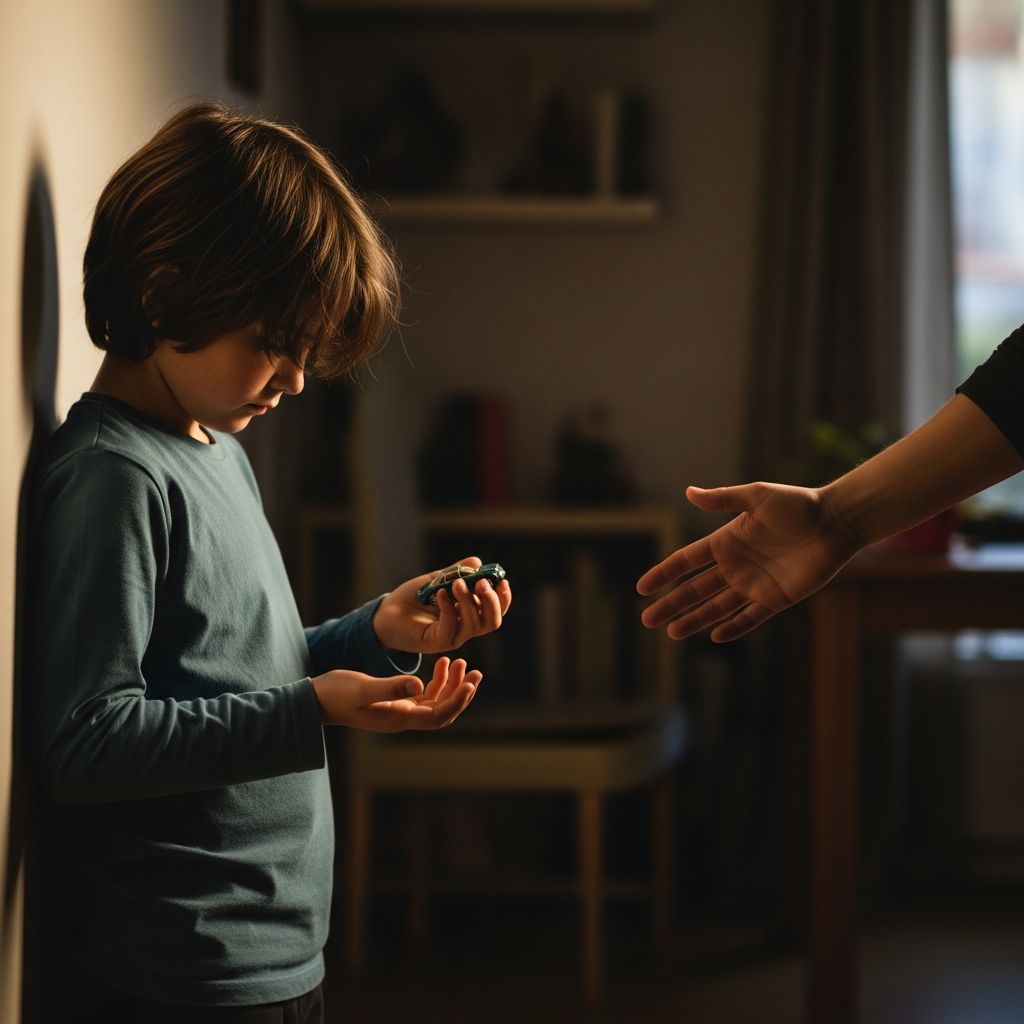
Phones, social media, gaming platforms, and group chats can be amazing ways to stay in touch, share interests, and find community. But the same tools that connect people can also be used to hurt, embarrass, and isolate others. When cruelty happens through technology, it becomes cyberbullying – and it can be just as painful, or even more intense, than bullying that happens face to face.
This article explains what cyberbullying looks like, why it hits so hard, and how to protect your mental health, stand up for yourself, and support others. It is written for teens and young people, but parents, caregivers, and educators can also use it to better understand what you may be going through.
What Cyberbullying Really Is
Cyberbullying is not just one rude comment or a disagreement online. It is repeated, harmful behavior that uses digital tools to target someone. The goal is to embarrass, scare, threaten, control, or cut a person out of a group.
Cyberbullying can happen on:
- Social media apps (like image, video, or messaging platforms).
- Group chats and direct messages.
- Online games and voice chat channels.
- Email or texting.
- Anonymous Q&A or gossip sites.
Common Ways Cyberbullying Shows Up
Cyberbullying can be obvious and aggressive, or quiet and sneaky. Some behaviors are easy to spot, while others feel more like being slowly pushed out of your own social world.
- Harassing messages: Repeated mean texts, DMs, or comments meant to insult or humiliate.
- Public humiliation: Posting screenshots, photos, or videos to make someone look foolish or disgusting.
- Rumors and lies: Spreading false information to damage a person’s reputation or friendships.
- Impersonation: Pretending to be someone else, using fake accounts to send cruel messages or start drama.
- Exclusion: Leaving someone out on purpose from group chats, parties, or games and making sure they know it.
- Doxxing or exposure: Sharing private details (like addresses, secrets, or screenshots of personal conversations) without permission.
- Threats: Messages that imply physical harm, blackmail, or threats to share private photos or information.
If you feel repeatedly targeted, scared, or embarrassed because of what happens on your screen, that experience matters – even if someone tells you it is “just a joke” or “no big deal.”
Why Cyberbullying Can Hurt So Much
People sometimes think online cruelty is easier to ignore because it is “not real life.” But your brain and body do not make that distinction. They react to humiliation, rejection, and fear online much like they would if everything happened in a hallway or classroom.
- It follows you home. Instead of leaving the bullying at school, your phone can bring it into your bedroom, your bus ride, and even late at night.
- It can spread fast. A single post or screenshot can reach large groups within minutes, which can make embarrassment feel overwhelming.
- It feels permanent. Even if something is deleted, you may worry that someone saved it or will share it again later.
- You cannot see reactions. Without facial expressions or tone, it can be harder to know who supports you and who is laughing along, which increases anxiety.
Emotional and Mental Health Effects
Cyberbullying can deeply affect how you feel about yourself, your relationships, and your future. Not everyone responds in the same way, but many people targeted by online cruelty experience:
- Intense sadness, emptiness, or feeling numb.
- Increased anxiety, worry, or panic about going online or to school.
- Shame, embarrassment, or wishing they could disappear.
- Feeling rejected, unlovable, or like a burden.
- Loss of interest in hobbies, friends, or future plans.
- Thoughts of self-harm or suicide in serious cases.
If you recognize yourself in these reactions, you are not overreacting. These are human responses to being targeted and isolated, not signs of weakness.
Physical and School-Related Signs
Emotional stress often shows up in the body and in daily life. Cyberbullying can affect your sleep, your ability to focus, and your performance at school.
- Headaches, stomachaches, or feeling sick before school or when checking messages.
- Trouble sleeping, nightmares, or staying up late to constantly monitor notifications.
- Changes in eating habits, like eating much more or much less.
- Declining grades, missing assignments, or skipping school because you fear running into people involved.
Types of Roles in Cyberbullying
Many people imagine only two sides: the bully and the victim. In reality, online situations are more complicated. A person can play different roles at different times – and some roles carry more power to stop the harm than you might think.
| Role | What It Might Look Like | Better Choice You Can Make |
|---|---|---|
| Target | Being mocked, exposed, or excluded online over and over. | Reach out for support, save evidence, and set boundaries. |
| Person doing the bullying | Posting cruel comments, sharing private info, or organizing exclusion. | Take responsibility, stop the behavior, and repair the damage. |
| Supporter | Sending laughing emojis, liking or sharing hurtful posts. | Unlike, remove, or report harmful content; check on the target. |
| Bystander | Seeing cruelty online and doing nothing. | Privately message support, report posts, or talk to a trusted adult. |
| Upstander | Speaking up respectfully, refusing to join in, and helping the target feel less alone. | Use your influence to change the tone of the conversation. |
Even small actions – like not sharing a hurtful screenshot or sending one kind message – can change how painful an experience feels for someone who is being targeted.
Signs You or a Friend May Be Experiencing Cyberbullying
Sometimes it is hard to admit you are being bullied. You might feel embarrassed, scared it will get worse, or worried that adults will take away your phone if you tell them. Paying attention to warning signs in yourself and your friends can help you act sooner.
Changes in Mood and Behavior
- Appearing upset, angry, or on edge right after using a phone or computer.
- Suddenly deleting accounts, blocking lots of people, or switching devices frequently.
- Withdrawing from friends, activities, or family time.
- Acting more secretive about screens, tilting them away, or quickly closing apps when someone walks by.
School and Daily Life Changes
- Refusing to go to school or certain classes.
- A noticeable drop in grades or missing assignments.
- Frequent complaints of headaches, stomachaches, or feeling “sick” without a clear reason.
- Staying up very late online, then struggling to get up in the morning.
None of these signs prove that cyberbullying is happening, but they are important signals that someone might need support and a safe person to talk to.
Practical Steps to Protect Yourself
You deserve to feel safe both offline and online. While no one can control everything that others do, there are concrete actions you can take to reduce harm and respond more effectively if you are targeted.
Before Anything Happens: Set Up Digital Safety
- Use privacy settings. Make accounts private when possible and control who can comment, tag, or message you.
- Limit personal information. Avoid posting details like your address, schedule, or school location in public spaces.
- Think before you share. Ask yourself how a message, photo, or video might be used out of context or without your permission.
- Choose strong passwords. Do not share them with friends; use different passwords for different accounts.
When Cyberbullying Is Happening
- Pause before reacting. Taking a screenshot and setting your device down for a moment can prevent you from replying in anger or fear.
- Save evidence. Keep screenshots, dates, usernames, and links. This can help if you decide to report it to the platform, school, or even law enforcement.
- Use platform tools. Block or mute the person, filter comments, and report abusive content using in-app options.
- Tell someone you trust. Reach out to a parent, caregiver, school counselor, teacher, coach, or another adult who has shown they listen and care.
- Avoid fighting back. Responding with more insults can escalate the situation and sometimes lead to blame on both sides.
Taking action is not tattling or being weak. It is choosing safety over silence.
How Parents and Trusted Adults Can Help
Adults sometimes underestimate how intense online drama can feel, or they may jump straight to taking away devices, which can make teens less likely to ask for help. If you are a parent, caregiver, or educator reading this, there are ways to respond that support, rather than shut down, communication.
- Stay calm and listen. Give the young person space to explain what is happening without interrupting or blaming.
- Ask what they need. Instead of rushing to solutions, ask what would help them feel safer right now.
- Work together on a plan. Collaborate on steps like blocking, reporting, changing settings, or involving the school.
- Avoid surprise punishments. Taking away all internet access can feel like punishing the target, not the person doing the bullying.
- Watch for mental health changes. If there are signs of depression, self-harm, or severe anxiety, connect them with a mental health professional.
Becoming an Upstander Online
Most teens will witness cyberbullying at some point, whether in a group chat, on a friend’s comments, or in a gaming lobby. Doing nothing can make the target feel more alone, even if you are not the one being cruel. You do not have to confront anyone directly to make a difference.
Safe Ways to Support Someone
- Check in privately. Send a message like “I saw what happened. You did not deserve that. Want to talk?”
- Avoid piling on. Do not like, share, or comment on hurtful posts, even as a joke.
- Report content. Use the platform’s tools to report abusive behavior or hate speech.
- Encourage them to get help. Offer to sit with them while they talk to a counselor or trusted adult.
Setting a Positive Tone
- Model respectful communication in your own posts and messages.
- Refuse to share screenshots meant to embarrass someone.
- Speak up in group chats when jokes go too far, if it feels safe to do so.
- Support school or community projects that promote kindness and digital responsibility.
When Cyberbullying Crosses the Line
Some actions online are not only cruel but also illegal or serious enough to require professional help. Knowing where that line is can guide your next steps.
- Threats of physical violence. Messages that suggest someone will be harmed or attacked.
- Sharing explicit images. Posting or threatening to post sexual images of a minor, even if the person originally shared them privately.
- Stalking or harassment. Persistent unwanted messages, tracking someone’s location, or creating multiple accounts to contact them.
- Hate-motivated attacks. Targeting someone because of their race, religion, gender, sexuality, disability, or other identity.
In these situations, it can be necessary to involve school officials, mental health professionals, or law enforcement. You do not have to decide this alone; seek guidance from a trusted adult.
Caring for Your Mental Health After Cyberbullying
Even after the bullying stops or the posts are removed, the emotional impact can linger. Healing is not just about fixing your online accounts; it is also about rebuilding your sense of safety, self-worth, and trust in others.
Steps Toward Healing
- Talk about it. Sharing your experience with someone safe can release shame and remind you that you are not alone.
- Limit exposure. Take breaks from certain apps, mute words or accounts, or temporarily log off to give yourself space.
- Rebuild your support network. Spend more time with people who make you feel safe and valued, both online and offline.
- Consider professional support. A counselor or therapist can help you process trauma, manage anxiety, and rebuild confidence.
Strengthening Your Digital Resilience
Resilience is not about “toughening up” or pretending words do not hurt. It is about learning skills and gathering support that help you get through hard experiences.
- Challenge cruel messages in your head by asking, “Do I have to believe this?”
- Remind yourself of your strengths, values, and the people who care about you.
- Follow accounts that focus on mental health, kindness, and positive communities.
- Unfollow or mute influencers or pages that make you feel inferior or constantly judged.
Frequently Asked Questions About Cyberbullying
Is cyberbullying really as serious as in-person bullying?
Yes. Online bullying can be just as damaging and sometimes more intense because it can reach large audiences quickly and follow you everywhere through your devices. Emotional, mental, and physical reactions to cyberbullying are very real and deserve support and attention.
What if I am not sure whether what I am experiencing is cyberbullying?
If you feel scared, humiliated, or constantly on edge because of repeated online behavior from others, it is worth taking seriously. You do not need a perfect label before you ask for help. Talk to someone you trust, describe what is happening, and work together on a plan to feel safer.
Will telling an adult just make things worse?
It can feel risky to involve adults, especially if you worry they will overreact or take away your devices. However, keeping everything inside often makes the stress grow. You can start by choosing an adult who has listened respectfully before and explaining what kind of help you want and do not want.
What if I have been cruel online too?
Participating in cyberbullying – whether starting it, joining in, or just laughing along – does not have to define you forever. You can choose to stop, apologize where it is safe, remove hurtful posts, and commit to being more thoughtful going forward. Owning your mistakes is a powerful step toward becoming someone others can trust.
Can things ever go back to normal after a big incident online?
It might not feel like it when you are in the middle of the situation, but the intensity usually fades over time, especially when you get support and take steps to protect yourself. You may not forget what happened, but you can grow stronger, rebuild trust, and create new experiences that are not defined by the bullying.
Moving Toward a Kinder Digital World
Cyberbullying is not just a “teen problem” – it is a reflection of how people use technology and how communities respond when harm happens. Every person online has power: the power to hurt, to ignore, or to help. Choosing empathy, setting respectful boundaries, and supporting those who are targeted can slowly shift the culture of your group chats, schools, and platforms.
You deserve spaces – both offline and online – where you can show up as yourself without fear of being attacked or humiliated. Learning about cyberbullying, speaking up when it is safe, and reaching out for help when you need it are not just ways to protect yourself. They are also ways to help build the kind of online world you and others deserve.