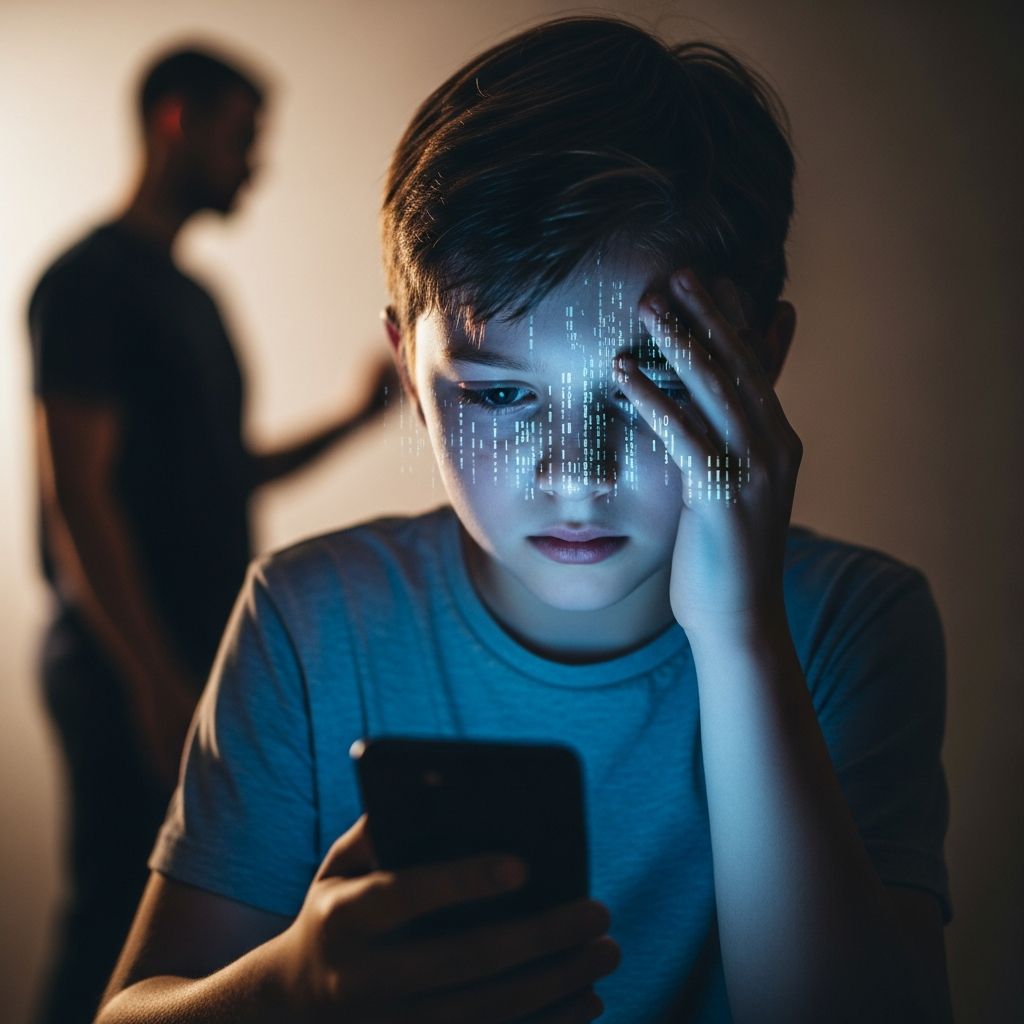
Digital platforms have transformed how children connect, but they also introduce risks like cyberbullying, where harmful actions occur online. Parents play a crucial role in recognizing this threat early and implementing safeguards to protect their kids’ well-being.
Understanding the Nature of Online Harassment
Cyberbullying involves using electronic devices to repeatedly target someone with unwanted aggressive behavior, such as sending harmful messages, sharing embarrassing images, or excluding peers from digital groups. Unlike traditional bullying, it follows victims home via smartphones and computers, making escape difficult.
This form of harassment thrives on platforms like social media, gaming apps, and messaging services. Common tactics include spreading rumors, creating fake profiles for impersonation, or persistent unwanted contact despite requests to stop. A study of U.S. middle and high school students found over 30% experience some form, highlighting its prevalence.
Why Digital Bullying Hits Harder Than Traditional Forms
The persistent and public nature of cyberbullying amplifies its damage. Content can spread rapidly to wide audiences, be accessed anytime, and remain online indefinitely, intensifying humiliation. Victims often feel powerless because perpetrators can hide behind anonymity.
Research indicates cyberbullying victims report worse outcomes than those facing only in-person bullying, including heightened depression, anxiety, and physical complaints like headaches or sleep issues. Even subtle acts, such as exclusion from chats, link to PTSD symptoms as strongly as direct threats.
| Type of Cyberbullying | Description | Potential Impact |
|---|---|---|
| Exclusion | Left out of group chats or online events | Feelings of isolation and rejection |
| Impersonation | Fake accounts mimicking the victim | Reputation damage and trust erosion |
| Gossip/Rumors | Spreading false stories online | Anxiety and social withdrawal |
| Threats/Stalking | Harassing messages or monitoring | Fear and safety concerns |
Profound Psychological and Physical Toll on Youth
Exposure to cyberbullying correlates with serious mental health challenges. Victims often exhibit depression, anxiety, low self-esteem, and suicidal thoughts. A national study linked it to PTSD-like symptoms, with 32% of trauma variance explained by bullying frequency alone. Girls and younger teens may show elevated symptoms, though exposure level is the key predictor.
Physical manifestations include chronic headaches, stomach problems, sleep disturbances, and weakened immunity from stress. Academic performance suffers too, with increased absenteeism and lower grades. In severe cases, it contributes to self-harm or substance use, underscoring its classification as an adverse childhood experience.
- Higher rates of emotional distress and externalizing behaviors like delinquency
- Detachment from friends and avoidance of school
- Somatic issues such as poor appetite and nightmares
- Long-term risks including poorer physical health into adulthood
Spotting the Warning Signs in Your Child
Children may hide cyberbullying due to shame or fear of losing device access. Watch for sudden changes: reluctance to use gadgets, secretive online behavior, or emotional shifts like irritability or sadness. Academic slips, social withdrawal, or unexplained injuries signal deeper issues.
Behavioral red flags include:
- Avoiding discussions about online activities
- Frequent nightmares or sleep loss
- Decline in hobbies or peer interactions
- Expressions of hopelessness or anger outbursts
Physical clues like appetite changes or frequent illnesses often accompany these, prompting parents to investigate gently without accusation.
Proactive Steps for Prevention at Home
Building a safe digital environment starts with open communication. Discuss online risks regularly, emphasizing that kids can share problems without judgment. Set clear rules: limit screen time, require friend approvals on social apps, and use privacy settings.
Monitor activity through shared accounts or parental controls, but balance with trust to avoid rebellion. Teach digital etiquette, like not sharing personal info or responding to provocations. Role-play scenarios to build resilience and reporting habits.
Navigating School and Community Support Systems
Schools often have anti-bullying policies covering cyber incidents. Inform teachers or counselors promptly, providing evidence like screenshots. Collaborate on investigations while respecting privacy laws. Community resources, such as hotlines, offer confidential advice.
Encourage bystander intervention: peers reporting issues can halt escalation. Programs teaching empathy online empower students to foster positive digital spaces.
Immediate Response Strategies When Bullying Occurs
Stay calm and reassure your child it’s not their fault. Document everything: save messages, URLs, and dates without engaging the bully. Block offenders and adjust privacy settings swiftly. Report to platforms, as many have abuse tools.
Seek professional help if symptoms persist—therapists specializing in youth trauma can aid recovery. Avoid punishing device access harshly; instead, supervise to rebuild safety. Legal action may apply for threats or severe cases, consulting authorities.
Empowering Kids to Build Digital Resilience
Foster confidence through offline strengths: sports, arts, or family time counter online negativity. Teach assertiveness, like saying “stop” publicly or seeking allies. Promote positive posting habits to shape healthy self-image.
Long-term, digital literacy classes equip kids to spot manipulation. Parental modeling—demonstrating kind online behavior—reinforces lessons effectively.
Frequently Asked Questions (FAQs)
What should I do first if my child is cyberbullied?
Listen empathetically, document evidence, block the bully, and report to the platform. Reassure them and monitor for emotional distress.
Is cyberbullying more harmful than schoolyard bullying?
Yes, studies show it leads to worse mental health outcomes due to its pervasive, 24/7 nature and wide reach.
How can I prevent cyberbullying without invading privacy?
Use open talks, shared rules, and privacy tools. Build trust so kids report issues voluntarily.
Can subtle bullying like exclusion cause real harm?
Absolutely—even indirect acts like group chat exclusion link to PTSD symptoms comparable to threats.
What role do schools play in addressing cyberbullying?
Many have policies requiring action on reported incidents, including digital ones affecting school life.
Future Outlook: Safer Digital Landscapes Ahead
Advancements in AI moderation and stricter platform policies promise reductions, but parental vigilance remains key. Ongoing research drives better interventions, emphasizing early detection and holistic support for thriving youth.
References
- Cyberbullying in Any Form Can Be Traumatizing for Kids — Florida Atlantic University. 2023-10-10. https://www.fau.edu/newsdesk/articles/cyberbullying-trauma-teens
- Cyberbullying in Children and Youth: Implications for Health — National Institutes of Health (PMC). 2017-05-24. https://pmc.ncbi.nlm.nih.gov/articles/PMC5455867/
- What Is Cyberbullying — StopBullying.gov (U.S. Department of Health and Human Services). 2023. https://www.stopbullying.gov/cyberbullying/what-is-it