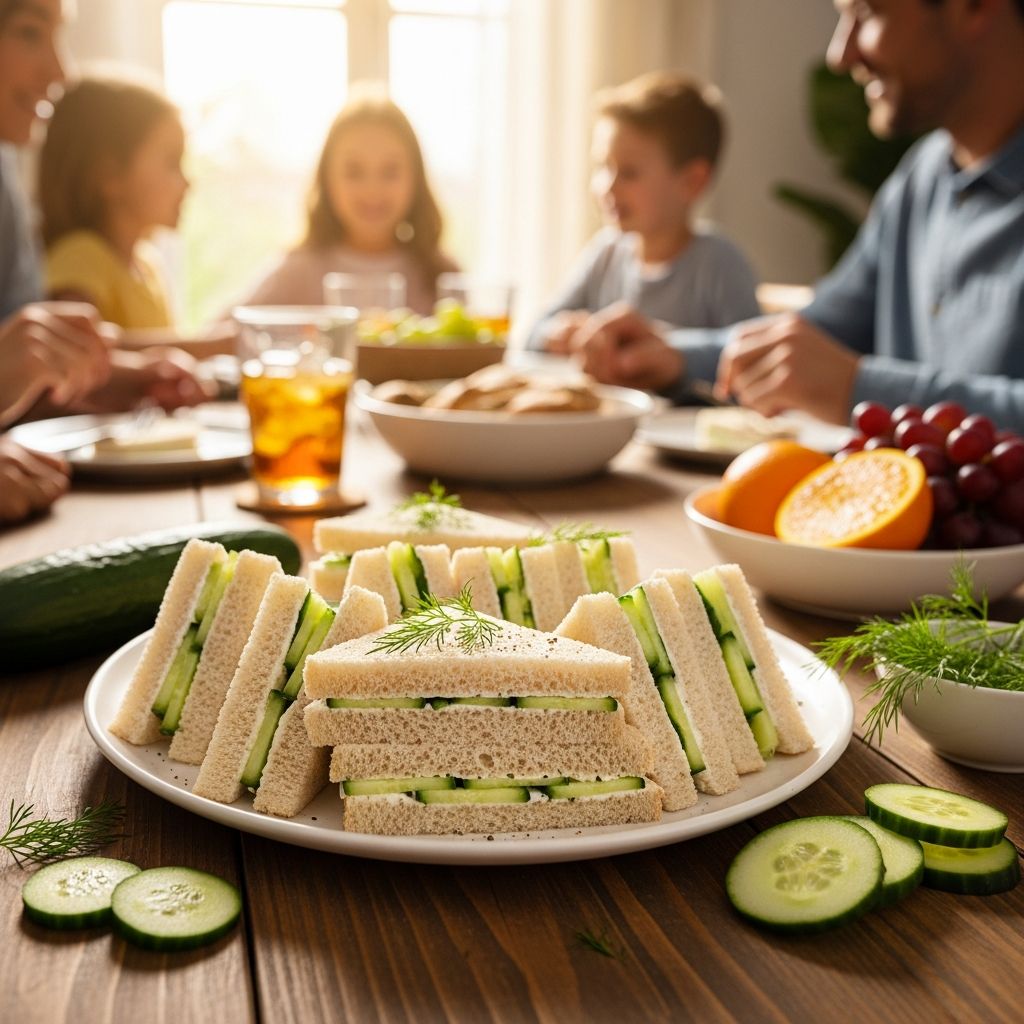
Understanding the Nutritional Profile of Cucumber Sandwiches
Cucumber sandwiches represent a classic choice for those seeking a light, refreshing meal that combines simplicity with nutritional value. These sandwiches consist primarily of thinly sliced cucumbers nestled between bread slices, typically complemented with butter or cream cheese spreads. The appeal of this simple composition extends beyond taste; it offers a genuinely balanced nutritional package suitable for various dietary preferences and age groups.
A standard serving of a cucumber sandwich prepared with whole grain bread and modest butter provides approximately 250 calories, along with 10 grams of protein, 10 grams of fat, and 30 grams of carbohydrates. This nutritional breakdown demonstrates why these sandwiches function effectively as either a midday meal or an afternoon snack. The moderate caloric content makes them particularly attractive for individuals managing their weight while still seeking satisfying food options.
The Hydration Powerhouse: Why Cucumbers Matter
Cucumbers deserve special attention within the sandwich context because they contribute substantially to overall hydration. Composed of approximately 96% water, cucumbers provide exceptional fluid intake with minimal caloric penalty. This high water content transforms a simple sandwich into a hydration-promoting food choice, particularly valuable during warmer months or for individuals who struggle to consume adequate fluids throughout the day.
Beyond water content, cucumbers deliver important micronutrients that support various bodily functions. A medium-sized cucumber contains meaningful quantities of vitamin K, vitamin C, magnesium, potassium, and manganese. When incorporated into sandwiches, these nutrients work synergistically with other sandwich components to create a more nutritionally complete meal option.
Fiber Content and Digestive Health Benefits
The inclusion of fiber in cucumber sandwiches addresses an important nutritional consideration often overlooked in casual meal planning. When prepared with whole grain bread, a single serving can contribute approximately 4 grams of dietary fiber. This fiber content supports digestive regularity and promotes a feeling of satiety that extends beyond the meal itself.
The combination of cucumber’s soluble fiber and whole grain bread’s insoluble fiber creates a complementary effect on digestive health. This dual-fiber approach helps maintain consistent digestive function and can prevent the constipation issues that sometimes accompany less thoughtful meal choices. Furthermore, the fiber content aids in maintaining stable blood sugar levels, which becomes increasingly important for families managing metabolic health.
Comparing Sandwich Compositions and Variations
While the classic cucumber sandwich remains timeless, understanding how different preparations affect nutritional value helps families make informed choices aligned with their health objectives.
| Sandwich Type | Approximate Calories | Protein (g) | Fat (g) | Carbs (g) | Key Distinction |
|---|---|---|---|---|---|
| Classic Cucumber with Butter | 140-160 | 2-3 | 6-8 | 20-22 | Traditional, light option |
| Cream Cheese Version | 250 | 10 | 10 | 30 | Higher protein content |
| Whole Grain Variant | 180-200 | 5-6 | 5-7 | 28-32 | Increased fiber benefit |
| Chicken Salad Alternative | 280-320 | 15-18 | 12-15 | 25-28 | Substantially higher protein |
The table above illustrates how different spreads and bread choices significantly impact the overall nutritional composition. Families seeking maximum nutritional benefit should consider upgrading to whole grain bread, which provides additional fiber and sustained energy compared to white bread alternatives.
Blood Sugar Management and Metabolic Health
An important consideration for families includes understanding how cucumber sandwiches affect blood sugar stability. Cucumbers score exceptionally low on the glycemic index, meaning they have minimal impact on rapid blood sugar fluctuations. This characteristic makes them particularly suitable for children with prediabetic tendencies or family members managing diabetes-related dietary concerns.
The combination of low glycemic impact from cucumbers with whole grain bread’s slower carbohydrate absorption creates a meal that provides sustained energy without the energy crashes associated with refined carbohydrate consumption. This stability in energy levels can positively influence afternoon productivity, concentration, and mood stability in children throughout the school day.
Vitamin K and Bone Health Considerations
An often-underappreciated benefit of regular cucumber consumption relates to bone health support through vitamin K content. This essential nutrient plays a crucial role in bone mineralization and calcium absorption. For growing children and teenagers, whose bones undergo rapid development, incorporating foods rich in vitamin K becomes particularly significant.
The combination of vitamin K and calcium present in both cucumbers and certain bread formulations creates a synergistic effect supporting skeletal development. This becomes especially relevant for families with histories of osteoporosis or concerns about long-term bone density maintenance. Regular consumption of cucumber sandwiches contributes meaningfully to meeting daily vitamin K requirements while maintaining reasonable caloric intake.
Strategic Preparation Methods for Maximum Freshness
Proper preparation significantly influences both the eating experience and nutritional retention in cucumber sandwiches. The vegetables begin releasing moisture immediately upon slicing, which can result in soggy bread if the sandwich sits too long before consumption.
Consider these preparation guidelines:
- Slice cucumbers immediately before assembly to minimize moisture loss and maintain crisp texture
- Pat cucumber slices gently with paper towels to remove excess surface moisture before placing on bread
- Apply spreads directly to bread rather than to cucumber slices to create a moisture barrier
- Consume sandwiches within 30 minutes of preparation for optimal quality
- Store prepared cucumbers in the refrigerator’s crisper drawer until sandwich assembly
- Consider using slightly thicker bread varieties to better withstand cucumber moisture
Adapting Recipes for Dietary Restrictions
Modern dietary preferences and restrictions require flexible recipe approaches. Traditional cucumber sandwiches can be modified for various dietary needs without sacrificing nutritional value or palatability.
For individuals following ketogenic or low-carbohydrate dietary approaches, the standard 20-22 grams of carbohydrates from bread presents challenges. However, substituting traditional bread with low-carbohydrate alternatives or using lettuce wraps maintains the sandwich concept while aligning with specific dietary goals. Similarly, families managing sodium intake should note that standard preparations contain approximately 520 milligrams of sodium, prompting consideration of lower-sodium spread alternatives.
Protein concerns often arise with cucumber sandwiches, given their relatively modest protein content. Enhancement strategies include adding lean turkey, hard-boiled eggs, or chickpea-based spreads to boost protein while maintaining the sandwich’s essentially light character.
Seasonal Timing and Ingredient Selection
Cucumber availability and quality fluctuate throughout the year, affecting both nutritional content and flavor profiles. Peak cucumber season typically occurs during summer months when local cultivation is abundant. During these periods, selecting locally-sourced cucumbers ensures maximum freshness and nutrient density compared to imported varieties that may have traveled considerable distances.
Beyond seasonal considerations, the choice between peeled and unpeeled cucumbers significantly impacts nutritional intake. Cucumber peels contain substantial fiber and micronutrient concentrations that contribute to cancer prevention and digestive health. Leaving the peel intact maximizes these benefits while requiring thorough washing under running water to remove surface contaminants.
Family Appeal and Pediatric Nutrition Integration
Cucumber sandwiches possess particular appeal for family meal planning due to their universal acceptability across age groups. Young children often appreciate the mild flavor and refreshing quality, while teenagers and adults recognize their nutritional sophistication. This broad appeal simplifies meal preparation when accommodating diverse family preferences and dietary stages.
From a pediatric nutrition perspective, cucumber sandwiches introduce children to nutrient-dense whole foods while establishing preferences for vegetables consumed beyond traditional cooked presentations. The sandwich format makes vegetables more accessible and appealing than standalone vegetable servings might be for some children.
Comparison with Other Common Sandwich Options
Understanding how cucumber sandwiches compare nutritionally to common alternatives helps families make conscious choices aligned with their health objectives. Chicken salad sandwiches, while providing superior protein content, often contain significantly higher fat quantities due to mayonnaise-based dressings. Smoked salmon sandwiches offer excellent omega-3 fatty acids but carry substantially higher sodium levels and caloric density than cucumber versions.
Cucumber sandwiches occupy a unique position as the lightest option, providing exceptional hydration and minimal saturation while still delivering meaningful nutrition. This makes them particularly suitable for individuals seeking lighter meal options, those managing digestive sensitivities, or anyone prioritizing hydration during the warm seasons.
Enhancing Nutritional Value Through Creative Additions
While maintaining the sandwich’s essential simplicity, strategic additions can meaningfully enhance nutritional completeness without overwhelming the core flavor profile. Incorporating seeds—such as sunflower or pumpkin seeds—adds minerals and healthy fats. Fresh herbs like dill or parsley introduce antioxidants and phytonutrients while complementing the cucumber’s delicate flavor.
Spreading options merit particular attention. Cream cheese increases protein content substantially compared to butter, while hummus provides plant-based protein and fiber. Greek yogurt-based spreads deliver probiotics alongside creaminess. These modifications allow families to customize sandwiches according to specific nutritional priorities without fundamentally altering the sandwich concept.
Frequently Asked Questions
Are cucumber sandwiches suitable for young children learning to eat solid foods?
Yes, cucumber sandwiches work well for children transitioning to varied foods. Ensure bread is soft and easily mashable, cut sandwiches into small pieces to prevent choking hazards, and introduce cucumber gradually to monitor for allergic reactions. The high water content aids hydration during the transition phase.
Can cucumber sandwiches be prepared in advance for school lunches?
Advance preparation requires careful moisture management. Assemble sandwiches no more than 2-3 hours before consumption, or prepare bread and spread separately, assembling immediately before eating. Alternatively, pack cucumber slices and bread separately, allowing assembly at mealtime to ensure optimal texture.
How do cucumber sandwiches fit into balanced meal planning?
While nutritious and hydrating, cucumber sandwiches provide moderate protein levels. Pair them with protein-containing sides like Greek yogurt, hard-boiled eggs, or legume-based dips to create nutritionally complete meals that sustain energy and satisfaction throughout the afternoon.
Do organic cucumbers offer superior nutritional benefits compared to conventionally grown varieties?
Both organic and conventional cucumbers deliver similar nutrient profiles. The primary consideration involves pesticide residue concerns; washing thoroughly under running water removes surface residues regardless of growing method. Purchasing from trusted sources ensures quality regardless of certification status.
What bread types best complement cucumber sandwiches nutritionally?
Whole grain, sprouted grain, or multigrain breads maximize fiber content and sustained energy provision compared to white bread. These options provide additional vitamins, minerals, and improved blood sugar stability while maintaining the sandwich’s light character.
References
- Cucumber Sandwich Nutrition — SnapCalorie. 2024. https://www.snapcalorie.com/nutrition/cucumber_sandwich_nutrition.html
- 6 Health Benefits of Eating Cucumber — Healthline. 2024. https://www.healthline.com/nutrition/7-health-benefits-of-cucumber
- Cream Cheesy Cucumber Sandwiches — Nemours KidsHealth. 2024. https://kidshealth.org/en/parents/cuke-sandwiches.html
- Are Cucumbers Good for You? — Cleveland Clinic. 2024. https://health.clevelandclinic.org/benefits-of-cucumbers
- 7 Health Benefits of Eating Cucumber — Glen Morison Town House Blog. 2019. https://www.glenmoristontownhouse.com/blog/2019/03/7-health-benefits-of-eating-cucumber