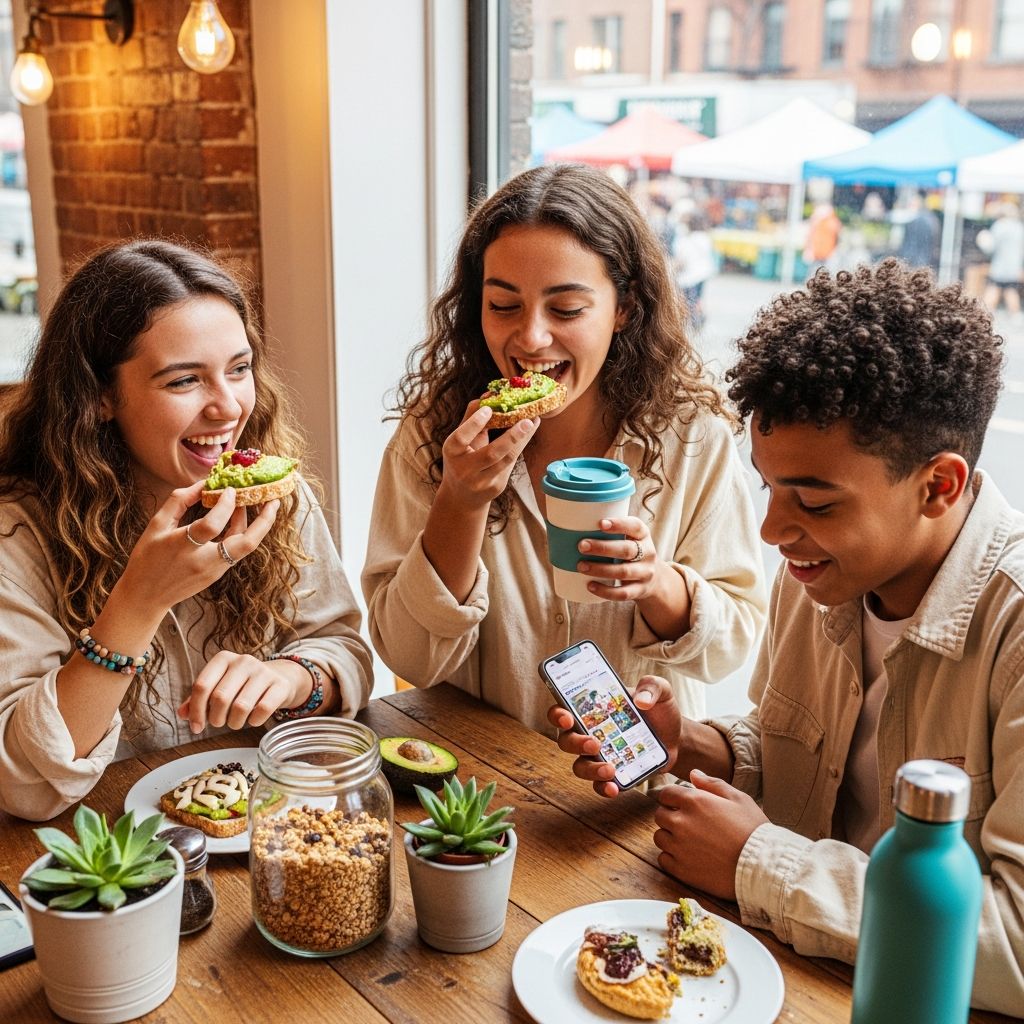
The Emergence of Youth-Driven Wellness Culture
Contemporary adolescents are increasingly taking ownership of their nutritional choices and health outcomes, a shift that reflects broader cultural conversations about wellness and environmental consciousness. The term “crunchy teen” describes young people who actively reject conventional processed food systems in favor of alternatives they perceive as more natural, organic, or ethically sourced. This movement represents a significant departure from how previous generations approached eating habits, driven largely by digital platforms where wellness content circulates rapidly among peer networks.
The phenomenon stems from genuinely positive foundational principles. Many teenagers embracing this lifestyle are motivated by concerns about sustainability, animal welfare, and reducing their exposure to artificial ingredients. These underlying values deserve recognition, as they demonstrate critical thinking about food systems and personal health. However, the translation of these values into practice has become complicated by the proliferation of unverified health claims and extreme dietary practices that circulate on social media platforms, particularly TikTok and Instagram.
Core Characteristics of the Crunchy Teen Lifestyle
Understanding what defines the crunchy teen movement requires examining both the philosophical foundations and the practical behaviors teens are adopting. The movement encompasses several interconnected elements:
- Organic and minimally processed foods: A preference for products labeled organic, non-GMO, or free from artificial additives, often driven by the belief that these options are inherently superior for health.
- Ethical consumption: Consideration of environmental impact, animal welfare, and fair trade practices when making purchasing decisions about food and other products.
- Natural remedies and supplements: Interest in herbal preparations, detoxification protocols, and alternative health practices rather than conventional medical interventions.
- Skepticism toward mainstream medicine: Some teens adopting this lifestyle express doubt about pharmaceutical treatments and preventive care endorsed by conventional healthcare providers.
- Wellness content consumption: Heavy engagement with influencers and online communities that promote specific dietary frameworks, often without scientific validation.
The Role of Digital Platforms in Trend Amplification
Social media platforms have become the primary mechanism through which wellness trends spread among teen populations. Influencers—often other teenagers or young adults—share content depicting their dietary choices, supplement routines, and health philosophies to audiences numbering in the hundreds of thousands or millions. The algorithmic design of these platforms tends to promote visually striking or emotionally compelling content, which frequently means the most extreme or controversial health claims receive the greatest amplification.
Research demonstrates that exposure to health-related content on social media significantly influences how young people approach their own wellness. Approximately 50% of college-aged individuals report that social media shapes their health beliefs and dietary decisions, with these digital influences often contributing to food-related anxiety and judgment about eating choices. The problem intensifies when influencers lack nutritional or medical credentials, yet present their personal experiences and beliefs as universal health truths.
Problematic Health Claims Circulating Within the Movement
While some aspects of the crunchy teen lifestyle reflect reasonable health consciousness, other promoted practices lack scientific support and carry genuine health risks. Several particularly concerning trends have gained traction:
Parasite Cleanse Products
Marketing campaigns targeting wellness-conscious teens frequently promote herbal parasite cleanses, claiming these products eliminate infections and improve overall health. However, according to medical professionals, these products present multiple dangers. High-dose herbal preparations containing ingredients such as wormwood, clove, or black walnut hull can irritate the stomach and liver, resulting in diarrhea, dehydration, and other adverse effects. Most importantly, the scientific evidence supporting the effectiveness of these cleanses remains absent, yet they may discourage individuals from seeking legitimate medical evaluation and treatment when actual parasitic infections are present.
Raw Meat Consumption
Some young people within the crunchy teen community have adopted the practice of consuming raw or minimally cooked meat, particularly grass-fed beef. Proponents claim that raw meat preserves nutrients, enzymes, or other beneficial compounds destroyed during cooking. No scientific evidence supports these claims. Raw and undercooked meat commonly harbors dangerous pathogens including salmonella, Escherichia coli, and Listeria monocytogenes—bacteria that cause serious foodborne illness. The health risks of consuming uncooked animal products substantially outweigh any theoretical nutritional advantages.
Unfounded Food-Illness Connections
Certain viral content promotes connections between specific processed foods and serious health conditions without any supporting evidence. Claims linking particular snack foods to autism, for instance, fundamentally misrepresent how neurodevelopmental conditions develop and spread false information that can increase stigma and parental anxiety. These assertions persist despite contradicting decades of peer-reviewed research on developmental factors.
Mental Health Implications and Disordered Eating Risks
The psychological impact of engaging with extreme wellness content during adolescence warrants serious consideration. Teens navigating this trend frequently experience heightened anxiety around food choices, as they internalize messages that certain foods pose existential health threats. This anxiety can progress into patterns of restrictive eating, where entire food categories become forbidden based on unverified health claims rather than medical necessity or personal tolerance.
Health professionals emphasize that orthorexia—an unhealthy obsession with eating foods perceived as pure or healthy—represents a growing concern among adolescents influenced by wellness culture. Unlike conditions like anorexia nervosa, orthorexia involves excessive focus on food quality rather than quantity, yet it produces similar physical and psychological consequences including nutritional deficiencies, social isolation, and significant emotional distress.
The combination of restrictive eating patterns, anxiety about food safety, and avoidance of mainstream medical care creates circumstances where physical and mental health deteriorate simultaneously. Teens may mask these struggles by framing them as health optimization rather than acknowledging the presence of disordered eating or anxiety disorders.
Medical Neglect and Distrust of Healthcare
An concerning dimension of the crunchy teen movement involves the rejection or avoidance of evidence-based medical care. Some young people adopting this lifestyle dismiss conventional medical practitioners as biased by corporate interests or misinformed about true health. This skepticism can translate into dangerous medical decisions, such as refusing vaccination, avoiding treatment for infections or injuries, or declining necessary preventive care.
When adolescents who trust influencers more than healthcare providers make medical decisions, serious health complications can develop undetected and untreated. Parents and educators must recognize that dismissing the validity of modern medicine, while sometimes framed as consumer empowerment or independence, constitutes a form of medical neglect with significant consequences.
Distinguishing Reasonable Wellness Choices from Extreme Practices
Not all elements of the crunchy teen approach to wellness warrant concern. Young people choosing to eat more whole foods, increase vegetable consumption, or consider environmental impacts of their food choices are engaging in habits that research supports. The distinction lies in the degree and the underlying rationale. A teen who chooses organic produce to reduce pesticide exposure is making a reasonable decision based on legitimate health concerns. A teen who avoids all non-organic foods due to conviction that conventional produce is poisonous, or who restricts food intake to only uncooked plant foods, has crossed into territory that poses health risks.
Similarly, interest in how food is produced, support for sustainable agriculture, and ethical considerations about animal welfare represent positive civic engagement. These values become problematic only when they moralize food choices in ways that shame others or when they eclipse the role of balanced, adequate nutrition in supporting health.
Practical Communication Strategies for Parents
Parents navigating a teen’s involvement with crunchy wellness trends face a delicate balance between respecting emerging autonomy and ensuring health protection. Effective approaches include:
- Lead with curiosity rather than criticism: Asking genuine questions about why your teen finds particular influencers compelling and what aspects of their message resonate creates dialogue rather than defensiveness.
- Examine sources together: Request that your teen identify the scientific or professional credentials of influencers they follow, and work collaboratively to evaluate the quality of evidence presented.
- Emphasize balance over perfection: Conversations about nutrition benefit from framing food choices in terms of balance and sustainability rather than moral categories of “clean” versus “contaminated.”
- Normalize medical consultation: Position registered dietitians and healthcare providers as helpful resources for evaluating specific dietary questions, rather than adversaries to the wellness movement.
- Address underlying values: Acknowledge and support your teen’s genuine concerns about environmental sustainability or ethical consumption while redirecting toward practices with real-world impact.
- Monitor for warning signs: Watch for patterns of increasing food restriction, anxiety around eating, social withdrawal, or dismissal of all conventional medical care as indicators that the movement has become unhealthy.
The Role of Food in Adolescent Development
During the teenage years, food serves functions far beyond nutritional delivery. Eating connects to culture, family traditions, social bonding, creativity, and pleasure. When wellness ideologies transform eating into a source of anxiety or moral judgment, they undermine these crucial dimensions of food’s role in human experience. Registered nutrition professionals emphasize that food encompasses joy and celebration, not merely the consumption of specific nutrients.
Supporting healthy adolescent development requires protecting the capacity for teens to enjoy eating while gradually building knowledge about nutrition. This differs fundamentally from approaching food through a lens of fear or superiority based on unverified health claims.
Creating Household Conversations About Misinformation
Beyond specific discussions about wellness trends, families benefit from developing broader literacy about identifying misinformation. Teaching teens to evaluate source credibility, understand the difference between correlation and causation, and recognize when personal anecdotes are being presented as universal truths creates tools applicable across many domains beyond nutrition.
Parents can model healthy skepticism by asking questions like “Who is claiming this?” “What evidence supports this claim?” and “Who profits if this is true?” These questions help adolescents develop critical thinking rather than oscillating between uncritical acceptance and blanket rejection of health information.
Frequently Asked Questions
Is there anything positive about the crunchy teen movement?A: Yes. The underlying motivation to think critically about food systems, consider environmental impacts, and take personal health seriously demonstrates valuable awareness. The challenge lies in distinguishing between reasonable choices based on evidence and extreme practices driven by misinformation.
Q: How can I tell if my teen’s wellness interest has become unhealthy?
Warning signs include increasing food restriction, anxiety or distress around eating, social isolation, excessive exercise, dismissal of all conventional medical care, or preoccupation with food purity that interferes with normal functioning or relationships.
Should I forbid my teen from following wellness influencers?
Direct prohibition often strengthens appeal and damages trust. Instead, engage with the content together, ask questions, and help develop critical evaluation skills. This maintains connection while building resistance to misinformation.
What should I do if my teen wants to try a parasite cleanse or eliminate entire food groups?
Address this as a health decision worth exploring with a qualified healthcare provider. Frame it as “Let’s talk to a dietitian about whether this is necessary and safe” rather than “Absolutely not.” Professional input carries more weight than parental opposition alone.
How do I support my teen’s genuine health interests without enabling harmful behaviors?
Celebrate curiosity about nutrition and support sustainable, evidence-based choices. Set firm boundaries around practices known to be dangerous. Maintain open communication and seek professional guidance if you notice warning signs of eating disorders or medical neglect.
References
- Crunchy Teen Wellness Trend: Attempts to Eat Healthfully Actually Full of Risk — WTOP News. 2025-07-15. https://wtop.com/lifestyle/2025/07/crunchy-teen-wellness-trend-attempts-to-eat-healthfully-actually-full-of-risk-says-va-provider/
- Move Over Crunchy Moms, ‘Crunchy Teens’ Are Here to Freak Us Out — WeHaveKids. 2025-05-24. https://wehavekids.com/news/crunchy-teens-are-here-to-freak-us-out
- Have You Seen The ‘Crunchy Teen’ Wellness Influencers? — Teen Health Today Newsletter. 2025. https://www.teenhealthtoday.com/p/have-you-seen-the-crunchy-teen-wellness
- Crunchy Teens on TikTok — KMOV St. Louis. 2025-05-21. https://www.youtube.com/watch?v=6ne9ZOVrAQU
- Foodborne Illness and Safe Food Handling — Centers for Disease Control and Prevention (CDC). 2024. https://www.cdc.gov/foodsafety/index.html