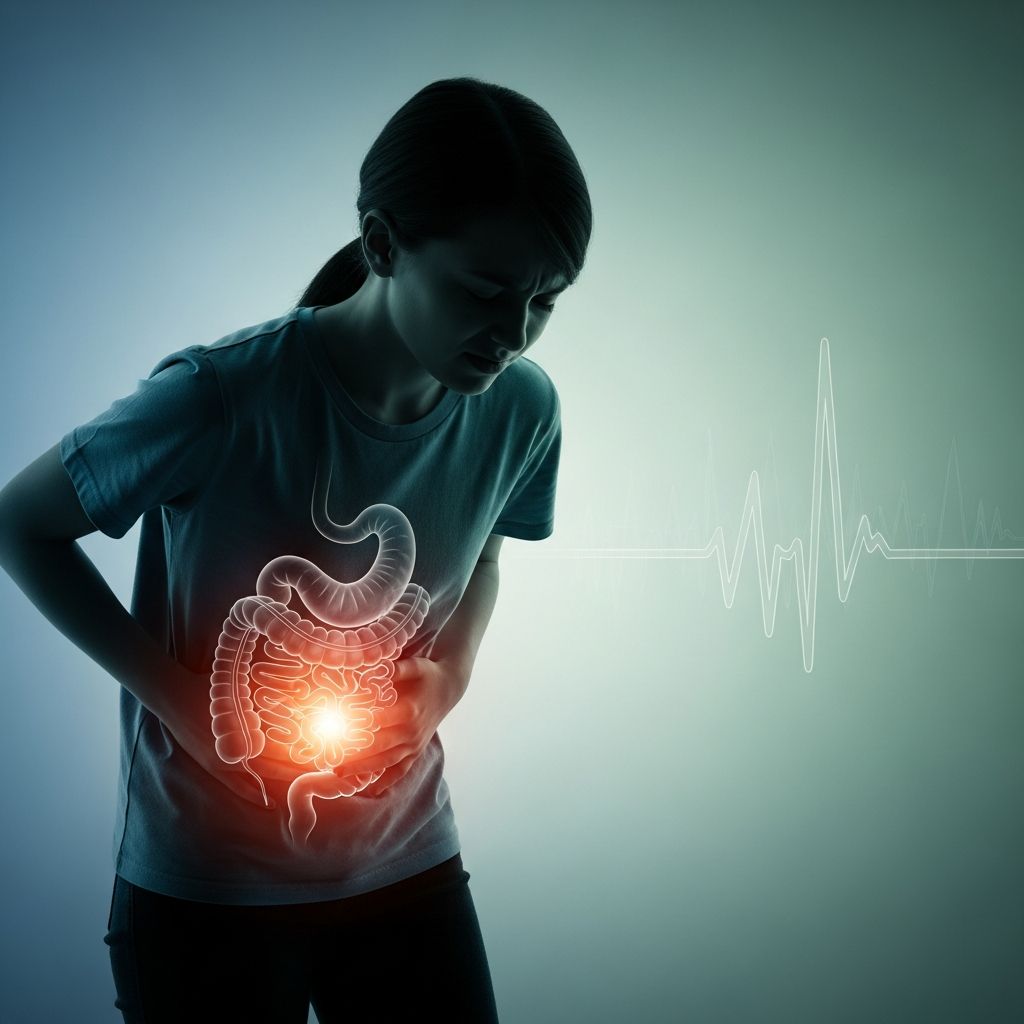
Crohn’s disease is a chronic inflammatory condition affecting the digestive system, particularly common in teenagers, leading to symptoms that disrupt daily life such as persistent abdominal discomfort and irregular bowel movements.
Recognizing the Early Warning Signs
Teenagers with Crohn’s often experience initial indicators that can be mistaken for typical growing pains or stomach bugs. The most frequent early signs include ongoing diarrhea, which may contain blood or mucus, and cramping pain in the abdomen, especially after eating. Fatigue becomes a constant companion, making school and activities exhausting, while unintended weight loss occurs due to reduced appetite and poor nutrient absorption.
Other noticeable symptoms involve fever episodes, mouth ulcers that make eating painful, and skin issues around the anal area like sores or unusual drainage. These signs can vary in intensity, sometimes flaring up suddenly and other times simmering subtly over months.
How Crohn’s Affects the Teenage Body
In adolescents, Crohn’s doesn’t just cause gut problems; it interferes with growth and development. Inflammation prevents proper calorie and nutrient uptake, leading to stunted height, delayed puberty, and weaker bones. For girls, menstruation might start later, around age 16 or beyond, impacting self-image during a time when peers are changing rapidly.
The disease can inflame any part of the gastrointestinal tract, from mouth to anus, causing patchy damage with deep ulcers and scarring that narrows passages. This results in complications like fistulas—abnormal tunnels connecting bowel to other organs—and fissures, painful tears in the rectal lining from frequent hard stools.
Common Symptoms Breakdown
- Diarrhea: Frequent, urgent, often bloody or mucusy, disrupting school and sleep.
- Abdominal Pain: Cramping, tenderness, especially lower right side, worsening with bowel movements.
- Fatigue and Fever: Low energy from anemia and inflammation, with low-grade fevers signaling active disease.
- Weight Loss: Due to malabsorption of vitamins like B12 and poor appetite.
- Extra-Intestinal Issues: Joint pain, eye redness, skin rashes, and mouth sores.
Diagnosis: Unraveling the Mystery
Diagnosing Crohn’s in teens starts with a detailed history of symptoms and family IBD background. Doctors use blood tests to check for anemia, inflammation markers like CRP, and stool tests for infections or calprotectin levels indicating gut inflammation.
Imaging like CT scans, MRI, or ultrasounds reveal bowel thickening and complications. Endoscopy with biopsy confirms inflammation patterns unique to Crohn’s, such as skip lesions. Capsule endoscopy helps view the small intestine.
| Test Type | Purpose | What It Shows |
|---|---|---|
| Blood Tests | Detect inflammation, anemia | Elevated CRP, low hemoglobin |
| Stool Tests | Rule out infections | High calprotectin, no pathogens |
| Endoscopy/Colonoscopy | Visualize and biopsy | Ulcers, cobblestoning |
| Imaging (MRI/CT) | Assess extent | Fistulas, strictures |
Treatment Strategies for Lasting Relief
Treatment aims to reduce inflammation, heal the gut, and prevent flares. Medications include aminosalicylates for mild cases, corticosteroids for quick flare control, and immunomodulators like azathioprine to calm the immune response.
Biologics such as infliximab target specific inflammation proteins, often via IV infusions, showing high success in teens. Antibiotics treat infections or perianal issues. Nutrition therapy, like exclusive enteral feeding, can induce remission without drugs.
Surgery removes severely damaged sections if medications fail, though it’s not a cure as disease can recur. Ongoing monitoring adjusts plans to minimize side effects like bone thinning from steroids.
Navigating Daily Life with Crohn’s
Teens juggle school, sports, and social life amid unpredictable symptoms. Bathroom access is crucial—carry a doctor’s note for school privileges. Pack healthy snacks like bananas or yogurt to combat hunger between classes.
Diet isn’t one-size-fits-all; track triggers like dairy or spicy foods via a journal. Stay hydrated, aim for balanced meals with lean proteins, veggies, and whole grains. Exercise moderately to build strength without exhaustion.
- Plan ahead for trips: Locate restrooms, pack meds.
- Miss less school with flexible learning or tutoring.
- Sports: Choose low-impact like swimming during remission.
Emotional and Social Impacts
Crohn’s hits self-esteem hard in teen years. Feeling different due to growth delays or frequent bathroom runs leads to isolation. Flares cause anxiety about accidents or missing events.
Talk to trusted friends or join support groups like those from Crohn’s & Colitis Foundation. Therapy helps process frustrations. Parents and doctors foster independence in managing care.
Spotting and Handling Flares
Recognize flare signals: Increased bowel movements, intensified pain, fever over 101°F, new blood, or extreme fatigue. Act fast—contact your gastroenterologist, avoid NSAIDs, rest, and hydrate.
Emergency signs include vomiting bile, severe bloating, or rectal pain needing immediate care to prevent blockages or infections.
Long-Term Outlook and Prevention
With modern treatments, most teens achieve remission and normal lives. Regular check-ups catch issues early. Quit smoking, manage stress via mindfulness, and adhere to meds for best outcomes.
Future research promises better targeted therapies. Vaccinations protect against infections while on immunosuppressants.
Frequently Asked Questions (FAQs)
Can Crohn’s be cured in teens?
No, but treatments control it effectively, allowing normal activities.
Does diet cure Crohn’s?
Diet manages symptoms but doesn’t cure; work with a nutritionist.
Will Crohn’s affect my growth?
Early treatment prevents stunting; monitor height/weight.
How often do flares happen?
Varies; lifestyle and meds reduce frequency.
Is Crohn’s hereditary?
Genetic risk exists, but environment triggers it.
References
- Crohn’s Disease in Adolescents: Signs and Symptoms — UNIO Specialty Care. 2023. https://uniospecialtycare.com/resources/crohns-disease-in-adolescents-sign-and-symptoms/
- Crohn’s Disease in Children and Teens — WebMD. 2024-01-15. https://www.webmd.com/ibd-crohns-disease/crohns-disease/crohns-disease-in-children-and-teens
- Crohn’s Disease (for Teens) — Nemours KidsHealth. 2023-05-10. https://kidshealth.org/en/teens/crohns-disease.html
- Crohn’s Disease and Your Teen’s Health and Well-Being — Children’s Hospital of Philadelphia. 2024. https://www.chop.edu/health-resources/crohns-disease-and-your-teens-health-and-well-being
- Teen Crohn’s — Pediatric IBD Foundation. 2023. https://pedsibd.org/teens/teen-crohns/
- Crohn’s Disease – Symptoms — Mayo Clinic. 2025-08-20. https://www.mayoclinic.org/diseases-conditions/crohns-disease/symptoms-causes/syc-20353304