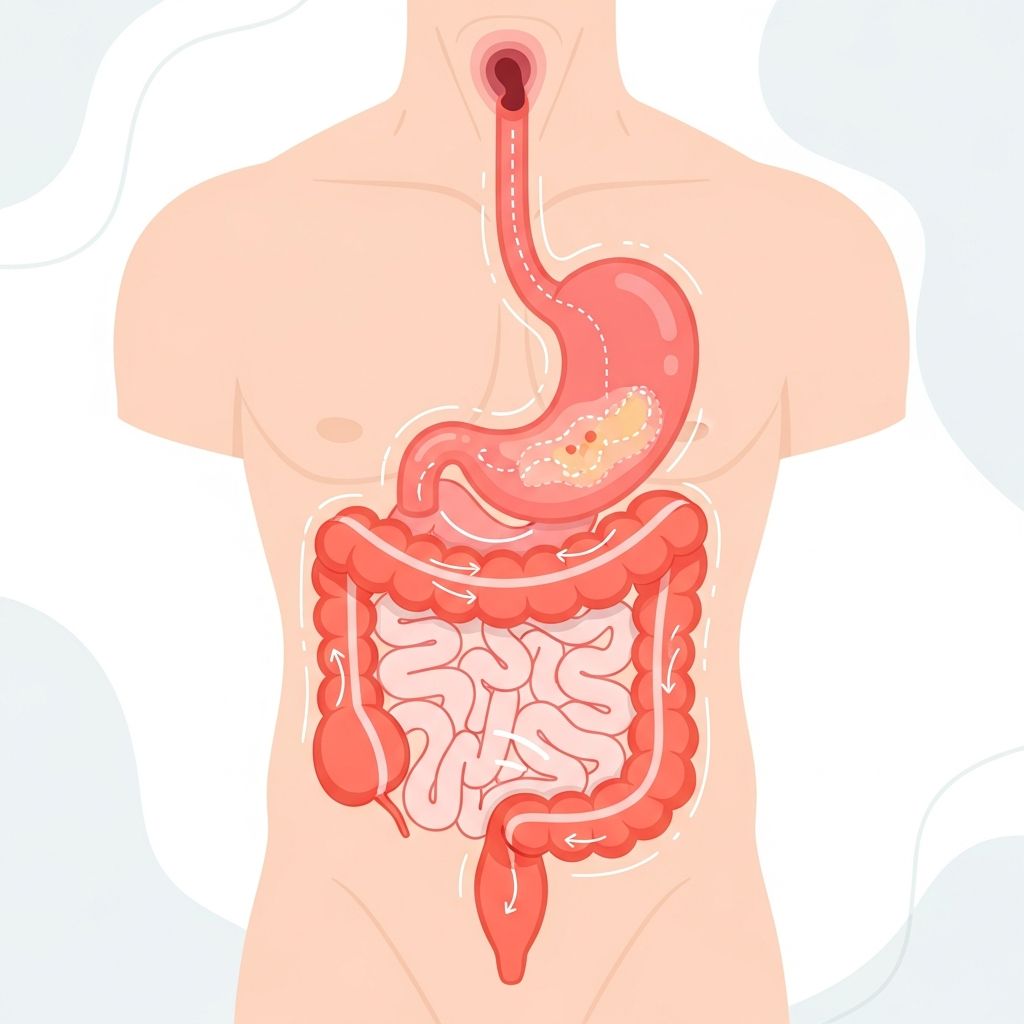
Crohn’s disease is a chronic inflammatory condition affecting the digestive tract, particularly in children where it can disrupt growth and daily life. Parents play a crucial role in early detection and ongoing management to help their child thrive despite the challenges.
Understanding the Nature of Crohn’s Disease
This lifelong condition involves patchy inflammation anywhere from the mouth to the anus, most commonly the small intestine and colon. In kids, it often leads to thickened intestinal walls, ulcers, and complications like fistulas or strictures, impacting nutrient absorption and overall development.
The disease progresses in flares of intense symptoms alternated with remission periods. Unlike other gut issues, Crohn’s penetrates all intestinal layers, distinguishing it from similar conditions like ulcerative colitis.
Common Signs and Symptoms in Young Patients
Children may experience persistent diarrhea, often with blood or mucus, severe abdominal cramps, especially post-meals, and unexplained fever. Fatigue, reduced appetite, and weight loss are frequent, hindering growth and delaying puberty.
- Abdominal discomfort: Cramping pain, typically in the lower right side.
- Bowel changes: Frequent, urgent diarrhea; possible rectal bleeding.
- Systemic effects: Tiredness, low-grade fever, joint aches.
- Oral issues: Painful mouth sores or inflammation.
- Nutritional deficits: Anemia, vitamin shortages leading to poor height/weight gain.
Extraintestinal signs include eye redness, skin rashes, or liver concerns, affecting up to 40% of pediatric cases.
Factors Behind the Onset of Crohn’s
Exact causes remain unclear, but genetics play a role—family history increases risk. An overactive immune response to gut bacteria, combined with environmental triggers like diet, infections, or smoking exposure (even secondhand), contributes.
Nonsteroidal anti-inflammatory drugs (NSAIDs) like ibuprofen can exacerbate inflammation, so consult doctors before use. High-fat, processed foods or large meals may worsen flares.
Diagnostic Approaches for Kids
Diagnosis starts with medical history and physical exams focusing on growth charts. Blood tests detect anemia, inflammation markers (e.g., CRP, ESR), or nutritional gaps. Stool samples rule out infections.
Imaging like MRI or CT scans visualizes bowel damage without radiation preference in children. Endoscopy with biopsies confirms inflammation depth and location.
| Test Type | Purpose | Benefits for Children |
|---|---|---|
| Blood Analysis | Check inflammation, anemia | Non-invasive, quick results |
| Stool Testing | Exclude infections, calprotectin levels | Easy sample collection |
| Endoscopy/Colonoscopy | Direct visualization, biopsies | Sedation ensures comfort |
| Imaging (MRI/CT) | Assess extent, complications | Minimal radiation options available |
Comprehensive Treatment Strategies
No cure exists, but treatments aim for remission, symptom control, and complication prevention. Tailored plans combine medications, nutrition, and sometimes surgery.
Medications to Calm Inflammation
Aminosalicylates (e.g., mesalamine) suit mild cases. Corticosteroids like budesonide or prednisone induce quick remission but limit long-term use due to growth impacts.
Immunomodulators (azathioprine) and biologics (anti-TNF like infliximab, adalimumab) suppress immune overactivity effectively in moderate-severe pediatric disease. Newer agents like ustekinumab target specific pathways.
- Step-up approach: Start mild, escalate as needed.
- Combination therapy: Biologic + immunomodulator boosts efficacy but monitors side effects.
Nutritional Support and Dietary Adjustments
Exclusive enteral nutrition—liquid formulas—can achieve remission in kids, aiding growth without steroids. Daily intake must replace losses from malabsorption.
Low-residue diets during flares reduce fiber; probiotics may balance gut flora. Avoid triggers: caffeine, dairy if intolerant, greasy foods.
When Surgery Becomes Necessary
About 50% of children require surgery for strictures, fistulas, or unresponsive disease. Procedures remove damaged segments, preserving healthy bowel. Post-op meds prevent recurrence.
Daily Living and Family Support
Encourage school attendance with nurse plans; sports okay if hydrated. Stress management via therapy helps, as emotions influence flares. Track symptoms in journals for doctor visits.
Growth monitoring is vital—specialists adjust treatments. Vaccinations, bone health checks counter med side effects.
Long-Term Outlook and Prognosis
With early intervention, many kids achieve normal lives. Regular monitoring prevents cancer risk from chronic inflammation. Research advances promise better biologics.
Frequently Asked Questions (FAQs)
Can Crohn’s disease be prevented in children?
No guaranteed prevention, but breastfeeding, diverse early diet, and avoiding NSAIDs may lower risk. Genetics can’t be changed, but healthy lifestyles help.
How does Crohn’s affect school and activities?
Plans for bathroom access and rest support participation. Most kids manage with meds; communicate with teachers.
Are there special diets that cure Crohn’s?
No cure, but Mediterranean-style or specific carbohydrate diets reduce symptoms for some. Work with dietitians.
What are common medication side effects?
Infections risk, nausea, headaches; steroids cause weight gain, mood changes. Regular bloodwork monitors.
Is Crohn’s hereditary?
Increased risk if family members affected, but not directly inherited—environmental factors interplay.
References
- Crohn’s Disease Treatment Options — Crohn’s & Colitis Foundation. 2023. https://www.crohnscolitisfoundation.org/patientsandcaregivers/What-is-crohns-disease/treatment
- Crohn’s Disease – Symptoms and Causes — Mayo Clinic. 2023-10-29. https://www.mayoclinic.org/diseases-conditions/crohns-disease/symptoms-causes/syc-20353304
- Crohn’s Disease: Symptoms, Causes, Diagnosis, and More — Medical News Today. 2023-11-10. https://www.medicalnewstoday.com/articles/151620
- Crohn’s Disease Symptoms and Treatment — UPMC. 2024. https://www.upmc.com/services/digestive-disorders-center/services/ibd/conditions/crohns-disease
- Crohn’s Disease: What It Is, Symptoms, Causes & Treatment — Cleveland Clinic. 2023-08-01. https://my.clevelandclinic.org/health/diseases/9357-crohns-disease
- Crohn’s Disease: Diagnosis and Management — American Academy of Family Physicians (AAFP). 2018-12-01. https://www.aafp.org/pubs/afp/issues/2018/1201/p661.html
- Crohn’s Disease — National Institute of Diabetes and Digestive and Kidney Diseases (NIDDK). 2023. https://www.niddk.nih.gov/health-information/digestive-diseases/crohns-disease