Understanding the Hidden Risks of Crib Tent Products
Parents constantly search for solutions to keep their children safe and secure during sleep. One product that has gained attention in recent years is the crib tent—a mesh enclosure designed to prevent toddlers from climbing out of their cribs. While marketed as a safety solution, these products actually present significant hazards that health and safety experts strongly discourage. Understanding these risks is essential for any parent considering this type of sleep containment device.
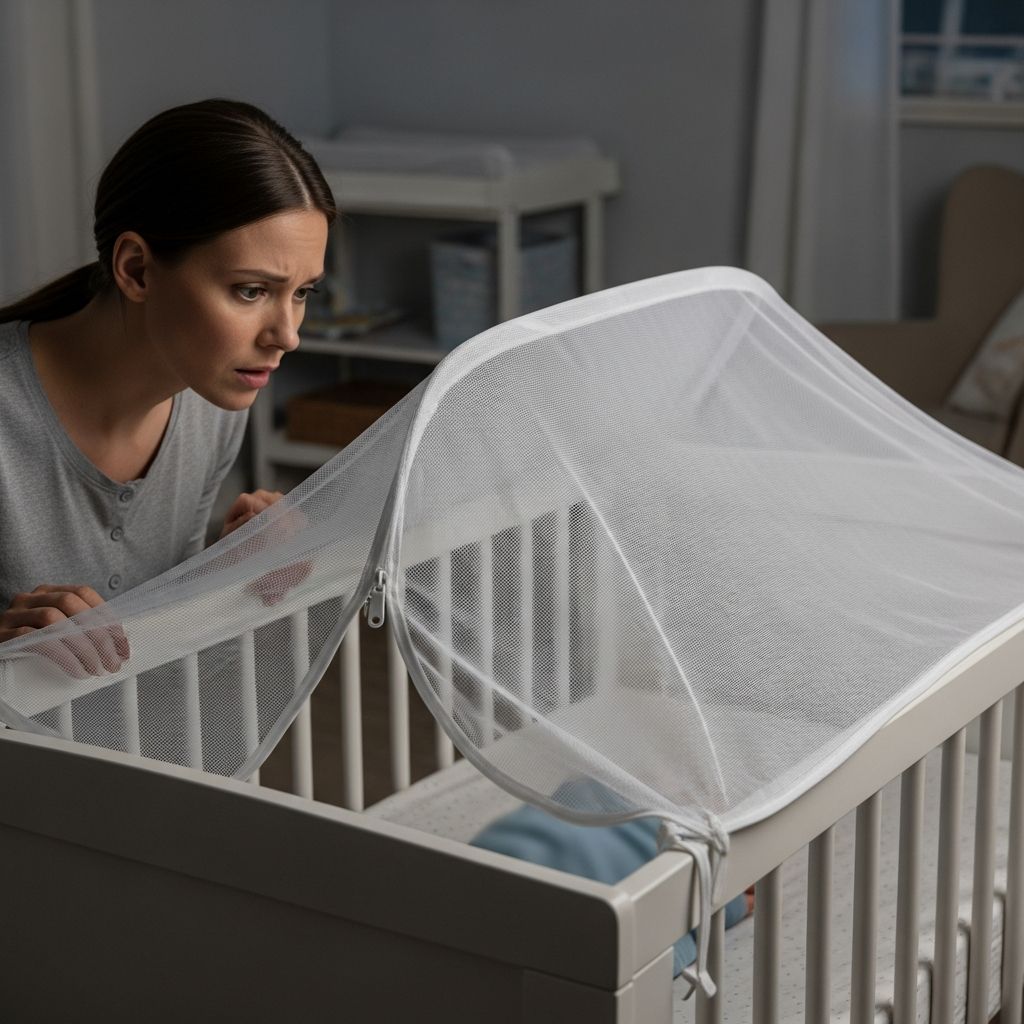
Crib tents are lightweight mesh structures that attach to crib railings, creating an enclosed sleeping space. The concept appeals to parents with active toddlers who climb out of traditional cribs, but the American Academy of Pediatrics (AAP) explicitly warns against their use. The organization recommends that cribs contain only fitted sheets, as anything else introduces potential dangers to vulnerable infants and toddlers.
The Three Primary Mechanisms of Injury
Experts have identified three distinct ways that crib tents can harm children. Understanding each mechanism helps parents recognize why these products remain problematic despite their widespread availability and marketing.
- Mesh Entanglement: The mesh material that forms the tent’s structure can catch on a child’s clothing, hair, fingers, or toes. Young children lack the coordination and strength to free themselves quickly, and panicked movements can worsen entanglement injuries.
- Mattress-to-Tent Entrapment: Children can become wedged in the space between the crib mattress and the tent structure itself. This occurs particularly when the tent sags or when a child’s movements shift the mattress position. Once trapped, a child cannot call for help effectively, and parents may not immediately notice the problem.
- Structural Puncture Wounds: The tent’s supporting poles and frames can become dislodged from their attachment points. When this occurs, sharp edges and exposed metal rods create serious laceration and puncture hazards. A child thrashing or attempting to escape can sustain deep wounds from these displaced structural elements.
Documented Incidents and Official Warnings
The dangers of crib tents are not theoretical concerns—they are supported by documented cases of serious injury and death. Between January 1997 and April 2012, the Consumer Product Safety Commission (CPSC) documented 27 tent-related failures involving products manufactured by Tots in Mind, the primary U.S. manufacturer of crib tents at that time.
These documented incidents included one confirmed fatality in 2008 when a two-year-old boy died after becoming entrapped between the bottom rail of a play yard tent and the top rail of the play yard itself. In another tragic case from 2007, a two-year-old sustained a catastrophic brain injury when the tent structure inverted and a broken rod trapped him at the neck level. Additionally, reports documented a child found turning blue from entrapment between the tent and the top rail of the play yard—fortunately rescued in time by a parent who discovered the child in distress.
The CPSC issued its initial warning about crib tent dangers in 2012, resulting in a voluntary recall of approximately 330,000 units. The agency explicitly warned parents and caregivers that infants and toddlers face risks of serious injury or death due to strangulation and entrapment hazards. Notably, the CPSC emphasized that parents should not attempt to repair these products, as any modification could introduce additional hazards.
How Structural Failures Occur
Crib tent failures typically happen through two primary mechanisms. First, the dome portion of the tent can invert inside the crib or play yard, creating a suffocation risk and entrapment hazard. Second, the product may become partially detached from the crib railings, destabilizing the entire structure and creating gaps where children can become trapped.
These failures occur more frequently than many parents realize. Beyond the documented CPSC cases, investigative research has uncovered additional reports where mesh material tore at seams, entire structures collapsed when pulled by toddlers, and tents inverted under the weight of household pets. In many of these cases, parents discovered their children entangled and managed to free them before severe injury occurred—but not all situations result in such fortunate outcomes.
Comparison of Sleep Containment Options
| Product Type | Safety Status | Primary Concerns | Regulatory Status |
|---|---|---|---|
| Traditional Crib Tent | Not Recommended | Entrapment, strangulation, suffocation, structural failure | Voluntary recall issued 2012; no mandatory standards |
| Drop-Side Crib | Not Recommended | Hardware failure, rail detachment, entrapment in gaps | Banned for consumer use; still found in older models |
| Modern Fixed-Rail Crib | Recommended | Minimal when used with proper mattress fit | Subject to CPSC safety standards |
| Sleep Pods (SlumberPod) | Caution Advised | Potential overheating, entrapment concerns despite manufacturer claims | No active recalls but expert caution recommended |
| Mini Cribs with Fixed Rails | Recommended | Minimal when used correctly with tight-fitting sheets | Subject to safety standards |
Regulatory Gaps and Industry Accountability
A significant concern regarding crib tent safety is that these products currently fall outside explicit regulatory requirements established by the Consumer Product Safety Improvement Act of 2008. That legislation requires safety standards and compliance certificates for 12 categories of juvenile products, including cribs, play yards, and bassinets. Crib tents, however, remain unregulated in this framework, meaning manufacturers can produce and market them without meeting established safety standards or undergoing compliance testing.
This regulatory gap has allowed crib tents to continue being manufactured and sold despite known hazards. The CPSC has indicated that its Safe Sleep team continues reviewing incidents with crib tents to determine appropriate regulatory approaches, but formal standards have not yet been established. Until such standards exist, manufacturers face no requirement to demonstrate product safety before bringing items to market.
Expert Recommendations for Safe Sleep Environments
Child safety experts and pediatric organizations emphasize that the safest infant sleep environment contains only a fitted sheet on a firm mattress. Any additional items—including pillows, bumpers, blankets, sleep positioners, and specialized tents—introduce unnecessary risks.
For parents struggling with toddlers who climb out of cribs, safer alternatives include:
- Transitioning the child to a toddler bed with appropriate safety rails, which provide containment without entrapment risks
- Lowering the crib mattress to its lowest position to increase the side rail height relative to the child
- Using a crib with fixed rails that meet current safety standards and ensuring proper mattress fit
- Considering a floor bed or specially designed toddler sleeping arrangement that eliminates fall hazards
- Implementing behavioral strategies such as consistent bedtime routines and positive reinforcement for staying in bed
Understanding Sleep Pod Alternatives
Some manufacturers have introduced sleep pods or enclosed sleep systems designed as alternatives to crib tents. Products like the SlumberPod are marketed as safer options because they do not attach directly to cribs. However, sleep experts continue to express caution about these products as well.
While the SlumberPod has not been subject to active recalls, pediatric sleep specialists warn that entrapment and overheating risks remain concerns for young infants. The manufacturer recommends using the SlumberPod only for children ages four months and older, and only in conjunction with safe sleep environments such as play yards or mini cribs. This recommendation indicates that the product itself does not constitute a complete safe sleep solution but rather a supplementary item used with other containment devices.
The Broader Context of Crib-Related Injuries
Crib tent hazards represent one category within a larger spectrum of sleep-related injuries affecting infants and toddlers. More than 9,500 injuries and over 100 deaths related to cribs, playpens, and bassinets are documented in U.S. emergency departments annually. These statistics underscore the importance of selecting appropriate sleep furniture and avoiding products with known hazards.
Drop-side cribs, which were once common, exemplify how dangerous crib designs can cause widespread harm. When the drop-side detaches from its hardware, it creates a V-gap between the crib and mattress where infants can become trapped and suffocate. The prevalence of these injuries ultimately led to recalls and eventual bans on drop-side cribs for consumer use, demonstrating that regulatory action does eventually occur—but often only after significant documented harm.
Frequently Asked Questions About Crib Tents
Are crib tents approved by pediatric organizations?
No. The American Academy of Pediatrics explicitly recommends against crib tents and advises that cribs contain only fitted sheets. The organization cites increased risks of entrapment, strangulation, and suffocation as the primary reasons for this guidance.
Has anyone died from crib tent use?
Yes. The CPSC documented at least one confirmed death in 2008 involving a two-year-old who became entrapped in a play yard tent. Additional serious injuries, including catastrophic brain injury and near-suffocation incidents, have also been documented.
Are newer crib tent models safer than older ones?A: Safety improvements do not address the fundamental design flaws that create entrapment and strangulation hazards. The basic structure of crib tents remains problematic regardless of minor design modifications.
Q: What should I do if my child escapes from their crib?
Consult your pediatrician about transitioning to a toddler bed or low-profile sleeping arrangement. Other safer options include lowering the crib mattress further, ensuring proper rail height, and implementing behavioral strategies to discourage climbing.
Are sleep pods safer than crib tents?
Sleep pods like the SlumberPod have no active recalls, but experts caution against their use due to potential entrapment and overheating risks. They are not recommended as primary sleep solutions for infants under four months old.
Why are crib tents still being sold if they’re dangerous?
Crib tents currently fall outside the express regulatory categories established for juvenile products, meaning manufacturers are not required to meet established safety standards before selling them. This regulatory gap allows continued sales despite known hazards.
Making Informed Decisions About Your Child’s Sleep Safety
Parents who have purchased or are considering crib tents should understand that these products pose documented, serious risks to their children. The combination of documented fatalities, CPSC warnings, expert organization recommendations against use, and ongoing structural failure reports creates a clear safety case against their use.
Creating a safe sleep environment requires selecting cribs and sleep furniture that meet established safety standards, maintaining proper mattress fit, and avoiding products with known hazards. When children outgrow traditional cribs, safer alternatives exist that provide appropriate sleep containment without the entrapment and strangulation risks inherent to tent-style enclosures.
Parents should consult with their pediatricians about age-appropriate sleep solutions and remain vigilant about product recalls and safety warnings. By prioritizing evidence-based safety information over products marketed with convenience claims, families can ensure that sleep time remains truly restful and secure for their children.
References
- Five Retailers Agree to Stop Sale and Recall Tots in Mind Crib Tents Due to Entrapment and Strangulation Hazards — U.S. Consumer Product Safety Commission. 2012-04-27. https://www.cpsc.gov/Recalls/2012/five-retailers-agree-to-stop-sale-and-recall-tots-in-mind-crib-tents-due-to
- What Parents Should Know About Crib Tents and Sleep Tents — Consumer Reports. 2024. https://www.consumerreports.org/babies-kids/child-safety/crib-tent-sleep-tent-slumberpod-safety-a3778385631/
- Safe Sleep – Cribs and Infant Products — U.S. Consumer Product Safety Commission. https://www.cpsc.gov/SafeSleep
- Cribs, Playpens and Bassinets — Nationwide Children’s Hospital Center for Injury Research and Policy. https://www.nationwidechildrens.org/research/areas-of-research/center-for-injury-research-and-policy/injury-topics/home-safety/cribs-playpens-and-bassinets
- Serious Injury Risk with Cot and Play Yard Tents — Health 4 Mom. https://www.health4mom.org/serious-injury-risk-cot-play-yard-tents/
- Viral TikTok Highlights The Dangers of Crib Tents — The Bump. https://www.thebump.com/news/crib-tents-dangerous
- Could Crib Tents Become a Regulated Product? — Safety Research & Strategy. https://www.safetyresearch.net/could-crib-tents-become-a-regulated-product/