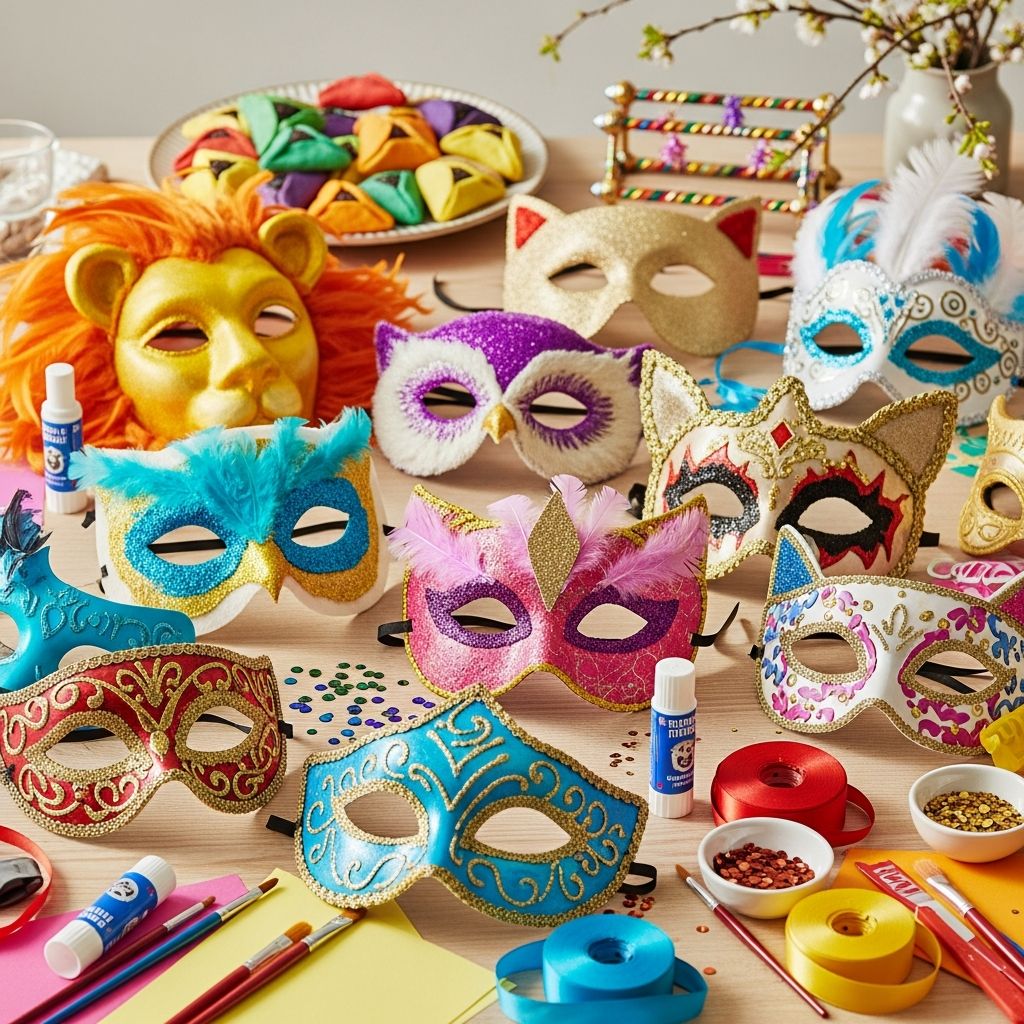
Purim is one of the most playful holidays in the Jewish calendar, and handmade masks are a perfect way to bring its joyful, topsy-turvy spirit into your home or classroom. This guide offers new, practical, and creative ideas for designing Purim masks that invite kids and adults to explore the holiday’s themes of courage, hidden identity, and celebration.
Why Masks Matter on Purim
Masks are more than just cute accessories on Purim; they invite everyone to step into a different role, loosen up, and see themselves and others from a fresh perspective. By creating masks together, families and communities can talk about what it means to hide and reveal parts of ourselves in a playful and age-appropriate way.
Designing a costume or mask can also give children an accessible entry point into the Purim story, helping them connect with characters, emotions, and big ideas like bravery and standing up for others. Even simple projects become meaningful when paired with conversation, laughter, and shared creativity.
Gathering Your Purim Mask Supplies
You do not need expensive specialty materials to make impressive Purim masks. Many of the most effective designs begin with recycled cardboard, scraps of paper, and a few basic art supplies you already have at home.
- Base materials: cereal boxes, cardstock, paper plates, thin cardboard, or craft foam.
- Attachment options: elastic cord, ribbon, yarn, or wooden craft sticks for hand-held masks.
- Decoration basics: crayons, markers, colored pencils, tempera or acrylic paint, glue sticks, white glue, and tape.
- Fun add-ons: tissue paper, felt scraps, buttons, sequins, feathers, foil, stickers, pom-poms, and yarn.
- Tools: child-safe scissors, hole punch, pencil, eraser, and a ruler or straightedge.
Set everything out buffet-style on a table covered with newspaper or a reusable tablecloth. When children can see and reach their options easily, they are more likely to experiment and combine materials in surprising ways.
Planning Your Mask Design
Before anyone starts cutting, take a few minutes to think about what kind of character each person wants to create. Some children will gravitate toward familiar figures from the Purim story, while others may prefer animals, fantasy creatures, or entirely imaginary personas.
- Story-inspired masks: Queen Esther, Mordechai, Ahashverosh, palace guards, or royal attendants.
- Emotion masks: happy, brave, surprised, mysterious, silly, or sleepy faces that show big feelings.
- Concept masks: a starry night, a Hamantaschen cookie, a carnival theme, or abstract patterns.
- Group themes: everyone dresses as a different color, animal, fruit, or superhero-style character.
Encourage kids to sketch a quick idea on scrap paper first. Rough doodles help children decide on shapes, colors, and details, and they also make it easier to simplify the design so that it is realistic to complete in one crafting session.
Basic Steps for a Simple Eye Mask
A classic eye mask is an excellent starting point for younger children or anyone who feels nervous about drawing complicated shapes. Once you learn the core structure, you can adapt it to almost any design.
- Trace the base shape. Hold a piece of cardboard or cardstock up to the face and lightly mark the position of the eyes and nose. Lay it flat and draw a simple rounded mask shape that covers the area around the eyes.
- Cut out the outline. Carefully cut around the outer edge of the mask. For young crafters, an adult can do the main cutting and let children focus on decorating.
- Create the eye holes. Fold the mask gently at the center between the eyes, snip a small slit, and cut out oval or almond-shaped openings. Check the size by holding the mask up to the wearer’s face and adjusting if needed.
- Add attachment points. Punch a hole on each side at temple height. Thread elastic or ribbon through each hole and tie a knot. Alternatively, tape a craft stick to one side so the mask can be held in front of the face like a masquerade piece.
- Decorate. Color the base, glue on details, and layer materials to build depth and texture. Remind kids to keep the area immediately around the eyes free of bulky or sharp decorations.
This basic structure can turn into a royal crown, a superhero visor, an animal face, or an abstract art piece just by changing colors, shapes, and add-ons.
Fun Theme Ideas for Purim Masks
Once everyone is comfortable with the basic shape, try building a family or classroom theme. Coordinated masks look wonderful in group photos and make Purim celebrations feel like a tiny parade.
| Theme | Simple Design Ideas | Age Friendliness |
|---|---|---|
| Royal Court | Gold or purple bases, drawn jewels, paper crowns, capes made from fabric scraps. | Great for mixed ages; adults can add extra detail. |
| Animal Carnival | Ears cut from cardboard, whiskers from yarn, spots or stripes with paint or markers. | Excellent for toddlers and preschoolers. |
| Stars and Sky | Dark blue backgrounds, foil stars, cotton clouds, shooting-star streaks. | Simple to decorate, calming color palette. |
| Super Helpers | Bold colors, lightning bolts, hearts, or shields to represent kind and brave actions. | Perfect for elementary-age kids who love superheroes. |
| Food Fiesta | Masks shaped like Hamantaschen, fruit slices, or candy, decorated with bright colors. | Fun for all ages, especially when paired with themed snacks. |
Consider inviting each participant to explain the story behind their design. One child’s lion mask may represent strength, while another’s starry mask might symbolize hope or hidden miracles.
Adding Texture, Sparkle, and Dimension
Even a very simple shape can look impressive when it has layers and tactile details. Children especially love masks that feel exciting to touch as well as fun to wear.
- Feathers and fringe: Glue feathers above the eyes for bird or peacock masks, or cut fringed strips of tissue paper to create manes, hair, or flames.
- Foam and felt: Use self-adhesive foam shapes or felt pieces to build raised eyebrows, mustaches, or patterned borders.
- Glitter alternatives: To avoid messy loose glitter, use glitter glue pens, shiny paper, metallic markers, or sequins.
- Mixed media: Combine drawing, painting, and collage. For example, paint the background, draw facial details, and then glue on textured shapes for extra drama.
Show children how to step back and look at their masks from a distance while they are decorating. This small habit teaches them to think like artists and notice whether they want to balance colors, add more details, or leave some areas simple.
Comfort and Safety Tips for Young Mask-Wearers
Safety and comfort are essential, especially if children will be wearing their masks during parties, school celebrations, or synagogue events. A well-designed mask should feel secure, breathable, and easy to see through.
- Keep eye openings large, with smooth edges; reinforce them with tape on the back if needed.
- Avoid tiny loose decorations near the eyes or mouth, particularly for toddlers who may pull them off.
- Use soft elastic that fits snugly but not tightly; tie the mask on, check for comfort, and then trim any extra length.
- Test visibility in different lighting and ask kids to walk, turn, and bend while wearing their mask.
- Consider hand-held masks on sticks for very young children who may not tolerate straps around their heads.
It is also wise to have a backup plan, such as face stickers or small crowns, for any child who decides at the last minute that they do not want to wear a full mask.
Connecting Masks to the Story of Purim
While the craft itself is fun, many families like to link mask-making to the bigger messages of Purim. Masks can represent the way the Purim story unfolds through secrets, revelations, and surprising twists.
- Talk about Queen Esther hiding her identity at first and then revealing it to save her people.
- Discuss times when everyone hides feelings, fears, or talents and how it can feel to share them.
- Invite kids to imagine what “courage” would look like as a mask. Would it be covered in flames, shields, stars, or calm colors?
- Ask children why people might enjoy dressing up as someone else for a day and what they learn from that experience.
These conversations do not need to be long or heavy; even a few guided questions can help children connect their creativity to values like kindness, bravery, and community.
Purim Mask Activities for Parties and Classrooms
Purim masks can anchor a full celebration, whether you are hosting a family gathering, leading a classroom, or organizing a community event. Think of mask-making as one station in a small festival of experiences.
- Mask-making station: Set up tables with pre-cut bases, decorating supplies, and simple inspiration cards with pictures or words like “royal,” “silly,” or “mysterious.”
- Photo corner: Hang a simple backdrop (such as a solid sheet or paper banner) and invite guests to pose with their masks for fun snapshots.
- Mini parade: Once everyone has finished their masks, play lively music and lead a short parade around the room or down a hallway.
- Story corner: Combine mask-wearing with an age-appropriate retelling of the Purim story, letting kids act out non-scary scenes.
- Guess-who game: Adults or older kids put on masks, change their voices, and let younger children guess who is who.
If you are working with a large group, consider assigning a few volunteers or older students to help with tying elastics, managing glue, and cutting out last-minute shapes so the experience stays smooth and stress-free.
Eco-Friendly and Budget-Wise Mask Ideas
Purim crafts do not have to generate a mountain of trash or strain your budget. With a bit of planning, you can create beautiful masks that reuse materials and encourage children to think about caring for the world.
- Save cardboard packaging, paper towel tubes, and colorful junk mail for cutting shapes.
- Use fabric scraps from old clothes or linens to make soft decorative elements.
- Choose washable markers and paint rather than single-use glitter and confetti.
- Create a “shared embellishment bin” with buttons, ribbon pieces, and leftover craft bits sorted into jars.
- Invite children to design one “keepsake” mask that can be stored and reused as dress-up play after the holiday.
These small choices keep costs low and also model thoughtful resource use, which aligns nicely with the broader Purim values of generosity and responsibility toward others.
Extending the Fun Beyond the Mask
Once masks are finished, they can inspire additional Purim-themed activities that stretch creativity and social-emotional learning. The goal is to let children keep exploring their characters, stories, and ideas in new ways.
- Create short skits where each masked character introduces themselves and shares a “superpower” of kindness, courage, or wisdom.
- Encourage children to draw a picture of themselves unmasked next to their Purim persona and describe one thing they like about each.
- Ask kids to write or dictate a few sentences about what their mask would say if it could talk.
- Combine mask-wearing with music, dancing, or simple movement games that help energetic children get their wiggles out.
Connecting masks to storytelling, writing, and performance supports language skills and confidence, all while maintaining the playful spirit at the heart of Purim.
Frequently Asked Questions About Purim Masks
How far in advance should we make Purim masks?
Many families enjoy starting mask projects one to two weeks before Purim so there is plenty of time to gather materials, experiment with designs, and avoid last-minute stress. Beginning early also allows children to revisit their masks, add details in stages, and feel more ownership of the final result.
What if my child does not want to wear a mask?
Some children love the idea of costumes and masks but feel overwhelmed once they have to put something on their face. Offer alternatives such as decorated headbands, crowns, capes, or wristbands, and let them participate at whatever level feels comfortable. The goal is joyful celebration, not forcing anyone into an uncomfortable experience.
How can I adapt mask-making for very young children?
For toddlers and preschoolers, focus on large, sturdy pieces and simple decorating tasks like gluing big shapes, placing stickers, or adding broad strokes of color. Adults can prepare pre-cut bases and limit small embellishments, emphasizing safe materials and short, upbeat crafting sessions.
Can adults make Purim masks too?
Absolutely. Adult participation models creativity and playfulness, helping children see that making art is for all ages. Grown-ups can also tackle more intricate designs, such as layered paper cutouts, painted scenes, or masks that match themed Mishloach Manot gift baskets, adding an extra touch of festivity to the holiday.
How do we store masks after the holiday?
Once Purim is over, gently flatten any bent areas, label each mask with the maker’s name and year, and place them in a shallow box or envelope. These keepsakes can come out again for dress-up play, future Purim inspiration, or as part of a growing family collection that documents your creative celebrations over time.
Bringing It All Together
Homemade Purim masks transform everyday materials into objects of delight, storytelling, and connection. With simple planning, a few core supplies, and an atmosphere of acceptance and fun, families and communities can create costumes that honor both the playful side of Purim and its deeper messages.
Whether your celebration is large or small, ornate or simple, what matters most is the opportunity to laugh together, explore identity, and remember that even small acts of creativity can turn an ordinary day into a joyful holiday experience.