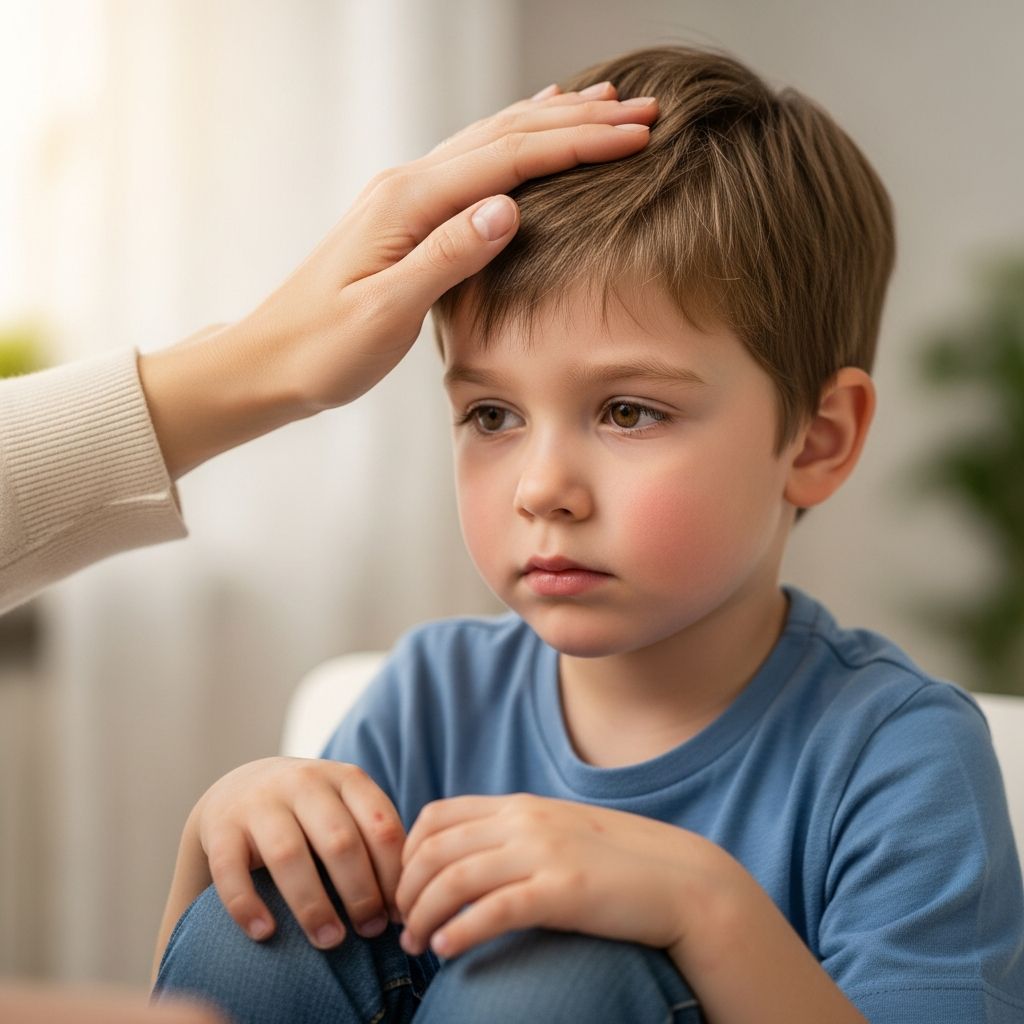
Coxsackie viruses are highly contagious pathogens that frequently affect young children, particularly during warmer months. These enteroviruses primarily cause mild illnesses but can lead to uncomfortable symptoms requiring parental vigilance and supportive care.
Understanding the Nature of Coxsackie Infections
Coxsackie viruses belong to the enterovirus family and thrive in the gastrointestinal tract, spreading easily through close contact. They peak in summer and early fall, infecting daycare and school-aged kids most often. While adults can carry the virus asymptomatically, children under 5 years are prone to noticeable outbreaks.
There are two primary groups: Group A, responsible for hand-foot-and-mouth disease (HFMD) and herpangina, and Group B, which occasionally impacts muscles or the heart but is rarer in typical cases.
Recognizing Early Warning Signs
The infection often begins subtly, allowing parents to intervene early. Initial indicators include:
- Sudden **fever**, typically the first symptom, lasting 1-3 days and reaching up to 102°F or higher.
- **Sore throat** with discomfort during swallowing.
- General malaise, such as irritability, fatigue, and reduced appetite.
These signs mimic common colds, but progression reveals the virus’s distinctive features.
Classic Skin and Mouth Manifestations
Within 1-2 days of fever onset, telltale rashes and sores emerge. Group A Coxsackie A16 is the main culprit for HFMD, featuring:
- Painful red spots or blisters inside the mouth, on the tongue, gums, or throat back—known as herpangina when concentrated there.
- Rash on palms, soles, and sometimes buttocks or elsewhere, appearing as flat spots, bumps, or vesicles that may blister and crust.
Blisters can ooze but heal naturally without popping. Mouth pain peaks in days 3-5, complicating eating and drinking.
| Symptom Location | Description | Duration |
|---|---|---|
| Mouth/Throat | Small ulcers or red spots | 3-7 days |
| Hands/Feet | Red macules or blisters | 7-10 days |
| Other Body Areas | Scattered rash | Up to 2 weeks |
This table summarizes common rash sites and timelines based on clinical observations.
Rarer but Serious Complications
Most cases resolve in 7-10 days without intervention, but vulnerable groups like infants or immunocompromised children risk escalation.
- Viral meningitis: Stiff neck, severe headache, light sensitivity—requires prompt evaluation.
- Heart or muscle involvement: Chest pain, shortness of breath, or profound weakness, more linked to Group B.
- Dehydration: From refusal to eat/drink due to sores, shown by dry mouth, few tears, or scant diapers.
Complications are infrequent but demand immediate attention.
When to Contact a Healthcare Provider
Monitor closely and seek care if:
- Fever exceeds 102°F beyond 3 days.
- Child shows dehydration signs or can’t swallow.
- Severe pain, breathing issues, or neurological symptoms appear.
Virtual consults suit mild exposures to limit spread.
Effective Home Management Strategies
No antiviral cures exist; focus eases symptoms. Key approaches include:
- Pain and fever relief: Acetaminophen or ibuprofen (avoid aspirin due to Reye’s syndrome risk).
- Hydration: Frequent small sips of cool fluids; offer electrolyte solutions if eating is poor.
- Comfort foods: Yogurt, smoothies, pudding, ice pops—avoid acidic or hot items.
- Rest: Promote sleep in a cool, quiet space.
Mouth rinses or sprays may numb sores; consult providers first.
Preventing Spread in Families and Communities
Coxsackie transmits via saliva, stool, blister fluid, or contaminated surfaces. Prevention tactics:
- Frequent handwashing with soap for 20 seconds, especially post-diaper changes or bathroom use.
- Disinfect toys, doorknobs, and high-touch areas daily.
- Keep infected children home until fever-free and sores crusted (typically 7 days).
- Avoid sharing utensils, towels, or close contact.
No vaccine exists, so hygiene is paramount during outbreaks.
Duration and Recovery Expectations
HFMD symptoms wane in 3-7 days, though rashes linger up to 2 weeks. Full recovery is standard without scarring. Immunity is strain-specific, allowing reinfections.
Track progress: Fever drops first, followed by sore resolution, then rash fading.
Frequently Asked Questions
Is Coxsackie virus the same as hand-foot-and-mouth disease?
Yes, HFMD is primarily caused by Coxsackie A16, though other enteroviruses contribute.
Can adults get Coxsackie from children?
Adults may contract milder cases or remain asymptomatic carriers.
How long is a child contagious?
Up to 1-2 weeks, longest via stool; isolate until symptoms resolve.
Are antibiotics needed for Coxsackie?
No, as it’s viral; antibiotics treat unrelated bacterial issues only.
Does the rash itch or scar?
Rashes rarely itch severely and heal without scars if unpicked.
Seasonal Patterns and Risk Factors
Outbreaks surge in summer-fall due to indoor crowding and outdoor play. Daycares amplify transmission. Infants under 1 year face higher dehydration risks.
Boost resilience with balanced nutrition and hygiene routines year-round.
References
- Spotting Coxsackie Virus Symptoms in Kids and When to Seek Care — Stony Brook Medicine. 2023. https://health.stonybrookmedicine.edu/spotting-coxsackie-virus-symptoms-in-kids/
- Coxsackie infection and your baby — March of Dimes. 2024. https://www.marchofdimes.org/find-support/topics/planning-baby/coxsackie-infection-and-your-baby
- Coxsackie Virus: Types, Symptoms & Treatment — WebMD. 2024-01-17. https://www.webmd.com/a-to-z-guides/coxsackie-virus
- What to Do if Your Child Has Hand, Foot and Mouth Disease — Children’s Hospital of Philadelphia. 2023. https://www.chop.edu/news/health-tip/hand-foot-and-mouth-disease-what-you-need-know
- Hand, Foot & Mouth Disease (HFMD): Symptoms & Causes — Cleveland Clinic. 2024. https://my.clevelandclinic.org/health/diseases/11129-hand-foot-and-mouth-disease
- Hand-foot-and-mouth disease – Diagnosis & treatment — Mayo Clinic. 2024. https://www.mayoclinic.org/diseases-conditions/hand-foot-and-mouth-disease/diagnosis-treatment/drc-20353041
- Hand, Foot, and Mouth Disease in Kids: Tips for Prevention — Mount Sinai Health. 2023. https://health.mountsinai.org/blog/hand-foot-and-mouth-disease-in-kids-tips-for-prevention/
- About Hand, Foot, and Mouth Disease — CDC. 2025-06-12. https://www.cdc.gov/hand-foot-mouth/about/index.html