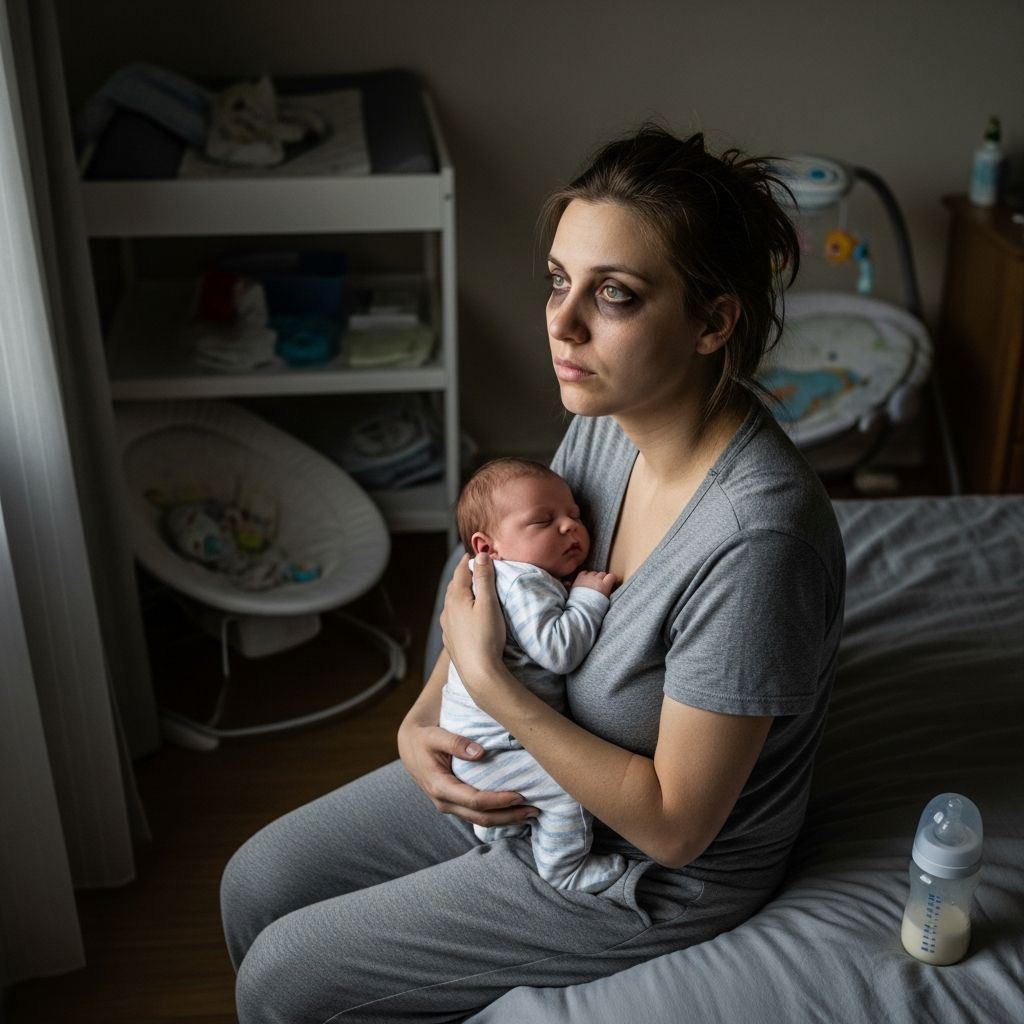
The COVID-19 pandemic reshaped countless aspects of daily life, but for new mothers, it amplified an already vulnerable period into one of unprecedented emotional strain. Postpartum mental health issues, including depression and anxiety, surged as isolation, restricted healthcare access, and economic pressures compounded biological and hormonal changes.
Rising Rates of Postpartum Depression Amid Crisis
Research from the early pandemic phase revealed alarming trends: approximately one in three new mothers experienced postpartum depression, a rate potentially three times higher than pre-pandemic levels. This spike was linked to the unique stressors of birthing during lockdowns, such as masked deliveries, partner exclusions from labor rooms, and canceled family gatherings.
Studies confirm that the global health crisis elevated psychological distress universally, with women—particularly those in the postpartum phase—showing heightened susceptibility. Hormonal shifts post-delivery, combined with pandemic-induced fears of infection for themselves and their infants, created a perfect storm for mental health deterioration.
Key Stressors Disrupting Maternal Well-Being
Several interconnected factors fueled this mental health crisis:
- Social Isolation: Social distancing mandates severed vital support networks, leaving mothers without visits from relatives or friends, which traditionally buffer postpartum recovery.
- Healthcare Disruptions: Reduced prenatal and postnatal appointments limited professional monitoring, exacerbating undetected anxiety and mood disorders.
- Economic and Household Pressures: Job losses, financial instability, and increased domestic responsibilities strained marital relationships and heightened depression risks.
- Fear of Infection: Constant worry about COVID-19 transmission to newborns intensified maternal stress, particularly among first-time parents.
Qualitative insights from affected mothers highlighted themes like guilt over altered birthing experiences and grief for ‘lost’ milestones, such as baby showers.
Impact on Anxiety and Bonding with Baby
Beyond depression, anxiety rates climbed sharply, with one in five new mothers reporting major depressive symptoms alongside heightened distress. This emotional turmoil impaired parent-infant bonding, a critical foundation for child development.
Limited practical support, such as help with chores or childcare, correlated strongly with poorer outcomes. However, when emotional support persisted—through calls or virtual check-ins—it mitigated risks of severe depression and bonding issues.
| Factor | Pre-Pandemic Prevalence | Pandemic Increase | Source |
|---|---|---|---|
| Postpartum Depression | 6.5-12.9% | Up to 33% | |
| Anxiety & Distress | Moderate | Significantly Elevated | |
| Bonding Impairment | Low | Linked to Low Support |
Vulnerable Groups Facing Heightened Risks
Not all mothers were affected equally. Immigrant women, those with unintended pregnancies, advanced maternal age, or high-risk conditions faced amplified dangers. Lack of social support, poor sleep, and heavy social media use further compounded vulnerabilities.
First-time mothers, already navigating steep learning curves, reported intense fears around birth and infant care amid viral uncertainties. These groups urgently required targeted interventions to prevent long-term mental health sequelae.
Unexpected Silver Linings in Isolation
Amid challenges, some positives emerged. Fewer hospital and home visitors allowed quieter bonding time, reducing overstimulation and enabling rest—benefits many mothers cherished. This respite underscored the value of controlled environments for early recovery.
Strategies for Protection and Recovery
Healthcare experts advocate proactive measures to safeguard postpartum mental health during crises:
- Routine Screening: Implement depression and anxiety checks from pregnancy through postpartum, using telehealth for continuity.
- Digital Support Tools: Leverage video consultations, apps for mood tracking, and virtual parenting groups to bridge isolation gaps.
- Community Programs: Develop peer networks and home visits where safe, emphasizing emotional and practical aid.
- Lifestyle Interventions: Promote light exercise, healthy sleep, and limited media exposure to curb anxiety.
Policymakers should prioritize postpartum care enhancements, including flexible work policies and mental health funding, to fortify resilience against future disruptions.
Long-Term Lessons for Maternal Care
The pandemic exposed systemic gaps in postpartum support, urging a reevaluation of care models. Integrating mental health into routine obstetrics, expanding telehealth, and fostering robust social networks can prevent similar crises.
By addressing these insights, societies can better equip new mothers, ensuring healthier starts for families. Ongoing research tracks enduring effects, emphasizing sustained vigilance.
Frequently Asked Questions
What caused the spike in postpartum depression during COVID-19?
Isolation, healthcare restrictions, infection fears, and economic stress tripled rates to one in three mothers.
Did all mothers experience worse mental health?
No, but those with low support, immigrants, or first-time status were most vulnerable; some benefited from reduced visitors.
How can emotional support help during isolation?
It protects against severe depression and bonding issues, even if practical help is limited.
What screening is recommended postpartum?
Frequent checks for depression and anxiety via telehealth from pregnancy onward.
Are digital tools effective for support?
Yes, video calls and apps maintain connections and monitor moods effectively.
References
- A third of new moms had postpartum depression during early COVID — Michigan Medicine, University of Michigan. 2021-04-20. https://www.michiganmedicine.org/health-lab/third-new-moms-had-postpartum-depression-during-early-covid
- Postpartum depression during the COVID-19 pandemic — PMC, National Institutes of Health. 2024-08-15. https://pmc.ncbi.nlm.nih.gov/articles/PMC11266160/
- The impact of postpartum social support on postpartum mental health outcomes during the COVID-19 pandemic — PubMed, NIH. 2023-08-01. https://pubmed.ncbi.nlm.nih.gov/37268777/
- Becoming a Mother During COVID-19 Pandemic: How to Protect Perinatal Mental Health? — Frontiers in Psychiatry. 2021-11-10. https://www.frontiersin.org/journals/psychiatry/articles/10.3389/fpsyt.2021.764207/full