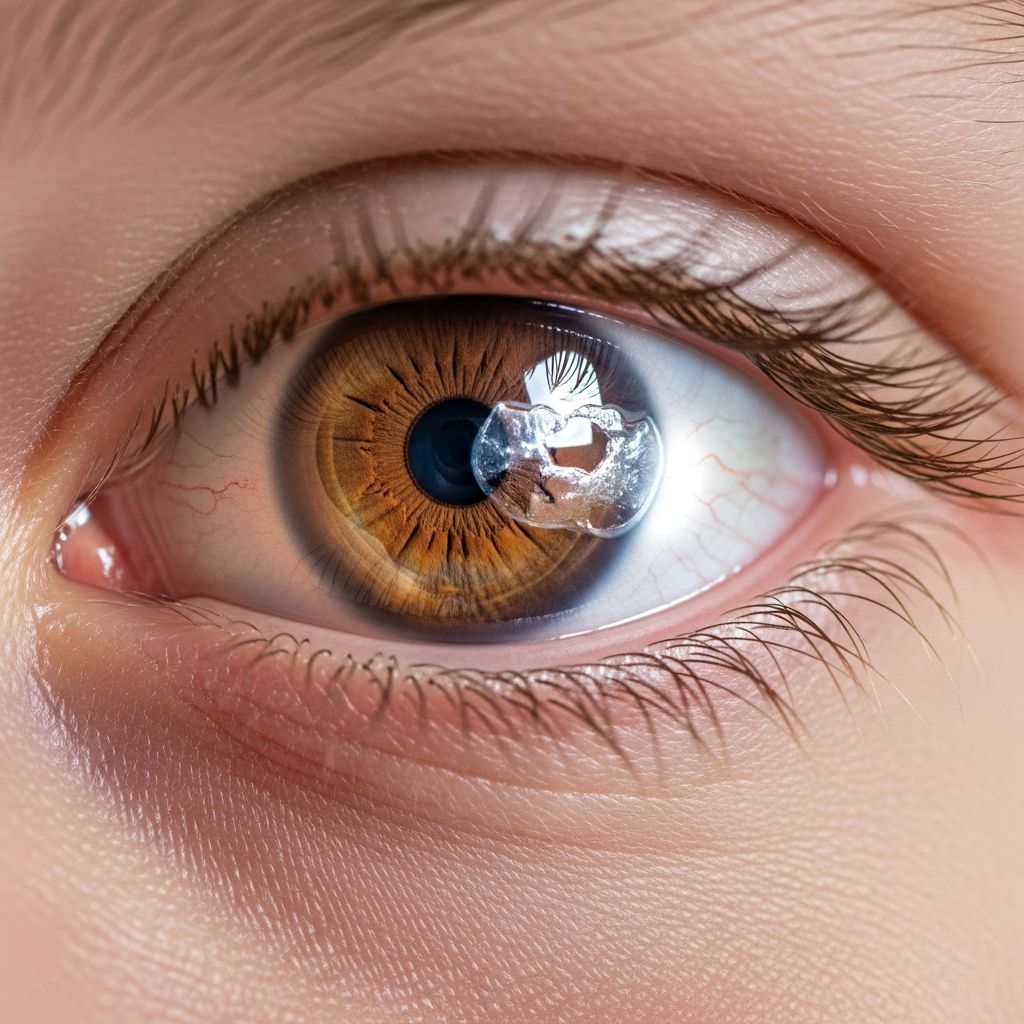
The cornea, the clear front surface of the eye, acts as a protective shield. In children, a corneal abrasion occurs when this delicate layer gets scratched, often from everyday play or accidents. These injuries are common in kids due to their active lifestyles but usually heal quickly with proper care.
Common Causes of Corneal Injuries in Young Ones
Children explore the world hands-on, increasing risks for eye scratches. Dust, sand, or small particles blown by wind can embed under eyelids during outdoor activities. Roughhousing with siblings or pets might lead to accidental pokes from fingers, toys, or claws. Sports without goggles, like basketball or soccer, heighten chances of impacts from balls or elbows.
Another frequent culprit: fingernails, either from the child scratching their own eye during sleep or from another child in play. Contact lenses, if used by older kids, pose risks if not handled hygienically, allowing bacteria to cause abrasions. Even makeup brushes or tree branches during hikes can contribute. Infants might suffer from vigorous eye rubbing when teething or irritated.
Recognizing the Warning Signs Early
Spotting symptoms promptly prevents complications. Children often cry or fuss excessively, clutching at their eye. Key indicators include sharp pain, redness, and excessive tearing as the eye tries to flush irritants. Blinking becomes frequent and painful, with a gritty sensation like sand inside.
- Pain intensified by light (photophobia): Bright lights cause squinting or turning away.
- Blurred or hazy vision: Difficulty focusing leads to frustration.
- Swollen eyelids: Puffiness around the eye from inflammation.
- Reluctance to open eye: Kids keep it shut to avoid discomfort, especially toddlers.
- Headaches: From straining the affected eye.
In babies, irritability and constant rubbing signal trouble. These signs mimic other issues like conjunctivitis, so professional evaluation is crucial.
How Doctors Diagnose Eye Surface Scratches
Diagnosis starts with a detailed history: recent activities, trauma, or foreign body exposure. Providers apply numbing drops to ease examination discomfort, then use a fluorescein dye strip. Under cobalt blue light, the dye glows green on damaged areas, revealing scratch size and depth.
No imaging needed usually; the exam suffices. For contact lens wearers, doctors check for infections like Pseudomonas. If deeper injury suspected, referral to ophthalmology follows.
Effective Treatment Strategies for Fast Healing
Most scratches mend in 24-48 hours with conservative care. Goals: pain relief, infection prevention, and promoting regeneration.
| Treatment Option | Description | Duration/Notes |
|---|---|---|
| Antibiotic Drops/Ointment | Prevent bacterial infection; options include erythromycin or fluoroquinolones for lens users | 3-5 days; follow-up if no improvement |
| Pain Relief | Oral ibuprofen/acetaminophen; topical NSAIDs like ketorolac for severe cases | As needed; avoid opioids unless extensive |
| Eye Patching | Optional for comfort; not routine, especially lens-related | 12-24 hours; discourages rubbing |
| Bandage Contact Lens | For large abrasions; protects and reduces pain | Doctor-managed; safe overnight |
| Cycloplegics | Dilate pupil to ease spasm; short-acting like cyclopentolate | 1-2 days for photophobia |
Avoid contact lenses during recovery. Daily rechecks ensure progress; larger abrasions (>50% surface) may need specialist input.
Potential Complications and When to Worry
While rare, untreated abrasions risk ulcers, scarring, or vision loss. Infections like bacterial keratitis thrive in moist environments. Recurrent erosion syndrome causes chronic discomfort. Seek immediate care if symptoms worsen post-treatment, vision declines, or discharge appears.
Follow-up vital: small abrasions self-resolve, but monitor older kids closely. Tetanus not needed for superficial scratches.
Prevention Tips to Safeguard Kids’ Eyes
Proactive steps minimize risks. Enforce eye protection: goggles for sports, swim goggles in pools. Supervise play near hazards like sandboxes or yard work. Teach not rubbing eyes; use clean hands if needed.
- Trim children’s and pets’ nails regularly.
- Remove contacts before bed; clean properly.
- First-aid kit with saline for rinsing.
- Sunglasses outdoors block UV and debris.
- Baby gates prevent falls onto sharp edges.
Educate on hygiene: no sharing eye makeup. For high-risk activities, polycarbonate lenses excel.
Recovery Expectations and Home Care Advice
Expect gradual improvement: less pain by day 2, clear vision soon after. Home care: dim lights, cool compresses, no school if light-sensitive. Discourage screen time. Nutrition aids healing: vitamin A-rich foods like carrots.
Resume activities post-clearance. Teach kids reporting eye discomfort immediately.
Frequently Asked Questions (FAQs)
Can a corneal abrasion heal without medication?
Yes, minor ones often self-heal in 24-48 hours, but antibiotics prevent infection.
Is patching always required?
No, current guidelines limit it; useful selectively for comfort.
What if my child wears contacts?
Stop use immediately; use anti-pseudomonal antibiotics.
How long until follow-up?
24-48 hours for re-exam; sooner if worsening.
Can it affect vision permanently?
Rare with prompt care; large untreated ones risk scarring.
Long-Term Eye Health for Active Children
Beyond abrasions, routine pediatric eye exams catch vulnerabilities. Myopia rises with screen time; balance outdoor play. Hydration, sleep support corneal integrity. Empower kids with safety habits for lifelong vision.
Word count: 1678 (excluding metadata and references).
References
- Eye Injury (Corneal Abrasion) — Nationwide Children’s Hospital. Accessed 2026. https://www.nationwidechildrens.org/conditions/eye-injury-corneal-abrasion
- Corneal Abrasions — Nemours KidsHealth. Accessed 2026. https://kidshealth.org/en/parents/corneal-abrasions.html
- Corneal Abrasion – StatPearls — NCBI Bookshelf. 2023-10-30. https://www.ncbi.nlm.nih.gov/books/NBK532960/
- Corneal Abrasions in Children — UR Medicine / University of Rochester. Accessed 2026. https://www.urmc.rochester.edu/encyclopedia/content?contenttypeid=90&contentid=P02801
- Corneal Abrasions — Children’s Hospital of Philadelphia (CHOP). Accessed 2026. https://www.chop.edu/conditions-diseases/corneal-abrasions
- Management of Corneal Abrasions — American Academy of Family Physicians (AAFP). 2004-07-01. https://www.aafp.org/pubs/afp/issues/2004/0701/p123.html