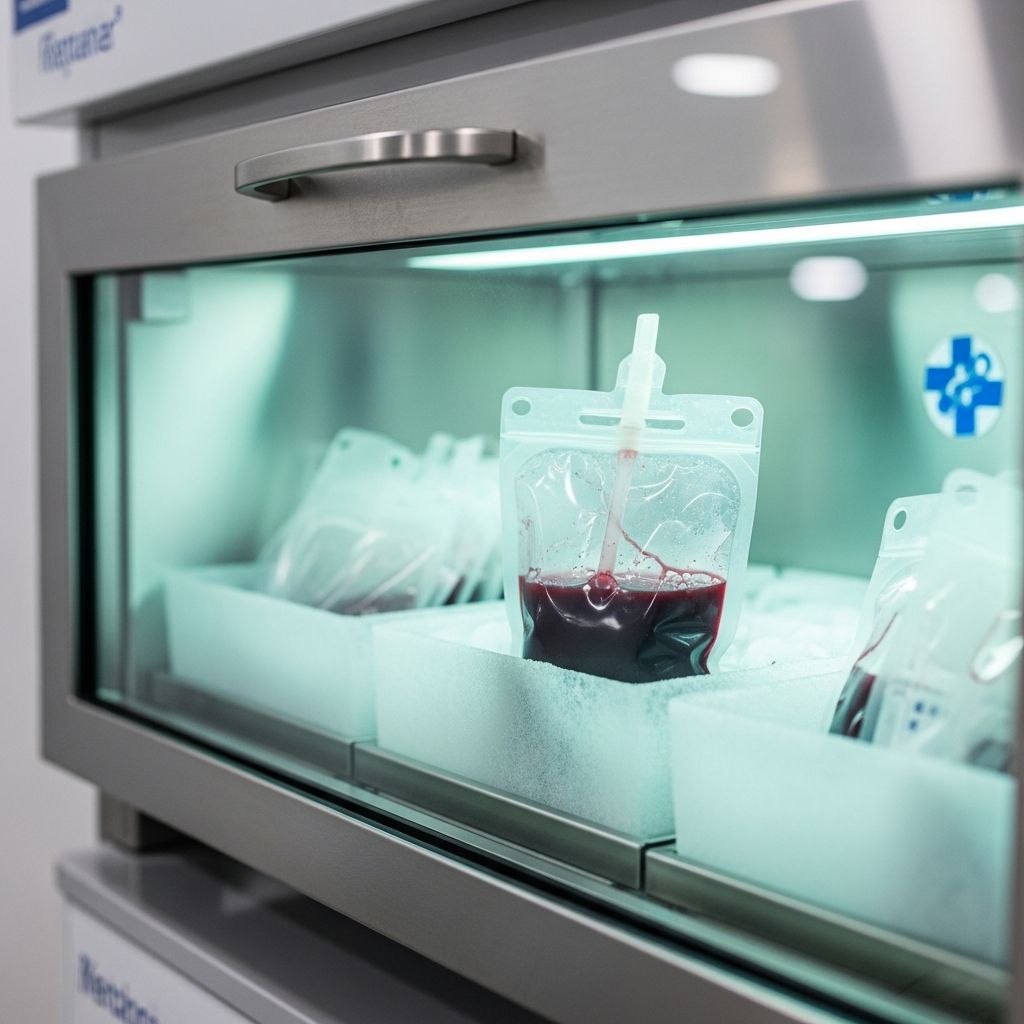
Preserving stem cells from a newborn’s umbilical cord offers potential medical benefits, but the associated expenses require careful consideration. Costs typically range from several thousand dollars upfront plus ongoing annual fees, varying by service type and provider features.
Understanding the Value of Cord Blood Stem Cells
Umbilical cord blood is rich in hematopoietic stem cells (HSCs), which can develop into various blood and immune cells. These cells treat over 80 conditions, including leukemia and sickle cell anemia, through transplants that rebuild a patient’s blood system. Collection occurs post-delivery from the cord and placenta, a quick, painless process after the cord is clamped and cut.
The procedure involves inserting a needle into the cord to draw blood into a sterile bag, taking about 10 minutes without risk to mother or baby. For private banking, families pay to store these cells exclusively for their use, ensuring immediate availability if needed. Public donation, conversely, is free but makes units available to any matching patient via registries.
Cord blood collection is noninvasive and does not interfere with birthing, prioritizing maternal and infant safety at all times.American College of Obstetricians and Gynecologists (ACOG)
Private Banking: Detailed Cost Breakdown
Private cord blood banking secures a unit solely for the family, ideal for those with family history of treatable diseases. Initial costs cover collection kits, courier transport, lab processing, testing, and cryopreservation.
- Collection Kit and Shipping: $100–$300, including sterile bag and transport to the lab.
- Processing Fees: $1,500–$2,500, isolating stem cells via methods like centrifugation to separate red blood cells, plasma, and the buffy coat rich in HSCs.
- Initial Storage (First Year): Included or $100–$200 extra.
- Annual Storage: $100–$250 per year indefinitely.
Total first-year outlay often hits $2,000–$4,000, with lifetime plans capping at $5,000–$10,000 via prepayment discounts. Advanced processing, like PrepaCyte-CB, boosts stem cell yield by reducing red cells up to 99%, justifying higher fees for better transplant viability.
| Cost Component | Average Range | Notes |
|---|---|---|
| Initial Fee | $2,000–$3,500 | Includes kit, processing, testing |
| Annual Storage | $125–$225 | Per year after first year |
| Lifetime Plan | $4,500–$9,000 | One-time payment option |
| Add-ons (Cord Tissue) | $1,000–$2,500 extra | Mesenchymal stem cells from tissue |
Public Donation: A Cost-Free Alternative
Donating to public banks costs nothing and contributes to life-saving transplants. Hospitals coordinate collection, processing, and storage, listing viable units on registries like NMDP. Units undergo rigorous testing for cell count, infections, and tissue typing before availability.
Eligibility requires screening for communicable diseases; not all collections qualify due to low cell counts. Benefits include altruism and potential family access if matched, though priority goes to unrelated patients. Delayed cord clamping (30–60 seconds) may reduce volume but still allows banking if total nucleated cells (TNC) meet thresholds.
Factors Influencing Overall Expenses
Beyond base fees, choices impact totals:
- Processing Technology: Automated systems (e.g., Sepax) recover more CD34+ stem cells than manual Hetastarch methods, adding $500–$1,000.
- Storage Duration: Over 18 years to adulthood, annual fees accumulate to $2,000–$4,500 without prepayment.
- Additional Services: Cord tissue or placental banking for mesenchymal cells costs extra $1,500–$3,000 initially.
- Promotions: Multi-child discounts or military rebates lower costs 10–20%.
- Location and Provider: FDA/AABB-accredited banks charge more for compliance but ensure quality.
Controlled-rate freezing to -190°C preserves viability, critical as thawed units must meet potency standards pre-transplant.
Comparing Private vs. Public Options
| Aspect | Private Banking | Public Donation |
|---|---|---|
| Cost | $2,000+ initial, $150/year | Free |
| Availability | Exclusive to family | Public registry, possible family match |
| Usage Stats | Low personal use likelihood (<1/2,700) | High societal impact (thousands transplanted) |
| Quality Assurance | Full processing/testing | Rigorous for transplant-grade units |
Private suits high-risk families; public maximizes broader utility.
Financial Planning and Insurance Considerations
Many providers offer financing, splitting initial fees into payments. Prepaying storage locks rates, saving thousands long-term. Insurance rarely covers private banking but may reimburse public donations or transplants. Tax deductions possible for medical storage in some cases.
Evaluate family medical history: Siblings have 25–50% match chance; parents 0% for HSCs but potential for other cells.
Steps to Choose a Cord Blood Bank
- Research Accreditation: Verify FDA registration, AABB/FDA standards.
- Review Processing: Prefer high TNC/CD34 recovery rates.
- Check Contracts: Understand retrieval fees ($500–$1,500), repurchase if donated publicly.
- Consult Providers: Compare quotes from 3–5 banks.
- Discuss with OB: Confirm hospital compatibility.
Frequently Asked Questions
What is the total cost over 20 years for private cord blood banking?
Expect $6,000–$12,000, depending on prepayment and add-ons.
Does delayed cord clamping ruin banking?
No, viable collections remain possible if TNC thresholds are met post-DCC.
Can family members use my child’s cord blood?
Yes, siblings have strong match odds; parents may benefit from cord tissue cells.
Is cord blood banking worth it statistically?
Usage is rare privately, but invaluable if needed; public donation aids thousands annually.
How long can cord blood be stored?
Indefinitely at -190°C vapor-phase nitrogen, with viable units over 25 years old used successfully.
References
- Cord Blood Banking — American College of Obstetricians and Gynecologists (ACOG). 2023. https://www.acog.org/womens-health/faqs/cord-blood-banking
- How Cord Blood is Processed — Cryo-Cell International. 2024. https://www.cryo-cell.com/why-bank-stem-cells/the-banking-process/cord-blood-processing
- Cord Blood Banking — American Pregnancy Association. 2024. https://americanpregnancy.org/healthy-pregnancy/first-year-of-life/cord-blood-banking/
- Umbilical Cord Blood Donation Process — National Marrow Donor Program (NMDP). 2025. https://www.nmdp.org/en/get-involved/join-the-registry/donate-cord-blood/cord-blood-donation-process
- Umbilical Cord Blood Banking: An Update For Childbirth Educators — National Library of Medicine (PMC). 2022-10-18. https://pmc.ncbi.nlm.nih.gov/articles/PMC9584102/