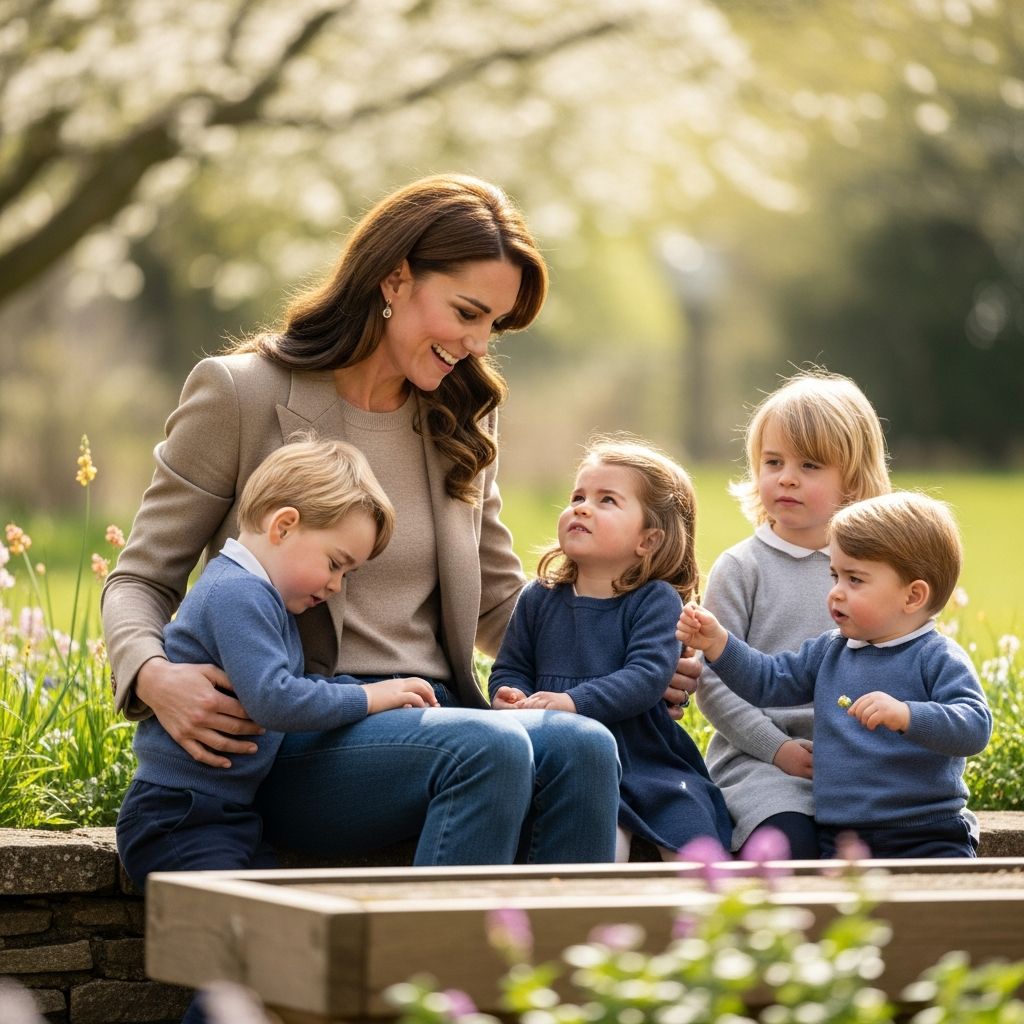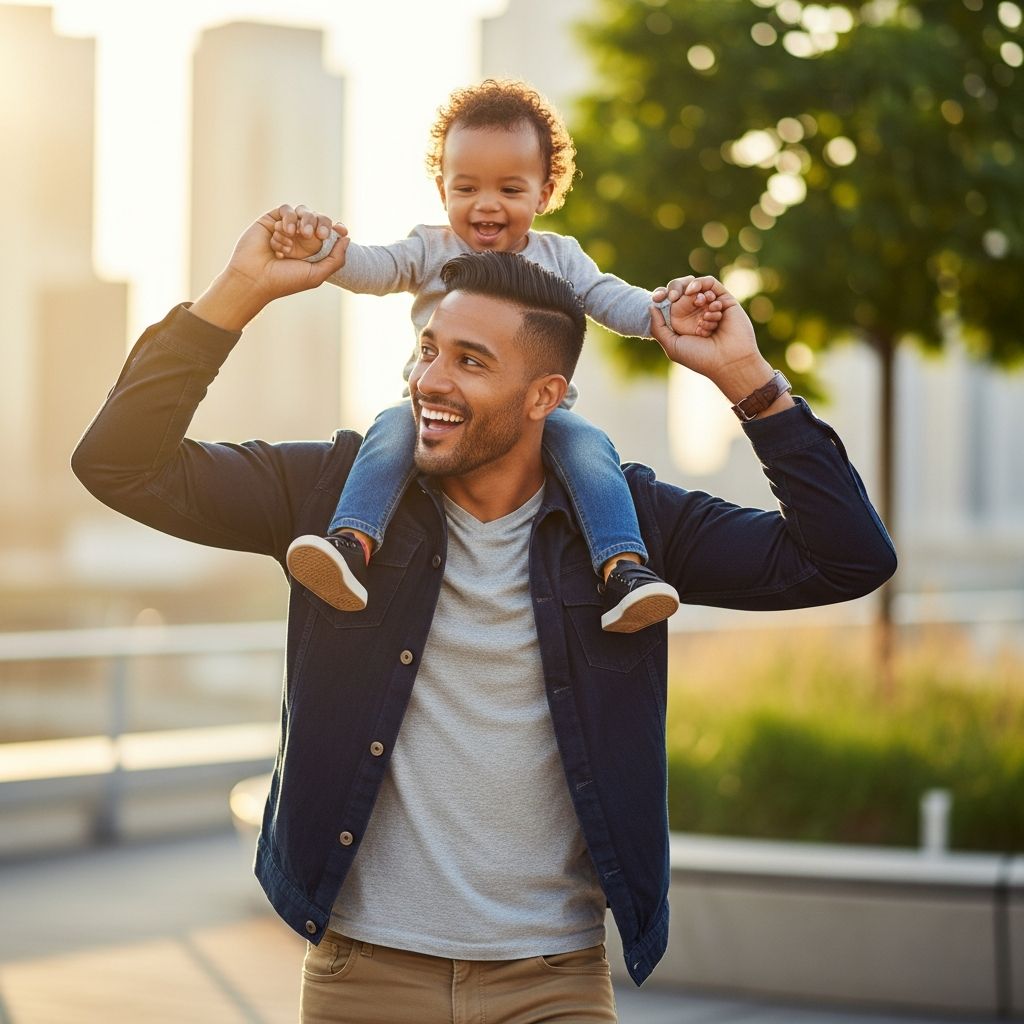
In an era where family structures are diversifying and societal expectations are shifting, being a cool dad goes beyond outdated stereotypes of stern authority figures. Today’s fathers are embracing emotional vulnerability, active participation in daily child-rearing, and innovative ways to connect with their kids. This approach not only strengthens family ties but also contributes to children’s better mental health and social development.
The Evolution of Father Roles
Fatherhood has transformed dramatically over recent decades. Once defined by breadwinning and discipline, modern dads are now caregivers, playmates, and emotional anchors. Research shows that children with involved fathers exhibit fewer behavioral issues, improved attention spans, and enhanced sociability. This shift aligns with women’s increased workforce participation, which rose from under 33% in 1948 to over 60% by 2001, prompting fathers to step into more hands-on roles.
Family diversity adds layers to this evolution. One in three children lives in single-parent homes, with 3.5 million in father-only households and growing numbers raised by LGBTQ+ parents. Single dads by choice, using adoption or surrogacy, represent a rising trend in modern fatherhood. These changes challenge traditional norms, making ‘cool’ fatherhood about adaptability and presence rather than rigid conventions.
Key Traits of the Modern Cool Dad
What sets apart dads who kids remember fondly? It’s a blend of reliability, fun, and empathy. Here’s a breakdown:
- Emotional Availability: Fathers who openly express feelings model healthy emotional intelligence. Studies indicate fatherly affection impacts child mental health as profoundly as maternal love.
- Active Involvement: From diaper changes to homework help, engaged dads foster secure attachments. NICHD research links positive paternal traits like high self-esteem to greater caregiving.
- Adventure Seekers: Cool dads turn routines into quests—building forts, stargazing, or impromptu dance parties—creating joyful memories.
- Balanced Freedom: Pew data reveals men grant kids more autonomy than women, promoting resilience while offering guidance.
| Traditional Dad | Cool Modern Dad |
|---|---|
| Distant provider | Hands-on partner |
| Strict disciplinarian | Empathetic guide |
| Work-focused | Family-integrated |
| Rigid routines | Flexible adventures |
This table highlights the pivot from authoritarian to collaborative parenting, reflecting 2026 trends where dads lead differently.
Embracing Micro-Milestones for Deeper Connections
One standout trend is celebrating micro-milestones—those tiny triumphs that punctuate parenting’s chaos. Instead of fixating on first steps alone, cool dads honor a baby’s first giggle, a toddler’s triumphant puzzle solve, or a teen’s honest heart-to-heart. These moments build emotional validation and presence.
For instance, mark the halfway pregnancy point with a family photo session or toast a child’s first full night’s sleep with a special breakfast. Even parental wins, like post-vasectomy recovery or returning to work, deserve recognition. This practice counters overwhelm, fostering joy in everyday progress.
Navigating Diverse Family Dynamics
Cool dads thrive in varied setups. Single fathers by choice are pioneering inclusive models through surrogacy and adoption, reshaping family narratives. Stay-at-home dads, stepdads, and those in same-sex partnerships prove involvement trumps structure. With 191,000 kids raised by two same-sex parents and 29% of LGBTQ+ adults parenting minors, diversity is the new normal.
In single-dad homes, resilience shines. Fathers with positive psychological profiles engage more, especially with sons, per NICHD findings. Cool dads adapt: co-parenting amicably, blending families thoughtfully, or building support networks.
Practical Strategies to Level Up Your Dad Game
Becoming a cooler dad is actionable. Start with these evidence-based tips:
- Prioritize Quality Time: Ditch screens for shared hobbies. Pew notes men value tradition but adapt for freedom.
- Listen Actively: Validate feelings to boost kids’ social functioning.
- Model Healthy Habits: APA emphasizes dads as role models for physical and psychological well-being.
- Encourage Independence: Let kids problem-solve, building confidence.
- Self-Care Routine: Balanced dads avoid burnout, staying present.
Incorporate 2026 trends like analog play—board games over apps—and real-world skills training, aligning with expert predictions.
Overcoming Common Challenges
No dad is perfect. Work demands, co-parenting friction, or societal judgment test resolve. Cool dads persist: seek therapy for mental health, join dad groups for camaraderie, and view mistakes as lessons. Research ties low depression in fathers to higher involvement.
For non-residential dads, consistent virtual check-ins or scheduled adventures maintain bonds. Incarcerated or absent dads can still impact positively through letters or calls, emphasizing guidance over perfection.
Frequently Asked Questions (FAQs)
What defines a cool dad in 2026?
A cool dad is emotionally present, fun-loving, adaptable, and actively involved, prioritizing connection over convention.
How do involved fathers benefit kids?
Children gain better mental health, fewer behavior problems, and stronger social skills.
Can single dads be cool parents?
Absolutely—many thrive via adoption or surrogacy, focusing on dedication and love.
What are micro-milestones?
Small, meaningful achievements like a first laugh or family decision, celebrated to savor parenting joys.
How to balance work and fatherhood?
Set boundaries, quality over quantity time, and model work ethic while being available.
Building Lasting Legacies
Ultimately, cool fatherhood crafts legacies of love and strength. By rejecting distant models for engaged leadership, dads shape resilient generations. Whether through micro-celebrations, diverse adaptations, or daily presence, the impact endures. Fathers today are redefining norms, proving coolness lies in authenticity and heart.
References
- The Changing Faces of Fatherhood in the Twenty-First Century — Dale M. Kushner. N/A. https://www.dalemkushner.com/blog/the-changing-faces-of-fatherhood-in-the-twenty-first-century
- The Rise of Micro Milestones in Modern Parenting — Starglow Media. 2026. https://www.starglowmedia.com/blog/micro-milestones-new-parenting-trend-in-2026
- Fatherhood Is Changing in 2026 (Strong Dads Are Leading Differently) — YouTube Shorts. 2026. https://www.youtube.com/shorts/zYVsVQ7Cr9I
- 2026 Parenting Trends We’re Excited to Embrace This Year — The Everymom. 2026. https://theeverymom.com/parenting-trends/
- Single Dads by Choice: The New Face of Modern Fatherhood — NBC Palm Springs. 2025-10-29. https://www.nbcpalmsprings.com/therogginreport/2025/10/29/single-dads-by-choice-the-new-face-of-modern-fatherhood