Parenting decisions often ignite passionate debates, as what works for one family may clash with societal expectations. From discipline tactics to infant care routines, certain approaches draw criticism despite evidence of their benefits. This article delves into lesser-accepted strategies, drawing on psychological research and expert insights to highlight their merits and address common concerns.
Challenging Discipline Paradigms: Beyond the Spanking Debate
One of the most heated topics in parenting revolves around physical discipline like spanking. While some view it as a quick corrective tool, studies reveal potential long-term drawbacks. A Tulane University analysis of nearly 2,500 children found that frequent spanking at age 3 correlated with 50% higher aggression rates by age 5, suggesting it may exacerbate behavioral issues rather than resolve them. Pediatric experts emphasize teaching verbal expression over physical responses, noting that frustration-driven spanking risks emotional harm.
Instead, many advocate for **authoritative parenting**, which balances warmth with firm boundaries. This style fosters maturity through reasoning and consistent rules, leading to better academic performance and emotional regulation across cultures. Parents who reason with children about consequences report fewer conflicts and stronger self-control in kids, contrasting with harsher methods linked to poor outcomes.
- Authoritative traits: High responsiveness paired with clear expectations.
- Outcomes: Reduced sibling rivalry and improved global child well-being.
- Contrast with authoritarian: Avoids emotional distance and rigid obedience demands.
Critics argue structure without warmth stifles independence, but evidence favors moderation—guiding without shaming yields resilient children.
Sleep Training: The Cry-It-Out Controversy
Teaching infants independent sleep sparks fierce opposition, with ‘cry-it-out’ methods accused of neglect. Yet, proponents highlight its role in building self-soothing skills essential for long-term rest. Moderated approaches, where parents check periodically, align with developmental needs without abandonment.
Research supports varied sleep strategies tailored to family dynamics. Babies in responsive environments learn security faster, but unchecked co-sleeping can disrupt parental rest, indirectly affecting caregiving quality. Experts recommend gradual extinction—reducing interventions over nights—to promote healthy patterns.
| Method | Pros | Cons | Evidence |
|---|---|---|---|
| Cry-It-Out (Full) | Quick sleep independence | Initial distress for baby/parent | Effective for self-soothing |
| Fade-Out (Gradual) | Less intense emotionally | Takes longer | Balanced outcomes |
| Co-Sleeping | Proximity bonding | Safety risks if unmanaged | Cultural variance |
Ultimately, sleep solutions should prioritize safety and consistency, adapting to infant temperament.
Babywearing and Attachment: Spoiling Myths Debunked
Babywearing—carrying infants in slings—faces ridicule for allegedly fostering dependency. Contrary to this, studies show worn babies advance in motor and cognitive skills due to enriched parent-child interaction. No evidence links it to spoiled behavior; instead, it enhances security and responsiveness.
This ties into **attachment parenting**, emphasizing closeness. While critics fear over-dependence, balanced application builds confident explorers. Dr. Sears notes increased parental attunement accelerates development, countering self-soothing concerns. Moderation is key: Combine wearing with independent playtime.
- Benefits: Faster intellectual growth, stronger bonds.
- Best practices: Use ergonomic carriers, limit to age-appropriate durations.
- Counterarguments: Won’t hinder independence with varied stimuli.
Baby-Led Weaning: Empowering Tiny Eaters
Skipping purees for self-fed solids in baby-led weaning (BLW) alarms those fearing choking. However, when done safely, it cultivates healthy eating habits and motor skills. Families report babies intuitively portion-control, reducing obesity risks compared to spoon-fed methods.
Training via courses ensures proper food choices—soft, graspable items like ripe fruits. Evidence suggests BLW kids develop better self-regulation around food, challenging perceptions of it as reckless.
Montessori at Home: Freedom Within Limits
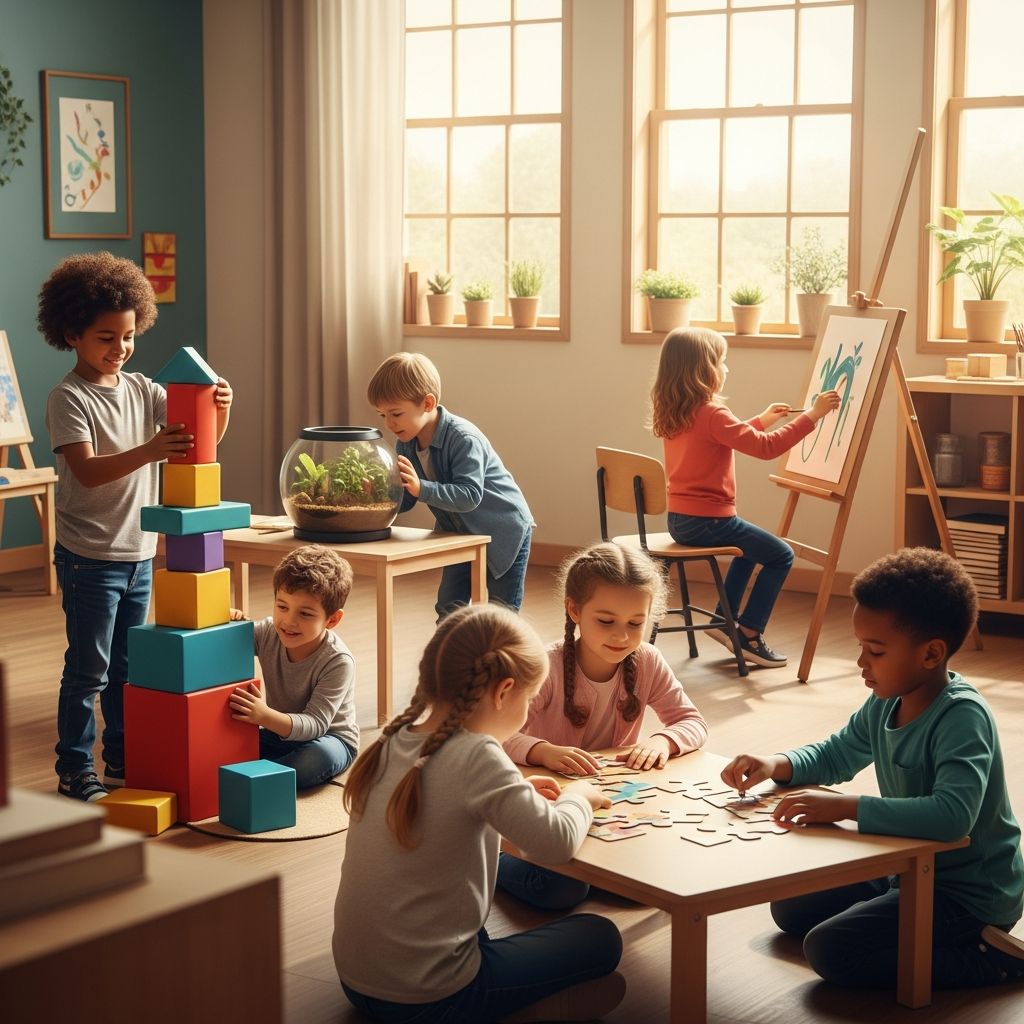
Montessori’s child-led exploration is dismissed as chaotic, yet it promotes intrinsic motivation. Critics overlook prepared environments guiding discovery, fostering focus and creativity without rigid schedules. Parents adapting principles at home see gains in problem-solving and autonomy.
Home setups include low shelves with practical toys, encouraging purposeful play over entertainment.
Screen Time Limits and Homemade Nutrition
Strict screen caps and DIY baby food buck tech-saturated norms. Limited exposure preserves attention spans, while fresh purees or mashes control ingredients, potentially boosting nutrition. These choices prioritize real-world engagement, aligning with authoritative guidance.
Schooling Choices: Homeschool vs. Traditional
Opting out of conventional schools for homeschooling or alternatives divides opinions. Tailored pacing suits diverse learners, often yielding academic edges, though socialization concerns persist. Balanced extracurriculars mitigate this.
Navigating Judgment: Building Parental Confidence
Societal scrutiny amplifies doubts, but evidence empowers decisions. Authoritative foundations—warmth plus structure—navigate controversies effectively. Cross-cultural data affirms its global efficacy.
Frequently Asked Questions
Is spanking ever justified?
No major pediatric body endorses it; alternatives like positive reinforcement prove superior for behavior.
Does babywearing spoil infants?
Research shows no; it boosts development via interaction.
What’s best for sleep training?
Gradual methods balance responsiveness and independence.
Can BLW cause choking?
Risks are low with proper foods and supervision; benefits include better eating cues.
Is Montessori too unstructured?
It offers guided freedom, enhancing self-directed learning.
References
- 10 controversial parenting tips — Sue Atkins Parenting Coach. 2011-06-10. https://sueatkinsparentingcoach.com/2011/06/10-controversial-parenting-tips/
- The Changing Nature of Parenting in America — American Academy of Pediatric Dentistry (AAPD). 2000. https://www.aapd.org/globalassets/media/publications/archives/long-26-02.pdf
- The authoritative parenting style: An evidence-based guide — Parenting Science. N/A. https://parentingscience.com/authoritative-parenting-style/
- The “Controversial” Parenting Methods We Chose & Why — Parenting Style Blog. N/A. https://www.parentingstyleblog.com/blog/the-controversial-parenting-methods-we-chose
- Contemporary Research on Parenting: Conceptual, Methodological… — PMC (PubMed Central). 2013. https://pmc.ncbi.nlm.nih.gov/articles/PMC3746214/