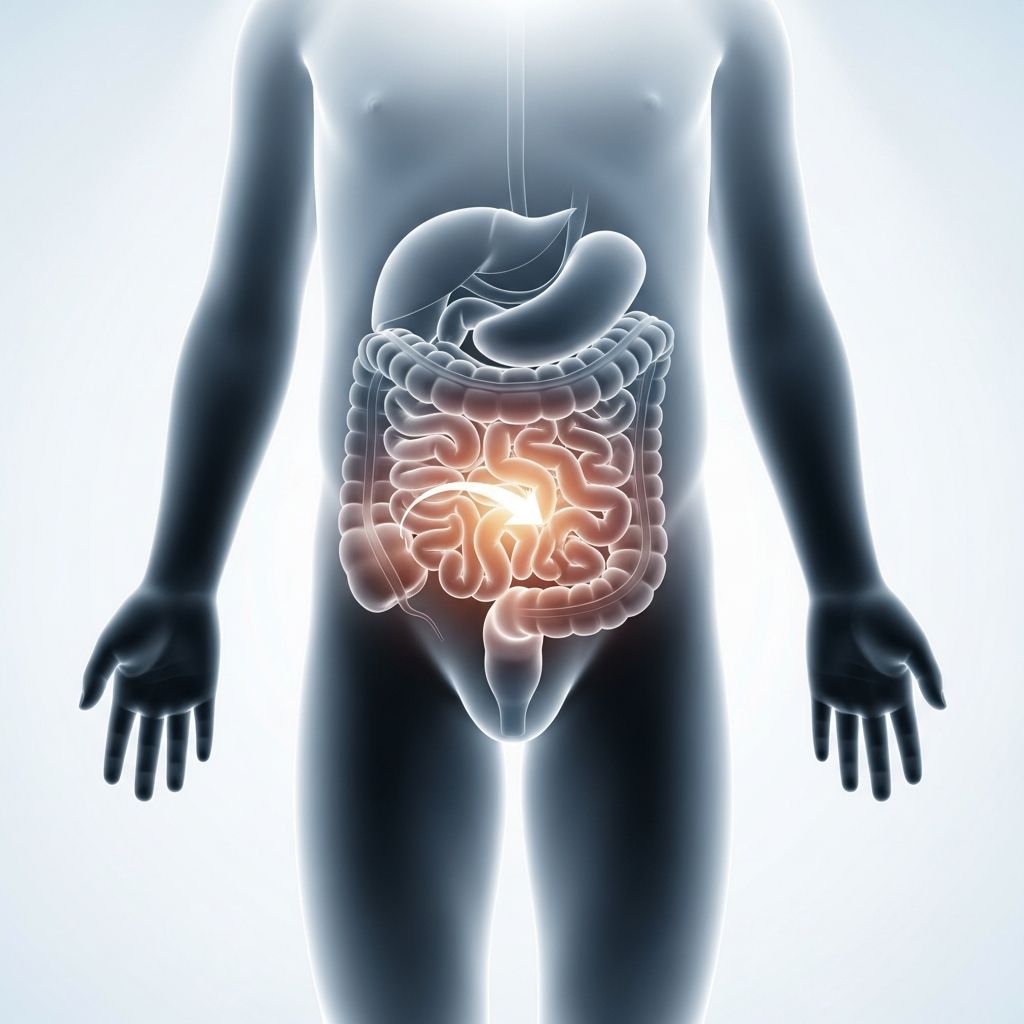
Constipation affects many children, causing discomfort and disrupting daily routines, but understanding its roots and remedies can make a big difference for parents.
Recognizing Constipation in Your Child
Parents often worry when their child’s bowel habits change. Constipation typically involves fewer than two to three bowel movements per week, with stools that are hard, dry, lumpy, or painful to pass. Infants might strain excessively, pass small hard pellets, or show blood on stool surfaces, while older kids may experience abdominal pain, soiling accidents (encopresis), or appetite loss.
- Infant signs: Straining, infrequent small stools, discomfort during passage.
- Toddler indicators: Large painful stools, hiding to withhold, rocking or fidgeting.
- School-age clues: Fewer movements, bloating, leakage between regular stools.
These patterns signal the need for attention, as untreated issues can worsen into chronic cycles.
Primary Causes Behind Bowel Irregularities
Most cases, about 95%, stem from functional constipation without organic disease, often triggered by behavioral or dietary factors. Children may withhold stools due to pain from prior hard passages, leading to a vicious cycle where stool hardens further from prolonged colon retention.
| Common Triggers | Description |
|---|---|
| Withholding Behavior | Child ignores urges due to pain, play focus, or unfamiliar bathrooms. |
| Dietary Shortfalls | Low fiber, insufficient fluids; common in picky eaters or during diet shifts. |
| Lifestyle Factors | Sedentary habits, routine changes like travel or potty training. |
Less commonly, underlying conditions like Hirschsprung disease, celiac issues, hypothyroidism, or medications (e.g., iron supplements, opioids) contribute.
When Constipation Signals a Deeper Issue
While functional causes dominate, red flags demand prompt evaluation. Watch for early-onset in infancy, vomiting, fever, poor growth, bloody stools, or developmental delays, which may indicate Hirschsprung disease, spinal problems, or metabolic disorders.
- Bloody diarrhea or pus near anus.
- Severe swelling or feeding refusal.
- Associated fevers or cold sensitivity.
Physicians use history, exams, and tests like anorectal manometry or X-rays to rule out anatomical problems.
Step-by-Step Treatment Approaches
Treatment starts with clearing impactions, then maintenance to restore regular patterns. Polyethylene glycol (PEG) laxatives are first-line for softening stools, often paired with enemas for severe buildup.
- Cleanout Phase: High-dose laxatives or enemas to empty rectum and colon.
- Maintenance: Daily laxatives, fiber boosts, scheduled sits.
- Behavioral Support: Rewards, routine toilet times leveraging gastrocolic reflex (post-meal urges).
For chronic cases, programs like intensive bowel management offer daily therapy, nutrition plans, and follow-ups.
Dietary Strategies to Soften Stools
Boosting fiber gradually over 1-2 weeks stimulates colon motility without gas overload. Aim for age-appropriate amounts: 5g plus child’s age in years daily, from fruits, veggies, whole grains.
- Fiber-rich picks: Pears, prunes, beans, oatmeal, broccoli.
- Hydration boost: Water, diluted juices like prune (with natural laxative senna).
- Limit constipators: Cheese, white bread, processed snacks.
Work with nutritionists for picky eaters; fermented juices can aid mild cases.
Building Healthy Bathroom Habits
Positive reinforcement transforms resistance. Set a daily schedule, use footstools for proper posture (knees above hips), and praise efforts without pressure.
Address fears: Explain body signals, make toilet time fun with books or timers. Avoid punishment for accidents, as it heightens withholding.
Medications and Medical Interventions
Beyond diet, osmotic laxatives like PEG draw water into bowels safely long-term. Stimulants or suppositories suit short-term needs; alternatives exist for pill-averse kids.
Surgery is rare, reserved for malformations. Always consult providers before starting or stopping meds.
Preventing Recurrence Long-Term
Consistency prevents relapse. Maintain fiber/fluid intake, active play, and routine sits. Track progress with bowel diaries to adjust plans.
During stressors like travel, pack high-fiber snacks and portable potties. Educate families on cues to catch issues early.
Frequently Asked Questions
How often should my child poop normally?
Normals vary: Breastfed infants multiple times daily; formula-fed less so. Toddlers 1-2 times/day; school kids every 1-2 days without pain.
Is constipation harmful if occasional?
Mild episodes resolve with diet tweaks, but recurrent ones risk encopresis or fissures. Monitor patterns.
Can medications cause it?
Yes, iron, opioids, antacids common culprits. Discuss alternatives with doctors.
When to see a doctor urgently?
If red flags like vomiting, weight loss, or persistent pain appear.
Do probiotics help?
Some evidence supports pre/probiotics for gut balance, but not first-line.
References
- Pediatric Chronic Constipation – Conditions and Treatments — Children’s National Hospital. 2023. https://www.childrensnational.org/get-care/health-library/chronic-constipation
- Constipation in Children: Causes, Signs & Treatment — CHOC Children’s. 2024. https://choc.org/conditions/gastroenterology/constipation-in-children/
- Symptoms & Causes of Constipation in Children — National Institute of Diabetes and Digestive and Kidney Diseases (NIDDK). 2023-05-01. https://www.niddk.nih.gov/health-information/digestive-diseases/constipation-children/symptoms-causes
- Constipation in Children and Adolescents: Evaluation and Treatment — American Academy of Family Physicians (AAFP). 2022-05-01. https://www.aafp.org/pubs/afp/issues/2022/0500/p469.html
- Constipation in Children: Symptoms, Treatment and Resources — Nationwide Children’s Hospital. 2024. https://www.nationwidechildrens.org/conditions/constipation
- Constipation in Kids: Symptoms & Remedies — Lurie Children’s Hospital. 2023. https://www.luriechildrens.org/en/specialties-conditions/constipation/