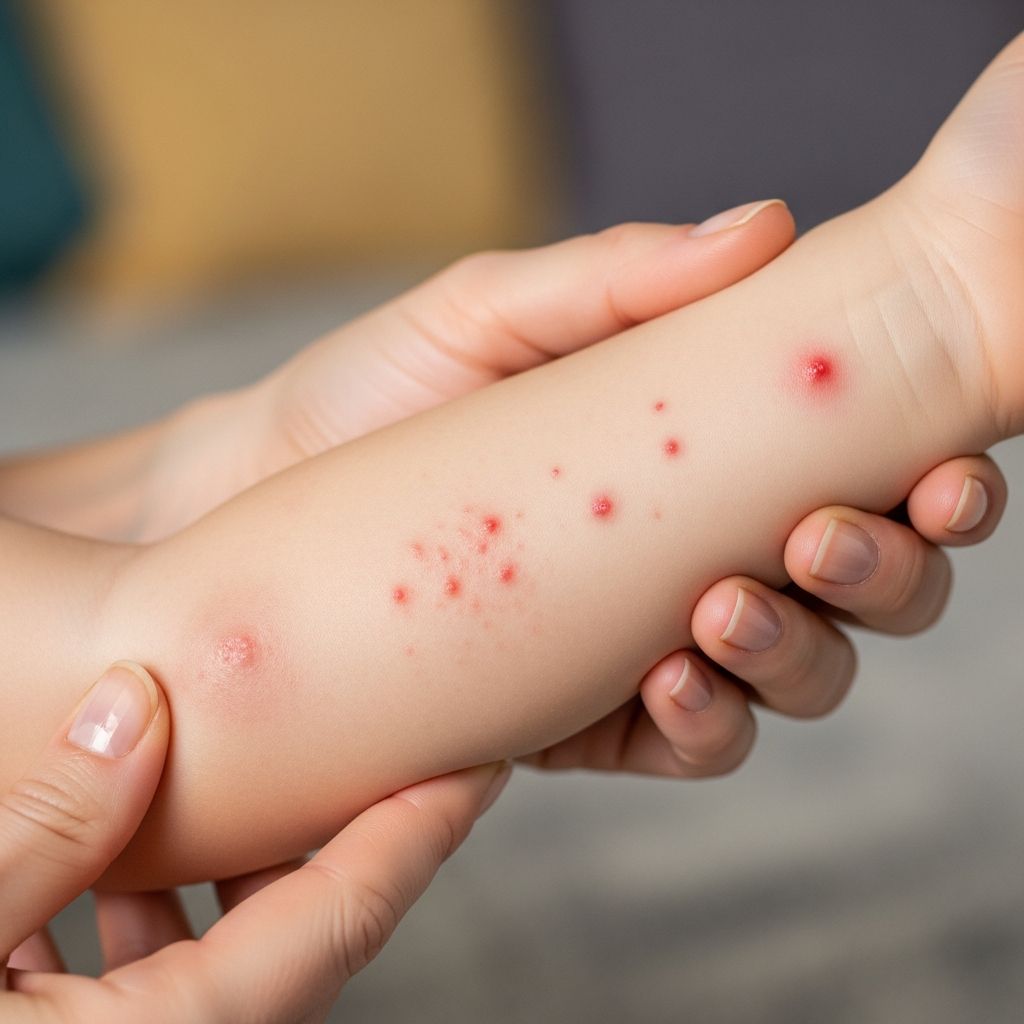
Skin infections and rashes are among the most frequent reasons parents call their child’s doctor. Most are mild and short-lived, but some need prompt medical care. Understanding what you are seeing on your child’s skin can help you stay calm, give comfort, and know when to seek help.
Why Children Are Prone to Skin Problems
Children’s skin is thinner and more delicate than adult skin, which makes it easier for germs and irritants to break through the outer barrier. Their immune systems are still developing and they are often in close contact with other kids, sharing toys, towels, and play spaces, all of which can spread infection.
- Immature immune system: Kids may not fight off bacteria, viruses, and fungi as efficiently as adults.
- Frequent minor injuries: Scrapes, bug bites, and cuts give germs an entry point.
- Close contact: Daycare, school, and sports increase skin-to-skin contact and sharing of objects.
- Moist environments: Diapers, sweaty clothing, and swim gear keep skin damp, which helps germs multiply.
Major Types of Skin Infections in Kids
Most skin infections fall into three broad groups, depending on the type of germ:
| Type of infection | Common causes | Typical examples in children |
|---|---|---|
| Bacterial | Staphylococcus and Streptococcus species | Impetigo, cellulitis, some diaper-area infections |
| Viral | Varicella-zoster virus, human papillomavirus (HPV), poxviruses, herpes simplex virus | Chickenpox, warts, molluscum contagiosum, cold sores |
| Fungal (yeast or dermatophyte) | Dermatophytes (ringworm), Candida species | Ringworm, athlete’s foot, some diaper rashes |
Some rashes are not infections at all but reactions to irritants or allergies (for example, contact dermatitis) or inflammatory conditions (like eczema). These may still become infected if the skin is broken from scratching.
Common Bacterial Skin Infections in Children
Impetigo
Impetigo is one of the most frequent bacterial skin infections in young children. It is caused by Staphylococcus aureus and sometimes group A streptococci and often appears around the nose and mouth.
- How it looks: Small red spots that quickly become blisters or open sores, then form a thick, yellowish “honey-colored” crust. Sores may spread to nearby skin.
- Symptoms: Mild soreness or itching; usually no high fever or severe illness.
- How it spreads: Touching the sores, shared towels, or clothing; children scratching and then touching other areas.
Treatment usually involves:
- Prescription topical antibiotic ointment for mild, limited areas.
- Oral antibiotics if the infection is widespread, recurrent, or accompanied by systemic symptoms.
- Gentle cleansing of the crusts and keeping nails short to limit scratching.
Cellulitis
Cellulitis is a deeper infection of the skin and the tissues under it, most often caused by streptococcal or staphylococcal bacteria.
- How it looks: A red, warm, swollen area that may expand quickly, sometimes with streaks, and is usually painful to the touch.
- Symptoms: Fever, chills, tiredness, and a child who looks ill may accompany the skin changes.
- Causes: Often develops after a cut, insect bite, scrape, or other break in the skin that allows bacteria in.
Cellulitis always needs medical assessment. Treatment commonly includes:
- Oral antibiotics for mild to moderate cases at home.
- Hospital care and IV antibiotics if the infection is severe, on the face, or associated with high fever or rapid spreading.
Viral Skin Infections: Warts, Molluscum & Chickenpox
Common warts (verruca vulgaris)
Warts are rough bumps caused by human papillomavirus (HPV) infecting the top layer of skin. They are very common in school-aged children.
- Where they appear: Fingers, hands, knees, and feet.
- Symptoms: Usually painless, though plantar warts on the soles can hurt when walking.
- Spread: Skin-to-skin contact, shared surfaces (like locker room floors), or nail-biting and picking.
Many warts resolve over time without treatment, but they may last months or years. Options include:
- Over-the-counter salicylic acid preparations used consistently for several weeks.
- In-office treatments such as freezing (cryotherapy) or other methods if warts are painful or persistent.
Molluscum contagiosum
Molluscum contagiosum is a viral infection that causes small, dome-shaped bumps with a central dimple. It is caused by a poxvirus and is especially common in children with eczema or dry skin.
- Appearance: Smooth, flesh-colored or pearly bumps, often 2–5 mm in size, sometimes with a tiny white core.
- Typical locations: Trunk, armpits, behind knees, or in skin folds; sometimes on the face.
- Symptoms: Often not painful; may itch, and scratching can spread the virus to nearby skin.
In healthy children, this infection usually clears on its own within several months to about two years. Management options include:
- Watchful waiting with moisturizers and itch control when lesions are mild.
- Topical treatments prescribed by a clinician or in-office procedures when lesions are numerous, irritated, or cosmetically concerning.
Chickenpox (varicella)
Chickenpox is caused by the varicella-zoster virus and now occurs far less often where vaccination rates are high, but it can still appear in unvaccinated or partially vaccinated children.
- Early signs: Mild fever, tiredness, and loss of appetite followed by a red, itchy rash.
- Rash evolution: Spots become fluid-filled blisters, then break and crust over in stages, often appearing on the trunk, face, and scalp first.
- Contagious period: From 1–2 days before the rash until all lesions have crusted, usually about a week.
Treatment in otherwise healthy children focuses on comfort:
- Keeping nails short and using mittens or socks on hands in younger kids to reduce scratching.
- Cool baths or compresses and doctor-recommended anti-itch medicines.
- Antiviral medicines may be prescribed for children at higher risk of complications, such as those with certain chronic illnesses or weakened immune systems.
Fungal and Yeast Infections of the Skin
Ringworm (tinea)
Ringworm is a misleading name—this infection is caused not by a worm but by a group of fungi (dermatophytes). It can affect the body, scalp, feet, or groin.
- How it looks on the body: Circular or ring-shaped red patches with clearer skin in the center and a raised, scaly edge.
- Scalp ringworm (tinea capitis): Scaly patches of hair loss, sometimes with black dots where hair has broken off.
- Spread: Direct contact with infected people or animals (especially kittens and puppies) or contaminated objects like brushes or hats.
Treatment depends on where it appears:
- Body or feet: Usually treated with topical antifungal creams for several weeks.
- Scalp: Requires a prescription oral antifungal medicine, often for at least 6–8 weeks.
Yeast-related rashes
Yeast such as Candida can cause bright red, moist rashes, especially in warm, damp areas like the diaper region, armpits, and skin folds.
- Diaper-area yeast rash: Red patches with small satellite spots around them, often in skin folds where simple irritation rashes may spare.
- Common triggers: Frequent diarrhea, recent antibiotic use, and prolonged dampness in the diaper area.
Treatment often includes:
- Frequent diaper changes and gentle cleansing.
- Allowing skin to air-dry when possible.
- Topical antifungal creams or ointments if a yeast infection is confirmed.
Noninfectious Rashes That Can Become Infected
Some of the most common rashes in kids start as noninfectious but can become secondarily infected if the skin barrier is repeatedly scratched or broken.
- Eczema (atopic dermatitis): Dry, itchy, inflamed patches; broken or weeping areas can be invaded by bacteria or viruses.
- Contact dermatitis: Red, itchy rash following exposure to an irritant or allergen (for example, certain soaps or plants).
- Heat rash and friction rash: Usually harmless, but persistent scratching can introduce bacteria.
Good skin care and itch control help prevent infection on top of these conditions. A clinician may prescribe medicated creams to calm inflammation and, if needed, antibiotics or antivirals when infection develops.
How Doctors Treat Skin Infections in Children
Treatment depends on the type and severity of infection, the child’s age, and other medical conditions. Common medications include:
- Antibiotics (oral or topical) for bacterial infections such as impetigo and cellulitis.
- Antifungal medicines (creams or pills) for ringworm and yeast-related rashes.
- Antiviral drugs for selected viral infections, especially in children at higher risk of complications.
- Supportive care such as cool compresses, gentle cleansing, moisturizers, and medicines to reduce itching or fever.
Most uncomplicated infections improve within a few days after starting appropriate treatment and clear completely in a few weeks. Parents should always give medicines exactly as prescribed and complete the full course, even if the skin looks better sooner.
Home Care and Prevention Tips
Daily habits that protect your child’s skin
- Encourage regular handwashing with soap and water, especially after using the bathroom, outdoor play, and before eating.
- Keep nails short to limit damage from scratching.
- Use mild, fragrance-free cleansers and moisturizers on sensitive skin.
- Avoid sharing items like towels, hairbrushes, hats, and razors.
- Change out of wet or sweaty clothing promptly.
Protecting against spread in the household
- Cover open sores or weeping rashes with clean, dry dressings when possible.
- Wash bedding, towels, and clothing that come into contact with infected areas in hot water and dry thoroughly.
- Clean frequently touched surfaces and toys if a contagious infection such as impetigo or molluscum is present.
- Follow your healthcare provider’s guidance on how long your child should stay home from school or daycare.
When to Call the Doctor
Many mild rashes can be monitored at home for a day or two, but some situations need medical attention. Contact your child’s healthcare provider if:
- The rash is rapidly spreading, very painful, or associated with swelling around the eyes or joints.
- Your child develops a fever, appears very ill, or is unusually sleepy or irritable.
- You see signs of infection in an existing rash: increasing redness, warmth, pus, or red streaks spreading outward.
- Blisters appear on the face or near the eyes, or your child has a history of immune system problems.
- The rash does not improve or worsens after a few days of recommended home care.
Seek emergency care right away if your child has trouble breathing, a stiff neck, purple or bruise-like spots that do not blanch when pressed, or any other signs of a serious illness.
Frequently Asked Questions (FAQs)
How can I tell if my child’s rash is an infection?
Signs that point toward infection include spreading redness, warmth, swelling, pain, pus, crusting, or a rash that appears after a cut, bite, or scratch. Fever or a child who seems unwell are additional warning signs that a doctor should evaluate.
Will my child’s skin infection leave a scar?
Most mild infections like uncomplicated impetigo or small warts heal with little to no scarring, especially if children avoid picking or scratching. Deeper infections such as severe cellulitis or repeatedly traumatized lesions have a higher chance of leaving marks.
Can my child go to school with a skin infection?
This depends on the type of infection and local policies. Children with contagious infections like untreated impetigo or open chickenpox lesions are usually advised to stay home until they are no longer infectious, such as after starting antibiotics or once lesions are fully crusted. Your child’s healthcare provider or school nurse can give specific guidance.
When are antibiotics necessary for a rash?
Antibiotics are used for confirmed or strongly suspected bacterial infections such as impetigo or cellulitis, or when a noninfectious rash has become clearly infected. They are not useful for viral infections like molluscum or chickenpox or for simple allergic or irritant rashes. A clinician can help determine the cause.
How long do common childhood skin infections last?
Many simple bacterial infections improve within days of starting treatment and clear in 1–2 weeks. Viral infections such as warts and molluscum may take months to resolve even though they are harmless in healthy children. Fungal infections usually require several weeks of consistent therapy.
References
- Common skin infections in children — N.B. Vakharia et al., BMJ. 2005-07-23. https://pmc.ncbi.nlm.nih.gov/articles/PMC449820/
- 5 Common Skin Infections in Children — Vujevich Dermatology Associates. 2024-01-15. https://www.vucare.com/2024/01/15/common-skin-infections-in-children/
- Skin Infections — MedlinePlus, U.S. National Library of Medicine. 2023-06-06. https://medlineplus.gov/skininfections.html
- Skin Infections — Riley Children’s Health. 2022-09-01. https://www.rileychildrens.org/health-info/skin-infections
- Impetigo – Symptoms & causes — Mayo Clinic. 2023-08-09. https://www.mayoclinic.org/diseases-conditions/impetigo/symptoms-causes/syc-20352352
- Baby and Childhood Rashes — Cleveland Clinic. 2022-05-01. https://my.clevelandclinic.org/health/diseases/6951-skin-conditions-in-children
- Skin Conditions — HealthyChildren.org, American Academy of Pediatrics. 2021-10-15. https://www.healthychildren.org/English/health-issues/conditions/skin/Pages/default.aspx