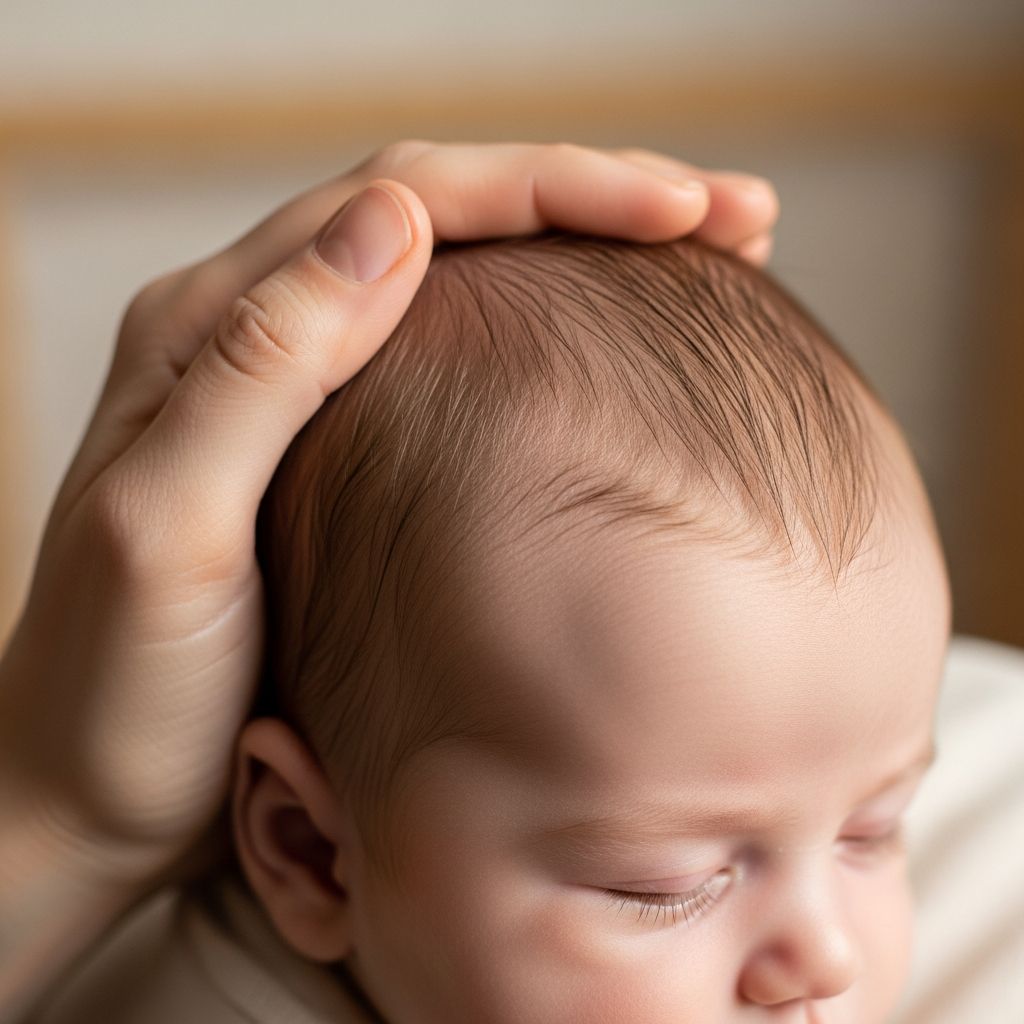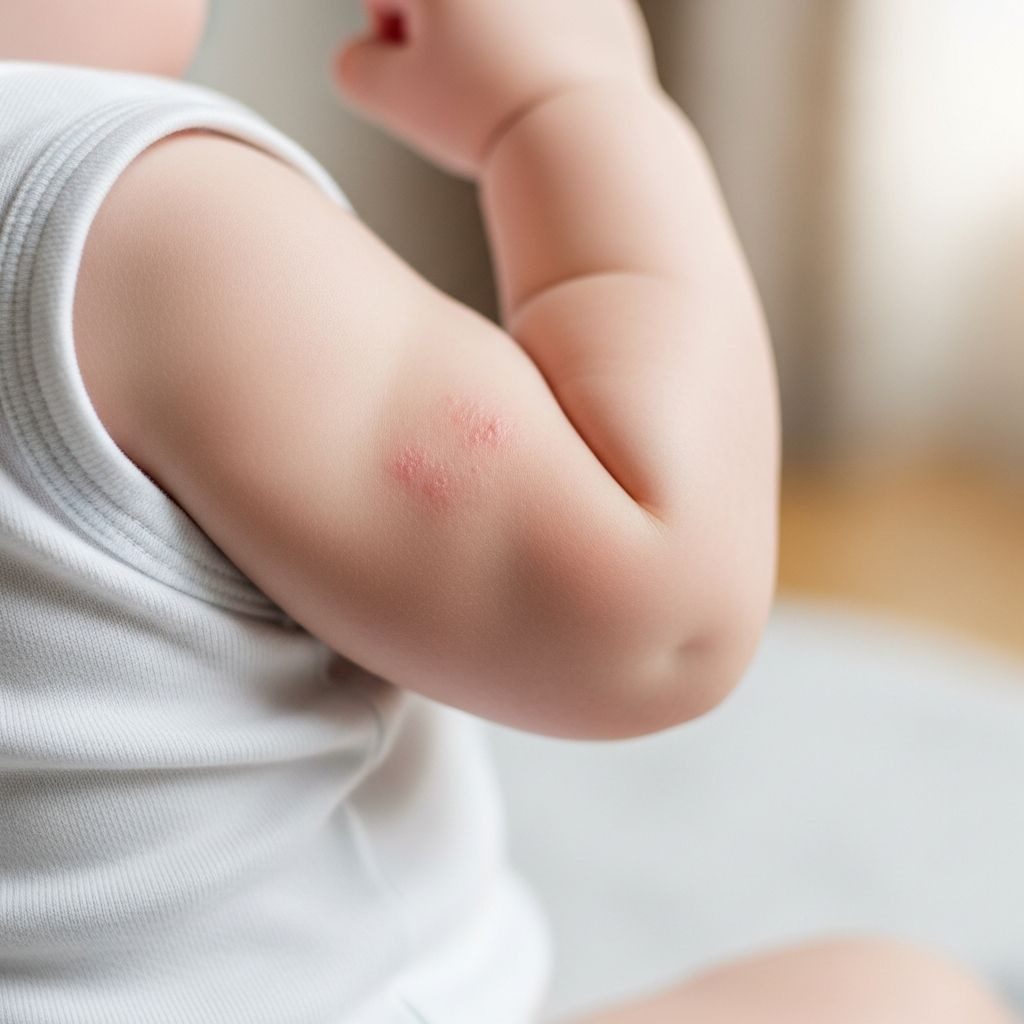
Infants have delicate skin that is prone to various eruptions due to their developing immune systems, environmental exposures, and sensitivities. These conditions, while often alarming for parents, are typically benign and manageable with proper care. This article delves into the most frequent types of infant skin issues, providing detailed descriptions, causes, symptoms, and practical management strategies grounded in medical guidance.
Why Do Infants Develop Skin Eruptions?
A baby’s skin is thinner and more permeable than an adult’s, making it susceptible to irritants, allergens, infections, and temperature changes. Common triggers include moisture buildup, friction from clothing or diapers, new foods, soaps, and viral illnesses. Most eruptions resolve without intervention, but recognizing patterns helps parents respond effectively.
Maintaining a clean, dry, and moisturized environment is foundational. Use fragrance-free products designed for sensitive skin, dress babies in breathable cotton fabrics, and avoid overheating to minimize risks.
Newborn Skin Adaptations: Harmless Bumps and Spots
In the first weeks of life, newborns often exhibit transient skin changes as they adjust to the outside world. These are usually self-limiting and require no treatment.
- Erythema Toxicum Neonatorum: Appears as red spots with yellow or white pus-filled centers on the face, trunk, arms, and legs. It affects up to 50% of full-term babies and fades within days to weeks.
- Milia: Tiny white pearls on the nose, cheeks, or chin from trapped keratin. These resolve spontaneously by 1-2 months.
- Baby Acne: Red pimples or whiteheads on the face due to maternal hormones. Avoid squeezing; it clears in 2-4 weeks.
These adaptations reflect the skin’s maturation and do not indicate illness. Gentle cleansing with lukewarm water suffices.
Moisture-Related Eruptions: Diaper Area and Drool Issues
Prolonged exposure to wetness is a primary culprit for eruptions in moisture-prone areas.
Diaper Dermatitis
This red, inflamed rash occurs in the diaper region from urine, stool acidity, or friction. Severe cases show eroded, weepy skin.
| Symptom | Description | Management |
|---|---|---|
| Mild Redness | Shiny patches on buttocks, genitals | Frequent changes, barrier creams like zinc oxide |
| Bright Red with Pustules | Yeast overlay (satellite lesions) | Antifungal cream, air exposure |
| Eroded Skin | Open sores, pain | Petroleum jelly, consult pediatrician |
Prevention involves changing diapers every 2 hours, using soft cloths for cleaning instead of alcohol wipes, and allowing diaper-free time.
Drool Rash
Excess saliva from teething or reflux irritates the chin, cheeks, and chest, causing red, chapped patches.
- Wipe gently with soft cloths.
- Apply thick emollients like petrolatum.
- Use bibs to absorb drool and pacifiers sparingly.
Allergic and Inflammatory Conditions
Atopic Dermatitis (Eczema)
A chronic inflammatory rash characterized by intense itchiness, dry scaly patches, often on cheeks, elbows, and knees. Genetic predisposition and allergens like dairy or detergents exacerbate it.
Severity Levels:
- Mild: Dry, pink patches; treat with daily moisturizers.
- Moderate: Red, flaky areas; add topical steroids.
- Severe: Widespread weeping; requires prescription management.
Daily baths with oatmeal additives, bleach baths for infection prevention, and allergen avoidance are key. Wet wraps enhance absorption of treatments.
Hives (Urticaria)
Sudden itchy welts from allergies to foods, medications, or insect bites. They blanch under pressure and migrate.
- Oral antihistamines like cetirizine (age-appropriate).
- Cool compresses or calamine lotion.
- Identify and eliminate triggers via testing.
Infectious Skin Eruptions
Viral, bacterial, or fungal agents cause contagious rashes often with systemic symptoms.
Viral Exanthems
- Hand, Foot, and Mouth Disease: Vesicles on palms, soles, mouth; fever precedes. Supportive care: hydration, pain relief with acetaminophen.
- Roseola: High fever followed by pink trunk rash. Monitor temperature.
- Chickenpox: Itchy vesicles in crops; vaccinated children milder.
Fungal Infections
Ringworm shows annular scaly patches; diaper yeast appears as beefy red satellite lesions. Topical antifungals like clotrimazole; oral for scalp.
Cradle Cap (Seborrheic Dermatitis)
Greasy yellow scales on scalp from yeast overgrowth. Loosen with oil, brush gently, shampoo 2-3 times weekly.
Prevention Strategies for Healthy Baby Skin
Proactive measures reduce eruption frequency:
- Daily Routine: Lukewarm baths (5-10 min), pat dry, moisturize within 3 minutes.
- Product Selection: Hypoallergenic, fragrance-free soaps/lotions.
- Clothing: Loose cotton; launder with baby detergent.
- Hygiene: Handwashing, up-to-date vaccines.
- Diet Monitoring: Track reactions to new solids.
When to Consult a Pediatrician
Seek immediate care if the eruption:
- Spreads rapidly or blisters.
- Accompanies fever >100.4°F (38°C), lethargy, poor feeding.
- Shows pus, warmth, or swelling (infection signs).
- Persists >1 week despite home care.
- Infant <3 months old.
Telemedicine or in-person visits allow rash photos for diagnosis.
Frequently Asked Questions About Infant Skin Eruptions
Can breast milk treat baby rashes?
Some parents apply it for moisturizing, but evidence is anecdotal. Consult a doctor before relying on it.
Is it safe to use steroid creams on babies?
Low-potency topicals are safe short-term under guidance; avoid self-treatment.
How long do most baby rashes last?
Benign ones resolve in days to weeks; chronic like eczema may recur.
Does overheating cause rashes?
Yes, miliaria (heat rash) from blocked sweat ducts. Keep rooms 68-72°F.
Are baby rashes contagious?
Viral/fungal yes; contact dermatitis no. Isolate if infectious.
By understanding these common infant skin eruptions, parents can confidently navigate episodes, promoting comfort and skin health. Always prioritize professional advice for personalized care.
References
- Baby Rash: Types, Symptoms & More — The Bump. 2023. https://www.thebump.com/a/baby-rash
- Baby Rash: Causes, Types, Treatments, Prevention — Healthline. 2023-10-15. https://www.healthline.com/health/how-to-spot-and-take-care-of-your-babys-rash
- Common childhood rashes — Pregnancy Birth and Baby. 2024. https://www.pregnancybirthbaby.org.au/common-childhood-rashes
- Rashes in babies and children — NHS. 2025-01-10. https://www.nhs.uk/symptoms/rashes-babies-and-children/
- Common baby rashes — Mayo Clinic. 2024-06-20. https://www.mayoclinic.org/healthy-lifestyle/infant-and-toddler-health/in-depth/baby-rashes/art-20546833
- Baby and Childhood Rashes — Cleveland Clinic. 2023. https://my.clevelandclinic.org/health/diseases/6951-skin-conditions-in-children
- Rashes — Royal Children’s Hospital. 2024. https://www.rch.org.au/kidsinfo/fact_sheets/rashes/