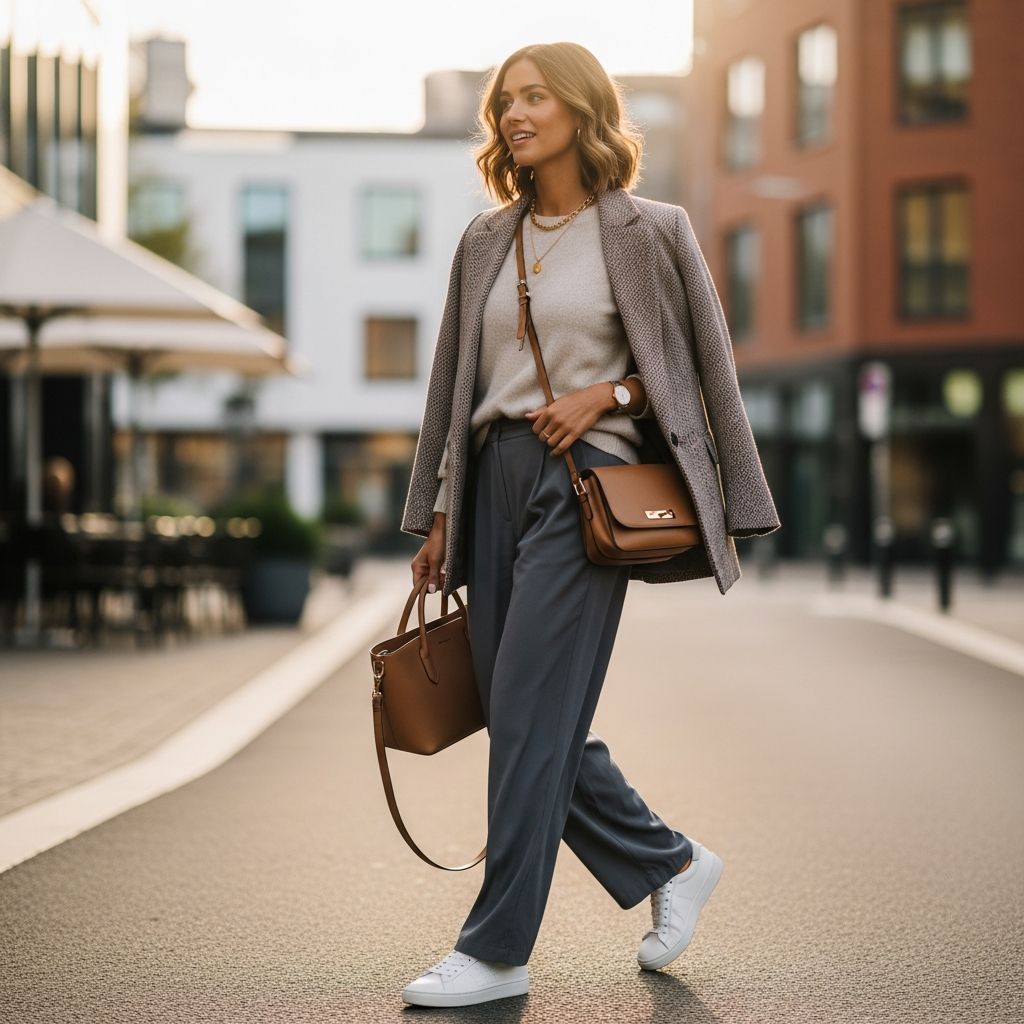
There is a big difference between being comfortable and looking like you gave up on getting dressed. The good news is you can feel as relaxed as you do in a sweatsuit while looking polished enough for errands, school drop-off, coffee dates, and surprise visitors at the door.
This article walks through practical outfit formulas, simple styling tricks, and easy shopping guidelines to help you swap stretched-out sweats for comfortable looks that still feel like you.
Why Ditch the Default Sweatsuit?
The classic sweatshirt-and-sweatpants combo is cozy, but it often sends a message you might not intend: tired, rushed, or unprepared. That is fine on sick days, but for everyday life, it can start to chip away at confidence.
- You still want comfort: Soft fabrics, elastic waists, and relaxed fits are non-negotiable for busy days.
- You also want to feel ready: A somewhat polished outfit makes errands, quick meetings, and social drop-ins less stressful.
- Your time is limited: Any alternative has to be as easy to throw on as sweats, or it will never stick.
Think of this as upgrading from “house clothes” to “everyday uniform” without giving up the ease you rely on.
Guiding Principles for Comfy, Presentable Outfits
Before getting into specific outfit ideas, it helps to define what makes a great sweatsuit replacement. Use these principles as a quick checklist when you get dressed or shop.
- Softness first: Look for knits, jersey, ponte, brushed cotton, and lightweight denim that feel good against the skin.
- Easy waistbands: Elastic, drawstring, and wide pull-on bands are your friends, especially postpartum or on bloated days.
- Neat shapes: Aim for relaxed instead of baggy. Clothing that skims your body usually looks more intentional than pieces that swamp you.
- Simple structure: Small design details—like a collar, seam, cuff, or waistband—signal “outfit” instead of “loungewear.”
- Real shoes: Even casual slip-on sneakers or flats instantly elevate an outfit compared with worn-out athletic slides or house slippers.
If an item checks at least three of these boxes, it is a strong candidate for your everyday comfort wardrobe.
Outfit Formula #1: Soft Pants + Polished Knit Top
This is the closest cousin to your usual sweatsuit but looks more intentional. Swap sloppy sweatpants for soft, pull-on pants that have a bit more shape and pair them with a knit top that feels like a tee but looks a bit smarter.
How to Build It
- Choose pull-on pants in a drapey knit, ponte, or jersey with a straight or slightly tapered leg.
- Add a top with design detail: a boatneck, subtle puff sleeve, henley placket, or mock neck.
- Finish with simple shoes like slip-on sneakers, low-profile loafers, or clean court-style trainers.
Why It Works
- Feels almost identical to wearing sweatpants in terms of comfort.
- Looks more like an intentional outfit than something you slept in.
- Pairs easily with a denim jacket, cardigan, or utility jacket when you step outside.
| Feature | Soft Pull-On Pants | Classic Sweatpants |
|---|---|---|
| Fabric | Lightweight ponte, jersey, drapey knits | Thick fleece or heavy sweatshirt fabric |
| Silhouette | Straight or subtle taper, clean lines | Bulky, often with gathered cuffs |
| Vibe | Relaxed but intentional | Gym or couch-ready |
| Best use | Errands, school run, casual meetups | Lounging, sick days, workouts |
Outfit Formula #2: Stretchy Jeans + Cozy Topper
Jeans get a bad reputation for being stiff, but modern styles with stretch can feel nearly as soft as leggings while instantly looking more polished. The key is choosing the right pair and balancing them with a comfortable top layer.
Key Ingredients
- Jeans with stretch: Look for mid- to high-rise styles with a soft, flexible denim and a cut you do not have to fight to sit in.
- Base layer: A fitted tank or simple tee that you barely notice once it is on.
- Top layer: A cardigan, lightweight sweater, kimono-style jacket, or unbuttoned shirt that provides coverage and coziness.
When to Wear This Combo
- Days full of errands when you want to look ready for anything.
- Casual lunches or coffee dates where sweats feel too informal.
- Travel days when you need comfort sitting but want to seem put-together.
Outfit Formula #3: Leggings Done the Right Way
Leggings can be a lifesaver, especially in the months after having a baby or on days when waistbands feel like the enemy. The challenge is avoiding the gym-wear look when you are not actually working out.
Leggings Styling Rules of Thumb
- Cover the hips and rear: Choose tops or dresses that are long enough to drape over the areas you prefer not to emphasize.
- Upgrade the fabric: Thicker, matte leggings look more like pants; shiny, thin versions scream workout.
- Add one polished element: A structured jacket, a scarf, or clean ankle boots makes the outfit feel deliberate.
Leggings-Friendly Top Options
- Short knit dresses or sweatshirt dresses.
- Longline sweaters or tunics that skim the body.
- Button-down shirts layered under a cardigan or sweater vest.
Outfit Formula #4: Casual Dress + Practical Layers
A simple knit dress can be even easier to throw on than sweats: one piece, no matching needed, and you instantly look like you put in effort. When styled with casual shoes and a practical layer, it becomes an everyday staple, not just a “special occasion” item.
Types of Easygoing Dresses
- T-shirt dresses: Straight or slightly A-line, in soft cotton or modal blends.
- Tank dresses: Great in summer with a light cardigan or denim jacket.
- Drawstring waist dresses: Give shape without feeling restrictive.
How to Keep It Practical
- Wear with sneakers, flat sandals, or low ankle boots.
- Layer with a utility jacket, cardigan, or denim jacket for playgrounds and cool shops.
- Add leggings or opaque tights in colder weather.
Simple Styling Tricks That Make Any Outfit Look Intentional
Sometimes the difference between “threw on clothes” and “got dressed” is just a small styling tweak. These habits take seconds and dramatically change how your outfit reads.
- Half-tuck or front-tuck your top: This shows your waistline and makes the proportions feel balanced.
- Roll or push up sleeves: Exposed wrists can make bulky sweaters and jackets feel lighter and more styled.
- Add one accessory: A scarf, simple necklace, or pair of small hoops frames your face and finishes the look.
- Check your footwear: Swapping slipper-like shoes for clean sneakers or flats is often the biggest visual upgrade.
- Stick to a simple color palette: Neutrals plus one accent color keep outfits cohesive without much thought.
Building a Tiny “Comfort Capsule” Wardrobe
To avoid decision fatigue, it helps to create a small set of mix-and-match pieces that all fall into the “comfortable but presentable” category. Think of this as a capsule wardrobe specifically designed to replace your sweatsuit habit.
| Category | Quantity | Notes |
|---|---|---|
| Soft pull-on pants | 2–3 | Mix of dark neutral and mid-tone for variety. |
| Stretchy jeans | 1–2 | One everyday wash, one darker pair. |
| Leggings | 1–2 | Opaque, matte, and not see-through. |
| Everyday knit tops | 4–6 | Neckline and sleeve variety for different seasons. |
| Layering pieces | 3–4 | Cardigans, casual jackets, lightweight sweaters. |
| Casual dresses | 1–3 | Easy to throw on, not too formal. |
| Comfortable shoes | 2–3 pairs | Sneakers, flats, and one weather-appropriate option. |
You do not need a huge wardrobe; you need a small set of reliable pieces that work seamlessly together and feel good every time you pull them on.
Time-Saving Dressing Routines for Busy Days
If you are used to grabbing the same sweatshirt and pants every morning, changing the habit can feel like one more task. The key is to make “getting dressed” as automatic as pulling on a sweatsuit.
- Pre-plan outfits: On a low-energy evening, hang a top and bottom together on one hanger for the next morning.
- Use hooks or baskets: Keep your go-to capsule pieces visible and separate from older, worn-out lounge clothes.
- Set a simple rule: For example, “No sweatpants before 7 p.m.” or “Leggings only with a tunic-length top.”
- Dress to your activity: If the day includes appointments or social plans, choose the slightly more polished option from your comfort capsule.
Common Mistakes That Keep Outfits Looking Like Loungewear
Even with better pieces, a few common pitfalls can keep outfits from feeling ready for the outside world. Being aware of these missteps makes it easier to avoid them.
- Worn-out fabrics: Pilling, fading, or stretched knees instantly signal “old pajamas.” Retire pieces once they reach this stage.
- Logo overload: Large graphics or sports team logos often look more casual than you intend. Solid colors or subtle patterns are easier to style.
- Head-to-toe athletic gear: Pairing technical leggings, running shoes, and a workout top reads as gym-bound even if you are not.
- Ignoring proportion: Oversized top with oversized bottoms can look sloppy; balance a loose piece with something more fitted.
- Skipping grooming entirely: Basic steps like brushing hair, applying lip balm, or washing your face reinforce that you are ready for the day.
FAQs About Sweatsuit Alternatives
Do I have to give up my favorite sweatpants completely?
Not at all. Think of this approach as expanding your options, not banning comfort. Keep your favorite sweatpants for at-home evenings, sick days, or true lounge time, while reaching for soft pull-on pants, leggings with polished tops, or casual dresses for daytime activities.
How can I start if my budget is limited?
Start with the items that will make the biggest difference: one pair of better-fitting pants, one comfortable casual dress, and one pair of clean everyday sneakers or flats. Replace worn-out sweats and tees gradually as your budget allows, focusing on versatile neutrals that go with what you already own.
What if I work from home and rarely see anyone?
Getting dressed in real clothes, even soft and casual ones, often improves focus and energy. You do not need formal outfits; a knit dress, stretchy jeans, or pull-on pants with a thoughtful top can make you feel more alert while still being comfortable at a desk or on the couch with a laptop.
Are prints or bright colors okay for everyday casual wear?
Absolutely. If you love color, consider choosing comfy basics in a cohesive palette and adding brightness through one piece at a time—like a cheerful top, patterned leggings, or a fun scarf. This keeps outfits from feeling chaotic while still reflecting your personality.
How do I keep from sliding back into old habits?
Make your comfortable-but-presentable clothes easier to reach than your sweats. Store the most worn-out pieces in a different drawer, or reserve them specifically for nighttime. When your better options are front and center, you are more likely to grab them on autopilot.
Embracing a New Version of Everyday Comfort
Moving beyond the default sweatsuit is not about chasing trends or impressing anyone. It is about feeling like the version of yourself who is ready for whatever the day brings, without sacrificing softness, stretch, and ease. With a few smart outfit formulas, a tiny comfort capsule, and simple styling tweaks, you can stay cozy and still look like you meant to get dressed.