Central nervous system (CNS) depressants are substances that slow down brain activity, often prescribed for anxiety, insomnia, or seizures, but they carry significant risks when misused, especially by teens. Understanding these drugs equips parents to recognize dangers, discuss openly with children, and intervene early.
Understanding CNS Depressants and Their Role
CNS depressants work by enhancing the effect of the neurotransmitter gamma-aminobutyric acid (GABA), which inhibits brain signals, leading to relaxation and sedation. Medically, they treat conditions like insomnia, anxiety disorders, and muscle spasms, but recreational use or abuse can lead to severe health consequences.
Parents should know these medications are common in households, often prescribed to family members, making accidental or intentional teen access a real concern. Unlike stimulants that speed up the body, depressants induce calm but impair judgment and coordination.
Common Categories of Depressant Drugs
Several classes fall under depressants, each with unique profiles but shared risks. Here’s an overview:
- Benzodiazepines: Such as alprazolam (Xanax) or diazepam (Valium), used for anxiety and seizures. They produce rapid sedation but high abuse potential.
- Barbiturates: Older sedatives like phenobarbital, effective for hypnosis and convulsions but largely replaced due to overdose dangers.
- Non-benzodiazepine sleep aids: Z-drugs like zolpidem (Ambien), designed for short-term insomnia relief.
- GHB and analogs: Gamma-hydroxybutyrate, sometimes abused for euphoria, with fatal respiratory risks.
- Other types: Including gabapentinoids (gabapentin, pregabalin) for pain and anxiety, and carbamates like carisoprodol.
| Type | Common Uses | Examples |
|---|---|---|
| Benzodiazepines | Anxiety, seizures | Alprazolam, Lorazepam |
| Barbiturates | Sedation, epilepsy | Phenobarbital, Secobarbital |
| Sleep Aids (Z-drugs) | Insomnia | Zolpidem, Eszopiclone |
| Gabapentinoids | Neuropathic pain | Gabapentin, Pregabalin |
This table highlights key differences, aiding parents in identifying potential household risks.
Immediate Physical and Mental Effects
When taken, depressants quickly alter bodily functions. Short-term effects include slowed breathing and pulse, slurred speech, dizziness, poor coordination, and confusion. Users may feel relaxed or euphoric initially, but higher doses lead to impaired judgment, blackouts, and unconsciousness.
- Slowed brain activity causing drowsiness and fatigue.
- Lowered blood pressure and dilated pupils.
- Muscle relaxation turning into weakness or spasms.
- Visual disturbances and disorientation.
These changes make activities like driving extremely hazardous, with even low doses impairing reflexes similar to alcohol intoxication. Teens experimenting may not grasp the rapid onset, leading to accidents.
Long-Term Health Consequences
Prolonged use fosters tolerance, requiring higher doses for the same effect, escalating addiction risk. Chronic effects encompass persistent fatigue, sleep disturbances, depression, sexual dysfunction, and respiratory issues.
Gabapentinoids, for instance, can cause memory problems, weight gain, and increased suicidal ideation. Barbiturates heighten overdose lethality due to their narrow safety margin. Long-term misuse also strains the liver and kidneys, potentially leading to failure.
Combining with alcohol or opioids amplifies dangers, as all depress GABA, causing profound respiratory suppression.
The Path to Addiction and Dependence
Depressants are highly addictive, with physical and psychological dependence developing swiftly. Regular use rewires the brain’s reward system, causing cravings and withdrawal fears.
Signs of emerging dependence include using more than prescribed, doctor shopping, or secrecy around medication. Teens may steal family prescriptions, mistaking them for harmless “relaxants”.
Dangers of Overdose and Emergency Signs
Overdose occurs easily, especially with polysubstance use. Symptoms progress from extreme drowsiness and ataxia to shallow breathing, coma, and death. GHB overdoses frequently result in seizures or respiratory arrest.
Parents must recognize warning signs: blue lips, unresponsiveness, slow pulse, or vomiting while unconscious. Call emergency services immediately; naloxone may not help non-opioid depressants, but supportive care like flumazenil for benzodiazepines can.
- Shallow or stopped breathing.
- Cold, clammy skin.
- Pinpoint pupils or seizures.
- Loss of consciousness.
Withdrawal: A Medical Emergency
Stopping abruptly triggers severe rebound symptoms: anxiety, insomnia, tremors, nausea, hallucinations, and life-threatening seizures. Baclofen or phenibut withdrawal mimics severe alcohol detox, with psychosis risks. Medical supervision with tapered dosing is essential.
Why Teens Are Vulnerable
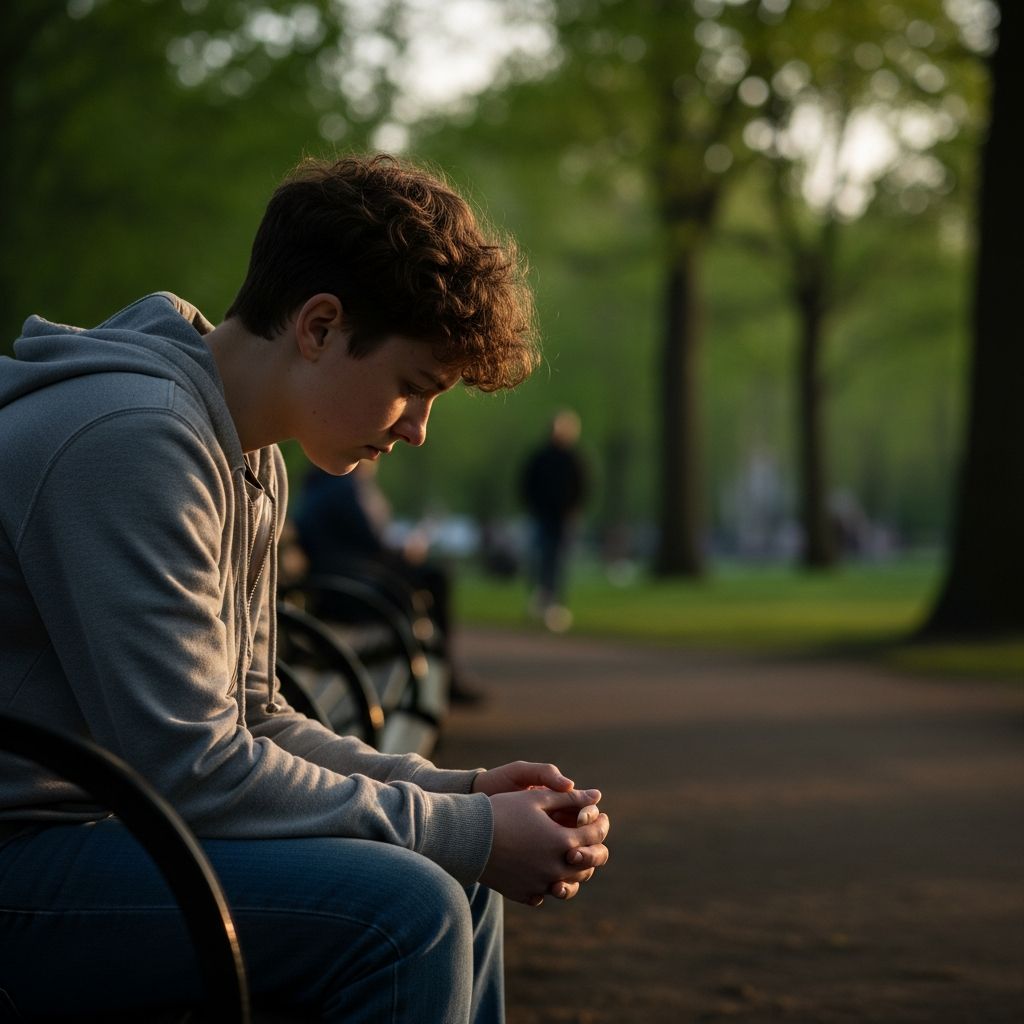
Adolescents face heightened risks due to developing brains, peer pressure, and easy access via family medicine cabinets or online sources. Misuse often starts as self-medication for stress or sleep, escalating to abuse. Statistics show rising benzodiazepine overdoses among youth.
Effects like impaired memory and judgment hinder school performance and relationships, perpetuating a cycle of isolation and further use.
Spotting Warning Signs in Your Child
Behavioral red flags include sudden sleep changes, mood swings, declining grades, secrecy, or prescription bottles. Physical clues: drowsiness, slurred speech, poor coordination, or unexplained bruises from falls.
| Behavioral Signs | Physical Signs |
|---|---|
| Increased isolation | Frequent drowsiness |
| Mood instability | Unsteady gait |
| Missing medications | Slurred speech |
| Academic decline | Weight changes |
Prevention Strategies for Families
Secure medications in locked cabinets, monitor prescriptions, and dispose of unused pills properly. Open conversations normalize risks without stigma.
- Educate on effects using relatable examples.
- Monitor online activity for drug forums.
- Build emotional resilience through activities and support.
- Collaborate with schools for awareness programs.
Set clear rules: no sharing prescriptions, and seek professional help at first signs of trouble.
Treatment Options and Recovery Paths
Recovery involves detox under medical care, therapy like CBT, and support groups. Inpatient rehab addresses co-occurring mental health issues common in addicts. Long-term success requires family involvement and relapse prevention plans.
Frequently Asked Questions (FAQs)
What should I do if I suspect my teen is using depressants?
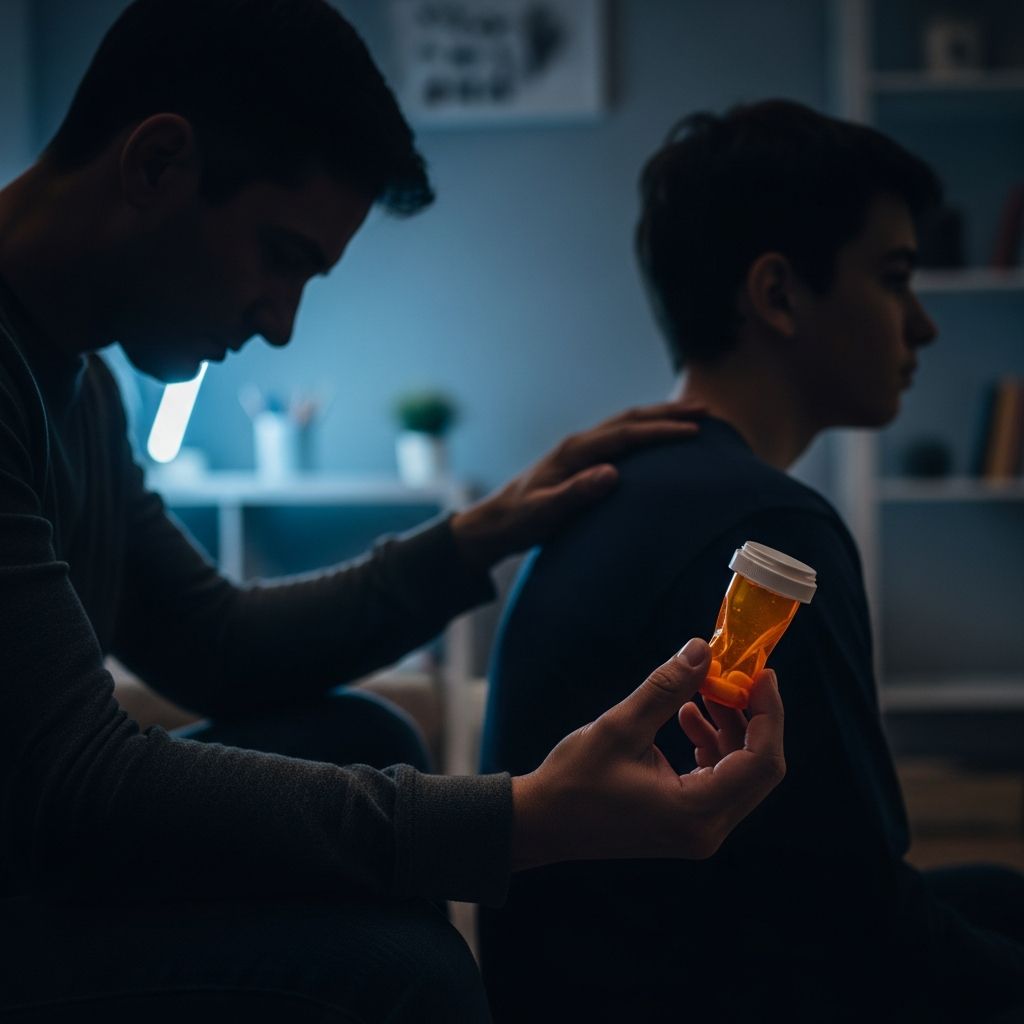
Approach calmly, express concern without accusation, secure medications, and consult a doctor or counselor immediately for assessment.
Are prescription depressants safe if used as directed?
Yes, under medical supervision, but even prescribed use requires caution due to dependence risks; never exceed doses.
Can depressants be mixed with other substances?
No, combining with alcohol, opioids, or other depressants greatly increases overdose risk and is potentially fatal.
How long do withdrawal symptoms last?
Varies from days to weeks; severe cases need medical management to prevent complications like seizures.
Where can families find help?
Contact SAMHSA helpline, local addiction centers, or pediatricians for referrals to youth-specific programs.
References
- Depressant — Wikipedia. 2023-10-15. https://en.wikipedia.org/wiki/Depressant
- Depressants — CarePlus New Jersey. 2024-05-20. https://careplusnj.org/depressants/
- Prescription CNS Depressants DrugFacts — Maine AAP / NIDA. 2022-06-01. https://www.maineaap.org/assets/docs/Prescription-CNS-Depressants-Drug-Facts.pdf
- Depressant Drug Rehab — Free by the Sea / WA Dept of Health. 2023-11-10. https://freebythesea.com/rehab/depressants/
- Depressants Abuse — EBSCO Research Starters. 2023-08-05. https://www.ebsco.com/research-starters/health-and-medicine/depressants-abuse
- Stimulants, Depressants and Hallucinogens — Queensland Health ADIS. 2024-02-14. https://adis.health.qld.gov.au/information/drug-types
- Depressants — Alcohol and Drug Foundation. 2024-01-22. https://adf.org.au/drug-facts/depressants/