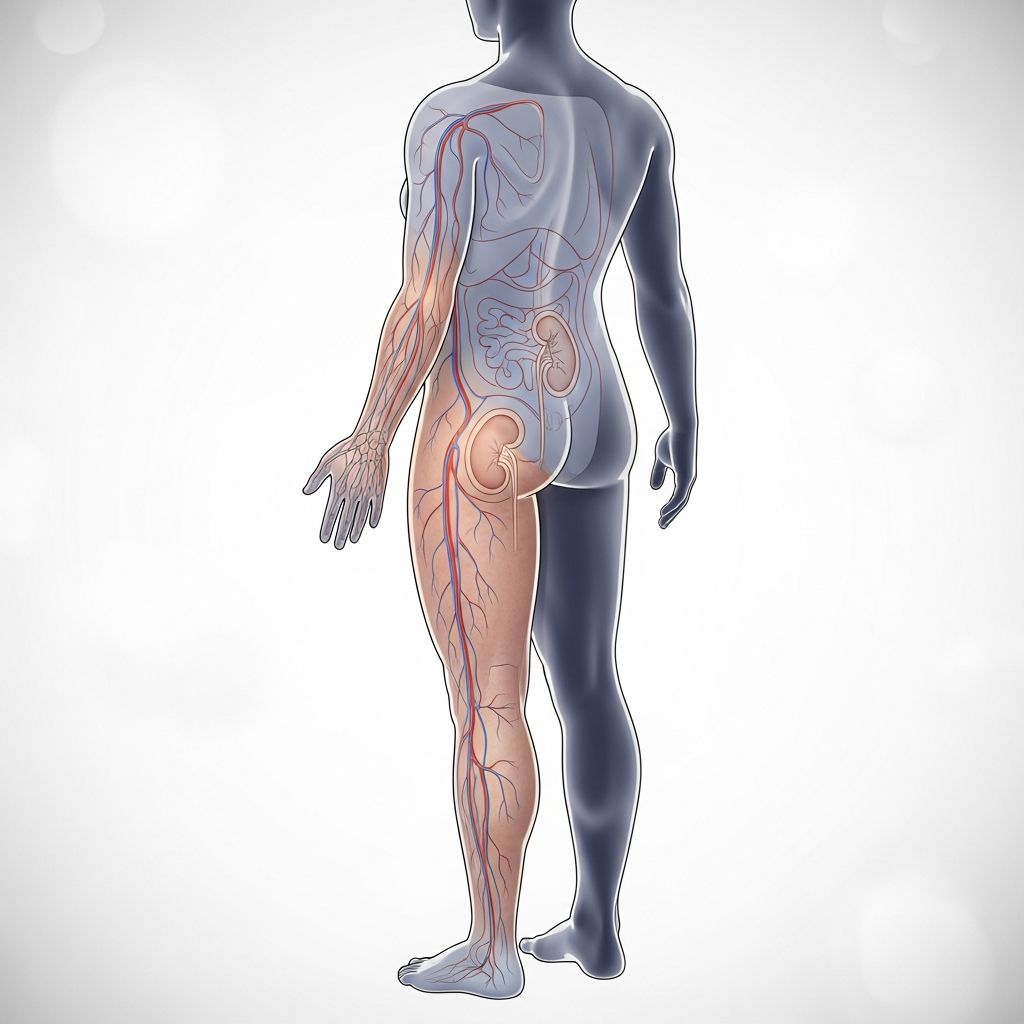
CLOVES syndrome represents one of the most uncommon genetic disorders affecting children worldwide. This congenital condition emerges during fetal development and presents a complex array of physical manifestations that require specialized medical attention and ongoing care. Understanding this condition is essential for families who receive a diagnosis, as it enables them to navigate treatment options and support systems effectively.
Defining CLOVES Syndrome and Its Components
The acronym CLOVES describes the primary characteristics that define this rare disorder. Each letter represents a distinct category of physical abnormalities that individuals with this condition typically experience:
- Congenital refers to manifestations present at birth or emerging during early childhood
- Lipomatous describes abnormal fatty tissue masses, often concentrated in the trunk region
- Overgrowth indicates accelerated development of affected tissues compared to unaffected areas
- Vascular malformations involve abnormalities in blood vessel and lymphatic system development
- Epidermal nevi are distinctive skin lesions present from birth
- Spinal and skeletal anomalies encompass spine curvature and bone structural variations
This disorder belongs to a broader category known as PIK3CA-related overgrowth syndromes (PROS), a group of conditions stemming from mutations in the PIK3CA gene. CLOVES syndrome was formally identified and described in medical literature during the 2000s, though historical case reports dating back to the 1800s likely documented earlier instances of this condition.
Prevalence and Genetic Origins
CLOVES syndrome represents an exceptionally rare condition, with fewer than 200 documented cases worldwide. The disorder arises from somatic mutations occurring during fetal development, meaning the genetic change happens spontaneously in some cells during embryonic growth rather than being inherited from parents. This type of mutation, known as a mosaic mutation, affects only certain cells and tissues, creating a patchy pattern of overgrowth throughout the body.
Because CLOVES syndrome results from spontaneous mutations that develop in the womb, it does not run in families and cannot be passed from parents to children through inheritance. Each case emerges independently due to random genetic changes during pregnancy development.
Physical Manifestations and Clinical Presentation
The physical characteristics of CLOVES syndrome vary considerably among affected individuals. Some children experience mild symptoms, while others develop severe, potentially life-threatening complications. The following sections detail the primary areas where symptoms typically appear:
Tissue Overgrowth and Fatty Masses
One of the hallmark features of CLOVES syndrome involves the development of abnormal fatty tissue collections. These lipomatous masses most commonly appear on the back, sides, and abdominal region. Unlike typical fatty deposits, these masses grow at an accelerated rate, particularly during childhood, and may continue expanding into adulthood or stabilize as the child matures.
The asymmetric nature of this overgrowth means that growth occurs unevenly throughout the body. One side may develop more prominent tissue overgrowth than the other, affecting areas such as the limbs, torso, or facial structures.
Extremity Abnormalities
Hands and feet frequently show distinctive characteristics in individuals with CLOVES syndrome. Affected children often develop enlarged or widened hands and feet with proportionally larger fingers and toes. The spacing between digits may appear unusual, with fingers or toes positioned differently than typical anatomical patterns. These extremity changes can affect both function and appearance, sometimes requiring interventions to improve mobility and quality of life.
Vascular System Complications
Complex malformations of blood vessels and lymphatic vessels represent significant medical challenges in CLOVES syndrome. Dilated or abnormally enlarged veins may develop in the chest, arms, legs, and feet, creating visible surface abnormalities. These vascular changes increase the risk of blood clot formation, which can lead to potentially serious complications including deep vein thrombosis and pulmonary embolism.
Lymphatic malformations present as abnormal spaces filled with lymphatic fluid, typically occurring within fatty tissue masses or in the abdominal and chest regions. In some cases, aggressive arteriovenous malformations may develop around the spinal cord area, potentially causing neurological complications.
Skin Lesions and Birthmarks
Epidermal nevi appear as patches of overgrown or abnormal skin tissue, typically present at birth or emerging during infancy. These lesions may appear flesh-colored, raised, or warty in appearance. Additionally, port-wine stains (distinctive red or brown birthmarks) commonly appear on affected individuals, representing capillary malformations in the skin.
Spinal and Skeletal Involvement
The spinal column and skeletal system frequently show abnormalities in individuals with CLOVES syndrome. Scoliosis, characterized by abnormal curvature of the spine, occurs in many patients. A tethered spinal cord, where the spinal cord becomes abnormally attached to the spinal column, represents another serious spinal complication that may require surgical intervention. High-flow spinal lesions can cause neurological deficits and paralysis in severe cases.
Internal Organ Involvement
Beyond external manifestations, CLOVES syndrome can affect internal organ systems. Kidney abnormalities may include unusual kidney size, asymmetrical development, or increased risk of Wilms tumor. Intestinal and bladder problems can emerge, sometimes accompanied by bleeding. In severe cases, overgrowth of tissues may compress vital organs, potentially causing life-threatening complications.
Genetic Mechanism and Molecular Basis
Understanding the genetic foundation of CLOVES syndrome provides insight into why this condition develops and how it affects the body. The PIK3CA gene encodes a protein involved in cell growth regulation and multiplication. Mutations in this gene result in abnormal activation of growth pathways, causing affected cells to proliferate excessively.
The mosaic nature of the mutation means that not all body cells carry the genetic alteration. Instead, only certain cell populations contain the mutated gene, leading to localized areas of overgrowth while other body regions develop normally. This explains why CLOVES syndrome presents as a patchy or asymmetric pattern of abnormalities rather than uniform involvement throughout the entire body.
Diagnostic Approach and Identification
Diagnosis of CLOVES syndrome typically begins with clinical recognition of characteristic features. Prenatal ultrasound may reveal abnormal tissue development or overgrowth patterns during pregnancy, alerting healthcare providers to potential CLOVES syndrome. However, many cases are not identified until birth or during early childhood when physical signs become apparent.
Comprehensive physical examination by pediatricians and specialists trained in recognizing overgrowth syndromes forms the foundation of diagnosis. Imaging studies including ultrasound, magnetic resonance imaging (MRI), and computed tomography (CT) scans help characterize the extent and location of tissue overgrowth and vascular malformations.
Genetic testing may be performed to confirm the presence of PIK3CA mutations, though the diagnosis can often be made through clinical assessment alone. Multidisciplinary evaluation involving pediatricians, orthopedic specialists, vascular surgeons, dermatologists, and other specialists ensures comprehensive assessment of all affected systems.
Management and Treatment Considerations
CLOVES syndrome currently lacks a specific cure, making management focused on addressing individual symptoms and complications as they arise. Treatment approaches are highly individualized, depending on which body systems are affected and the severity of manifestations in each patient.
Surgical Interventions
Surgical procedures may be necessary to address various complications. Removal or reduction of fatty masses may improve function and appearance when these tissues interfere with normal movement or create significant deformity. Spinal surgery may be required to correct scoliosis or address tethered spinal cord issues. Vascular interventions, including procedures to treat dangerous blood vessel malformations, may prevent serious complications like blood clots or organ compression.
Medical Management
Medications may be prescribed to manage specific complications. Blood thinners might be used to prevent clot formation in individuals with significant vascular malformations. Pain management and physical therapy support mobility and quality of life, particularly for individuals with spinal involvement or limb asymmetry.
Monitoring and Surveillance
Regular monitoring by multiple specialists ensures early detection of emerging complications. Periodic imaging studies track changes in overgrown tissues and vascular malformations. Kidney function assessment remains important given the potential for renal involvement. Neurological evaluation monitors for spinal cord compression or other neurological complications.
Prognosis and Long-Term Outcomes
The prognosis for individuals with CLOVES syndrome varies significantly depending on the specific organs and systems involved and the severity of manifestations. Some children experience relatively mild disease with stable symptoms throughout childhood and into adulthood. Others face serious, potentially life-threatening complications related to vascular malformations affecting vital organs or progressive tissue overgrowth compressing critical structures.
Tissue overgrowth patterns in CLOVES syndrome may stabilize during childhood or continue progressing into adulthood. The pattern of progression varies unpredictably among individuals, making long-term outcome assessment challenging. Advances in surgical techniques and vascular interventions have improved outcomes for many patients, though long-term survival data remains limited given the extreme rarity of the condition.
Differential Diagnosis and Related Conditions
Several other rare overgrowth syndromes share features with CLOVES syndrome, which can sometimes complicate diagnosis. Klippel-Trenaunay syndrome presents with capillary malformations, lymphatic anomalies, and limb overgrowth, primarily affecting the lower extremities. Proteus syndrome causes disproportionate asymmetric overgrowth in a mosaic pattern, with risk of benign and malignant tumors and vascular malformations.
These related conditions also result from different genetic mutations within the spectrum of overgrowth syndromes. Careful clinical evaluation and genetic testing help distinguish CLOVES syndrome from these similar conditions, ensuring appropriate management strategies are implemented.
Family Support and Living with CLOVES Syndrome
Families managing CLOVES syndrome face unique challenges requiring multidisciplinary support. Coordination among multiple medical specialists, including pediatricians, surgeons, radiologists, and therapists, ensures comprehensive care. Connecting families with rare disease support organizations provides access to resources, educational materials, and connections with other families facing similar challenges.
Psychosocial support becomes increasingly important as affected children navigate the social and emotional aspects of living with a visible genetic condition. School accommodations may be necessary for children experiencing mobility limitations or fatigue. Regular communication between medical teams and families helps address emerging concerns and optimize quality of life.
Frequently Asked Questions
Is CLOVES syndrome inherited from parents?
No, CLOVES syndrome does not run in families. The genetic mutation occurs spontaneously during fetal development in the womb, affecting only certain cells rather than being inherited.
Can CLOVES syndrome be detected before birth?
Prenatal ultrasound may reveal signs of abnormal tissue overgrowth or development patterns suggestive of CLOVES syndrome, though many cases are not identified until birth or early childhood.
How severe is CLOVES syndrome?
Severity varies greatly among individuals. Some children experience mild symptoms, while others develop serious, life-threatening complications involving vascular malformations or organ compression.
Will the overgrowth continue throughout life?
Tissue overgrowth patterns vary unpredictably. In some individuals, overgrowth stabilizes during childhood, while in others it may continue into adulthood.
What specialists should manage CLOVES syndrome?
Multidisciplinary teams including pediatricians, orthopedic specialists, vascular surgeons, dermatologists, neurologists, and radiologists provide comprehensive care addressing all affected body systems.
Are there clinical trials for CLOVES syndrome treatment?
Given the extreme rarity of CLOVES syndrome, clinical trials are limited. Families should consult their medical team about any emerging research or treatment opportunities.
References
- CLOVES Syndrome — Nemours KidsHealth. https://kidshealth.org/en/parents/cloves-syndrome.html
- CLOVES Syndrome – Symptoms, Causes, Treatment — National Organization for Rare Disorders (NORD). https://rarediseases.org/rare-diseases/cloves-syndrome/
- CLOVES Syndrome — Orphanet. https://www.orpha.net/en/disease/detail/140944
- CLOVES Syndrome — Nicklaus Children’s Hospital. https://www.nicklauschildrens.org/conditions/cloves-syndrome
- CLOVES Syndrome — Texas Children’s Hospital. https://www.texaschildrens.org/content/conditions/cloves-syndrome
- Cloves Syndrome — Genetic and Rare Diseases Information Center (GARD), National Institutes of Health. https://rarediseases.info.nih.gov/diseases/10939/cloves-syndrome
- Spotlight on CLOVES Syndrome — American Society for Biochemistry and Molecular Biology. https://www.asbmb.org/asbmb-today/science/080323/spotlight-on-cloves-syndrome