CLOVES syndrome is a very rare genetic condition that affects how some parts of a child’s body grow and how certain blood and lymph vessels develop. It can involve soft fatty tissue, skin, bones, joints, the spine, and internal organs. Because it is complex and looks different in every child, parents often feel confused and overwhelmed when they first hear the diagnosis.
This guide explains CLOVES syndrome in clear language, focusing on what families most want to know: what it is, how it is found, what treatments exist, and how to support a child’s daily life.
What Does “CLOVES” Mean?
The name CLOVES is an acronym made from the main features doctors often see in this condition.
- C – Congenital: The condition is present at birth, even if all features are not visible right away.
- L – Lipomatous overgrowth: Areas of extra fatty tissue, usually soft masses under the skin, often on the trunk (back, sides, or belly).
- O – Overgrowth: Some parts of the body grow faster or larger than others, leading to differences in size or shape, often on one side (asymmetry).
- V – Vascular malformations: Abnormal blood or lymph vessels that may cause visible veins, swelling, or a risk of blood clots or bleeding.
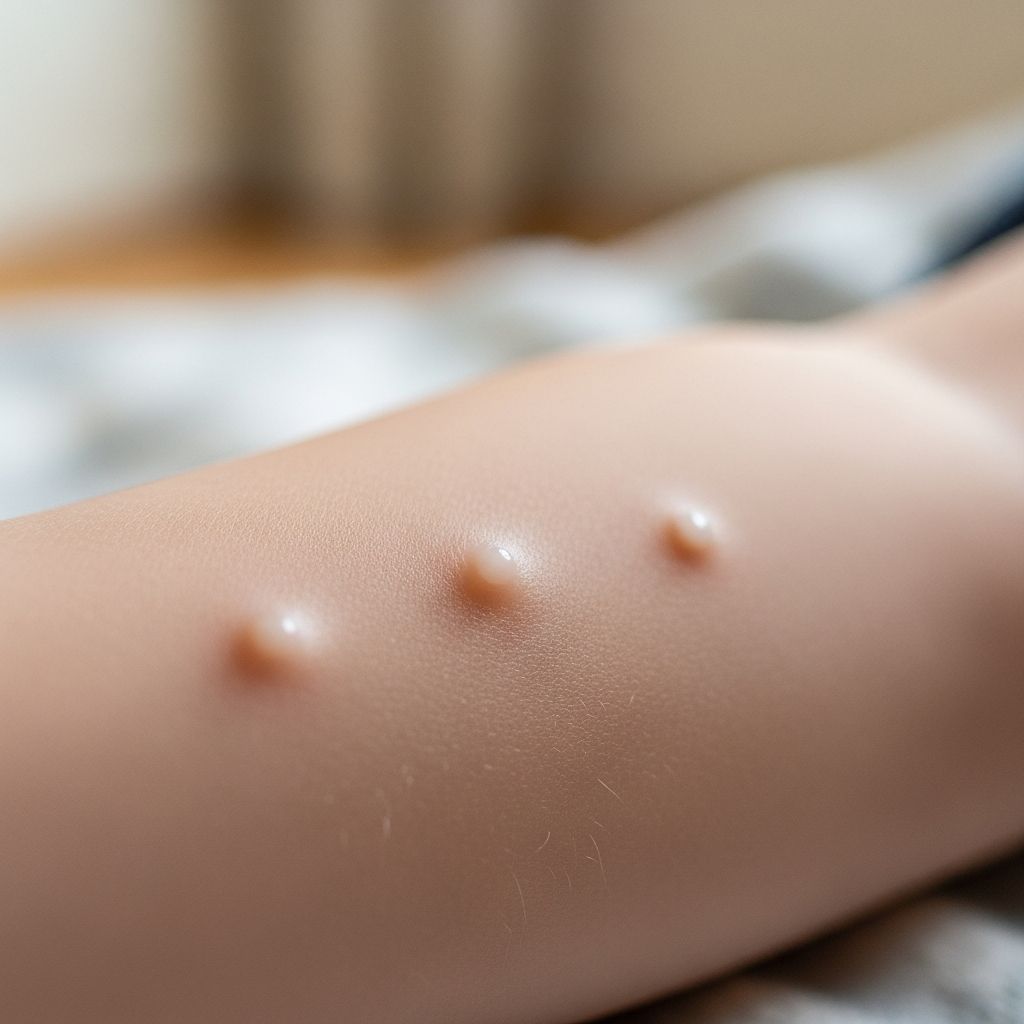
- E – Epidermal nevi: Skin changes such as raised or flat patches, often brown, tan, or reddish.
- S – Skeletal and spinal anomalies: Problems with the spine and bones, such as scoliosis (curved spine) or a tethered spinal cord.
Not every child has all of these features, and their severity can range from very mild to life-threatening.
How Common Is CLOVES Syndrome?
CLOVES syndrome is extremely rare. Fewer than a few hundred people worldwide are known to have it. Many doctors may never see a case in their entire career, which is why families are often referred to large children’s hospitals or rare disease centers for evaluation.
What Causes CLOVES Syndrome?
CLOVES syndrome is caused by a genetic change (mutation) in a gene called PIK3CA in some of the body’s cells. This gene is part of a signaling pathway (PI3K–AKT–mTOR) that controls how cells grow, divide, and survive.
Key points about the cause
- The mutation happens after conception while the baby is developing in the womb (a somatic mosaic mutation).
- Because only some cells carry the mutation, only certain body areas are affected; others develop normally.
- The condition is not usually inherited and typically does not run in families.
- Parents did not cause CLOVES by anything they did or did not do during pregnancy.
CLOVES belongs to a group called PIK3CA-related overgrowth spectrum (PROS), which includes several overlapping conditions caused by similar PIK3CA mutations.
Common Signs and Symptoms
The appearance of CLOVES syndrome can vary widely between children. Some have obvious changes at birth, while others show more features as they grow.
Typical features doctors may look for
- Fatty tissue masses on the back, belly, or sides
- Asymmetric overgrowth of part of the body (one arm, leg, hand, or foot larger than the other)
- Large or wide hands and feet, enlarged fingers or toes, or unusual spacing between the digits
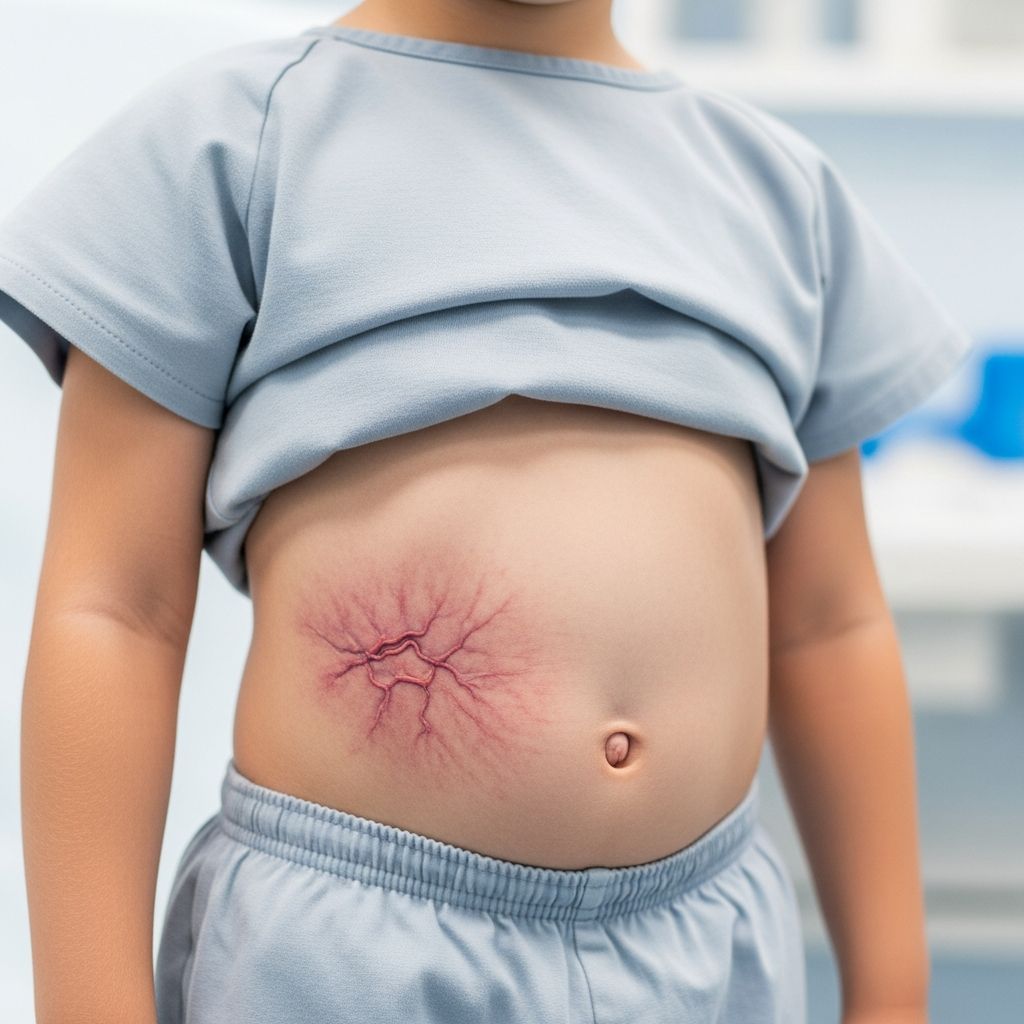
- Visible veins or vascular markings on the chest, arms, legs, or feet, sometimes with a risk of blood clots or swelling
- Skin changes, such as flat or raised birthmarks, port-wine stains, or streaky/bumpy patches (epidermal nevi)
- Curved spine (scoliosis) or other spinal differences
- Tethered spinal cord, where the spinal cord is abnormally attached and cannot move freely, potentially leading to pain, weakness, or bladder problems
Other possible complications
- Joint problems, stiffness, or weakness that affect movement
- Kidney abnormalities, including unusual size, asymmetry, or, in some children, a risk of Wilms tumor (a kidney cancer of childhood)
- Intestinal or bladder issues, including bleeding or difficulty emptying the bladder
- Blood clots (deep vein thrombosis) or problems with blood flow due to abnormal vessels
- Pain due to overgrowth, nerve involvement, or vascular malformations
Because symptoms can involve many organs, children with CLOVES often need coordinated care from several types of specialists.
How CLOVES Syndrome Is Diagnosed
Doctors may suspect CLOVES syndrome soon after birth based on visible overgrowth, skin findings, and vascular changes, or later if uneven growth becomes more noticeable over time.
Steps in the diagnostic process
- Medical history and physical exam
The doctor asks about pregnancy, birth, growth, and any symptoms, then carefully examines the child’s skin, limbs, spine, and abdomen. - Imaging tests
Tests such as ultrasound, MRI, or CT scans help map fatty overgrowth, bone structure, spine shape, and vascular malformations. - Genetic testing
A small sample of affected tissue or sometimes blood may be tested for a PIK3CA mutation to confirm that the child has a condition within the PROS spectrum, including CLOVES. - Screening for complications
Depending on symptoms, doctors may order kidney ultrasound, heart tests, or blood clot studies to look for associated problems.
| Feature | CLOVES Syndrome | Non-syndromic Overgrowth |
|---|---|---|
| Cause | PIK3CA mosaic mutation (PROS condition) | Often unknown or due to other genes |
| Vascular malformations | Common and often complex | Usually absent |
| Skin lesions | Epidermal nevi and vascular birthmarks | Not typical |
| Spinal anomalies | Frequent (scoliosis, tethered cord) | Not a defining feature |
Treatment Options and Ongoing Care
There is no single cure for CLOVES syndrome, but many treatments can manage symptoms, reduce complications, and improve quality of life. Care is usually led by a multidisciplinary team that may include genetics, hematology, interventional radiology, orthopedics, neurosurgery, dermatology, and rehabilitation specialists.
Medical and interventional treatments
- Medications targeting the PI3K/AKT/mTOR pathway
Drugs that act on this pathway (such as some PI3K or mTOR inhibitors) are being used and studied for PROS conditions, including CLOVES, to slow abnormal cell growth and reduce overgrowth and vascular issues. These are usually prescribed and monitored in specialized centers. - Blood clot prevention and treatment
If vascular malformations increase the risk of clots, the child may need blood-thinning medicines, compression garments, or lifestyle changes to support healthy circulation. - Interventional radiology procedures
Techniques such as sclerotherapy or embolization may shrink or block abnormal vessels, helping with swelling, pain, or bleeding. - Pain management
Pain specialists may use medicines, nerve blocks, or physical methods (heat, stretching, gentle exercise) to help children stay active and comfortable.
Surgical and orthopedic care
- Removal or reduction of fatty masses to ease discomfort, improve movement, or address cosmetic concerns when safe to do so.
- Procedures for scoliosis or spinal issues, including surgery if a curved spine or tethered cord causes neurologic symptoms or severe deformity.
- Orthopedic surgeries to help with limb length differences, joint deformities, or foot and hand function.
Rehabilitation and supportive therapies
- Physical therapy to build strength, protect joints, improve balance, and support everyday movement.
- Occupational therapy to help with fine motor skills, self-care tasks, and adaptive strategies at home and school.
- Psychological support so children and families can cope with medical stress, repeated procedures, and visible differences.
Living With CLOVES Syndrome
Life with CLOVES is often a marathon, not a sprint. Children typically need long-term follow-up and occasional changes in their treatment plan as they grow.
Everyday considerations for families
- Regular checkups with the care team to monitor growth, circulation, spine, and organ function.
- Activity planning: Encouraging safe physical activity while respecting any limits from pain, imbalance, or joint problems.
- Skin and limb care: Protecting delicate skin, using compression garments if prescribed, and watching for signs of infection or clotting (such as sudden swelling, redness, or pain).
- School communication: Working with teachers and school nurses to arrange accommodations, such as extra time between classes, modified physical education, or permission to wear special shoes or braces.
- Emotional wellbeing: Helping the child build confidence, respond to questions from others, and express feelings about medical procedures and appearance.
Possible Long-Term Outlook
The course of CLOVES syndrome is highly variable. Some children have mild symptoms that stabilize over time, while others face significant medical challenges.
- Progression: Overgrowth and vascular malformations may slowly increase, remain stable, or, less often, accelerate, especially during growth spurts.
- Serious complications: In some cases, large vascular or tissue overgrowths can affect vital organs, heart function, breathing, or mobility, and may be life-threatening.
- Cancer risk: Some children with CLOVES have an increased risk of Wilms tumor, a kidney cancer of childhood, so doctors may recommend regular kidney imaging during early childhood.
Because knowledge is still evolving, families are often encouraged to stay in touch with specialized centers and consider participation in clinical research when appropriate.
How Parents Can Help Their Child
Parents and caregivers are central members of the care team. Beyond managing appointments and treatments, they provide emotional security and advocacy.
Practical tips
- Keep thorough records of surgeries, imaging reports, medicines, and key lab results. This helps new providers quickly understand your child’s history.
- Ask questions until you feel comfortable with each proposed test or treatment, including its goals, risks, and alternatives.
- Connect with support networks for rare diseases or PROS conditions to learn from other families and find emotional support.
- Support your child’s independence by including them in age-appropriate decisions about their care and daily routines.
Frequently Asked Questions (FAQs)
Is CLOVES syndrome inherited?
No. Current research shows that CLOVES syndrome is usually caused by a somatic mosaic mutation in the PIK3CA gene that occurs randomly during early development, not a mutation passed down from parents.
Can CLOVES syndrome be detected before birth?
Sometimes. Large tissue overgrowth or limb differences may be seen on prenatal ultrasound, but many cases are not clearly recognized until after birth, and genetic confirmation typically happens later.
Will my child outgrow CLOVES syndrome?
CLOVES is a lifelong condition. Some overgrowth features may slow down or stabilize, but the underlying genetic change remains, so children need ongoing monitoring and care.
What specialists should my child see?
Children with CLOVES are usually followed by a multidisciplinary team that may include genetics, hematology, interventional radiology, orthopedics, neurosurgery, dermatology, nephrology, and rehabilitation, often at a major children’s hospital.
Are there new treatments being developed?
Yes. Because CLOVES is part of the PIK3CA-related overgrowth spectrum, researchers are actively studying targeted therapies that block the overactive PI3K/AKT/mTOR pathway, with the goal of reducing overgrowth and vascular complications.
References
- CLOVES syndrome — Genetic and Rare Diseases Information Center (GARD), NIH. 2023-06-22. https://rarediseases.info.nih.gov/diseases/10939/cloves-syndrome
- CLOVES Syndrome — Nemours KidsHealth. 2023-05-01. https://kidshealth.org/en/parents/cloves-syndrome.html
- CLOVES Syndrome — Boston Children’s Hospital. 2022-11-10. https://www.childrenshospital.org/conditions/cloves-syndrome
- CLOVES syndrome — Orphanet. 2022-09-15. https://www.orpha.net/en/disease/detail/140944
- CLOVES syndrome — Texas Children’s Hospital. 2021-04-05. https://www.texaschildrens.org/content/conditions/cloves-syndrome
- CLOVES Syndrome Treatment — Nemours Children’s Health. 2023-04-18. https://www.nemours.org/conditions-treatments/cloves-syndrome.html
- Spotlight on CLOVES syndrome — American Society for Biochemistry and Molecular Biology (ASBMB). 2023-08-03. https://www.asbmb.org/asbmb-today/science/080323/spotlight-on-cloves-syndrome