Diaper choices often feel overwhelming with a first baby, and many parents either bounce off cloth diapers quickly or never quite get started. With more experience, a tighter budget, or a stronger eco-conscious mindset, cloth diapers sometimes get a well-deserved second look. This guide is designed for parents who are curious, skeptical, or ready to try again—this time with realistic expectations and a simpler plan.
Why Parents Reconsider Cloth Diapers
Plenty of families try cloth once, feel defeated, and then assume it “just didn’t work.” When you come back to the idea later, you usually have more context: you know how many diapers a baby can go through, what your schedule is truly like, and what your pain points are (cost, trash, rashes, or convenience). Those hard-won insights can actually make a second attempt much more successful.
Instead of aiming for perfection, the goal this time is to build a diapering system that fits your real life: your work hours, your laundry setup, and your tolerance for mess. That may mean full-time cloth, part-time cloth, or just using reusable options in situations where they feel easiest.
Cloth vs. Disposable: Big Picture Overview
Before diving into brands and wash routines, it helps to zoom out and compare cloth and disposable diapers on cost, effort, and lifestyle fit. Different families will place different weights on each factor, so there is no single correct answer—only the answer that aligns with your priorities.
| Factor | Cloth Diapers | Disposable Diapers |
|---|---|---|
| Upfront cost | Higher initial investment in diapers, inserts, and accessories. | Low initial cost, but expenses spread out over 2–3 years. |
| Long-term cost | Typically cheaper overall, especially if reused for multiple children. | Usually more expensive overall due to ongoing purchases. |
| Convenience | Requires washing, drying, and some assembly or prep. | Extremely convenient; use-once and throw away. |
| Environmental impact | Less solid waste; more water and energy used for laundry. | High landfill waste; manufacturing uses raw materials and energy. |
| Skin and sensitivities | Often fewer additives and fragrances; frequent changes can help reduce rashes. | Highly absorbent; may include gels, fragrances, and dyes that bother some babies. |
| Flexibility | Can be sized or adjusted; many fabric and style options. | Easy to size up as baby grows; widely available in stores. |
Types of Cloth Diapers Explained Simply
One of the most confusing parts of cloth diapering is the jargon. The good news is that nearly all cloth diaper systems are some version of absorbent fabric plus a waterproof shell. Once that basic idea clicks, the different styles make a lot more sense.
Common Cloth Diaper Styles
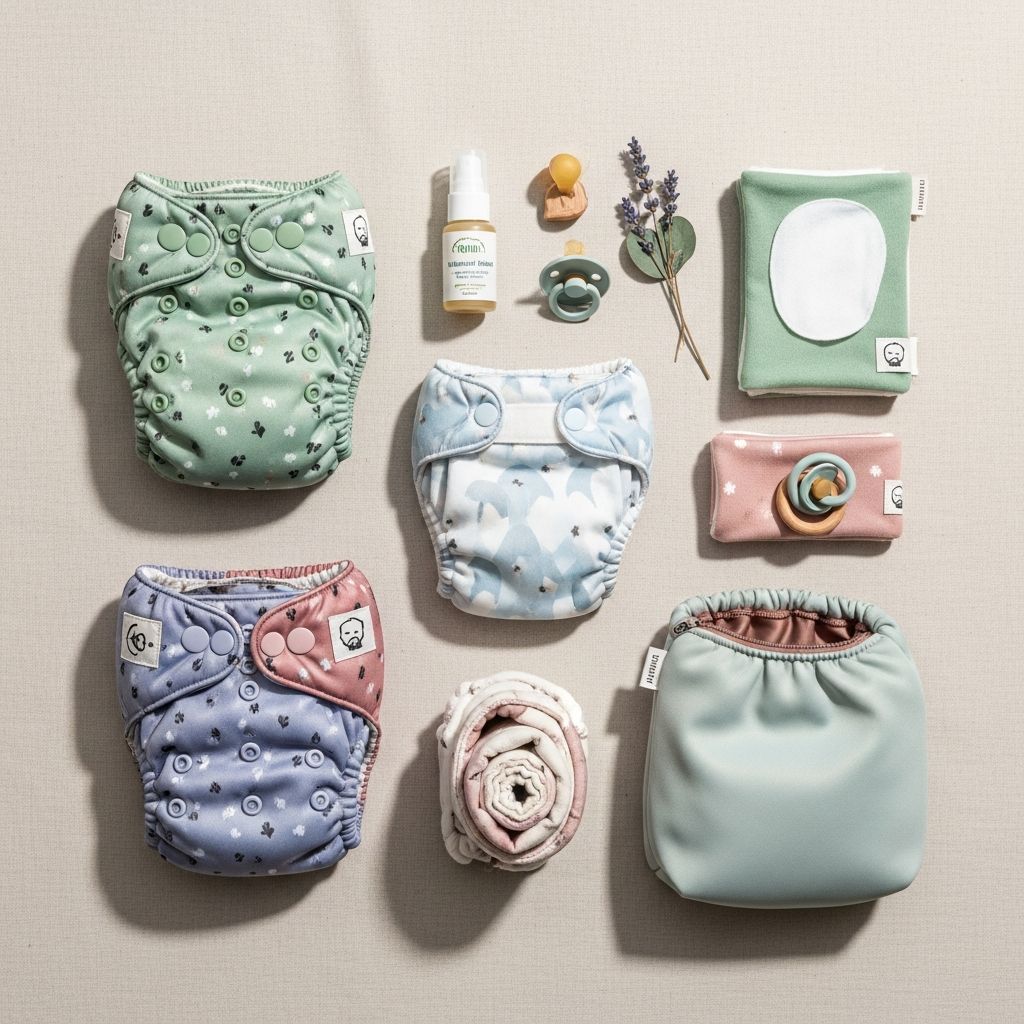
- Prefolds and flats: Rectangles of absorbent fabric that you fold around baby or lay in a cover. They are cost-effective but have more of a learning curve.
- Fitted diapers: Shaped like a disposable with elastic and snaps or Velcro, but need a separate waterproof cover. Very absorbent and great for nighttime.
- Pocket diapers: A waterproof outer layer with a stay-dry interior pocket where you stuff absorbent inserts. Popular because they are easy to put on once prepped.
- All-in-one (AIO) diapers: Absorbent part is sewn in; no stuffing required. The easiest to use but often more expensive per piece and may take longer to dry.
- Hybrid or all-in-two systems: A reusable cover with snap-in or lay-in inserts. You often reuse the cover for more than one change if it stays clean.
How to Choose a Style That Fits Your Life
Instead of chasing the “best” style, focus on where the diaper will be used. Daycare and skeptical caregivers usually prefer something that looks and functions like a disposable, such as pockets or all-in-ones. At home, you might lean into flats or prefolds to keep costs down or to get a customizable fit.
Many families land on a mix: a simple, affordable setup for everyday home use and a handful of premium, easy-on diapers reserved for babysitters, daycare, or travel. Allowing yourself that flexibility can make a second attempt at cloth feel far more sustainable.
What You Actually Need to Get Started
It is easy to fall into the trap of thinking you need a huge “stash” of diapers and every accessory marketed to new parents. In reality, you need enough diapers to get through 1–2 days, a way to store them until wash day, and a routine that feels manageable.
Basic Cloth Diaper Checklist
- 20–24 diapers for full-time use with a young baby (fewer if supplementing with disposables).
- 8–12 diapers for part-time or daytime-only cloth.
- Enough inserts or absorbent layers to match your diapers; some styles include these.
- 2–3 large pail liners or hanging wet bags for home storage.
- 2–4 small wet bags for outings and daycare.
- A gentle detergent compatible with your water type and washing machine.
- Optional: disposable liners for easier solid waste cleanup once baby starts solids.
Budgeting and Buying Used
Buying used or “pre-loved” diapers can significantly lower the cost of getting started and is usually safe if you inspect for wear, elastic strength, and staining. Many parents sell clean, functional diapers after their children potty train, and a second-time cloth user can benefit from those deals.
To protect your budget, start smaller than you think you need. A handful of diapers can help you test different brands and styles before committing. Once you know what you truly reach for, then expand your collection.
Washing Cloth Diapers Without Losing Your Mind
The washing routine is usually what scares people away on their first attempt. The key is to keep it simple and consistent rather than perfect. Modern washing machines and detergents do most of the heavy lifting; your main job is not letting diapers sit too long and using enough water and detergent to get them clean.
Basic Wash Routine Outline
- Store: Place used diapers in a pail liner or hanging wet bag. For breastfed-only babies, diapers can usually go straight in; for older babies on solids, shake or rinse off stools into the toilet first.
- Pre-rinse: Run a short cold or warm cycle with little or no detergent to loosen residues.
- Main wash: Run a long, hot wash with enough detergent for a heavily soiled load.
- Dry: Line dry when possible to extend diaper life, or tumble dry on low to medium heat according to manufacturer guidance.
Tips to Avoid Common Laundry Problems
- Do not overload the machine; diapers need room to agitate and rinse properly.
- Avoid using fabric softeners or dryer sheets, which can coat fibers and reduce absorbency.
- If diapers start to smell strongly even when clean, tweak your wash routine with more water, more detergent, or an extra rinse cycle.
- Stains are often cosmetic; sun-drying on a bright day can help lighten them without harsh products.
Going Part-Time: The Hybrid Approach
One of the most freeing mindset shifts for second-time cloth users is abandoning the idea that it has to be all or nothing. Strategic part-time cloth use significantly reduces waste and diaper spending without adding more laundry than you can manage.
When Part-Time Cloth Works Especially Well
- At home during the day: Use cloth when you are close to your washing machine and changing area, and switch to disposables overnight or for long outings.
- On predictable days: Choose specific days of the week for cloth when your schedule is lighter and you can comfortably handle an extra wash cycle.
- With one caregiver: Perhaps one parent is enthusiastic about cloth and the other is unsure; use cloth primarily when the enthusiastic caregiver is on duty.
- For certain stages: Some families prefer cloth for smaller, frequent infant changes but switch to disposables during heavy-wetting toddler phases or intense travel seasons.
Handling Leaks, Rashes, and Other Real-World Issues
Even with disposable diapers, leaks and rashes happen. With cloth, the troubleshooting can feel more personal because you have so much control over fit, materials, and routines. The upside: you often have more levers to pull to improve things.
Common Cloth Diaper Problems and Fixes
| Problem | Likely Cause | Possible Solutions |
|---|---|---|
| Leaks around legs | Gaps at the thighs or diaper too loose. | Adjust rise and waist snaps; ensure elastic is snug but not leaving deep marks. |
| Leaks at the waistband | Inserts not fully inside the cover or diaper saturated. | Tuck inserts fully in; add an extra insert for naps or heavy wetters. |
| Strong ammonia smell | Build-up of urine residues or detergent. | Increase water and detergent; consider an extra rinse or a deep-clean routine occasionally. |
| Redness or rashes | Too much time in a wet diaper, sensitivity to fabric or detergent, or a yeast rash. | Change more frequently; switch to a different detergent; consult a healthcare provider if rash persists or worsens. |
| Bulk under clothes | Multiple thick inserts or very trim clothing. | Use slimmer inserts for daytime; size up clothing for a more comfortable fit. |
Cloth Diapers and Daycare or Other Caregivers
One major hurdle for many families is whether daycare or grandparents are willing to use cloth. Policies and comfort levels vary widely, so open communication matters more than a perfect pitch. Bringing a clear, simple system often goes further than theoretical benefits.
If a daycare is hesitant, consider sending pocket or all-in-one diapers that are labeled with your child’s name and pre-stuffed or prepped. Provide a clear wet bag, written instructions if requested, and be ready to compromise if they ultimately prefer disposables on their watch.
Eco, Health, and Financial Considerations
Parents rarely make diapering decisions for just one reason. Usually there is a combination of financial pressure, environmental concern, and a desire to minimize unnecessary chemicals near a baby’s skin. Thinking through which of these matters most to you can clarify whether cloth is worth revisiting now.
Questions to Ask Yourself
- Is the primary goal to save money, reduce trash, avoid certain materials, or some mix of all three?
- How many extra loads of laundry per week feel realistic in your current season of life?
- Do you have support from a partner or caregiver, or will you be handling most of the diaper work yourself?
- Are you open to a hybrid solution that uses cloth in some situations and disposables in others?
Frequently Asked Questions About Giving Cloth Diapers Another Try
Do cloth diapers really save money if you factor in water and electricity?
For most families, yes. The biggest cost difference comes from the fact that cloth diapers can be reused multiple times per day and for years, while disposable diapers are single-use items. You do spend more on utilities and detergent, but those costs are typically much lower than buying boxes of disposables every month, especially if you use the same cloth set for more than one child.
Is it too late to start cloth diapers if my baby is already a toddler?
It is not too late. In fact, starting later can sometimes feel easier because you are changing fewer diapers per day and may have a more predictable schedule. Using cloth even for a year can still reduce waste and help trim diaper costs, and many toddlers benefit from feeling wetness more clearly as they move toward potty training.
Will cloth diapers make potty training faster?
While nothing guarantees an earlier potty training timeline, some children do seem to connect the feeling of being wet with using the toilet more quickly when they wear less absorbent fabrics. Cloth diapers often allow babies to feel that feedback more readily than ultra-absorbent disposables. That said, readiness cues and a calm approach matter more than the diaper type alone.
What if I tried cloth before and hated the laundry?
This is one of the most common reasons people quit. If the laundry piece was overwhelming, consider a scaled-back approach: cloth only at home, only during certain days of the week, or using a cloth diaper service if available in your area. You can also simplify your wash routine and reduce the number of specialized products you use, which often lightens the mental load.
Can I use standard diaper creams with cloth diapers?
Some heavy, petroleum-based creams can coat cloth fibers and reduce absorbency over time. Many families choose cloth-safe barrier creams or use a thin disposable or reusable liner inside the diaper when applying standard creams. This creates a protective layer between the cream and the diaper fabric while still allowing you to keep using your cloth system.
How many cloth diapers do I need if I only want to use them at home?
For part-time, at-home use, a smaller collection is sufficient. Many families find that 8–12 diapers provide enough coverage for afternoons and evenings at home, assuming a wash every day or every other day. Starting with a modest number lets you adjust the routine before investing in more pieces.
Making a Cloth Diaper Plan That Works for You
A second look at cloth diapers does not have to repeat the stress of your first attempt. With realistic expectations, a smaller initial stash, and openness to hybrid use, cloth can become one useful tool in your parenting toolbox rather than a rigid identity or all-or-nothing project.
The most sustainable diapering system is the one you will actually use. If that includes cloth in any form—full-time, part-time, or just in specific situations—you are already making a thoughtful choice that reflects your family’s needs, values, and lived experience.