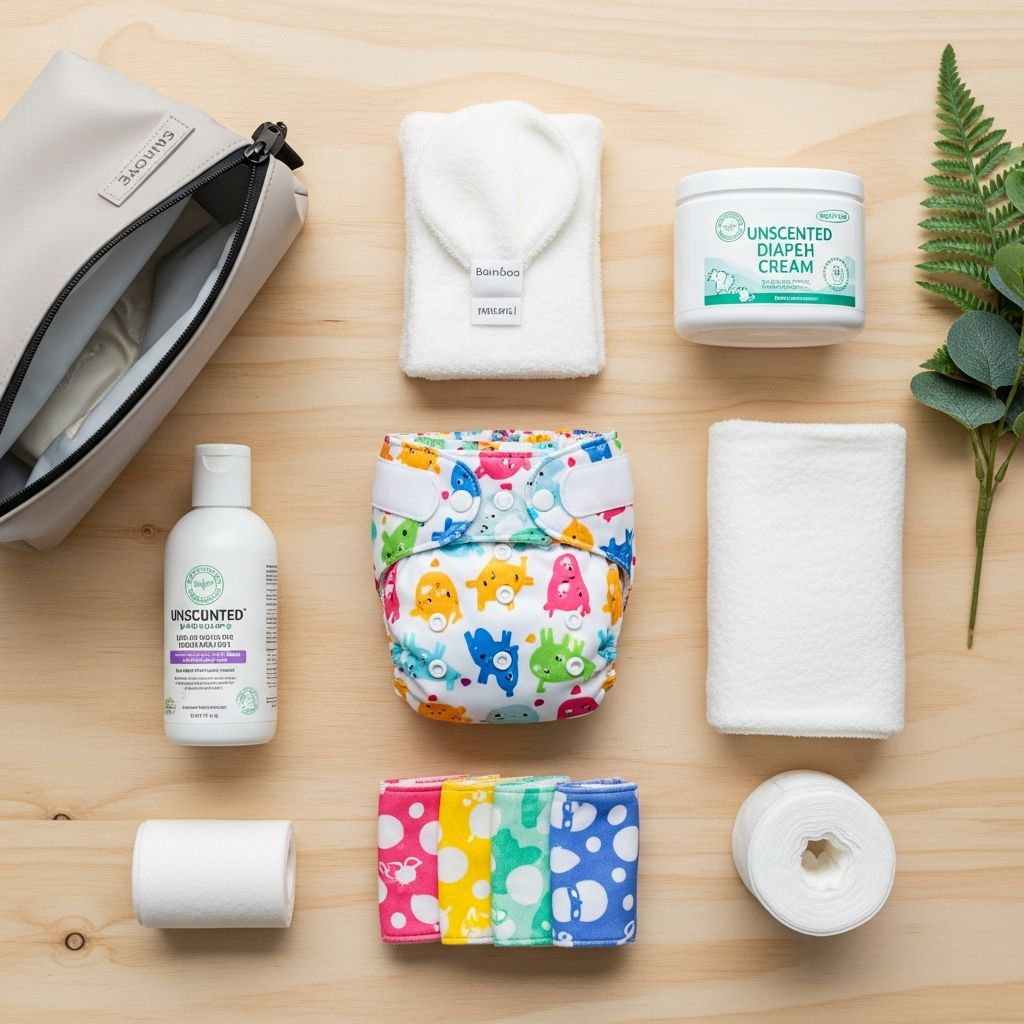
Cloth diapering has evolved far beyond outdated images of pins and plastic pants, offering contemporary parents a practical, eco-friendly alternative to disposables. With innovative designs and user-friendly features, it’s now simpler than ever to adopt this sustainable practice while enjoying significant savings and healthier outcomes for babies.
Why Choose Cloth Diapers in Modern Families
Opting for cloth diapers aligns with growing concerns over environmental impact and household budgets. A single child uses thousands of disposable diapers, contributing to massive landfill waste, whereas cloth options drastically reduce this footprint through reusability. Financially, families can save hundreds or even thousands over a baby’s diapering years, as one quality stash lasts multiple children.
Health benefits include reduced exposure to chemicals found in some disposables, potentially lowering risks of rashes and allergies. Babies in cloth often feel wetness more acutely, aiding earlier potty training. Aesthetic appeal adds fun, with vibrant prints turning diaper changes into delightful moments.
Exploring Popular Cloth Diaper Varieties
Today’s market boasts diverse styles tailored to different lifestyles, absorbency needs, and ease of use. Understanding these helps parents build an effective diaper collection.
- Prefold Diapers: These rectangular layers feature thicker central panels for superior absorption, ideal for heavy wetters. Fold them into triangles or other shapes, secure with fasteners, and pair with waterproof covers. Their affordability and trim fit make them versatile from newborn to toddler stages.
- Flat Diapers: Large squares of fabric that fold creatively for custom fits. They’re budget-friendly, quick-drying, and excellent for hot climates, though they require practice and covers.
- All-in-One (AIO) Diapers: Seamlessly integrate absorbent cores with waterproof shells and fasteners, mimicking disposables for utmost convenience. Perfect for daycare or beginners, they simplify changes but may dry slower.
- Pocket Diapers: Feature a pocket for inserting boosters, allowing customization. Snaps or hook-and-loop closures ensure secure fits, balancing ease and performance.
| Style | Pros | Cons | Best For |
|---|---|---|---|
| Prefolds | Highly absorbent, cost-effective, adjustable fit | Folding required, needs covers | Budget-conscious heavy wetters |
| AIOs | Easy to use, no assembly | Slower drying, higher upfront cost | Busy parents, caregivers |
| Pockets | Customizable absorbency, trim profile | Insert stuffing needed | Versatile daily use |
| Flats | Fast drying, inexpensive | Folding learning curve | Travel, hot weather |
Mastering the Perfect Fit for Your Baby
A well-fitted cloth diaper prevents leaks and discomfort. Look for adjustable rises via snaps to accommodate growth from newborn (6-10 lbs) to potty-trained (35+ lbs). Leg elastics should gusset gently without gaping, and waistbands need secure, flexible closures.
Snaps offer precise adjustments and durability, while soft hook-and-loop (Velcro-like) provides quick application, though it may attract lint in washes. Newborn-specific designs include short rises and umbilical cutouts for sensitive belly buttons. Test fits during active play; rise to belly button height, no thigh gaps.
Enhancing Absorbency with Smart Inserts
Boosters like bamboo, hemp, or microfiber inserts elevate any diaper’s capacity. Bamboo excels in daytime softness and wicking, hemp holds heavy night loads, and cotton offers natural reliability.
Placement matters: tuck into pockets or lay flat under prefolds. For overnights, layer multiple for 10+ hours protection. Monitor for sagging as a change cue. Rotate materials to prevent wear, extending stash life.
Step-by-Step Laundry Routine for Clean Diapers
Effective cleaning is crucial to avoid buildup, odors, or ammonia issues. Wash every 2-3 days to balance freshness and efficiency.
- Prep Soiled Diapers: Use a sprayer or dunk-swish to remove solids into the toilet. Store in a breathable wet bag or open pail to prevent mildew.
- Pre-Wash: Cold rinse cycle sans detergent flushes residues.
- Main Wash: Hot water (140°F+ for sanitizing), cloth-safe detergent (half dose), and extra rinse. Add water softeners if hard water.
- Dry: Air dry preferred for longevity; low-heat tumble for elastics. Separate colors to avoid bleeding.
Pro tip: 24-30 diapers suffice for most newborns, scaling to 36 for older babies.
Gearing Up: Essential Accessories
- Diaper sprayer for effortless rinsing.
- Wet/dry bags for outings, with antimicrobial linings.
- Cloth wipes and solution for gentle cleaning.
- Booster stash for night/heavy days.
- Laundry additives like softeners or boosters.
Start small: pocket diapers with inserts ease beginners in.
Overcoming Common Challenges
Leaks? Check fit and rise. Odors? Ensure thorough rinses and airflow storage. Rashes? Switch fabrics, use barrier creams sparingly. Hard water mineral buildup demands softeners.
Travel light with flats/prefolds; daycare favors AIOs. Solids introduction simplifies rinsing as babies self-clean.
Environmental and Long-Term Rewards
Cloth cuts diaper waste by 95%, conserving resources amid rising sustainability demands. Cost analysis: $500-1500 startup vs. $2000+ disposables. Resale value recoups investments. Communities offer support via forums and local groups.
Frequently Asked Questions
Is cloth diapering messy?
Not with modern tools like sprayers; it’s comparable to disposables and cleaner long-term.
How often do I wash cloth diapers?
Every 2-3 days prevents issues; adjust for baby output.
Are cloth diapers good for sensitive skin?
Yes, natural fabrics reduce irritants; monitor fits to avoid moisture trap.
Can I use cloth diapers at daycare?
Many accept AIOs; communicate routines for smooth integration.
What’s the best starter stash size?
24-30 for newborns, washing EOD.
Building Your Cloth Journey
Begin with 2-3 styles to test preferences. Join online groups for real-parent wisdom. Track successes to refine routines. Cloth diapering empowers sustainable parenting, blending savings, cuteness, and earth-friendliness seamlessly.
References
- Modern Cloth Diapering :: No Safety Pins Here! — Birmingham Mom Collective. 2023. https://birminghammomcollective.com/ages-and-stages/babies/modern-cloth-diapering/
- Cloth Diapering Made Simple: Easy Steps for Parents — Poppyseed Play. 2024. https://poppyseedplay.com/blogs/calm/cloth-diapering-made-simple
- Cloth Diapers & Modern Parenting: A Smarter Choice — SuperBottoms. 2024. https://superbottoms.com/blogs/diapering/cloth-diapers-modern-parenting
- Everything You Need to Know about Cloth Diapering — Runaway Juno. 2023. https://runawayjuno.com/runaway-tales/cloth-diapers/
- Cloth Diapers & Sustainable Diapering Essentials — Modern Nursery. 2025. https://www.modernnursery.com/collections/cloth-diapering