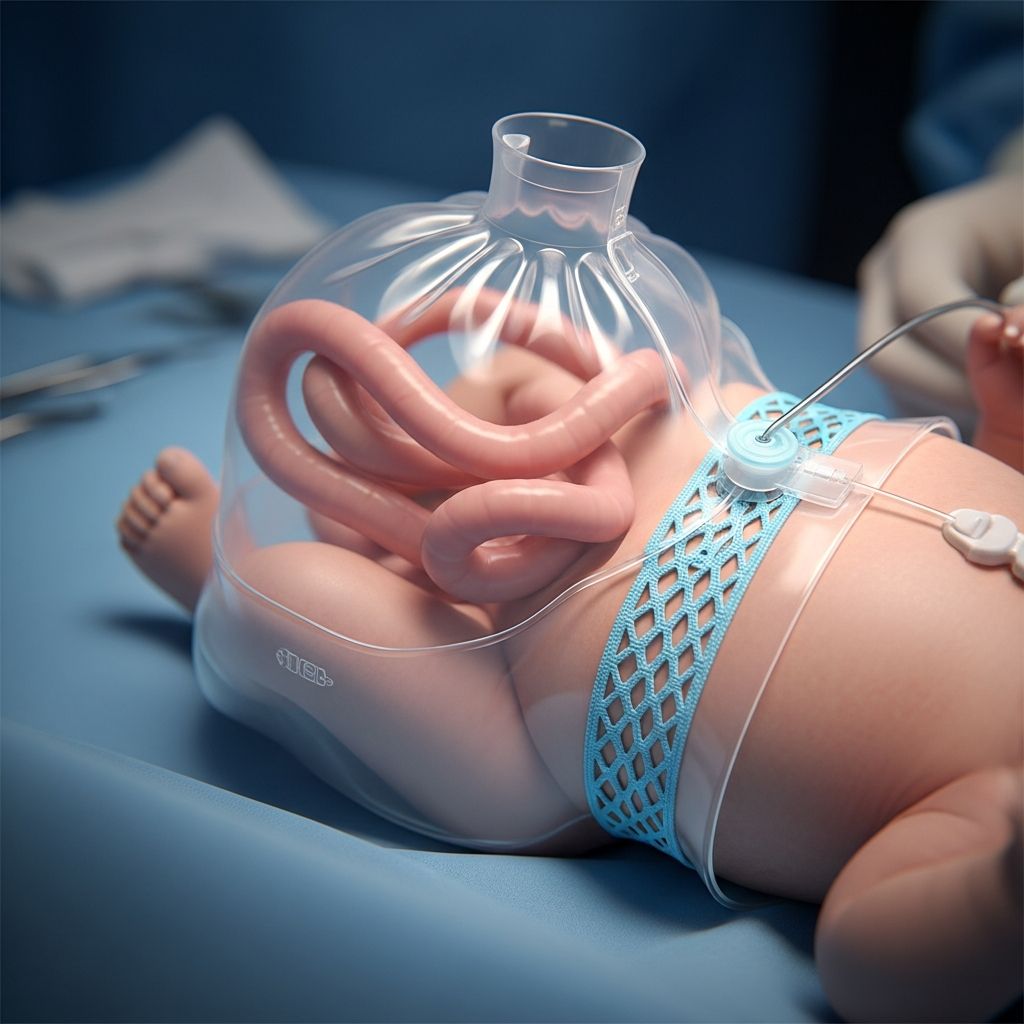
Cleft lip repair surgery is a common and effective procedure performed on infants to correct a congenital facial defect where the upper lip does not fully form during pregnancy. Typically conducted between 3 and 6 months of age, this surgery brings together specialized tissues to create a functional and aesthetically pleasing lip structure. Parents often face this journey with a mix of hope and anxiety, but understanding the process empowers them to support their child’s recovery effectively.
Understanding Cleft Lip and Palate Conditions
A **cleft lip** occurs when the lip fails to fuse properly in the womb, resulting in a gap that can range from a small notch to a complete split extending into the nose. When combined with a **cleft palate**, the roof of the mouth is also affected, potentially impacting feeding, speech, and ear health later on. These conditions affect about 1 in 700 births worldwide, making early intervention crucial for development.
Diagnosis usually happens via prenatal ultrasound or at birth. Multidisciplinary teams, including plastic surgeons, ENT specialists, and speech therapists, collaborate to plan treatment from infancy through childhood.
Preparing for Your Baby’s Cleft Lip Surgery
Preparation begins weeks before the procedure. Pediatricians assess the baby’s overall health, ensuring optimal weight gain—ideally 10-12 pounds for lip repair. Parents receive instructions on fasting, typically no food or milk after midnight.
- Consult with the surgical team about anesthesia risks and preoperative tests.
- Stock up on soft feeding supplies like specialized bottles without nipples.
- Arrange home support for the recovery period.
Emotional preparation is key; many hospitals offer parent support groups to share experiences.
The Surgical Procedure Explained
Cleft lip surgery, often under general anesthesia, lasts 1-2 hours. Surgeons use precise techniques like the Millard rotation-advancement method to align muscles and skin, minimizing scarring. If a palate cleft is present, it may be repaired separately around 9-12 months.
Post-surgery, babies recover in a monitored unit. Swelling peaks on day one but subsides within days. Stitches, either dissolvable or removable, hold the repair in place.
Immediate Post-Operative Hospital Care
Hospital stays vary: 1-2 days for lip repair, up to 5-7 for palate. Infants receive IV fluids initially, transitioning to clear liquids via cup—no straws or bottles to avoid pressure on the site.
**Arm restraints** (no-nos or splints) prevent touching the face, often worn 1-2 weeks. Pain is managed with acetaminophen or ibuprofen; fussiness is common as anesthesia wears off.
| Common Immediate Symptoms | Management Tips |
|---|---|
| Swelling and bruising around mouth/nose | Apply cool compresses if approved; monitor for increase |
| Bleeding in saliva | Normal in small amounts; contact doctor if heavy |
| Fussiness or poor sleep | Pain meds, quiet environment, familiar comforts |
Detailed Home Recovery Timeline
Full recovery spans 3-6 weeks, with milestones guiding care.
Weeks 1-2: Initial Healing
Focus on wound protection. Clean the site daily with saline or hydrogen peroxide solution, applying antibiotic ointment. Diet: liquids and purees only, spoon-fed to avoid strain. No self-feeding. Swelling reduces, but the area remains fragile—avoid bumps.
Weeks 3-4: Transition Phase
Introduce soft, fork-mashable foods. Continue arm restraints if prescribed. Stitches dissolve; scars appear pink and firm.
Weeks 5-6: Returning to Normal
Gradual return to regular diet, excluding hard/crunchy items. Monitor for scar softening; begin gentle massage if advised.
Pain Management and Comfort Strategies
Pain lasts 1-2 weeks, affecting feeding and sleep. Use prescribed meds strictly; over-the-counter options like infant ibuprofen help with throat or ear discomfort post-palate repair.
- Swaddle for security during fussy periods.
- Use zipped clothing to avoid pulling over head.
- Encourage rest with dim lights and white noise.
Snoring or congestion from swelling is temporary.
Feeding Guidelines During Recovery
Feeding challenges peak early. Use squeeze bottles or cups for liquids; progress per schedule.
| Week | Diet Type | Utensils Allowed |
|---|---|---|
| 1-2 | Full liquids/purees (no chew) | Spoon only, caregiver-fed |
| 3-4 | Fork-mashed soft foods | Spoon, no self-feed |
| 5-6 | Regular, no hard foods | Cautious self-feeding |
Post-palate repair, babies may finally suck properly, a joyful milestone. Rinse with clear liquids after meals.
Scar Care and Long-Term Appearance
Scars mature over months, initially thick and pulling. Daily moisturizing with ointment post-stitch removal prevents hypertrophy. Sun protection is vital—use SPF 50+ after healing.
Gentle massage from 3-6 weeks softens tissue. Orthodontic follow-up may be needed for teeth alignment. Most children require no further surgery, but revisions occur in 10-20% cases.
Monitoring for Complications and When to Call the Doctor
Follow-up appointments occur 1-2 weeks post-op. Seek immediate care for:
- Fever over 101°F (38.3°C)
- Excessive bleeding or pus
- Dehiscence (wound reopening)
- Refusal to eat/drink leading to dehydration
- Uncontrolled pain
Exposed palate bone post-repair is normal and heals naturally.
Emotional Support for Families
Recovery tests parental resilience. Join cleft networks for shared stories—many note babies rebound happily within weeks. Celebrate milestones like improved sucking or smiles.
Long-term, speech therapy aids palate cases; hearing checks prevent infections.
Frequently Asked Questions (FAQs)
What is the typical hospital stay after cleft lip surgery?
Usually 1-2 days for lip repair, longer (5-7 days) if palate involved.
How long do arm restraints need to be used?
About 1-2 weeks to protect the surgical site.
Can my baby use a pacifier during recovery?
No, avoid pacifiers, straws, and bottles for weeks to prevent pressure.
When does the scar improve in appearance?
Scars fade and soften over months with proper care; full maturation takes a year.
Will my child need more surgeries?
Possibly for scar revision or palate/speech issues, but many do not.
Long-Term Outcomes and Developmental Milestones
With timely surgery, most children thrive. Feeding improves dramatically, supporting growth. Speech development, monitored via therapy, reaches near-normal levels. Regular dental care addresses any misalignments. Families report enhanced confidence as scars fade, emphasizing the transformative impact of early repair.
Expanding on recovery nuances, consider individual variations: premature babies or those with syndromes may need tailored plans. Nutritionists often consult to ensure calorie intake via fortified purees. Psychological support mitigates parental stress, fostering bonding during restricted interactions.
For palate repairs, palate protection extends vigilance—soft diets prevent fistula formation. Ear tubes, common in cleft cases, may coincide to avert hearing loss. Multidisciplinary clinics streamline this, tracking from surgery to school age.
Scar management evolves: silicone sheets or gels, evidence-based, reduce thickness per studies. Parental massages, taught by surgeons, promote pliability. Sun avoidance prevents hyperpigmentation, a key for visible areas.
Community insights reveal resilience: infants return to play within weeks, their smiles intact. This journey, though demanding, yields enduring results, equipping babies for life’s expressions.
References
- Cleft Lip & Cleft Palate Surgery: Repair Steps & Post-op Care — Cleveland Clinic. 2023. https://my.clevelandclinic.org/health/treatments/23394-cleft-lip-cleft-palate-surgery
- Cleft lip and palate repair — Penn Medicine. 2023. https://www.pennmedicine.org/treatments/cleft-lip-and-palate-repair
- Cleft Lip and Cleft Palate Repair Recovery — American Society of Plastic Surgeons. 2023. https://www.plasticsurgery.org/reconstructive-procedures/cleft-lip-and-cleft-palate-repair/recovery
- Cleft lip repair: post-operative information — Royal Children’s Hospital. 2023. https://www.rch.org.au/uploadedFiles/Main/Content/plastic/Cleft%20lip%20repair%20postoperative%20information.pdf
- Cleft Palate Repair Discharge Instructions — SSM Health Cardinal Glennon. 2023. https://www.ssmhealth.com/cardinal-glennon/services/pediatric-plastic-reconstructive-surgery/cleft-lip-palate/cleft-palate-discharge
- Cleft Lip Repair — Children’s Hospital Pittsburgh. 2023. https://www.chp.edu/our-services/plastic-surgery/patient-procedures/cleft-lip-repair