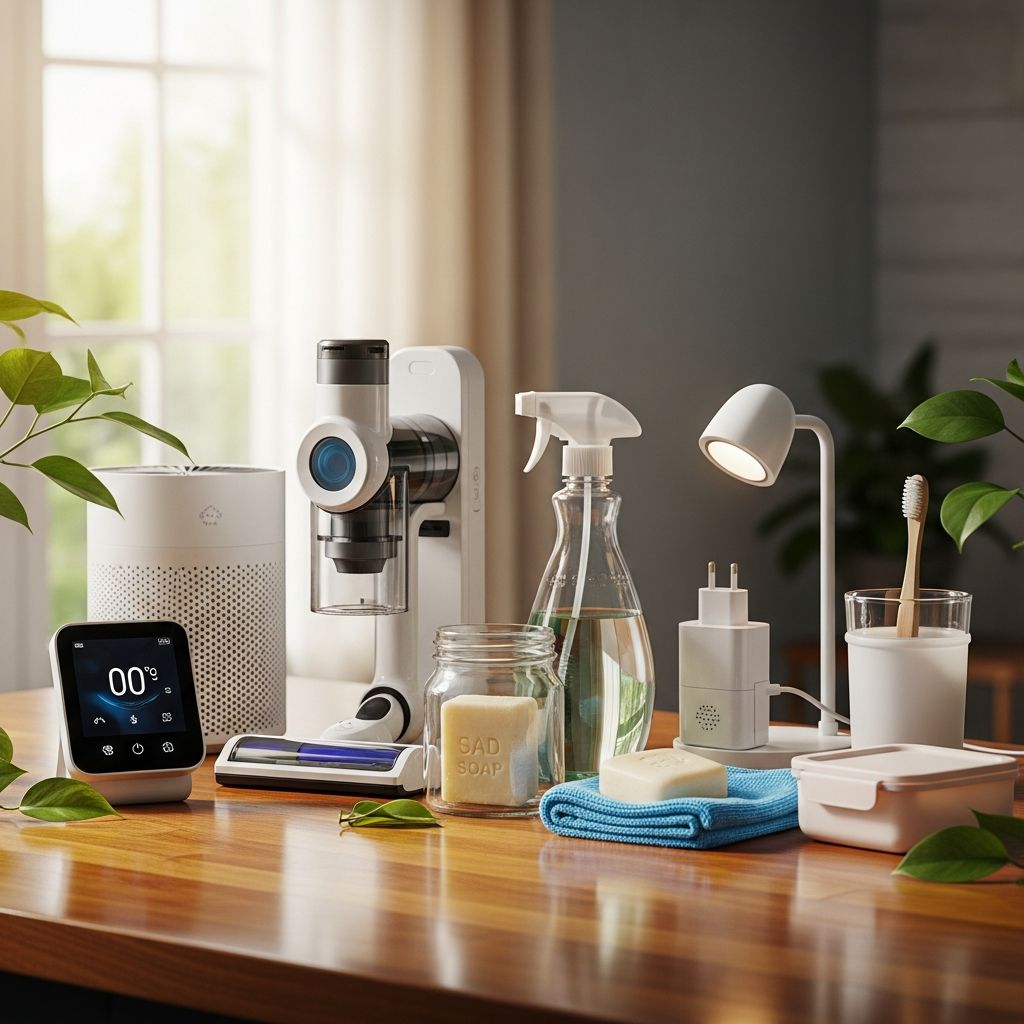
Creating a healthier home does not require throwing everything away or spending a fortune on trendy products. With a bit of intention and some strategic swaps, you can reduce your family’s exposure to unnecessary chemicals while keeping your routines simple and realistic.
Why Healthier Product Swaps Matter
Everyday items like cleaners, detergents, fragrances, and plastics can release substances into the air and onto your skin, where they may contribute to irritation, allergies, or long-term health concerns. Small, gradual swaps can significantly reduce the overall “chemical load” in your home without demanding perfection. Instead of trying to change everything overnight, focus on the products you use the most or those that sit on your skin and in your air the longest.
Shifting toward simpler ingredient lists, fragrance-free or naturally scented options, and lower-waste packaging can benefit both your health and the environment. Families often find that once they make a few key changes, the rest becomes easier and even saves money over time.
How to Start Without Feeling Overwhelmed
The most sustainable way to create a cleaner home is to build habits slowly. Work through your house one area at a time and finish what you have before replacing it, unless a specific product clearly causes irritation or symptoms. Set realistic expectations and give yourself permission to learn as you go rather than aiming for a perfectly “non-toxic” home.
Before buying anything new, take a quick inventory of what you already own. Often, one gentle, multi-purpose product can replace several specialized ones, reducing clutter and saving money. Prioritize swaps in spaces where your family spends the most time, such as the kitchen, bathroom, and bedrooms.
Step-by-Step Game Plan
- Pick one room to focus on (kitchen, bathroom, laundry, or nursery).
- Identify the 2–3 products you use most often in that room.
- Finish or responsibly donate what you have, then replace with a cleaner option when it runs out.
- Read ingredient labels and avoid vague terms like “fragrance” where possible.
- Reassess after a few weeks, noticing any changes in how your home smells and how your skin or allergies respond.
High-Impact Swaps for Everyday Cleaning
Cleaning products touch nearly every surface in your home and often linger in the air long after you are done wiping counters. Concentrating on a few powerful swaps in this category can have an outsized effect on your indoor environment. The goal is not to make your home sterile but to keep it comfortably clean without a cocktail of harsh ingredients.
Simple formulas built from basic ingredients can clean most areas just as effectively as heavily perfumed sprays and scrubs. When purchasing ready-made alternatives, look for short ingredient lists, clear labeling, and brands that share full transparency rather than vague marketing claims.
Common Cleaning Swaps
| Conventional Item | Concerns | Cleaner Swap Idea |
|---|---|---|
| Heavy-duty all-purpose spray with strong fragrance | Can contain synthetic fragrance blends and harsh solvents that linger in indoor air. | Choose a fragrance-free or naturally scented all-purpose cleaner with clearly listed ingredients, or make a simple solution with soap and water for daily wipe-downs. |
| Ammonia- or bleach-based glass cleaner | May irritate eyes and airways, especially in small spaces with poor ventilation. | Use a mix of water and a touch of gentle soap or vinegar (where suitable) on windows and mirrors, followed by a microfiber cloth. |
| Strong scented floor cleaner for all surfaces | Fragrance and color additives do not contribute to cleaning but add to chemical exposure. | Mop floors with warm water and a small amount of gentle concentrated cleaner or castile-style soap, avoiding unnecessary perfumes. |
Tips for Cleaner Cleaning Routines
- Open windows during and after cleaning whenever weather and safety allow.
- Store concentrates away from kids and pets, and dilute according to directions to avoid overuse.
- Use reusable cloths and mop pads instead of disposable wipes to cut both chemicals and waste.
Safer Laundry: Clothing, Bedding, and Towels
Laundry products sit directly on your skin all day long through clothing, sheets, and towels. Residue from detergents, softeners, and scent boosters can cling to fibers and may contribute to skin irritation or headaches in sensitive individuals. Focusing on fragrance, added color, and unnecessary extras can simplify your laundry routine and reduce irritants.
Families often notice that when they move toward milder laundry products, they also need less fragrance in the rest of the home, because clothes are no longer carrying a strong artificial scent. This can make your entire space feel calmer and fresher.
Smart Laundry Swaps
- Choose a fragrance-free or lightly, naturally scented detergent formulated for sensitive skin when possible.
- Replace fabric softener and dryer sheets with wool dryer balls; add a tiny amount of essential oil to the balls if scent is desired.
- Avoid “scent boosters” designed to cling to clothing for weeks, as they often rely heavily on synthetic fragrance.
- Wash new clothing and bedding before first use to remove finishing agents and excess dyes.
Quick Laundry Decision Guide
| Goal | Skip This | Try Instead |
|---|---|---|
| Softer towels | Heavily perfumed liquid fabric softener | Use wool dryer balls and avoid over-drying, which stiffens fibers. |
| Fresh-smelling sheets | Strongly scented dryer sheets and boosters | Air bedding outside occasionally and use mild detergent; keep bedroom well-ventilated. |
| Stain removal | Chlorine bleach for routine loads | Reserve stronger products for occasional need and rely on oxygen-based brighteners or stain-specific treatments when possible. |
Kitchen Swaps: Where Health and Habits Meet
The kitchen is both the heart of the home and a major source of potential exposure through food contact surfaces, cookware, and storage containers. Focusing on a few key categories—non-stick pans, plastics, and dish products—can dramatically reduce unnecessary contact with certain coatings and chemicals. You do not have to replace everything in one weekend; prioritize the items you use daily at high temperatures.
Simple materials like stainless steel, glass, and uncoated cast iron have stood the test of time for a reason. They hold up well, are relatively easy to clean once you adjust techniques, and do not rely on sophisticated coatings that can degrade with heat and wear.
Cookware and Storage Swaps
- Gradually replace heavily scratched non-stick pans with stainless steel, cast iron, or high-quality ceramic alternatives.
- Shift from plastic food storage to glass or stainless steel containers, especially for hot leftovers.
- Avoid microwaving food in plastic; transfer to glass or ceramic dishes instead.
- Choose wooden, bamboo, or stainless utensils instead of plastic ones that may degrade with high heat.
Dishwashing Swaps
- Look for dish soaps and dishwasher detergents that clearly list ingredients and avoid heavy dyes and artificial perfumes.
- Use a simple brush or cloth that you can wash and dry thoroughly rather than disposable sponges with added antimicrobial treatments.
- Rinse dishes well after washing, especially bottles, kid dishes, and anything used for baby food.
Personal Care: Gentle on Skin and Body
Products used on your skin, hair, and mouth stay in close contact with your body for extended periods. Choosing gentler options can be particularly important for pregnant people, those with sensitive skin, and young children. Reducing synthetic fragrance and minimizing the overall number of products used can be just as powerful as buying specialized “clean” items.
Think in terms of “swap and simplify”: pick a few products you use daily—such as body wash, moisturizer, and toothpaste—and update those first. Over time, you can assess makeup, hair products, and specialty treatments without pressuring yourself to change your entire routine overnight.
Everyday Self-Care Swaps
- Choose unscented or lightly naturally scented body wash and lotion formulated for sensitive skin.
- Consider a simpler shampoo and conditioner that avoids heavy fragrance and unnecessary colorants.
- Opt for toothpaste with a straightforward ingredient list and skip extra color or glitter, especially for kids.
- Use fragrance as an occasional accessory rather than a constant background layer in every product.
Fragrance and Air Quality: Breathing Easier at Home
Many households rely on candles, sprays, and plug-ins to create a pleasant scent, but these often add a mixture of volatile ingredients to indoor air. Rethinking how you freshen your home can make a significant difference, particularly for those with asthma, allergies, or frequent headaches. A fresh-smelling home can come from cleanliness, ventilation, and a few well-chosen natural scent sources rather than constant chemical perfumes.
Improving air quality is not only about what you remove, but also about what you add. Increasing fresh air circulation and incorporating simple filtration can help clear both scents and everyday dust from your environment.
Healthier Air Habits
- Open windows daily when possible, even for a short time, to exchange indoor and outdoor air.
- Use unscented or naturally scented candles made from simpler waxes if you enjoy candlelight, and burn them for limited periods.
- Skip plug-in air fresheners and frequent aerosol sprays; instead, clean surfaces regularly and remove sources of odor.
- Consider a high-quality air filter for bedrooms or main living areas, especially in urban locations or during allergy seasons.
Kids and Baby: Extra Care, Less Panic
Babies and children often spend a lot of time close to the floor, on soft furnishings, and with items in their mouths. For that reason, it makes sense to prioritize cleaner choices in a few focused categories rather than trying to make every single item perfect. Think about what they touch, breathe, and chew most often, and start there.
At the same time, it is not helpful to spiral into worry about every toy or gift you cannot control. A steady, balanced approach protects your child while preserving your peace of mind.
Priority Swaps for Kids’ Spaces
- Use a mild, fragrance-free detergent for baby clothing, blankets, and soft toys.
- Choose simple, wipeable materials for high chairs and play surfaces, cleaning regularly with gentle products.
- Favor solid wood or high-quality plastic toys without added scents or sticky coatings when possible.
- Limit strong ambient fragrances in nurseries; clean air and comfortable temperatures matter more than a constant scent.
Budget-Friendly Ways to Go Low-Tox
Clean product swaps do not have to be expensive, and you do not need a cart full of trendy brands to build a healthier home. In many cases, buying fewer, more versatile items saves money over time. Refill systems, concentrates, and larger basic containers of simple products can drastically reduce both cost and packaging.
Before you assume that a specialty product is necessary, ask whether a gentle, multi-use cleaner would do the job. Often, marketing encourages you to buy separate formulas for every room and surface, when a handful of core products is sufficient.
Money-Saving Swap Strategies
- Use up what you already own; then upgrade one category at a time as you naturally run out.
- Look for concentrates that dilute into multiple bottles, reducing both cost and plastic.
- Buy basic ingredients in bulk when you find they truly work for your household.
- Borrow or share rarely used specialty items rather than buying your own for one-time tasks.
Tracking Your Progress and Staying Flexible
It is easy to lose motivation when changes feel invisible, so build small check-ins into your routine. Notice whether your home smells different, whether your skin reacts less, or whether headaches or congestion improve. These subtle shifts often signal that your efforts are paying off.
At the same time, allow for trial and error. If a particular product does not perform well enough, adjust until you find a balance between effectiveness and gentleness that suits your family. A flexible mindset makes it easier to maintain lower-tox habits for the long term.
Simple Progress Checklist
- Have you updated at least one high-use cleaner to a simpler option?
- Are you using a milder detergent for family laundry?
- Have you reduced or eliminated plug-in or heavy aerosol fragrances?
- Did you swap at least one piece of cookware or storage container for glass, stainless, or cast iron?
FAQs About Clean Product Swaps
Do I need to throw away everything I own and start from scratch?
No. A complete overhaul is usually unnecessary, expensive, and stressful. The more realistic approach is to replace items gradually as they run out or wear out, prioritizing the products you use most often or those that directly touch skin, food, or air.
Are “natural” and “green” labels always safer?
Not necessarily. Marketing terms are not strictly regulated, so some products may use them without offering real benefits. Reading ingredient lists and favoring transparent companies is more reliable than relying solely on front-of-label claims.
Can simple ingredients really get my home clean?
For everyday dirt and routine maintenance, simple products are often more than enough when paired with good technique, like scrubbing and rinsing thoroughly. Strong, specialized cleaners are best reserved for occasional heavy-duty jobs rather than daily use on every surface.
What if a lower-tox product does not work as well?
Performance matters, and not every alternative will be a perfect fit for every household. If something falls short, consider adjusting your method (more soaking time, different tools) or trying a different product until you find a workable middle ground between safety, cost, and effectiveness.
Is it worth making changes if my budget is tight?
Yes. Many of the most impactful changes involve buying fewer products, skipping constant fragrances, and relying on versatile basics. These strategies can actually save money over time while still helping you build a cleaner, simpler home environment.
Clean product swaps are not about perfection or fear, but about making informed, manageable choices that support your family’s health. By taking it one room and one product at a time, you can create a home that feels fresher, calmer, and more aligned with your values—without sacrificing practicality.