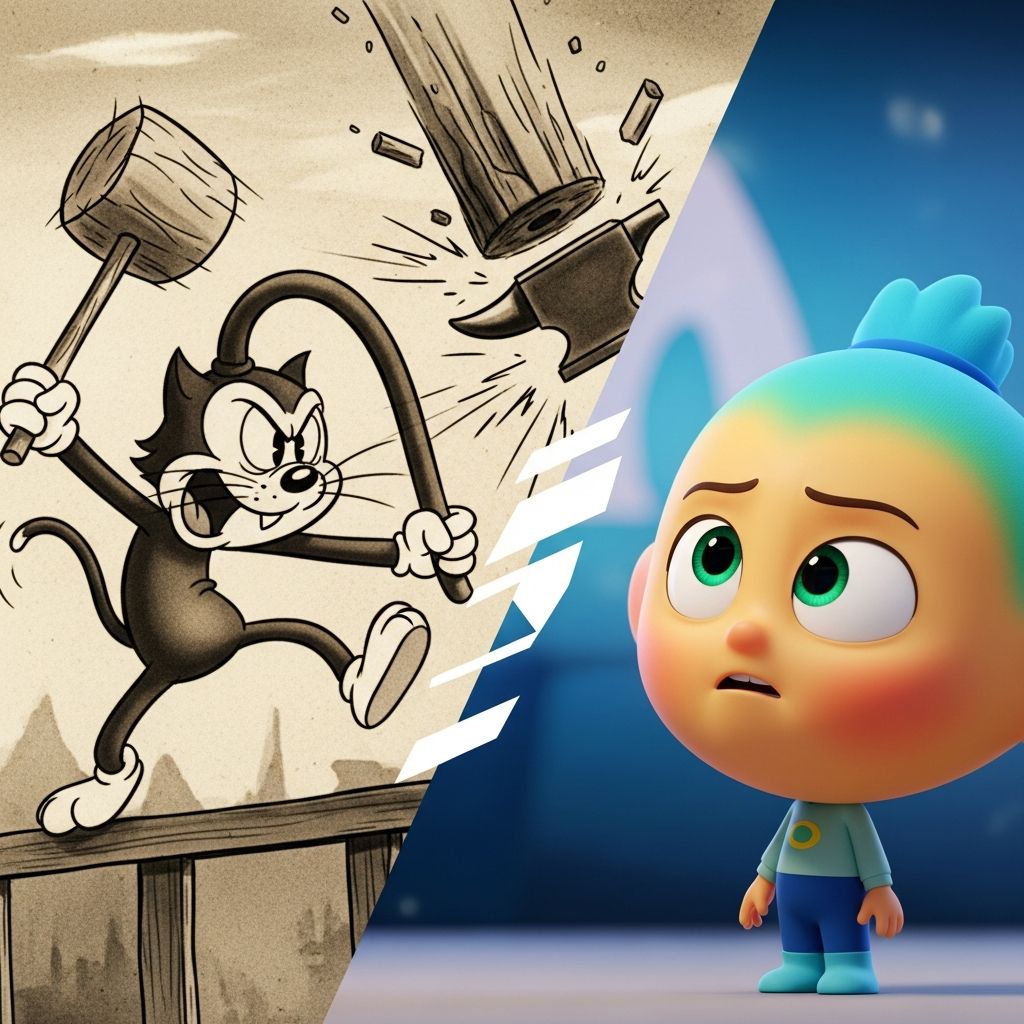
Generations grew up laughing at the slapstick antics and vibrant characters of classic animated series, but a fresh look through today’s lens reveals content that clashes with contemporary values. Themes of racial insensitivity, graphic violence, substance references, and cultural stereotypes abound in shows once deemed family-friendly. This article delves into why these retro gems now warrant parental caution, drawing from historical controversies and evolving media standards.
The Evolution of Children’s Animation Standards
Animation for kids has transformed dramatically since the mid-20th century. Early cartoons prioritized humor over sensitivity, often reflecting societal biases of their time. Post-1960s, networks began censoring episodes amid public outcry, leading to bans or edits. Today, platforms like streaming services apply stricter guidelines, prioritizing inclusivity and safety.
Research on animated content highlights persistent issues: a study analyzing race-related elements found overt racism in older works, influencing how networks handle reruns. Violence comparisons between past hits like The Flintstones and modern ones show escalation in intensity, prompting reevaluations.
Racial and Cultural Stereotypes in Vintage Animation
Many golden-age cartoons employed caricatures that mocked ethnic groups, a practice normalized then but reviled now. These depictions fostered harmful biases under the guise of comedy.
- Blackface and Jazz Parodies: The ‘Censored Eleven’—Warner Bros. shorts from the 1930s-1940s—featured exaggerated African American portrayals, including blackface and dice-gambling tropes tied to jazz music. Pulled from circulation in 1968, they exemplify early animation’s racist undertones.
- Asian and Middle Eastern Clichés: Episodes like Transformers‘ ‘Thief in the Night’ drew ire for over-the-top Middle Eastern stereotypes, while TaleSpin‘s Panda-La plot mirrored Pearl Harbor with offensive Asian caricatures, leading to its removal.
- Religious and Ethnic Satire: Rugrats Chanukah faced Anti-Defamation League criticism for grandparents resembling Nazi-era propaganda figures, despite defenses from creators.
These elements weren’t isolated; they permeated Looney Tunes and MGM shorts, where seven of the Censored Eleven invoked jazz stereotypes and religious mockery, like Clean Pastures parodying heaven with Black characters, violating Hayes Code standards.
Graphic Violence and Gun Play Concerns
Slapstick escalated to shocking levels in classics, with guns, blood, and death gags normalized. Modern parents balk at such intensity for impressionable minds.
| Cartoon | Controversial Scene | Outcome |
|---|---|---|
| Gargoyles – ‘Deadly Force’ | Character shot, writhing in blood pool | Banned initially, later edited sans blood |
| Tom and Jerry | Frequent cigar smoking and explosive violence | UK bans on smoking scenes |
| Darkwing Duck – ‘Hot Spells’ | Devil antagonist in Halloween special | Criticized for religious content |
Pokémon and others faced cuts for similar reasons, but classics like Daffy Duck‘s ‘Good Noose’—with hanging threats—rarely aired due to dark themes. The Simpsons swapped a Tourette’s gag for rabies to dodge ableism charges.
Substance Use and Mature Innuendos
Subtle nods to drugs and adult behaviors slipped past original censors, sparking modern debates.
- In Mighty Mouse: The New Adventures, a flower-sniffing scene was misconstrued as cocaine use by critics like Donald Wildmon, leading to a 3.5-second edit despite creator protests.
- Animaniacs thrived on boundary-pushing adult jokes, as in ‘Hercule Yakko,’ blending kid appeal with sly references.
- Daria, aimed at teens, explored drugs and non-heterosexual hints, discomforting censors despite its mature intent.
These instances highlight how ‘family’ programming often winked at older audiences, a tactic less tolerated today.
Religious and Political Sensitivities
Cartoons occasionally satirized faith or geopolitics, igniting backlash. Darkwing Duck‘s Beelzebub villain offended religious groups, while wartime propaganda in older shorts amplified stereotypes.
Political parodies, like Pokémon episodes evoking Hitler imagery, were yanked entirely. Such content underscores animation’s role in mirroring—and sometimes perpetuating—era-specific tensions.
Why Revisit These Classics with Caution?
Besides offense, exposure risks normalizing outdated views. Parents.com-style guides urge context: watch with kids, discuss biases, or opt for edited versions. Streaming often flags or omits problematic episodes, balancing nostalgia with safety.
Studies confirm cartoons shape perceptions; race-content analysis urges mindful viewing to counter biases. Violence metrics show classics outpacing modern shows in raw aggression.
Safer Alternatives for Today’s Families
Modern animations prioritize diversity: Bluey teaches empathy, Molly of Denali showcases Indigenous stories. Curate playlists via parental controls on Netflix or YouTube Kids.
- Discuss media during viewing to build critical thinking.
- Use resources from Common Sense Media for age ratings.
- Explore remakes like updated Looney Tunes Cartoons, scrubbed of issues.
Frequently Asked Questions (FAQs)
Are all classic cartoons inappropriate for kids?
No, many episodes remain fun and harmless, but parents should preview for red flags like stereotypes or violence. Edited compilations exist on major platforms.
Why were these cartoons censored back then?
Groups like the American Family Association or Anti-Defamation League protested specific content, leading networks to edit or ban amid shifting cultural norms.
Can I still show them to my children?
With supervision and discussion, yes—to teach history. Avoid unsupervised viewing for under-8s due to potential impacts on attitudes.
What caused the ‘Censored Eleven’ to be pulled?
United Artists withdrew them in 1968 over racist Black caricatures, including blackface and gambling tropes.
How has animation improved since then?
Diversity mandates and sensitivity training now guide creators, reducing biases while retaining humor.
Navigating Nostalgia in a Sensitive World
Retro cartoons capture joy but carry baggage. By understanding controversies—from Transformers stereotypes to Tom and Jerry vices—parents empower informed choices. Preserve the laughs, discard the lessons in prejudice.
References
- Controversial Cartoon Episodes — CBR. 2023-10-15. https://www.cbr.com/controversial-cartoon-episodes/
- Saturday Morning Cartoons: This Day in Awkward Animation History — Rooster Illusion Reviews. 2017-05-20. https://roosterillusionreviews.com/2017/05/20/saturday-morning-cartoons-this-day-in-awkward-animation-history-the-censored-eleven/
- 10 Scenes From Classic Cartoons That Didn’t Make It Past Censors — ScreenRant. N/A. https://screenrant.com/classic-cartoons-censors/
- Top 10 Times Classic Cartoons Were Censored — WatchMojo. N/A. https://www.watchmojo.com/articles/top-10-times-classic-cartoons-were-censored
- Race-Related Content of Animated Cartoons — PMC – NIH (Peer-reviewed). 2018-09-19. https://pmc.ncbi.nlm.nih.gov/articles/PMC6136259/
- Cartoon violence: A comparison of past and present — CORE (Academic). 2022-01-01. https://core.ac.uk/download/514714235.pdf