Preschoolers are drawn to screens with an intensity that can both impress and worry parents. Thoughtfully chosen TV shows can support language, social skills, and curiosity, but unfocused viewing can crowd out sleep, play, and real-world learning. This guide helps parents transform preschool TV time from a source of guilt into a tool they can use with confidence.
Why TV Choices Matter in the Preschool Years
Between ages three and five, children develop language, self-control, and social understanding at a rapid pace. Their brains absorb patterns, stories, and emotions from everything they see, including TV. That makes the quality of what they watch more important than the number of channels they have access to.
Instead of thinking only in terms of “good” or “bad” TV, it helps to ask: Does this show teach something worthwhile? Does it show caring relationships? Does it invite my child to think, imagine, or solve problems in age-appropriate ways?
Benefits of Well-Chosen Preschool Shows
High-quality preschool programs are created with specific learning goals in mind. While they do not replace play, books, or conversation, they can gently reinforce skills that children are already building in everyday life.
- Language growth: Clear, simple dialogue and repetition can expand vocabulary and model how people ask questions, explain ideas, and solve disagreements.
- Early academic skills: Many shows introduce letters, sounds, numbers, shapes, patterns, and basic science or nature concepts in a playful way.
- Social and emotional learning: When characters share, take turns, apologize, or manage big feelings, children see examples of how to handle their own friendships and frustrations.
- Imaginative play: Storylines about building, pretending, traveling, or exploring can spark rich pretend play later in the day.
Common Pitfalls of Preschool Screen Time
Even the most educational show becomes less helpful if it dominates a child’s day. Preschoolers still need large amounts of unstructured play, face-to-face interaction, and rest. Excessive or poorly timed screen use can push out these essentials.
- Overstimulation: Rapid scene changes, constant action, and loud sound effects can leave some children more irritable or wired afterward.
- Sleep disruption: Screens right before bed can make it harder for children to wind down, especially if the content is exciting.
- Passive habits: If TV becomes the default activity, children may lean less on toys, books, and outdoor play to fill their time.
Three Key Questions Before You Press Play
Instead of relying on advertising or popularity, parents can use a simple three-question filter whenever they evaluate a show for preschoolers.
- Is it age-appropriate? Look for gentle storylines, simple plots, and clear visuals your child can follow without being frightened or confused.
- Is there a clear takeaway? A good preschool show has an obvious purpose, such as teaching letters, modeling kindness, or encouraging curiosity about the world.
- Does it respect children? Respectful shows avoid constant teasing, unkind humor, or non-stop chaos. They treat children as capable learners rather than passive consumers.
Content Quality at a Glance
The table below offers a quick way to think about the overall quality of a preschool TV show. Parents can mentally rate the programs their child already watches and decide which ones deserve a place in the regular rotation.
| Element | Signs of High-Quality Content | Signs to Be Cautious About |
|---|---|---|
| Story and pacing | Simple, clear plots; pauses to let children think or respond; limited chaos. | Frantic action; constant shouting; confusing or scary storylines. |
| Characters and behavior | Kind, cooperative characters who solve problems calmly and respectfully. | Frequent yelling, name-calling, or mean jokes treated as harmless fun. |
| Educational focus | Specific learning goals (language, numbers, empathy, curiosity) woven into the story. | Random facts with no context or constant product tie-ins and catchphrases. |
| Visual style | Bright but not overwhelming colors; clear visuals; limited rapid cuts. | Flashing images, nonstop movement, or visuals that feel more like ads than stories. |
| Overall tone | Warm, reassuring, gentle humor; problems resolve in a way young children can understand. | Heavy sarcasm, frequent fear-based scenes, or unresolved conflicts. |
Types of Preschool Shows and What They Offer
Preschool television is not all the same. Different styles of shows emphasize different skills, and a balanced viewing diet can include several types rather than relying on just one favorite series.
- Skill-focused shows: These programs emphasize letters, sounds, numbers, or shapes. They often repeat key concepts, invite children to answer questions, and use songs or chants to help ideas stick.
- Emotion and friendship stories: Shows that concentrate on sharing, resolving conflicts, or understanding feelings help children practice empathy and self-regulation in a low-stakes way.
- Curiosity and discovery shows: Programs about nature, animals, basic science, or how things work introduce new topics that children may later explore through books or play.
- Imaginative adventure stories: Gentle adventures with clear resolutions fuel pretend play and creative thinking, especially when they involve building, exploring, or inventing.
Building a Healthy Screen-Time Routine
Once parents feel confident about the content, the next step is building a routine that fits the family’s values and schedule. It helps to treat TV as one part of the day, not the center of it.
- Set a daily limit: Many families find one to two short episodes—totaling under two hours—works well for preschoolers when balanced with outdoor play and hands-on activities.
- Choose predictable times: For example, after nap or while dinner is being cooked, rather than scattered moments throughout the day.
- Avoid screens right before bed: Replace evening viewing with calming routines like reading, talking about the day, or quiet play.
Making TV Time More Interactive
TV does not have to be entirely passive. With a few small changes, parents can turn viewing into a more active, brain-engaging experience.
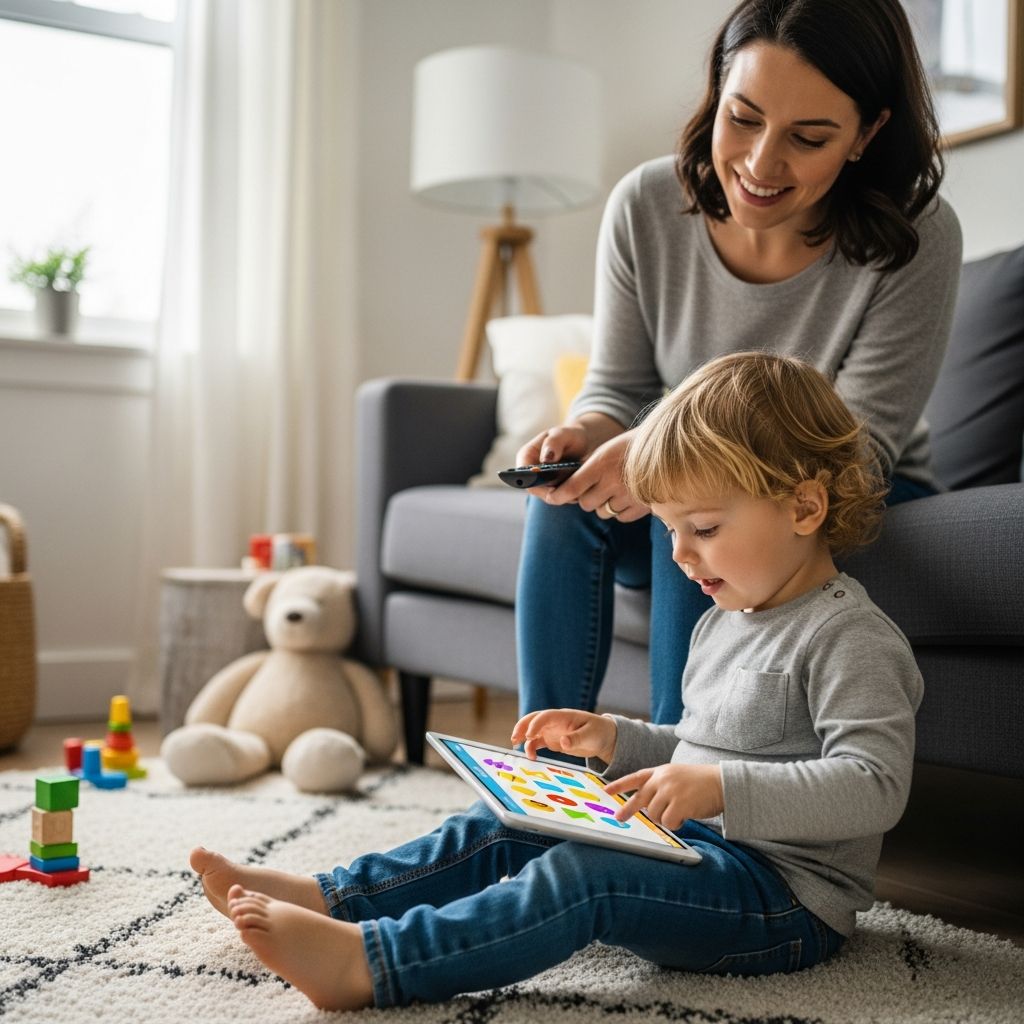
- Watch together when possible: Sitting with your child, even for a short segment, allows you to answer questions, explain confusing moments, or connect the story to real life.
- Pause and talk: Occasionally stopping the show to ask, “What do you think will happen next?” or “How does that character feel?” encourages thinking rather than zoning out.
- Follow up with play: After the episode, invite your child to act out the story, draw a character, or build something they saw on screen.
Practical Tips for Parents When Selecting Shows
Parents are often busy and may not have time to preview every episode. A few practical habits can make selection easier and more efficient over time.
- Create a short, approved list: Decide on a small group of shows that meet your standards and offer your child choices only within that list.
- Test new shows together: When trying something new, watch the first episode with your child and pay attention to their mood and behavior during and after.
- Rely on trusted ratings and reviews: Independent, child-focused reviews are more useful than promotional descriptions when judging whether something is truly age-appropriate.
- Be ready to drop a show: If a program leads to more acting out, fears, or obsession with toys and products, it may simply not be a good fit for your child, even if it is labeled “educational.”
Linking Screen Time to Real-Life Learning
The most powerful use of preschool TV comes when parents connect what appears on the screen to experiences in the real world. This makes abstract ideas concrete and shows children that learning does not stop when the episode ends.
- Bring episodes into daily routines: If a show features counting or sorting, you can count steps together, sort laundry by color, or match socks afterward.
- Use new vocabulary in conversation: Repeat words from the show later in the day during ordinary activities so your child can practice them in a different context.
- Plan simple activities inspired by shows: A story about planting seeds can lead to a small windowsill garden; an episode about feelings can lead to drawing faces that show different emotions.
Managing Siblings and Mixed Ages
Many households include older or younger siblings who share the same screen. It can be tricky to select programming that is safe and useful for preschoolers but not boring for older children.
- Prioritize the youngest viewer: For shared TV time, choose shows that are appropriate for the preschooler. Older siblings can watch more advanced content when younger children are not in the room.
- Use headphones or separate devices carefully: In some families, an older child uses headphones for their own show while the preschooler watches something gentler. Parents should still set limits on total screen time for everyone.
- Encourage joint play after viewing: Ask siblings to build, draw, or act out story elements together to keep their shared time from being purely screen-based.
Signs a Show Is Working Well for Your Child
Parents often wonder whether a show is actually helpful. Your child’s behavior and language provide clues about whether a program is supporting or undermining your goals.
- Positive signs: Your child talks about the story, uses new words in context, pretends to be a character in play, or mentions kind actions they saw.
- Worrisome signs: Your child becomes more aggressive, anxious, clingy, or insistent on watching one show at all costs, or imitates unkind behavior from the screen.
- Neutral signs: Some shows simply entertain without causing trouble or obviously teaching much. These may be fine in small doses but do not need to be daily staples.
Frequently Asked Questions About Preschool TV
How much TV is reasonable for a preschooler?
Many experts suggest keeping recreational screen time for preschoolers to around one to two hours per day or less, depending on the child and the family’s circumstances. The most important question is whether viewing is pushing aside sleep, physical activity, hands-on play, and face-to-face interaction.
Is it okay to use TV so I can get things done?
Parents often rely on short periods of TV to cook dinner, take a phone call, or manage other responsibilities. Using a carefully chosen show as a tool in these moments can be reasonable, especially if overall screen use stays within the limits you have set and is balanced with rich, offline time together.
Should I worry if my child loves one show and wants nothing else?
It is common for preschoolers to fixate on one favorite program for a period of time and ask for it repeatedly. As long as the show is age-appropriate, kind in tone, and not leading to behavioral problems, this phase is usually harmless, though parents can still gently introduce variety.
What if my child copies rude behavior from a show?
When children mimic rude phrases or rough play they have seen, it can be a sign that the program is not a good match. You can calmly explain that those behaviors are not okay in your family’s home, and then consider replacing the show with one that models more respectful interactions.
Do educational shows replace the need for preschool or books?
TV shows, even high-quality ones, cannot replace real-world relationships, hands-on activities, or shared reading. They are best viewed as one tool among many, useful in moderation and most effective when paired with conversation, play, and experiences that involve all of a child’s senses.
Creating a Family Plan for Screens
Every family’s situation is unique, but a simple written plan can reduce daily negotiations and give children clear expectations. Parents can consider the times of day when TV is allowed, which shows are on the approved list, and what must happen before the screen turns on (for example, getting dressed, playing outside, or putting toys away).
When children know in advance what to expect, they are less likely to beg constantly for more viewing. Over time, a consistent routine and thoughtful choices help preschoolers learn that screens are a small, enjoyable part of life, not the main event.