Children’s television captivates young minds with colorful characters and engaging stories, but it also sparks endless parental debates. From worries about attention spans to questions on educational value, understanding the science behind kids’ shows empowers families to make informed choices. This comprehensive guide draws on peer-reviewed studies to tackle common concerns, offering practical strategies for balanced screen use.
Understanding Screen Time Guidelines for Young Children
One of the first questions parents ask revolves around how much TV is safe. Major health organizations recommend strict limits: no screens for children under 18 months except video chats, and at most 1 hour per day of high-quality programming for ages 2-5. These guidelines stem from evidence linking excessive exposure to developmental delays.
Research shows preschoolers often exceed these limits, averaging over 90 minutes daily, which correlates with attention and self-regulation issues. For instance, a study of 4-year-olds found that even brief exposure to certain shows temporarily hampers executive function—skills like focus and impulse control essential for learning. Parents can track usage with device timers and prioritize interactive play instead.
- Set daily limits based on age: 0-18 months (none), 18-24 months (minimal with guidance), 2-5 years (1 hour max).
- Choose ad-free, age-appropriate content from trusted platforms.
- Combine screens with physical activity to offset sedentary time.
The Hidden Dangers of Fast-Paced Cartoons
Fast-paced shows with rapid scene cuts and flashy effects dominate kids’ programming, but they may do more harm than good. A landmark experiment exposed 4-year-olds to 9 minutes of a high-speed cartoon, an educational one, or drawing. The fast-paced group performed worse on executive function tasks, like delay-of-gratification and problem-solving, compared to others—even after controlling for prior attention levels.
This overstimulation taxes young brains, diverting resources from processing to mere reaction. A 2024 review confirmed that kids aged 2-7 who watched such programs switched tasks more often and sustained focus less during subsequent activities. Long-term, this pattern fosters impulsivity and shorter attention spans, mimicking ADHD-like behaviors without the diagnosis.
| Show Type | Key Features | Impact on Kids |
|---|---|---|
| Fast-Paced (e.g., certain cartoons) | Quick cuts (<3 sec/scene), loud effects | Impaired executive function, reduced focus |
| Educational/Slow-Paced | Steady narrative, realistic visuals | Better retention, no EF decline |
| Interactive/Drawing | Self-directed activity | Optimal for self-regulation |
To mitigate, opt for slower-paced options that encourage thoughtful engagement over sensory overload.
Does TV Really Shape Behavior and Emotions?
Concerns about aggression from violent content are valid. Classic research indicates that programs with aggressive themes increase disobedience and hostile play in viewers. Modern studies extend this to emotional dysregulation: toddlers with high TV exposure show poorer soothability and attention, struggling to calm down or redirect focus.
Overstimulation from vibrant, chaotic visuals disrupts ‘hot’ executive functions—those handling emotions—leading to irritability and poor self-control. Cultural factors may modulate effects; for example, family viewing practices influence how TV impacts regulation across societies. Positive role models in pro-social shows can counter this, promoting empathy if discussed.
Picking Educational Gems Amid Entertainment Clutter
Not all screens are equal. High-quality educational TV boosts vocabulary and social skills when paired with parent interaction. Studies differentiate: interactive apps improve working memory, while passive fast-paced viewing harms it. Look for shows emphasizing repetition, real-world scenarios, and problem-solving without frenzy.
Parent involvement amplifies benefits—pausing to question ‘What happens next?’ turns passive watching into active learning. Evidence from EEG studies links early screen overexposure to brain wave changes predictive of later attention deficits.
- Criteria for top picks: Curriculum-based, diverse characters, minimal ads.
- Examples: Programs teaching letters via stories, not speed.
- Avoid: Those with >5 scene changes per minute.
Co-Viewing: Turning TV into Family Learning Time
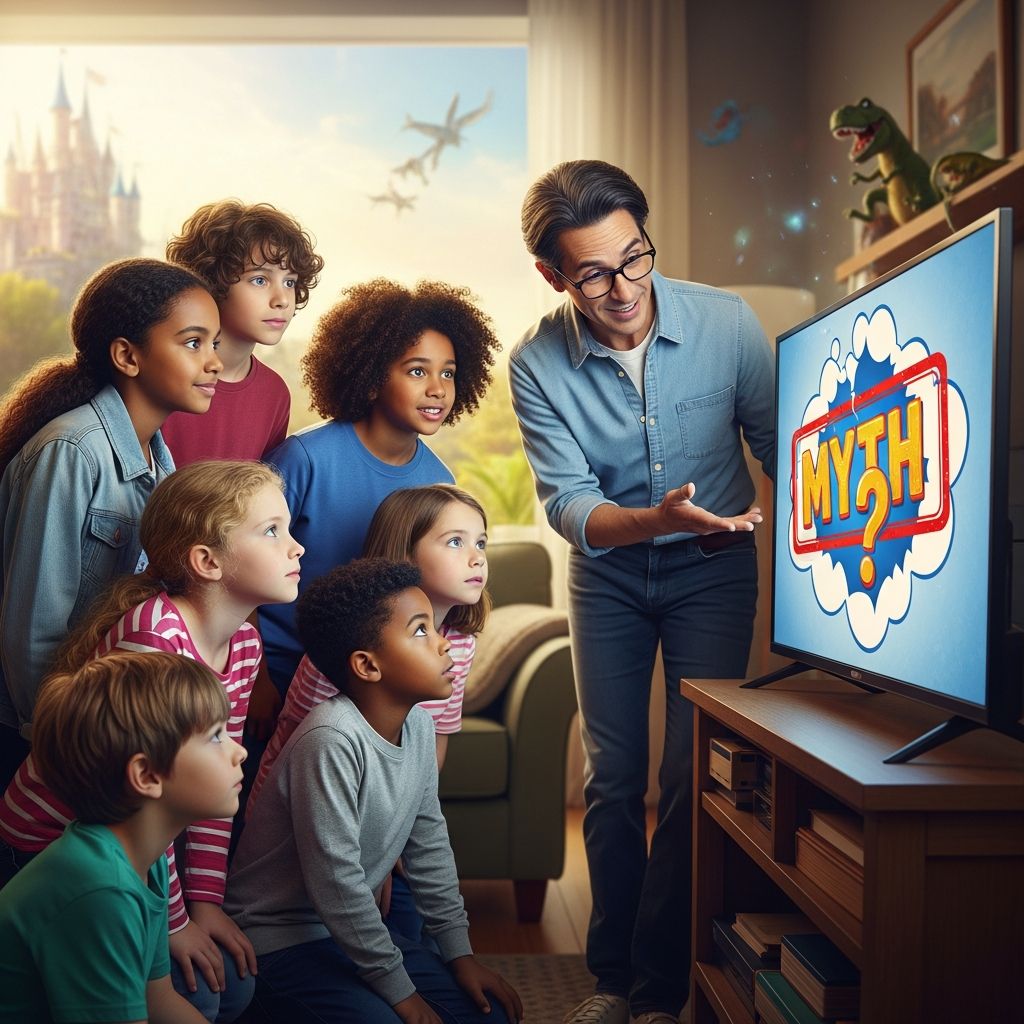
Background TV distracts from play and parent-child bonds, reducing engagement. Active co-viewing flips the script: Discuss plots, relate to real life, and reinforce lessons. This buffers negative effects, enhancing language and emotional growth.
Experts advise sitting together, commenting meaningfully: ‘How did the character feel?’ Such interactions rebuild executive resources depleted by screens.
Navigating Ads, Violence, and Stereotypes
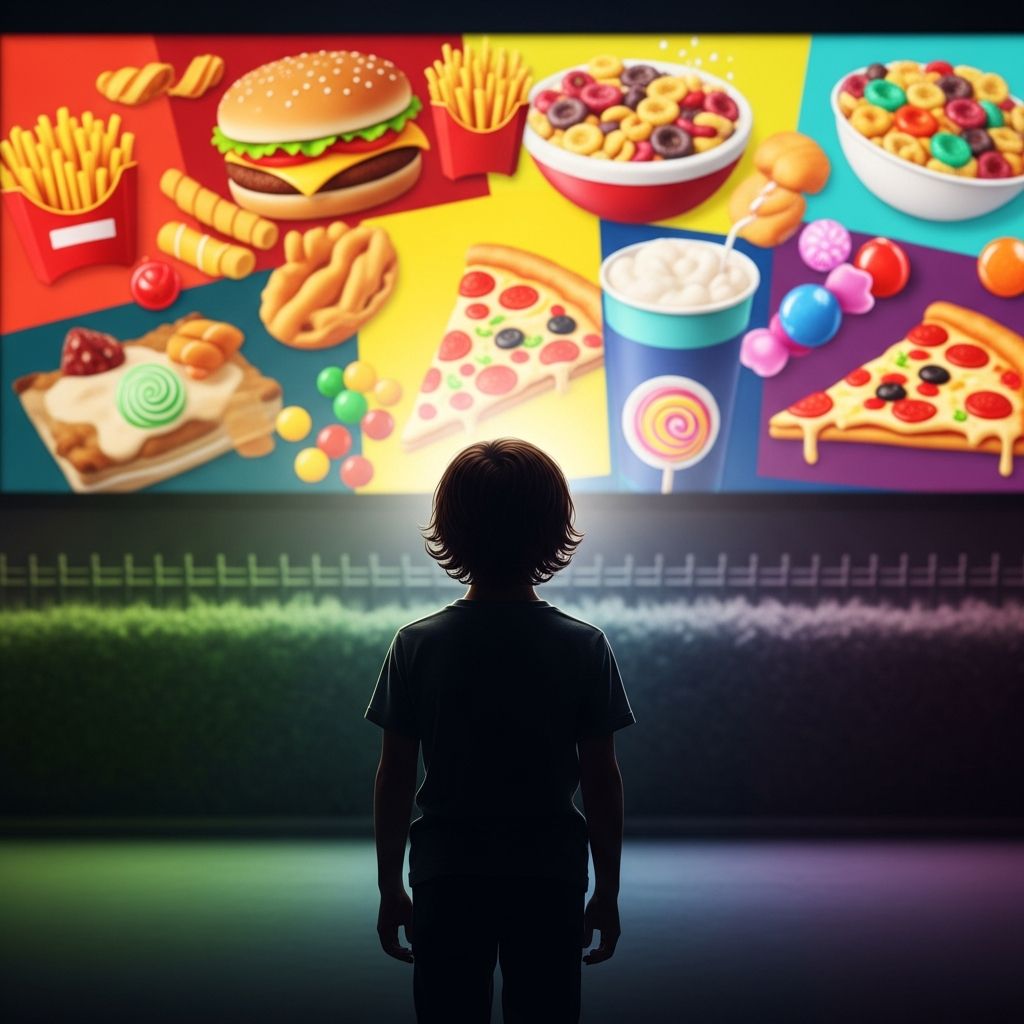
Commercials manipulate young viewers, pushing unhealthy foods and toys. Limit to public channels. Violence, even cartoonish, models aggression. Stereotypes in gender roles or ethnicity shape perceptions—choose inclusive content.
A table of red flags:
| Content Red Flag | Risk | Solution |
|---|---|---|
| Embedded ads/toys | Materialism, poor choices | Ad-free streaming |
| Violence/fights | Increased aggression | Pro-social alternatives |
| Stereotypes | Biased views | Inclusive shows |
Screen Strategies for Different Age Groups
Tailor rules by developmental stage. Infants: Zero tolerance to protect neural wiring. Toddlers: Short, guided sessions. Preschoolers: 1-hour cap with variety.
Replace screens with books, puzzles—activities building true executive function. Track progress: If tantrums rise post-viewing, cut back.
Long-Term Brain Effects: What Science Reveals
Excessive early exposure alters brain development. JAMA Pediatrics linked >2 hours at 12 months to EEG shifts forecasting poor EF at age 9. Yet, moderation with quality content shows no such harm—and potential gains.
Parents report calmer kids with routines swapping TV for outdoor time. Balance is key: Screens as tools, not babysitters.
Frequently Asked Questions (FAQs)
Is all children’s TV bad for attention spans?
No, but fast-paced shows temporarily impair focus and self-control in preschoolers, per studies on 4-year-olds.
How much screen time is safe under age 2?
None except video calls; brains need real interactions for optimal development.
Can educational shows replace reading?
They supplement but don’t replace; co-reading builds stronger bonds and skills.
What if my child begs for more TV?
Use timers, offer choices like ‘park or puzzle?’, and model non-screen fun.
Does background TV harm babies?
Yes, it disrupts play and attention even unheard.
Are tablets better than TV?
Interactive ones can aid memory if moderated; passive viewing risks remain.
Implementing these insights fosters healthier habits. Families thrive when screens enhance, not eclipse, real-world wonders.
References
- The Immediate Impact of Different Types of Television on Young Children’s Executive Function — Lillard AS, Li H, et al. Pediatrics. 2015-02-01. https://pmc.ncbi.nlm.nih.gov/articles/PMC9923845/
- This top 10 kid’s show actually hurts development — MDLinx (citing BMC Psychology 2024 review, JAMA Pediatrics). 2024. https://www.mdlinx.com/article/this-top-10-kid-s-show-actually-hurts-development/1hVi0uNITiQ8zXOKEoVIem
- Considering the Impacts of Television Exposure on Toddlers’ Dysregulation: Does Culture Matter? — Child and Family Blog. Recent. https://childandfamilyblog.com/considering-the-impacts-of-television-exposure-on-toddlers-dysregulation-does-culture-matter/
- The impact of television on children and clinical practice — PubMed. 1991. https://pubmed.ncbi.nlm.nih.gov/2073232/
- Television and Children’s Executive Function — University of Virginia OpenScholar. Recent. https://uva.theopenscholar.com/files/early-development-lab/files/television_and_children_8.pdf