The spleen is a small organ with a big job in your child’s immune system and blood health. Even though it often goes unnoticed, it quietly helps fight infections and filters the blood every single day.
This guide explains what the spleen does, where it is, how it can get injured or sick, and what parents should watch for. It is written in clear language to help you feel more confident when talking with your child’s doctor.
Where the Spleen Lives and What It Looks Like
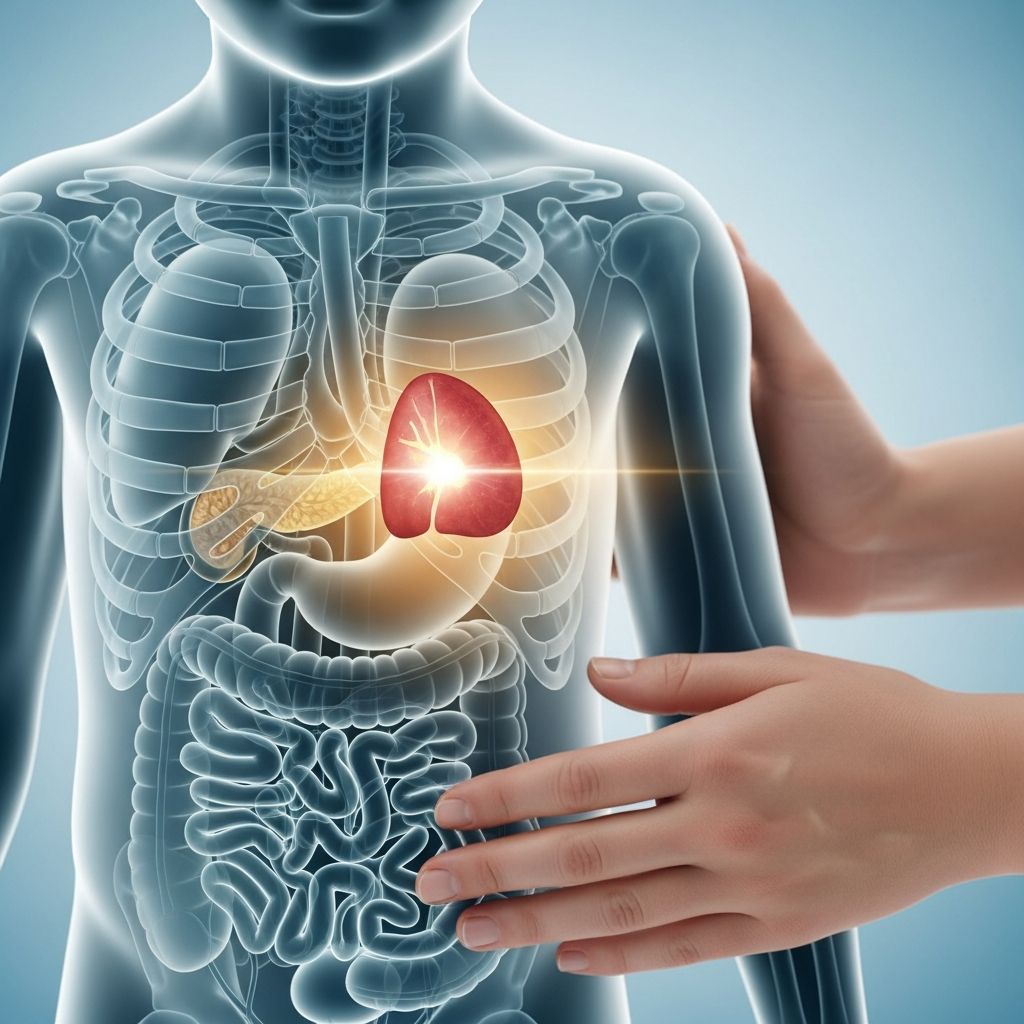
The spleen sits high on the left side of the upper belly, tucked under the rib cage and close to the stomach. Because it is protected by the ribs, bumps and falls do not usually harm it, but strong blows to the left side can sometimes cause injury.
- Location: upper left abdomen, just under the ribs
- Shape and feel: soft, spongy organ shaped a bit like a small fist or oval
- Size: in children, it grows as they grow but usually cannot be felt by gentle pressing unless it is enlarged
Doctors sometimes check for spleen size by carefully feeling the upper left abdomen. Imaging tests like ultrasound or CT scans may be used if a closer look is needed.
What the Spleen Does for Your Child
The spleen works like a security checkpoint and recycling center for the blood. It filters out what is worn out or harmful and supports the body’s defenses against germs.
- Filters blood: removes older or damaged red blood cells and some germs
- Helps immunity: stores and activates certain white blood cells that fight infection
- Manages blood cells: helps control levels of red blood cells, white blood cells, and platelets
- Stores extra blood: can hold a small reserve of blood that may be released in certain situations
Because of these roles, problems with the spleen can affect how well your child fights infections and how their blood works.
How the Spleen Helps Fight Infections
The spleen is part of the immune system, which protects the body from bacteria, viruses, and other germs. It contains special white blood cells that recognize and attack invaders that travel in the bloodstream.
- It helps the body make antibodies, which are proteins that tag germs for destruction.
- It traps certain bacteria that are especially dangerous if not quickly removed from the blood.
- It supports nearby lymph nodes and other immune tissues that also help fight illness.
This is why children without a working spleen need extra protection, such as vaccines and careful monitoring for fevers.
Everyday Jobs: Cleaning and Recycling Blood
Red blood cells carry oxygen throughout the body. Over time, they wear out and need to be replaced. The spleen helps handle this process efficiently.
- Old red blood cells are broken down into useful parts.
- Parts like iron are saved and sent back to the bone marrow to make new red blood cells.
- Platelets, which help blood clot, can also be stored and released when the body needs them.
When the spleen is not working properly, the balance of blood cells can change. This might lead to anemia (too few red blood cells), low platelets, or other blood count problems that a doctor can see on a blood test.
Common Spleen Problems in Children
Spleen issues in children can come from infections, blood disorders, injuries, or conditions a child is born with. Some problems are mild and go away on their own; others need close medical care.
- Enlarged spleen (splenomegaly): the spleen becomes bigger than usual, often due to infection, blood disease, or other medical conditions.
- Injury or rupture: a strong hit to the left side of the body, such as from sports or a car crash, can damage the spleen.
- Inherited blood disorders: conditions like sickle cell disease or some forms of anemia can affect how the spleen works.
- Infections: certain viral or bacterial infections can temporarily swell the spleen.
Your child’s doctor may order blood tests, imaging, or other exams to understand what is causing spleen changes and how serious they are.
Warning Signs Parents Should Watch For
Spleen problems can sometimes be silent, especially early on. Still, there are certain symptoms that should prompt a call to a healthcare provider.
- Pain or tenderness under the left ribs, sometimes going to the left shoulder
- Fullness or discomfort after eating only a small amount
- Unusual tiredness, paleness, or shortness of breath
- Easy bruising or frequent nosebleeds
- Fevers, chills, or repeated infections
- Sudden severe abdominal pain after a fall, tackle, or accident
Any sudden, severe belly pain, especially with dizziness, faintness, or trouble breathing, is an emergency and should be checked right away.
When the Spleen Is Enlarged
An enlarged spleen means it is bigger than expected for your child’s age and size. Often, this is discovered during a routine exam, an illness visit, or on an imaging test.
- Some infections, such as certain viral illnesses, can temporarily enlarge the spleen.
- Blood disorders may cause the spleen to work harder and grow larger.
- Occasionally, other medical conditions affect blood flow or immune cells and lead to spleen enlargement.
Children with enlarged spleens are usually told to avoid contact sports and rough play until the problem improves. This lowers the risk of the enlarged spleen being injured.
Protecting the Spleen from Injury
Most children can play, run, and join sports without thinking about their spleen at all. However, certain situations call for extra care, especially if a child already has an enlarged spleen or a spleen condition.
- Follow your doctor’s advice about sports if your child has a known spleen problem.
- Use seat belts and appropriate car seats every time your child rides in a vehicle.
- Encourage safe play and proper protective gear for high-impact sports.
If your child has a medical condition that affects the spleen, talk with the care team about which activities are safe and what warning signs should lead to urgent care after an injury.
How Doctors Check the Spleen
To understand how your child’s spleen is doing, health professionals use a mix of questions, physical exams, and tests. The goal is to find problems early and treat them appropriately.
| Method | What It Involves | What It Can Show |
|---|---|---|
| Physical exam | Doctor gently presses on the upper left abdomen | Whether the spleen feels enlarged or tender |
| Blood tests | Small blood sample from a vein or finger | Levels of red cells, white cells, and platelets |
| Ultrasound | Sound waves create pictures of the spleen | Size, shape, and possible injury or growths |
| CT or MRI scan | Detailed imaging in a hospital or imaging center | Complex injuries or conditions needing close detail |
Not every child with a spleen concern needs all of these tests. The doctor will choose based on symptoms, exam findings, and overall health.
What If the Spleen Is Removed or Does Not Work Well?
In some situations, the spleen may be badly damaged or diseased and must be removed. In other cases, it may still be present but not function properly. Although this sounds frightening, many children live active, healthy lives without a working spleen.
- Other parts of the immune system pick up many of the spleen’s jobs.
- Certain vaccines and, in some cases, daily antibiotics are used to reduce infection risk.
- Parents and older children learn to treat fevers and infections as urgent concerns.
If your child’s spleen has been removed or does not function normally, you will receive a plan from the healthcare team describing vaccines, medications, and steps to take if your child becomes ill.
Helping Your Child Stay Healthy
There is no special diet or exercise that directly “strengthens” the spleen, but general healthy habits support the immune system and overall well-being.
- Make sure your child gets all recommended vaccines.
- Encourage handwashing and good hygiene to lower infection risk.
- Promote regular physical activity appropriate for your child’s health status.
- Ensure enough sleep and a balanced diet rich in fruits, vegetables, whole grains, and lean proteins.
Regular checkups give doctors a chance to notice any early signs of spleen problems or related conditions, especially in children with known blood or immune issues.
Talking to Your Child About the Spleen
Explaining medical topics to children can be challenging. Using simple language and clear examples can reduce fear and confusion, especially if your child needs tests, activity limits, or surgery.
- Describe the spleen as a “helper” that cleans the blood and fights germs.
- Use age-appropriate pictures or children’s health books if available.
- Encourage your child to ask questions and share worries.
Let your child’s healthcare team know if your child is especially anxious. They often have child-friendly ways to explain tests and treatments.
Key Takeaways for Parents
- The spleen is a small organ on the left side of the upper abdomen that filters blood and helps fight infections.
- Most children never have spleen problems, but infections, blood disorders, or injuries can sometimes affect it.
- Warning signs include left-sided belly pain, easy bruising, extreme tiredness, frequent infections, or sudden pain after an injury.
- Children without a working spleen can live full lives but need extra protection against certain infections.
FAQs About Children’s Spleens
Is the spleen essential for life?
The spleen is very helpful but not absolutely required for survival. If it is damaged or removed, other organs and tissues take over many of its jobs. Children without a working spleen need careful infection prevention, including specific vaccines and sometimes long-term antibiotics.
Can my child play sports with a spleen problem?
Whether a child can safely play contact sports depends on the type and severity of the spleen issue. An enlarged or injured spleen is more likely to rupture with a direct blow, so doctors often recommend avoiding activities like football, hockey, or rough martial arts until it is safe again.
What should I do if my child has a hard hit to the left side?
If your child experiences a strong blow to the left upper belly or lower left ribs and then has pain, dizziness, faintness, or difficulty breathing, seek emergency care immediately. Even if the symptoms are mild, contacting your child’s doctor is wise if you are concerned about possible spleen injury.
How will I know if my child’s spleen is enlarged?
Most parents cannot tell at home if a spleen is enlarged. A healthcare provider can often feel a large spleen during an exam and may confirm it with an ultrasound or other imaging test. If your child has a condition that commonly enlarges the spleen, the doctor will usually check for this during regular visits.
Does my child need special vaccines if the spleen is removed?
Children whose spleens are removed or do not work well usually need vaccines against specific bacteria that can cause serious infections. The healthcare team will outline which vaccines are needed and when, and may also recommend booster doses over time.
Can spleen problems run in families?
Some conditions that affect the spleen, such as certain blood disorders, can be inherited. If there is a family history of blood diseases or spleen removal, sharing this information with your child’s doctor helps guide testing and monitoring.
When should I call the doctor about spleen concerns?
Contact your child’s doctor if you notice persistent abdominal pain on the left side, easy bruising, unusual tiredness, frequent infections, or if your child has a known spleen problem and develops a fever. For sudden severe pain, weakness, or trouble breathing, seek emergency care right away.
Understanding the spleen’s role helps parents feel more prepared if a problem arises. With the right information and good communication with your child’s medical team, you can support your child’s health and respond quickly to any concerns involving this small but important organ.