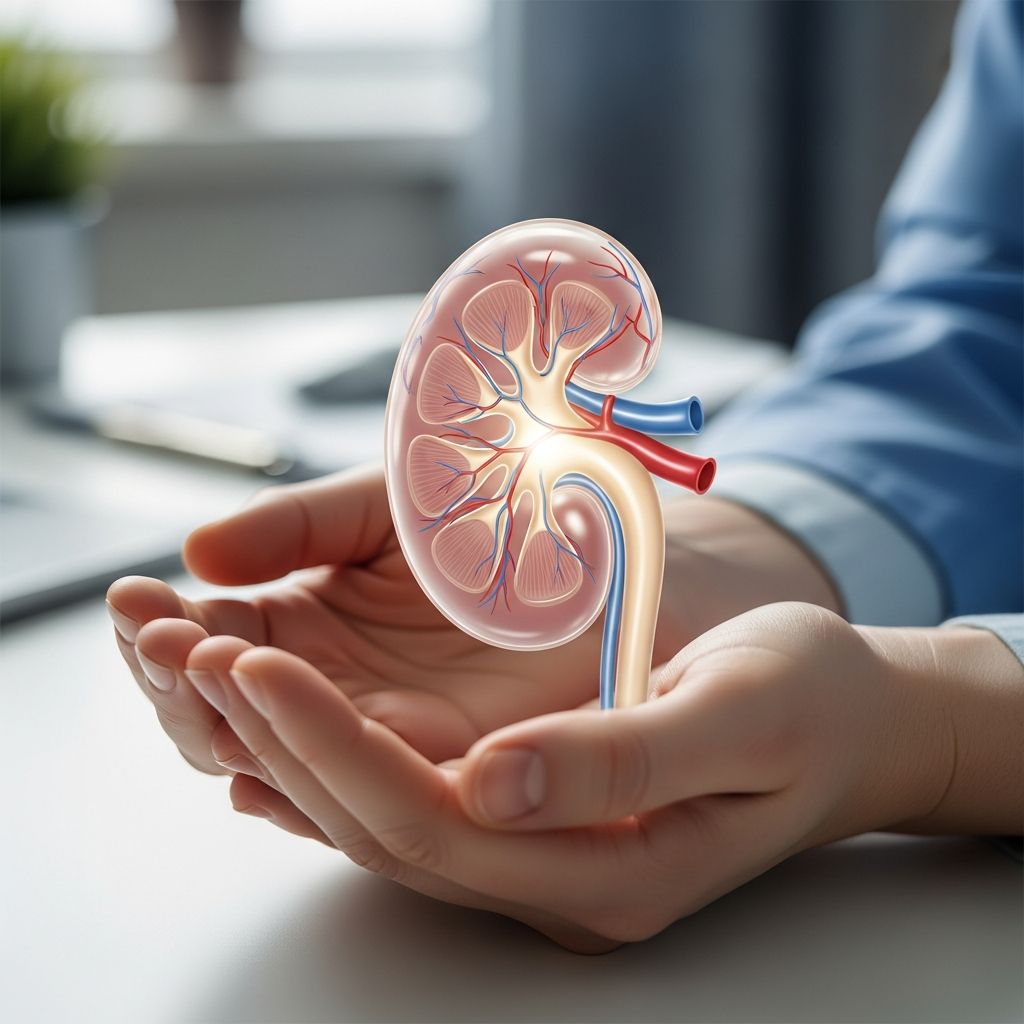
Protecting your child’s cardiovascular system starts with understanding common risks, recognizing warning signs, and adopting healthy habits early. This guide draws on recent data to empower parents with actionable knowledge.
Understanding Congenital Heart Defects in Newborns
Congenital heart defects (CHDs) represent the most frequent birth defects, impacting nearly 1% of births annually in the United States, or about 40,000 infants each year. These structural abnormalities in the heart occur during fetal development and range from mild issues that may resolve without intervention to critical conditions requiring surgery in the first year of life. Approximately 1 in 4 babies with CHDs have a critical form, necessitating prompt medical attention.
The prevalence varies by type, with ventricular septal defects being the most common. Data from 2010 indicates that 1 in 250 to 1 in 59 children and teens lived with a heart defect, and recent trends show some mild types increasing while others stabilize. Globally, in 2021, over 4.18 million children under five had CHDs, marking a 3.4% rise since 1990.
| Type of Defect | Prevalence (US per 1000 births) | Critical? |
|---|---|---|
| Ventricular Septal Defect | Most common | No |
| Critical CHDs (overall) | ~2.5 | Yes |
| Atrial Septal Defect | Common mild | No |
CHDs were responsible for 23% of infant deaths from birth defects in 2022, underscoring their severity despite advances in care. Early screening via prenatal ultrasounds and newborn pulse oximetry can detect many cases, allowing timely intervention.
Acquired Heart Conditions in Young Children
Beyond birth defects, children can develop acquired heart issues like Kawasaki disease, which affects over 4,000 US children yearly and is a leading cause of acquired heart disease in those under five. This inflammatory condition can damage coronary arteries if untreated, highlighting the need for rapid diagnosis through fever monitoring and specific symptoms.
High blood pressure emerges as another concern, with 13.3% of children aged 8-17 showing elevated levels in 2015-2016 data. Risk factors include obesity, family history, and poor diet. Cholesterol levels in kids aged 6-11 averaged 157.3 mg/dL, with 7.1% having adverse totals.
Risks from Lifestyle Factors: Obesity and Inactivity
Childhood obesity strains the heart, with CDC estimates showing nearly 1 in 5 children affected, contributing to early hypertension and dyslipidemia. From 2015-2018, 35% of children aged 2-19 were overweight or obese, with obesity rates at 19% overall. NHANES data to 2020 reported 12.7% obesity in ages 2-5, rising to 22.2% in 12-19 year olds.
Physical inactivity exacerbates this; only 25.2% of 6-11 year olds met the 60-minute daily activity guideline in 2022, dropping to 12.9% for 12-17 year olds. Sedentary behaviors increase risks for type 2 diabetes, which alongside type 1 affected 352,000 youths under 20 in 2021.
- Daily exercise: Aim for 60 minutes of moderate-to-vigorous activity.
- Screen time limits: Under 2 hours recreational per day.
- Family involvement: Model active lifestyles to encourage kids.
Sudden Cardiac Events and Sports Safety
Sudden cardiac arrest (SCA) strikes about 2,000 seemingly healthy youths under 25 annually in the US. Out-of-hospital cardiac arrests in 2023 saw 15.9% survival to discharge for ages 1-18, with infants faring worse at 17%. Sports-related SCA accounts for 39% of cases in some regions.
Pre-participation screenings, including ECGs for high-risk athletes, can identify hypertrophic cardiomyopathy or channelopathies. Parents should watch for chest pain, unexplained fainting, or family history of early cardiac death.
Stroke and Other Rare Cardiovascular Issues in Kids
Pediatric stroke incidence is higher in newborns (1/3500 live births) than older children (1-2/100,000). Cardiac diseases cause 28% of childhood ischemic strokes, with recurrence risks up to 12% within a year. Early recognition of weakness, seizures, or speech issues is critical.
Prevention Strategies for Lifelong Heart Wellness
Building heart-healthy habits begins prenatally. Maternal health—avoiding smoking, managing diabetes, and folic acid intake—lowers CHD risks. Postnatally:
- Balanced nutrition: Emphasize fruits, vegetables, whole grains; limit sugars and salts.
- Regular check-ups: Monitor BP, weight, and cholesterol from age 3.
- Sleep hygiene: 9-12 hours nightly for school-age kids.
Family meals foster better eating patterns, reducing obesity odds by 12% per shared meal study insights suggest.
| Age Group | Recommended Activity | BP Screening |
|---|---|---|
| 2-5 years | 3+ hours active play | Annually if risks |
| 6-11 years | 60 min/day | Every 3 years |
| 12-17 years | 60 min/day | Annually |
Recognizing Symptoms and When to Seek Help
Common signs include rapid breathing, poor feeding in infants, fatigue during play, or blue-tinged skin. For older kids: dizziness, leg swelling, or irregular heartbeats. Critical defects often present with cyanosis or failure to thrive.
Emergency signs: sudden collapse, severe chest pain, or fainting during exertion—call 911 immediately. Routine well-visits catch many issues early.
Treatment Options and Advances in Pediatric Cardiology
Interventions range from medications and catheter procedures to open-heart surgery. Survival rates have soared; most CHD patients now reach adulthood. Minimally invasive techniques and fetal surgeries represent cutting-edge progress.
Long-term, 1.4 million US adults live with CHDs, emphasizing transition to adult care.
Frequently Asked Questions (FAQs)
What causes congenital heart defects?
Most CHDs result from complex genetic and environmental interactions; only 15-20% link to known syndromes or exposures.
How can I prevent heart issues in my child?
Promote healthy weight, activity, and diet; avoid tobacco exposure; ensure prenatal vitamins.
Is screening mandatory for sports?
Many states require pre-sports EKGs or history reviews to prevent SCA.
What is the outlook for kids with CHDs?
With treatment, 90%+ survive to adulthood, though lifelong monitoring is needed.
Does family history increase risks?
Yes, siblings of CHD patients have 2-3x higher risk.
Empowering Families for Heart-Healthy Futures
By staying informed and proactive, parents can significantly mitigate risks. Collaborate with pediatricians, leverage school programs, and celebrate small wins in healthy living. Heart health is a foundation for thriving childhoods.
References
- Data and Statistics | Congenital Heart Defects (CHDs) – CDC — Centers for Disease Control and Prevention. 2023. https://www.cdc.gov/heart-defects/data/index.html
- Pediatric Heart Conditions: More Common than Parents Would Think — RWJBarnabas Health. 2023-10. https://www.rwjbh.org/blog/2023/october/pediatric-heart-conditions-more-common-than-pare/
- 2025 Heart Disease & Stroke Statistics Update Fact Sheet Children & CVD — American Heart Association. 2025. https://professional.heart.org/-/media/phd-files-2/science-news/2/2025-heart-and-stroke-stat-update/factsheets/2025-stats-update-fact-sheet-children-and-cvd.pdf
- 2022 Heart Disease & Stroke Statistical Update Fact Sheet Children & CVD — American Heart Association. 2022. https://professional.heart.org/-/media/PHD-Files-2/Science-News/2/2022-Heart-and-Stroke-Stat-Update/2022-Stat-Update-factsheet-Children-and-CVD.pdf
- Global, regional, and national epidemiology of congenital heart disease — PMC/NCBI. 2024. https://pmc.ncbi.nlm.nih.gov/articles/PMC12122482/
- Trends in Parenting Heart-Healthy Children in 2022 — Lurie Children’s Hospital. 2022. https://www.luriechildrens.org/en/blog/childrens-heart-health-statistics/
- Sudden Cardiac Arrest in Young People — American Academy of Pediatrics. 2023. https://www.healthychildren.org/English/health-issues/injuries-emergencies/sports-injuries/Pages/Sudden-Cardiac-Death.aspx