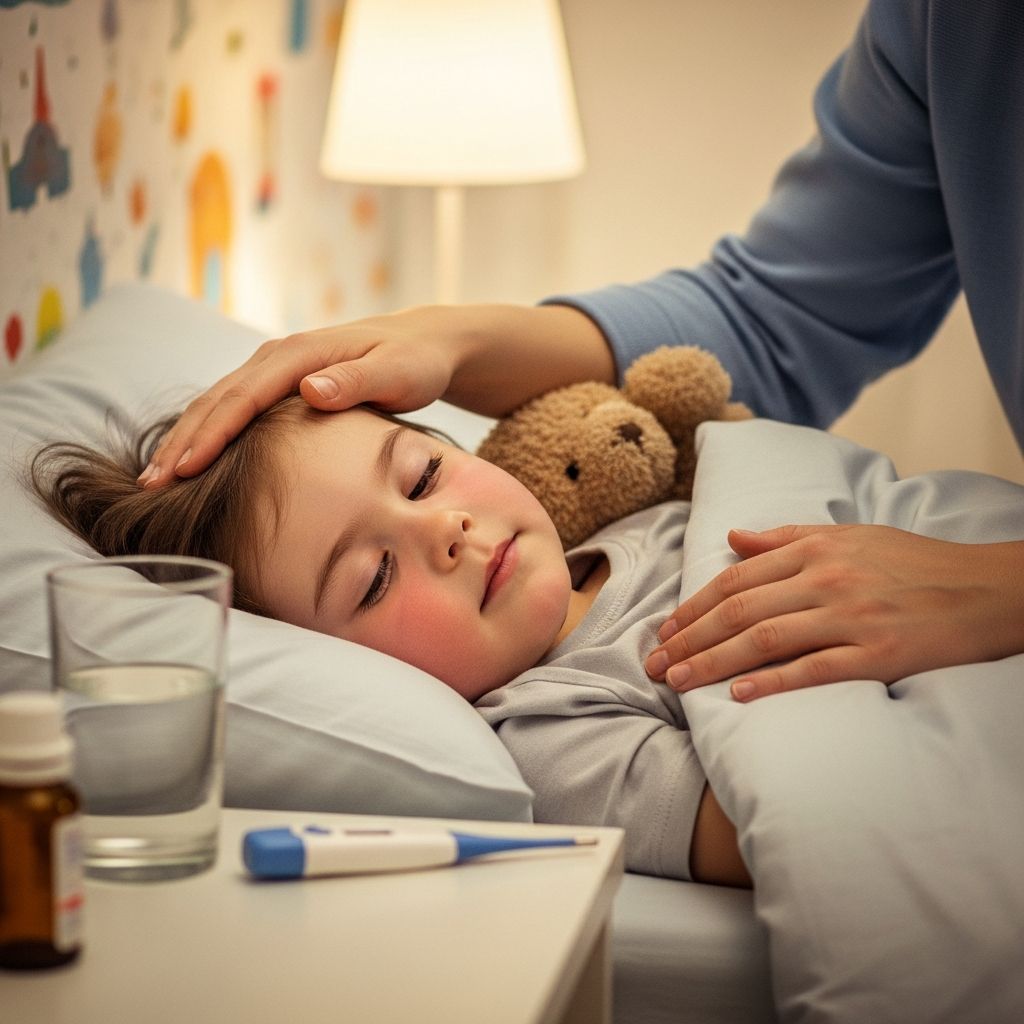
Fevers in children often signal the body’s natural defense against infections, but they can alarm parents. This guide equips you with evidence-based steps to assess, comfort, and treat fevers safely at home while knowing precisely when professional care is needed.
Understanding What Constitutes a Fever in Kids
A fever occurs when a child’s body temperature rises above its normal range, typically around 98.6°F (37°C), due to the immune system’s response to illness. The threshold varies by measurement method and age: rectal readings are most precise for infants, while oral or underarm work for older kids. Importantly, the number alone isn’t alarming—focus on the child’s overall behavior and symptoms.
Normal temperatures fluctuate daily, higher in evenings. A rectal temperature of 100.4°F (38°C) or above defines fever in newborns, while 102°F (38.9°C) flags concern in toddlers. High fevers above 104°F (40°C) warrant closer monitoring but rarely cause harm themselves.
Accurate Ways to Measure Temperature at Home
Reliable temperature checks prevent overreaction. Digital thermometers are safest; avoid mercury ones. Here’s a breakdown:
- Rectal (gold standard for under 3 months): Insert ½ inch lubricated tip; accurate to 0.1°F.
- Oral (ages 4+): Place under tongue for 10 seconds; no eating/drinking 15 minutes prior.
- Axillary (underarm): Quick for screening; add 1°F for estimate.
- Tympanic (ear): Ages 6 months+; ensure snug fit.
- Temporal (forehead): Non-invasive scanner; convenient but less precise if sweaty.
Take readings when child is calm, not post-bath or active. Track patterns every 4-6 hours.
Age-Specific Fever Management Strategies
Treatment hinges on age, temperature height, and discomfort. Fevers under 102°F often need no meds if the child is playful and hydrated.
| Age Group | Fever Threshold | Recommended Actions |
|---|---|---|
| 0-3 Months | ≥100.4°F rectal | Call pediatrician immediately, regardless of symptoms. No meds without advice. |
| 3-6 Months | ≤102°F rectal | Rest, fluids; monitor. Call if irritable/lethargic. Meds if uncomfortable. |
| 6-24 Months | >102°F rectal | Acetaminophen; ibuprofen if ≥6 months. Call if >1 day or unresponsive. |
| 2-17 Years | >102°F oral/rectal | Acetaminophen or ibuprofen for discomfort. Call if >3 days or unresponsive. |
For persistent fevers, alternate acetaminophen and ibuprofen every 3-4 hours (e.g., Tylenol then Motrin), but only after consulting a doctor. Base doses on weight, not age—use provided syringes.
Safe Medications for Reducing Fever and Discomfort
Over-the-counter options target discomfort, not the fever itself, which aids immunity. Acetaminophen (Tylenol) suits all ages; ibuprofen (Motrin/Advil) from 6 months.
- Dosing Essentials: Check weight-based charts on labels. Example: Acetaminophen 10-15 mg/kg every 4-6 hours; ibuprofen 5-10 mg/kg every 6-8 hours. Max 5 doses/day.
- Never: Aspirin (Reye’s syndrome risk); alternate without guidance; exceed doses.
- Pro Tip: Don’t wake for meds unless distressed. Fluids enhance cooling.
Store brands work fine; verify active ingredients to avoid doubles.
Proven Home Comfort Techniques
Non-drug methods support recovery and ease fussiness:
- Hydration Priority: Offer water, breastmilk/formula (under 6 months), electrolyte drinks (Pedialyte) if vomiting/diarrhea. Aim for frequent small sips; urine should be pale.
- Light Clothing: Use breathable cotton layers; avoid bundling. Room at 68-72°F with fan.
- Lukewarm Baths/Compresses: For >104°F unresponsive to meds, sponge with 85-90°F water 20-30 minutes. Stop if shivering; never alcohol.
- Rest Environment: Dim lights, quiet space. Popsicles soothe older kids.
These lower temperature gradually without suppressing the helpful immune response.
Critical Warning Signs Requiring Immediate Medical Attention
Act fast on these red flags, beyond just temperature:
- Infants <3 months with any fever.
- Breathing difficulty, persistent vomiting, dehydration (dry mouth, no tears).
- Stiff neck, severe headache, rash, seizures.
- Lethargy, not consolable, blue lips.
- Fever >104°F repeated, or >3 days in school-age kids.
Trust instincts—if something feels off, seek care. ER for seizures or breathing issues.
Common Myths and Facts About Fevers
Myth: High fevers cause brain damage. Rare below 108°F; focus on illness source.
Myth: Dress warmly to sweat out fever. Traps heat; opt light attire.
Myth: Ice baths cool fastest. Causes shivering, raising temp; lukewarm only.
Fact: Fevers speed healing. Allow mild ones unless uncomfortable.
Preventing Dehydration During Febrile Illnesses
Fever increases fluid loss via sweat/evaporation. Watch for sunken eyes, fewer wet diapers. Oral rehydration solutions restore electrolytes; breastfeed on demand. Track intake/output.
Frequently Asked Questions (FAQs)
Can I alternate Tylenol and Motrin for my child’s fever?
Yes, for persistent fevers in kids ≥6 months, every 3-4 hours under doctor guidance. Weight-based dosing prevents overdose.
Is a fever of 103°F dangerous for a 4-year-old?
Not usually if playful/hydrated; treat discomfort, monitor. Call if >24 hours or other symptoms.
Should I use a sponge bath for every fever?
Only for >104°F post-meds; lukewarm water, 20-30 min. Stop if cold/shivering.
When can I give ibuprofen to my baby?
≥6 months; confirm with pediatrician.
Does a low-grade fever need medicine?
No, if comfortable. Fluids/rest suffice.
Long-Term Monitoring and Follow-Up Care
Log temperatures, meds, symptoms for doctor visits. Recurrent fevers may need tests for underlying issues. Vaccines reduce infection risks.
Empowering parents reduces anxiety; most fevers resolve in 1-3 days with home care.
References
- Fever treatment: Quick guide to treating a fever — Mayo Clinic. 2023-10-15. https://www.mayoclinic.org/diseases-conditions/fever/in-depth/fever/art-20050997
- Tips for Managing Fever in Children — MOTRIN®. 2024-05-20. https://www.motrin.com/children-infants/cold-flu/fever-relief-tips
- Handling Fevers in Children: A Guide for Parents — Sandy Springs Pediatrics. 2024-02-10. https://sandyspringspediatrics.com/handling-fevers-in-children-a-guide-for-parents/
- Fever (Age 0-5) — Children’s Mercy. 2022-06-01. https://www.childrensmercy.org/siteassets/media-documents-for-depts-section/documents-for-health-and-safety/fever-age-0-5.pdf
- Fever — Children’s Healthcare of Atlanta. 2023-11-12. https://www.choa.org/-/media/Files/Childrens/teaching-sheets/fever.pdf