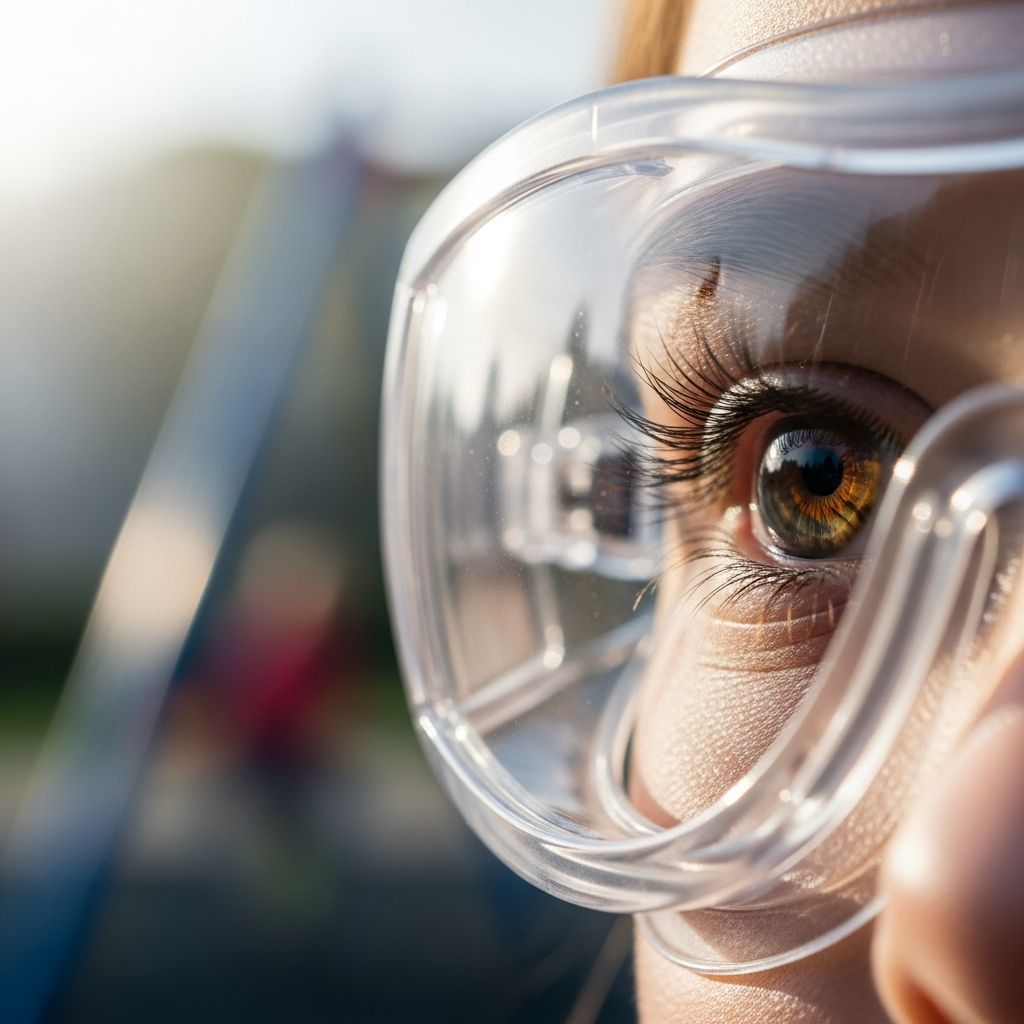
Children’s eyes are vulnerable to a wide range of injuries from play, sports, and everyday accidents. Understanding the types of harm, recognizing urgent symptoms, and knowing proper responses can prevent permanent damage and promote healthy vision development.
Common Types of Eye Injuries in Kids
Youngsters explore their world energetically, often leading to unintended eye trauma. Familiarizing yourself with prevalent injury categories equips parents to act swiftly.
- Surface Scratches (Corneal Abrasions): These occur when dust, sand, or fingernails scrape the eye’s clear front layer, causing sharp discomfort, excessive tearing, and light aversion.
- Foreign Particles: Tiny debris like dirt or metal shavings can lodge under eyelids, creating a gritty feeling and redness that persists despite blinking.
- Chemical Exposure: Household cleaners or pool water introduce irritants, resulting in burning sensations, swelling, and temporary blur.
- Blunt Force Trauma: Balls, falls, or collisions impact the orbit, potentially fracturing bones or causing internal bleeding with symptoms like double vision or bruising.
- Penetrating Wounds: Sharp toys or sticks can puncture the eyeball, leading to severe pain, vision loss, and visible structural changes—emergencies requiring instant intervention.
Each type demands tailored handling to minimize complications like infections or scarring.
Recognizing Critical Warning Signs
Distinguishing minor irritations from vision-threatening issues is crucial. Prompt attention averts lasting harm.
| Symptom | Possible Cause | Action Needed |
|---|---|---|
| Severe or worsening pain | Deep laceration or infection | Seek emergency care immediately |
| Blurred, double, or lost vision | Retinal detachment or globe rupture | Urgent medical evaluation |
| Blood in eye or around it | Hemorrhage or fracture | Do not touch; go to ER |
| Extreme light sensitivity | Corneal damage or inflammation | Eye specialist consultation |
| Clear fluid leak or pupil irregularity | Globe rupture | Emergency surgery likely |
Any combination of redness, discharge, swelling, or difficulty opening the eye warrants professional assessment.
Immediate First Aid Steps for Parents
While rushing to help, follow these evidence-based protocols to stabilize the situation without causing further injury.
- Stay Calm and Assess: Prevent panic, which can worsen outcomes. Check for breathing and consciousness first.
- For Particles or Dust: Instruct the child to blink rapidly or rinse gently with lukewarm water or saline. Avoid rubbing.
- Chemical Splashes: Flush continuously with water for 15-20 minutes, holding lids open. Use shower if available, then seek help.
- Blunt Impacts: Apply a cold compress (cloth-wrapped ice) to the surrounding bone for 10-15 minutes to curb swelling. Shield the eye with a rigid cup if protruding.
- Never: Press on the eye, remove embedded objects, or use cotton swabs, as these exacerbate damage.
Shield the injured eye with a clean patch or rigid shield during transport to medical facilities.
Medical Interventions and Recovery
Healthcare providers employ precise diagnostics like imaging and slit-lamp exams to guide treatment.
- Antibiotic drops combat infection in abrasions, often healing in days.
- Steroids or anti-inflammatories ease swelling post-trauma.
- Bandage lenses protect healing corneas, promoting comfort.
- Surgery repairs fractures, removes foreign bodies, or fixes globe ruptures within 24 hours.
Follow-up monitors for complications like glaucoma or cataracts, emphasizing adherence for optimal recovery.
Prevention Tactics for Everyday Safety
Proactive measures drastically cut injury risks, fostering a secure environment.
- Enforce protective eyewear during sports, yard work, or science experiments—polycarbonate lenses excel.
- Store chemicals and sharp tools high and locked, teaching kids boundaries.
- Supervise playtime near hazards like BB guns, trampolines, or water balloons.
- Educate on contact lens hygiene; avoid overnight wear to prevent abrasions.
- Schedule routine eye exams to catch vulnerabilities early.
School programs and family rules reinforce habits, reducing emergency visits by up to 50% per safety studies.
Long-Term Eye Health After Injury
Post-recovery vigilance prevents secondary issues. Watch for delayed symptoms like floaters or pressure changes. Nutrition rich in vitamins A, C, E, and omega-3s bolsters resilience, alongside UV-protective sunglasses outdoors.
Frequently Asked Questions (FAQs)
Q: Can a minor scratch lead to serious problems?
A: Yes, untreated corneal abrasions risk infection or ulcers, potentially scarring the cornea and impairing vision.
Q: Is it safe to use over-the-counter drops initially?
A: Artificial tears aid comfort, but avoid others without advice, as they may irritate further. Consult a doctor promptly.
Q: How soon after injury should we see a specialist?
A: Immediately for penetrating objects, chemicals, or vision changes; within hours for pain or blood.
Q: Are home remedies effective for swelling?
A: Cold compresses help mildly, but professional care is essential for underlying damage assessment.
Q: What toys pose the highest risk?
A: Projectile toys, darts, and lasers; opt for soft, large items and adult supervision.
References
- Eye Injury Types Explained: From Trauma to Treatment Strategies — Eduardo Besser MD. 2023. https://www.eduardobessermd.com/blog/eye-injury-types
- Eye Trauma and Emergency Eye Injuries — ReFocus Eye Doctors Waterbury. 2024. https://waterbury.refocuseyedoctors.com/article/eye-trauma-and-emergency-eye-injuries/
- Eye emergencies — MedlinePlus, U.S. National Library of Medicine. 2025-01-10. https://medlineplus.gov/ency/article/000054.htm
- Eye Injuries: Protect Your Eyes and Your Vision — Weill Cornell Medicine. 2023. https://weillcornell.org/news/eye-injuries-protect-your-eyes-and-your-vision
- Eye injuries — NHS UK. 2024. https://www.nhs.uk/conditions/eye-injuries/
- Eye Injury: Types, Causes, Prevention & Treatment — Cleveland Clinic. 2024-06-15. https://my.clevelandclinic.org/health/diseases/eye-injury