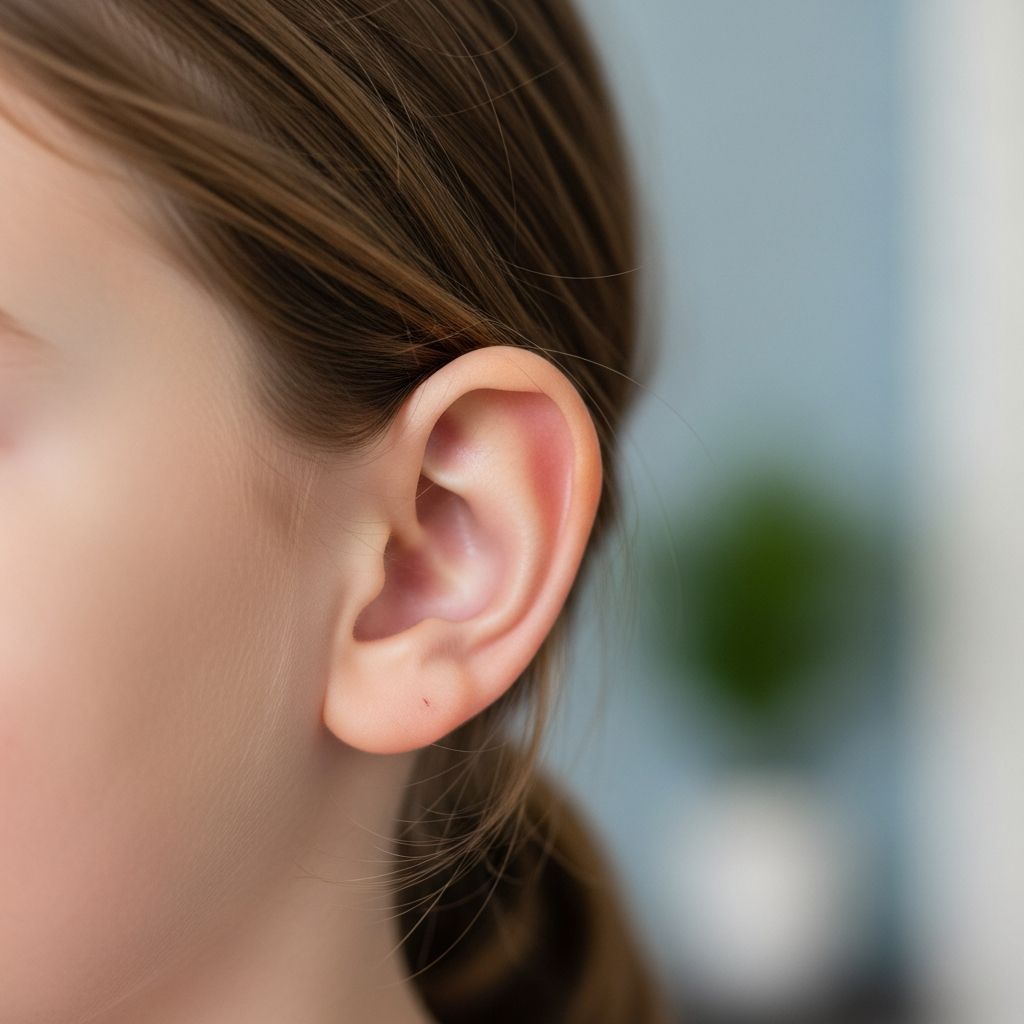
The ears help kids hear, keep their balance, and connect with the world. Because they are delicate and sit on the outside of the head, it is easy for a child to injure an ear during play, sports, or everyday activities. This guide explains the most common types of ear injuries in children, what parents can do at home, and when to seek urgent medical care.
How the Ear Works (and Why Injuries Matter)
To understand ear injuries, it helps to know the basic parts of the ear and what they do:
- Outer ear: The visible ear (auricle or pinna) and the ear canal that leads inward.
- Middle ear: An air-filled space behind the eardrum that contains three tiny bones that move sound toward the inner ear.
- Inner ear: The cochlea (for hearing) and the vestibular system (for balance), plus related nerves that send signals to the brain.
Injuries can affect any of these sections. Minor trauma may only cause brief pain or temporary muffled hearing, while serious damage can lead to long-term hearing loss, chronic infection, facial weakness, or lasting balance problems.
Common Causes of Ear Injuries in Children
Kids can hurt their ears in many ways, but some patterns are especially frequent:
- Putting objects in the ear (beads, toys, cotton swabs, hairpins, pencils).
- Loud sounds, such as fireworks, loud music through headphones, or explosions near the ear.
- Falls and blows to the head, including sports collisions and playground accidents.
- Sudden pressure changes, for example during air travel, diving, or a slap to the ear.
- Animal bites, cuts, or piercings that damage the outer ear.
Depending on the cause, injuries may be limited to the outside of the ear or extend deep into the skull.
Types of Ear Injuries in Kids
Ear trauma ranges from small scrapes to severe inner ear damage. Below is an overview of common types and how they affect children.
1. Outer Ear (Pinna) Cuts, Bruises, and Bites
The outer ear is made of cartilage covered by skin, so it can easily be cut, scratched, or bruised.
- Minor scrapes and cuts: Often caused by falls or rough play; they may bleed but usually heal well with simple first aid.
- Deep cuts or torn ear: May happen in sports accidents, dog bites, or when earrings are pulled; these can distort the ear’s shape and often need stitches.
- Auricular hematoma: A pocket of blood under the skin of the outer ear, often from blunt trauma (for example, contact sports). The ear may look swollen and feel soft, like a water-filled cushion.
Without proper treatment, some outer ear injuries can lead to deformity or infection.
2. Ear Canal Injuries and Foreign Objects
The ear canal is a narrow passage leading to the eardrum. It can be injured by:
- Pushing foreign objects inside (toys, beads, paper, cotton swabs).
- Scratching or scraping from attempts to clean the ear.
- Small insects entering the ear canal.
Injuries here may cause pain, bleeding, or a sense that the ear is blocked. If the object is pushed deep, it may damage the eardrum or middle ear structures.
3. Eardrum (Tympanic Membrane) Perforation
An eardrum perforation is a hole or tear in the thin membrane separating the outer ear canal from the middle ear.
Common causes include:
- Inserting objects into the ear canal.
- Sudden pressure changes (slaps, blasts, diving, or barotrauma during flying).
- Severe middle ear infection that leads to a rupture.
Many traumatic eardrum perforations in children heal on their own within weeks, but some become infected or cause ongoing hearing loss and need treatment.
4. Middle Ear and Tiny Bone (Ossicle) Injuries
Severe trauma can damage the small bones (ossicles) that transmit sound, or disrupt the delicate middle ear space.
- Ossicular dislocation or fracture: The chain of tiny bones (malleus, incus, stapes) is broken or separated, often after significant head injury.
- Blood or fluid in the middle ear: Can occur after blunt trauma or skull fracture, causing conductive hearing loss.
These injuries often lead to hearing problems even after the eardrum has healed, and may require surgery or hearing devices.
5. Inner Ear and Temporal Bone Trauma
The inner ear and the surrounding temporal bone sit deep within the skull. High-force head injuries, such as car crashes or serious falls, may fracture this bone or damage inner ear structures.
Possible consequences include:
- Sudden hearing loss (often sensorineural, affecting the inner ear or nerve).
- Severe dizziness and balance problems.
- Ringing in the ear (tinnitus).
- Facial weakness if the facial nerve is involved.
Temporal bone fractures are usually diagnosed with imaging such as CT scans and treated in the hospital.
Typical Symptoms of Ear Injuries
Symptoms depend on which part of the ear is injured and how severe the trauma is. Parents might notice:
- Ear pain or a feeling of fullness in the ear.
- Bleeding from the ear or dried blood around the ear canal or outer ear.
- Bruising, swelling, or deformity of the outer ear.
- Clear fluid leaking from the ear or nose after a head injury (a possible sign of cerebrospinal fluid leak, which is an emergency).
- Muffled hearing, difficulty hearing, or a child asking to turn up the volume.
- Ringing, buzzing, or roaring sounds in the ear (tinnitus).
- Dizziness, loss of balance, or nausea.
- Trouble moving the face evenly (facial droop on one side).
General symptoms such as fever, unusual fussiness, or vomiting can develop if infection or serious head trauma is present.
What Parents Can Safely Do at Home
Some minor injuries can be managed with first aid while you arrange follow-up with your child’s health care provider. The key is to avoid doing anything that might push debris further in or worsen the damage.
Basic First-Aid Steps
- Stay calm and keep your child still so they are less likely to rub or poke the injured ear.
- Control minor outer ear bleeding by gently pressing a clean cloth or sterile gauze to the area.
- Use a cool compress wrapped in a cloth on the outer ear to reduce swelling and pain (10–15 minutes at a time).
- Give age-appropriate pain medicine such as acetaminophen or ibuprofen, following dosing instructions and your provider’s advice.
What NOT to Do
- Do not insert anything into the ear canal to clean it or remove objects, including cotton swabs or tweezers.
- Do not attempt to remove deeply lodged objects or dried blood from inside the ear.
- Do not put drops, oils, or homemade solutions in the ear unless a clinician has recommended them.
- Do not let your child blow their nose forcefully if there is suspected eardrum or head injury, as this can worsen pressure.
When to Seek Immediate Emergency Care
Some warning signs mean your child needs emergency medical evaluation right away, often in an emergency department:
- Any head injury with loss of consciousness, confusion, or repeated vomiting.
- Clear, watery fluid or a mix of blood and clear fluid leaking from the ear or nose after a head injury.
- Sudden hearing loss in one or both ears.
- Severe dizziness, difficulty walking, or eyes that move abnormally.
- Weakness or drooping of the face on one side.
- Large cuts, torn ear, or major deformity of the outer ear.
- Object in the ear that is sharp, a button battery, or a magnet, or if the child is in significant pain.
In these situations, do not give food or drink until a clinician has evaluated your child, in case urgent procedures are needed.
How Doctors Diagnose Ear Injuries
In the clinic or emergency setting, health professionals will usually:
- Ask about how the injury occurred and what symptoms followed.
- Use an otoscope (a lighted instrument) to examine the ear canal and eardrum.
- Check hearing with simple screening tests or formal hearing evaluations.
- Look for neurologic signs, such as facial nerve weakness or balance problems.
If a more serious injury is suspected, such as a temporal bone fracture or inner ear damage, imaging studies like a CT scan may be ordered. Hearing specialists (audiologists) and ear, nose, and throat surgeons (otolaryngologists) may be involved in care.
Treatment Options for Ear Injuries
Treatment depends on which structures are damaged and how severe the injury is. Many mild injuries heal on their own, while others need medicine or surgery.
| Type of Injury | Typical Management | Possible Follow-Up |
|---|---|---|
| Minor outer ear cuts and bruises | Cleansing, bandaging, pain control | Monitor for signs of infection or cosmetic issues |
| Auricular hematoma (blood pocket in outer ear) | Drainage of blood and special dressing to prevent re-accumulation | Check for re-collection of blood, possible later reshaping |
| Foreign object in ear canal | Removal by clinician using special tools; sometimes sedation | Re-exam of ear canal and eardrum after removal |
| Eardrum perforation | Observation, protecting ear from water; sometimes antibiotic drops or pills | Repeat exam; surgery (tympanoplasty) if it does not heal or affects hearing |
| Ossicle or middle ear injury | Often surgery to repair or replace damaged bones; medications for infection or swelling | Hearing tests; possible hearing aids if deficits remain |
| Inner ear or temporal bone trauma | Hospital care, pain control, antibiotics, sometimes surgery | Ongoing hearing and balance rehabilitation; protective strategies |
Medications Often Used
- Antibiotics to treat or prevent infection of damaged tissue or middle ear.
- Anti-inflammatory medicines, including corticosteroids in some cases, to reduce swelling and protect hearing structures.
- Pain relievers to keep children comfortable while they heal.
Surgical and Procedural Care
- Stitches to repair deep cuts or torn ears and restore shape.
- Drainage procedures for auricular hematomas followed by firm dressings.
- Surgical repair of the eardrum (tympanoplasty) if a perforation does not heal.
- Reconstruction of middle ear bones (ossiculoplasty) when they are badly damaged.
- Implantable or external hearing devices for long-term hearing loss after severe injuries.
Recovery, Possible Complications, and Long-Term Outlook
Many children recover fully from ear injuries, especially when the damage is mild and treated promptly. However, some problems can persist or appear later:
- Conductive hearing loss if sound cannot travel efficiently through the outer or middle ear (for example, scarring or disrupted ossicles).
- Sensorineural hearing loss when the inner ear or nerve is damaged, often permanent and sometimes requiring hearing aids or implants.
- Chronic ear infections if the eardrum or middle ear does not heal normally.
- Cosmetic changes in the shape of the outer ear if hematomas or lacerations are not properly treated.
- Persistent dizziness or tinnitus after serious inner ear or head trauma.
Ongoing follow-up with ear specialists and hearing professionals helps detect and address these problems early, supporting speech, learning, and social development.
Preventing Ear Injuries in Children
Not every injury can be avoided, but simple habits greatly reduce risk.
- Teach kids never to put anything in their ears, including cotton swabs, pencils, or fingers.
- Use hearing protection (earmuffs or earplugs made for children) at loud events, concerts, or around power tools and fireworks.
- Encourage safe sports practices, including helmets and appropriate protective gear.
- Supervise young children with small objects that could be inserted into the ear.
- Follow safe diving and flying practices, such as avoiding deep dives or flying with severe nasal congestion unless a clinician approves.
- Keep vaccinations up to date, which can reduce ear infections that may complicate trauma.
Frequently Asked Questions About Childhood Ear Injuries
My child says their ear hurts after a fall, but I do not see blood. Should I worry?
Ear pain without visible bleeding can still signal a problem, such as bruising, eardrum injury, or pressure changes in the middle ear. Contact your child’s health care provider, especially if the pain is severe, hearing seems reduced, or there was a significant head impact.
How long does it take a torn eardrum to heal?
Small traumatic perforations often heal over several weeks, sometimes faster in healthy children. Your clinician may schedule a follow-up visit to confirm closure and repeat hearing tests. If the hole is large or has not healed after a few months, surgical repair may be recommended.
Can an ear injury cause permanent hearing loss?
Yes. Severe damage to the inner ear, auditory nerve, or middle ear bones can result in lasting hearing loss, especially if treatment is delayed. Early evaluation, monitoring, and, when needed, hearing support devices help children adapt and continue to develop language and learning skills.
Is it safe to remove a bead or piece of food from my child’s ear at home?
Trying to remove objects at home often pushes them deeper and increases the risk of eardrum injury or infection. It is safer to have an experienced clinician remove foreign bodies with specialized tools, sometimes using sedation if your child is very young or anxious.
When can my child swim again after an ear injury?
Swimming is usually restricted until the ear canal and eardrum have healed and your clinician says it is safe to get the ear wet. For some children with eardrum perforations or tubes, special ear protection or ongoing precautions may be needed.
References
- Treatments for Ear Injuries and Trauma — Stanford Health Care. 2023-03-15. https://stanfordhealthcare.org/medical-conditions/ear-nose-and-throat/ear-injuries-trauma/treatments.html
- Ear injury — K+31 Clinic. 2022-09-10. https://www.k31.ru/en/service/otorinolaringologiya/travmy-uha.html
- Ear Injuries & Trauma — Cleveland Clinic. 2023-02-01. https://my.clevelandclinic.org/health/diseases/17574-ear-injuries-and-trauma
- Ear Injuries & Trauma — Stanford Medicine, Otolaryngology — Head & Neck Surgery. 2022-08-20. https://med.stanford.edu/ohns/OHNS-healthcare/earinstitute/conditions-we-treat/ear-injuries-and-trauma.html
- Ear Injuries and Trauma — Stanford Health Care. 2022-11-05. https://stanfordhealthcare.org/medical-conditions/ear-nose-and-throat/ear-injuries-trauma.html
- Ear Trauma Discussion — McGovern Medical School, UTHealth Houston. 2021-06-30. https://med.uth.edu/orl/online-ear-disease-photo-book/chapter-12-ear-trauma/ear-trauma-discussion/
- Outer Ear Injury — Boston Children’s Hospital. 2021-04-14. https://www.childrenshospital.org/conditions/outer-ear-injury