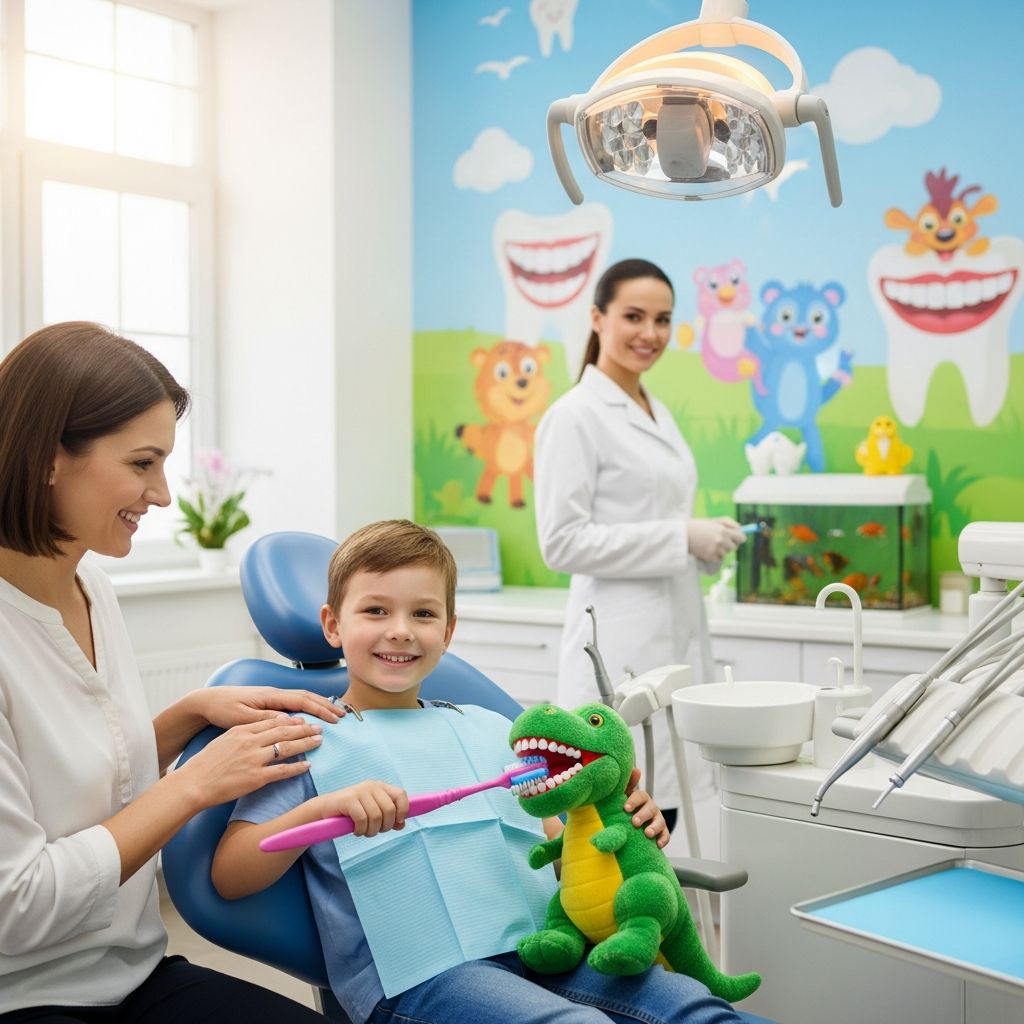
Understanding the Foundation of Your Child’s Dental Development
A child’s oral health journey begins long before their first tooth emerges from the gums. Parents and caregivers play a critical role in establishing patterns that will influence dental wellness throughout childhood and into adulthood. The foundation of healthy teeth involves understanding what happens at each developmental stage, recognizing the importance of baby teeth, and implementing consistent care practices. Baby teeth serve multiple essential functions: they enable children to eat and speak properly, guide facial development, and create space for permanent teeth to grow in correctly. Neglecting these primary teeth can lead to complications affecting both immediate health and long-term dental alignment.
Early Stages: From Birth to First Tooth Emergence
Long before your child’s first tooth appears, you can begin establishing healthy oral routines. Starting at birth, caregivers should clean the infant’s mouth after feeding using a soft, damp cloth or gauze pad. This practice serves two important purposes: it removes milk residue and bacteria that accumulate in the mouth, and it accustoms the infant to having their mouth touched and cleaned, making the transition to toothbrushing easier when teeth arrive.
Baby teeth typically begin erupting around six months of age, with the first tooth usually appearing between six to fourteen months. As soon as you notice that first tooth breaking through the gums, you should transition from cloth cleaning to actual brushing. This timing is crucial because teeth become vulnerable to decay immediately upon eruption.
Establishing Effective Brushing Routines for Infants and Toddlers
Once your child’s first tooth appears, establishing a consistent brushing schedule becomes essential. The American Dental Association recommends brushing a child’s teeth twice daily—once in the morning and once before bedtime. This frequency ensures that bacteria and food debris are removed at the most critical times of day, particularly before sleep when saliva production decreases.
For children under three years old, the toothpaste amount matters significantly. Use only a smear of fluoride toothpaste approximately the size of a grain of rice. This minimal amount is appropriate because young children cannot reliably spit out toothpaste and may swallow it. Fluoride in appropriate quantities strengthens developing tooth enamel and provides cavity protection, but excessive fluoride ingestion can cause problems. An adult should always supervise and assist with brushing at this age.
Selecting the right toothbrush makes a substantial difference in your child’s brushing experience. Choose a soft-bristled toothbrush specifically designed for infants and toddlers. These brushes have smaller heads that fit comfortably in tiny mouths and gentle bristles that won’t irritate developing gums. The handle should be easy for small hands to grip, making the experience more manageable and enjoyable.
The Three-to-Five Age Range: Building Independence While Maintaining Supervision
As children enter the preschool years, you can gradually increase toothpaste amounts and begin teaching them to participate more actively in brushing. For children aged three to five years, increase the toothpaste amount to a pea-size portion while continuing to use a small, soft toothbrush. Children at this age should brush for two minutes, twice daily, though they still require adult assistance and supervision.
This developmental period presents an excellent opportunity to make brushing enjoyable and routine. Many parents find success by turning brushing into a fun activity—allowing children to choose colorful toothbrushes, using flavored toothpaste, or brushing together as a family ritual. Making the activity fun rather than punitive increases the likelihood that children will maintain these habits throughout their lives.
Around age three, you should schedule your child’s first comprehensive dental checkup if you haven’t already done so. This visit accomplishes several goals: it allows the dentist to assess your child’s oral development, identify any potential problems early, establish a relationship between your child and dental care professionals, and give parents personalized guidance about their child’s specific needs.
School-Age Development: Six Years and Beyond
When children reach school age, their dental care needs evolve as their adult teeth begin emerging and their ability to care for themselves increases. Adult molars typically begin appearing around age six, which marks an important transition point. At this stage, permanent teeth require lifelong protection, making prevention even more critical.
Children aged six and older should continue brushing twice daily with a pea-size amount of fluoride toothpaste for two full minutes. Most children can begin handling brushing independently around this age, though parents should continue occasional supervision until approximately age seven or when children demonstrate the ability to spit out toothpaste reliably rather than swallowing it.
Flossing becomes increasingly important as the permanent teeth erupt. Once all primary teeth are in place or teeth begin touching each other, daily flossing should commence. Some children benefit from floss picks or water flossing devices designed for young users, as traditional string floss can be difficult for small hands to manage. Making flossing part of the bedtime routine ensures consistency.
For children with newly erupting permanent teeth, dental sealants represent a powerful preventative tool. Sealants are protective coatings applied to the chewing surfaces of back teeth, where decay most commonly develops. Discussing this option with your dentist helps prevent cavities in teeth intended to last a lifetime.
Nutrition’s Role in Dental Health
What children consume has profound effects on their tooth development and cavity risk. A balanced diet that includes adequate calcium supports strong tooth structure, while limiting sugary foods and acidic beverages significantly reduces decay risk.
The following dietary guidelines protect developing teeth:
- Encourage children to eat fruits, vegetables, and calcium-rich foods like yogurt, cheese, and milk. These foods promote dental health while providing essential nutrients for overall development.
- Limit snacking to mealtimes rather than allowing constant grazing, which exposes teeth to repeated acid attacks.
- Restrict sugary drinks to less than 6 ounces daily if consumed at all.
- Avoid carbonated beverages, which are highly acidic and damage tooth enamel.
- Discontinue bottle feeding before bedtime to prevent baby bottle tooth decay, a condition where sugars pool around sleeping infants’ teeth.
- Encourage water consumption, ideally fluoridated water, as the primary beverage.
Understanding Fluoride: Benefits and Appropriate Use
Fluoride represents one of the most significant advances in cavity prevention, strengthening tooth enamel and making teeth more resistant to decay. However, appropriate use is essential. Most municipal water supplies contain fluoride, but concentration levels vary. Some children may benefit from additional fluoride supplementation, which should be discussed with a pediatric dentist who can assess your child’s individual risk factors and water supply fluoride content.
When using fluoride toothpaste, ensure your child spits out excess product rather than swallowing it. After brushing, avoid rinsing the mouth with water, as this removes beneficial fluoride that continues protecting teeth even after brushing concludes.
Professional Dental Care and Regular Monitoring
Home care forms the foundation of good dental health, but professional dental oversight provides essential monitoring and early intervention. The American Dental Association recommends that children visit a dentist after their first tooth erupts or by their first birthday, whichever comes first. Regular check-ups every six months allow dentists to monitor tooth eruption and spacing, detect cavities early when they are most treatable, assess fluoride needs, and provide professional cleanings.
During these visits, dentists watch for signs of potential problems including crowding, impaction, misalignment, or early cavity formation. Early detection of these issues allows for timely intervention before they develop into more serious problems requiring extensive treatment.
Protecting Teeth During Physical Activity
As children become involved in sports and recreational activities, protecting their teeth from injury becomes important. Children participating in contact sports or activities with fall risks should wear properly fitted mouth guards. A mouth guard cushions blows to the face and mouth, significantly reducing the risk of tooth loss or damage that could affect the child’s appearance and function throughout their life.
Addressing Common Pediatric Dental Issues
Despite best prevention efforts, some children develop dental problems. Common issues include cavities, tooth sensitivity, and misalignment. Regular dental check-ups aid in identifying cavities early, when they are smaller and less expensive to treat. Watch for signs of cavities including tooth sensitivity, complaints of toothaches, visible holes or pits in teeth, or changes in tooth color.
If your child develops a cavity, treatment options depend on the cavity’s size and location. Small cavities may be treated with fluoride applications, while larger cavities require fillings. Addressing cavities promptly prevents them from expanding and affecting deeper tooth structures.
Creating Sustainable Long-Term Habits
The ultimate goal of childhood dental care extends beyond preventing cavities in primary teeth. Parents should view this period as crucial for establishing habits and attitudes toward oral health that will persist throughout life. Children who experience positive dental interactions, develop effective self-care routines, and understand the importance of dental health are significantly more likely to maintain these practices as adults.
Consistency matters more than perfection. Children respond well to predictable routines and understand the expectations around their dental care responsibilities. As they mature, gradually increasing their independence while maintaining parental oversight creates a natural progression toward adult-level self-care.
Frequently Asked Questions About Children’s Dental Care
Q: When should my child start seeing a dentist?
A: Schedule your child’s first dental visit after their first tooth appears or by their first birthday, whichever comes first. This early visit establishes a relationship with a pediatric dentist and allows for professional assessment of your child’s oral development.
Q: How much toothpaste should I use for my young child?
A: For children under three years old, use a smear of fluoride toothpaste the size of a grain of rice. For children three years and older, use a pea-size amount. This ensures adequate fluoride protection while minimizing swallowing risks.
Q: What should I do if my child resists brushing their teeth?
A: Make brushing enjoyable by allowing children to choose fun toothbrushes, using flavored toothpaste, brushing together as a family, and establishing consistent routines. Making it part of the daily schedule rather than a battle increases compliance and builds positive associations with oral care.
Q: Are baby teeth really important if they’re going to fall out anyway?
A: Yes, baby teeth are extremely important. They enable children to eat, speak, and smile properly while also holding space for permanent teeth to grow in correctly. Losing baby teeth prematurely due to decay can cause permanent teeth to erupt misaligned.
Q: When should my child start flossing?
A: Begin flossing daily once all primary teeth are in place or when teeth start touching each other. Initially, you should assist with or supervise flossing, gradually allowing independence as your child develops the necessary manual dexterity, typically around age six or seven.
Q: What does my child need fluoride supplementation?
A: Not all children require fluoride supplements. This depends on your water supply’s fluoride content and your child’s cavity risk. Discuss your specific situation with your pediatric dentist, who can recommend appropriate supplementation based on individual circumstances.
Q: How often should my child see the dentist?
A: Children should visit the dentist every six months for regular check-ups, monitoring, and professional cleaning. This frequency allows dentists to detect problems early and maintain optimal oral health throughout childhood.
References
- Baby Teeth Care at Touro Dental Health Kids — Touro Dental Health. Accessed January 17, 2026. https://dental.touro.edu/patients/ny/our-services/pediatric-dentistry/baby-teeth-care/
- Pediatric Dental Health 101: A Comprehensive Guide — All Kids Smile. Accessed January 17, 2026. https://allkidssmile.com/pediatric-dental-health-101-a-comprehensive-guide/
- Oral Hygiene for Kids: A Parent’s Guide to Healthy Smiles — Infinite Smiles Pediatric Dentistry. Accessed January 17, 2026. https://www.infinitesmilespd.com/blogs/oral-hygiene-habits-at-home
- Guiding children’s dental care and oral health habits — Delta Dental Insurance. Accessed January 17, 2026. https://www1.deltadentalins.com/wellness/kids/articles/childrens-oral-health-guide.html
- ADA Guidelines for Children’s Dental Professionals — American Dental Association. PDF. Accessed January 17, 2026. https://www.ada.org/
- Keeping Your Child’s Teeth Healthy — Nemours KidsHealth. Accessed January 17, 2026. https://kidshealth.org/en/parents/healthy.html