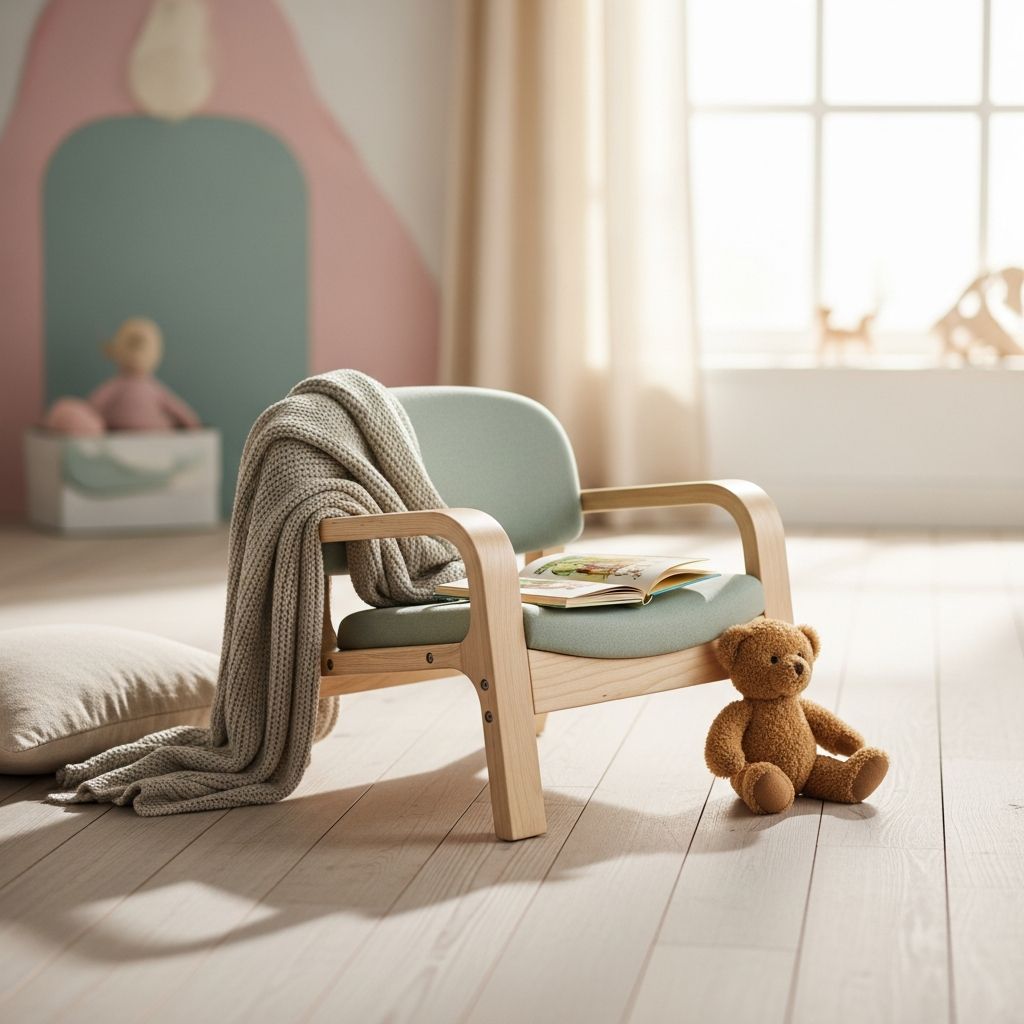
Children’s chairs may be tiny, but they can transform the way kids read, play, create, and relax at home. The right chair gives a child a sense of ownership, comfort, and independence while also supporting growing bodies and keeping everyday routines running more smoothly.
Why Little People Need Little Chairs
When a chair fits a child’s size, it invites them to sit properly, focus longer, and feel more in control of their space. Oversized adult seating often leads to slouching, wiggling, or simply sliding off the edge, which is uncomfortable and can be unsafe for smaller bodies.
Kid-sized chairs also send a subtle message: this home is designed with children in mind. A dedicated place to sit for reading, drawing, snacking, or putting on shoes helps anchor routines and gives kids a reliable, cozy spot that is truly theirs.
Major Types of Children’s Chairs
Before buying anything, it helps to know the main types of children’s chairs available and what each one is best suited for. Different chairs shine in different rooms and phases of childhood.
Playroom and Activity Chairs
Playroom chairs are the workhorses of kids’ seating. They are typically paired with low tables and used for crafts, building blocks, puzzles, and snack time. Look for sturdy frames, easy-clean finishes, and a stable base that resists tipping during enthusiastic play.
- Best for: Art projects, homework corners, board games, snack stations.
- Common materials: Solid wood, molded plastic, metal with plastic seats, or plywood with laminate coatings.
- Ideal features: Wide legs, smooth edges, wipeable surfaces, low enough for feet to touch the floor.
Soft Lounge Chairs and Mini Armchairs
Soft chairs and mini armchairs mimic adult seating but at a child-friendly scale. They are perfect for reading corners, bedrooms, and quiet-time nooks. Their main job is comfort and coziness rather than intense activity.
- Best for: Story time, screen time limits, winding down before bed, independent quiet play.
- Common materials: Foam with removable covers, upholstered wood frames, padded microfiber, or cotton slipcovers.
- Ideal features: Supportive back, lightweight enough for kids to move, removable/washable covers.
Desk and Study Chairs
Study chairs matter once children start schoolwork, whether they are practicing letters, building with STEM kits, or working on projects. These chairs need to balance comfort with posture support and should pair correctly with the desk height.
- Best for: Homework, art lessons, online classes, music practice.
- Common materials: Adjustable plastic and metal chairs, junior-sized rolling chairs with locks, sturdy wood chairs.
- Ideal features: Height adjustability, supportive backrest, non-slip feet or locking wheels, easy rotation without being a toy.
Dining and Kitchen Seating
In kitchens and dining rooms, chairs must prioritize safety and cleanability. Options include booster seats placed on adult chairs, junior-height dining chairs, and sturdy stools for kitchen helpers.
- Best for: Mealtimes, homework at the table, helping with cooking or baking.
- Common materials: Hard plastic, easy-wipe wood, metal with stable bases, non-slip step stools.
- Ideal features: Strong attachment straps for boosters, wide bases for stools, weight limits clearly listed by the manufacturer.
Outdoor Kid Chairs
Outdoor chairs bring the fun outside and must handle sun, moisture, and dirt gracefully. Portable and foldable versions are ideal for picnics, camping, or sideline sports, while more permanent sets work well on patios and decks.
- Best for: Backyard play, picnics, outdoor arts and crafts, watching games and events.
- Common materials: Weather-resistant plastic, powder-coated metal, coated canvas on light frames.
- Ideal features: UV-resistant finishes, drain holes or mesh to avoid puddles, fold-and-carry handles.
Key Factors to Consider Before You Buy
Choosing a children’s chair is not only about cute patterns and matching colors. Thinking through a few practical questions first can save money and prevent buyer’s regret.
Size, Age, and Fit
The right chair should match your child’s current size, with a little room to grow. If the seat is too high, feet dangle and children may feel unstable; if it is too low, knees end up too close to the chest and posture suffers.
- Aim for the child’s feet to rest flat on the floor or a footrest.
- Look for seat heights that roughly align with your child’s mid-to-lower calf.
- Check weight limits and recommended age ranges on the product label.
Material and Durability
Materials influence durability, cleaning effort, and the overall feel of the chair. Families with multiple children or high-traffic playrooms often benefit from sturdier, low-maintenance choices that can withstand years of use.
- Wood: Classic look and strong, but may need protection from moisture and heavy impacts.
- Plastic: Lightweight, easy to clean, often stackable, but can scuff over time.
- Metal: Very strong, often paired with plastic or padded seats; check for smooth welding and secure joints.
- Foam/Upholstery: Coziest option, best for lounges, but needs removable covers for easy washing.
Safety and Stability
A beautiful chair is not useful if it wobbles, tips easily, or pinches fingers. Simple checks at home or in the store can help verify that a chair is safe for daily use.
- Test for wobble by gently rocking the chair from side to side and front to back.
- Check for sharp edges, protruding screws, or splinters along legs, arms, and backrest.
- Ensure there are no small removable parts that a young child could put in their mouth.
- For folding chairs, confirm that the locking mechanism clicks securely into place and cannot be operated accidentally by a child.
Ease of Cleaning
Spills, marker streaks, and crumbs are part of childhood, so consider how the chair will look after months of real usage. For daily snack or craft chairs, non-porous surfaces make life easier.
- Prefer smooth surfaces over heavy textures that trap crumbs and dust.
- Choose removable, machine-washable covers for fabric chairs whenever possible.
- Check manufacturer cleaning guidelines to make sure your normal cleaners are safe for the finish.
Simple Ergonomics for Growing Bodies
Children’s posture habits form early, and seating plays a quiet but significant role. You do not need to become an ergonomics expert, but a few rules of thumb can help your child sit more comfortably.
- Feet supported: Either on the floor or on a stable footrest to avoid dangling legs.
- Knees at about a right angle when seated, not pulled too high or stretched too straight.
- Backrest that touches the lower back when they sit all the way back in the chair.
- For desk work, table height roughly at elbow level when shoulders are relaxed.
Short, frequent breaks from seated activities are just as important as a good chair. Encouraging kids to stand, stretch, or switch activities protects both posture and attention span.
Safety Checklist for Children’s Chairs
While safety standards and certifications vary by region and product type, parents can still perform everyday checks at home. A quick glance and a few simple tests can reveal obvious hazards before a child uses the chair.
| Area | What to Look For | Why It Matters |
|---|---|---|
| Stability | Wide base, no rocking, legs fully touching the ground. | Reduces risk of tipping when a child climbs in, leans, or shifts position. |
| Edges & Corners | Rounded edges, sanded wood, no sharp metal or plastic corners. | Helps prevent cuts, scrapes, and bruises during normal play. |
| Joints & Hardware | Tight screws, smooth hinges, no exposed nails or staples. | Loose hardware can cause collapse or snag clothing and skin. |
| Moving Parts | No finger-sized gaps in folding mechanisms or between moving pieces. | Reduces risk of pinch injuries when the chair is opened or closed. |
| Weight Limits | Clear label with maximum weight and recommended age. | Using the chair within its limits maintains structural integrity. |
It is also helpful to teach children simple rules, such as sitting on chairs rather than standing or jumping on them, and asking for help before moving heavier pieces of furniture.
Matching Chairs to Each Room in Your Home
Children’s chairs can either blend quietly into a room or become a playful focal point. Thinking room by room helps you prioritize the features that matter most in each part of your home.
Living Room and Family Room
In shared spaces, a kid-sized armchair or mini sofa gives children a permanent place near the family action. Choose colors that complement existing furniture or patterns that hide everyday smudges.
- Create a small reading corner with a mini armchair, soft throw, and basket of books.
- Place the chair where your child can see the TV if they watch, but still control screen-time duration.
- Use a lightweight chair that kids can drag closer during movie nights and push back when done.
Playroom or Corner Play Area
In playrooms, function and durability matter more than perfectly matching decor. Think of chairs as tools that help kids move easily from pretend play to crafts and quiet activities.
- Pair two to four small chairs with a low activity table for games and projects.
- Consider stackable chairs if the room doubles as a guest space or needs frequent reconfiguration.
- Add one soft floor chair or beanbag alongside firm chairs to offer a variety of seating textures.
Bedroom and Reading Nooks
Children’s bedrooms benefit from a single, inviting chair that signals rest rather than activity. This is often where bedtime stories happen and where kids retreat for quiet alone time.
- Place a cushioned chair near a bookshelf and soft lamp for calm evening routines.
- Choose darker or patterned fabric if your child likes to snack while reading.
- Add a small side table so books and water bottles stay off the bed and floor.
Kitchen and Dining Areas
In eating spaces, choose chairs or boosters that are easy to wipe down and resist tipping. A dedicated seat tells children where they belong during meals and helps anchor mealtime manners.
- Use boosters with strong straps that attach firmly to sturdy adult chairs.
- Keep chairs far enough from counters or walls that kicking feet cannot push them over.
- For young helpers, invest in a stable step-stool with rails or handles.
Outdoor Spaces
Outside, chairs should handle rough play, weather, and dirt without constant worry. Bright colors make them easy to spot in the yard and more fun for kids.
- Store lightweight chairs in a bin or shed when not in use to prolong their life.
- Look for rust-resistant coatings and fabrics that dry quickly after rain.
- Consider foldable camp-style chairs for picnics, sporting events, and grandparents’ houses.
Making Children’s Chairs Fun and Personal
Beyond function, children love when their furniture feels uniquely theirs. Personal touches can turn a basic seat into a favorite place where your child chooses to spend time.
- Add a cushion with your child’s initials or a motif tied to their interests, like animals or space.
- Let older kids help pick colors or patterns to foster a sense of ownership.
- Rotate small accessories, like themed pillows or blankets, to keep the chair feeling fresh.
Personalization does not need to be permanent; removable covers, slip-on decorations, or clip-on toys give room for changing tastes and siblings who share furniture.
Budgeting Smartly: When to Save and When to Spend
Not every children’s chair has to be an investment piece. Some items are worth a splurge, while others can be simple and inexpensive as long as they are safe and functional.
- Spend more on: Study chairs, heavily used playroom sets, or pieces that will be passed down to siblings.
- Spend less on: Seasonal outdoor chairs, novelty designs, or pieces meant for a short phase.
- Consider secondhand options but thoroughly check for recalls, missing parts, and structural wear.
Balancing one or two high-quality chairs with a few budget-friendly options can provide plenty of seating without overwhelming your home or wallet.
Frequently Asked Questions About Children’s Chairs
How many chairs does a young child really need?
Most families do well with two or three main chairs per child: one for meals, one for play or crafts, and one cozy seat for reading or relaxing. Additional seating can be shared among siblings, especially in common areas like the playroom or living room.
What is the best age to buy a child-sized chair?
Toddlers often enjoy their own chair as soon as they can safely climb in and out with minimal assistance. Many parents introduce a small chair between 18 months and 3 years of age, then gradually transition to slightly larger chairs that suit preschool and early school years.
Should I avoid chairs with wheels?
Chairs with wheels can be helpful for older children at desks, but they often become toys for younger kids who love to spin and roll. If you choose a rolling chair, look for locking mechanisms and establish clear rules about sitting, not playing, in it.
How can I tell if a chair will tip easily?
Place the chair on a flat surface and push gently on the back and sides at different heights. If it lifts or tilts with only mild pressure, it may tip when a child climbs up independently or leans sideways during play.
What is the easiest type of children’s chair to keep clean?
Hard plastic and finished wood chairs are often the simplest to maintain, especially for crafting and snacking. A quick wipe with a damp cloth or mild cleaner usually removes most messes, while removable covers on soft chairs help keep lounge seating tidy.